
10 Virginia Dinner Table Traditions From The 1960s That Would Baffle Today’s Families
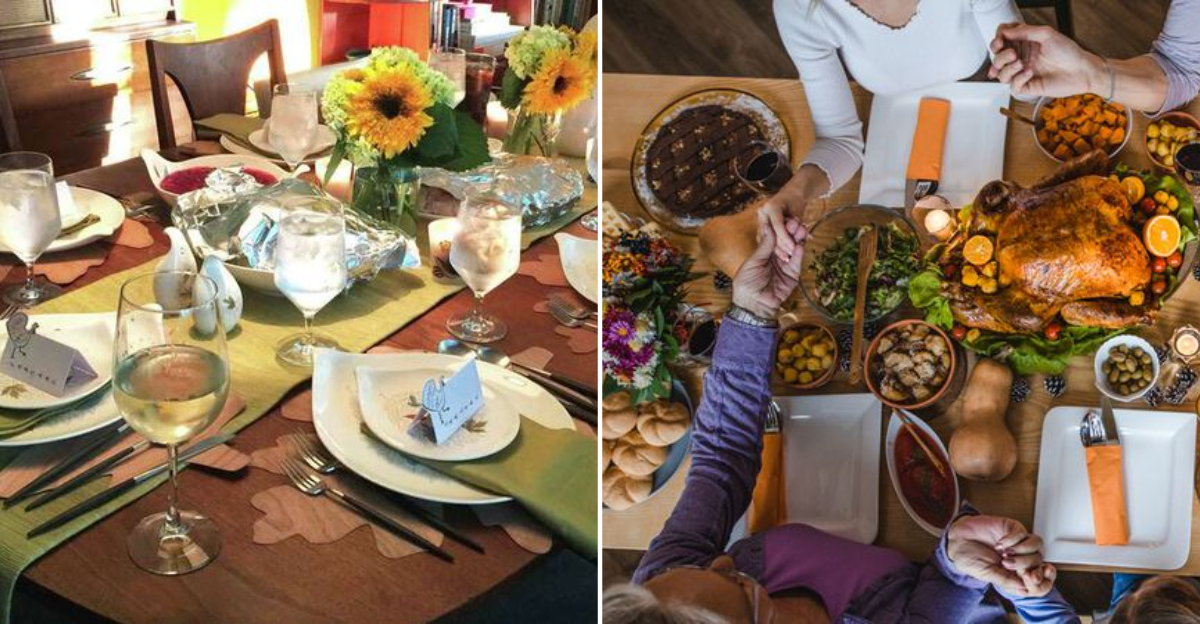
Virginia dinner tables in the 1960s were a world of their own, part mealtime, part ceremony, and all heart. Back then, families gathered around the table like clockwork, swapping stories over fried chicken, homemade rolls, and a slice (or two) of pie.
There were rules to follow, manners to mind, and a sense that dinner wasn’t just about food: it was about family.
Fast-forward to today, and those rituals have mostly vanished, replaced by takeout boxes, phone screens, and “eat whenever you can” schedules that would’ve made your grandparents gasp.
1. Sunday Dinner Was The Week’s Main Event
Families circled their calendars around Sunday’s noontime feast, when aunts, uncles, cousins, and grandparents descended upon one home for hours of eating and socializing. Roast beef, fried chicken, ham, mountains of vegetables, and homemade pies covered every inch of the table.
Nobody rushed through this meal, lingering over coffee and dessert while swapping stories was the whole point. While Sunday dinners haven’t disappeared entirely, they’re far less common today.
Modern families struggle to coordinate everyone’s soccer games, work shifts, and Netflix binges for a single shared meal. That sacred Sunday gathering has become a rare occasion rather than a weekly expectation. The idea of spending three hours at the dinner table now sounds exhausting instead of comforting.
2. Multiple Courses Marched Out In Perfect Order
Dinner arrived in stages like a well-choreographed performance: protein first, then vegetables and starches, finally dessert as the grand finale. Each course had its moment to shine before the next appeared. Chess pie, pecan pie, apple cobbler, dessert wasn’t optional, it was mandatory.
Families took pride in this structured progression, treating each part of the meal with equal importance. The rhythm created anticipation and made dinner feel like a special occasion every single time. Still, plenty of families also served everything at once, this formal sequence was more common at Sunday or holiday dinners.
Today’s families dump everything on the table at once or graze through meals without clear beginnings or endings, making the old multi-course system feel unnecessarily complicated.
3. Family-Style Serving Meant Serious Passing Skills
Giant platters and serving bowls dominated the center of the table, passed hand-to-hand around the circle while everyone scooped their portions. The father often carved the roast right at the table, distributing slices to each person with ceremonial precision. This communal sharing created a sense of unity and teamwork during mealtime.
Mastering the art of passing heavy dishes without spilling became a childhood rite of passage. You learned to balance, coordinate with neighbors, and wait your turn patiently. The physical act of sharing food reinforced family bonds in ways modern dining rarely achieves.
Although family-style meals are still common at holidays and some restaurants, many homes have moved toward pre-plated or buffet-style serving, making the old “passing ritual” less routine.
4. Heirloom China Made Every Meal Feel Like A Wedding
Grandma’s best china emerged from the cabinet for Sunday dinners and special occasions, accompanied by crisp linen tablecloths, cloth napkins, and the good silverware. Place settings were arranged with military precision, each fork and knife positioned exactly where etiquette demanded. Assigned seating ensured everyone knew their spot.
These formal touches transformed ordinary meals into memorable events that honored both the food and the company. Families treated their dining rituals with reverence, believing presentation mattered as much as taste. While not every meal used heirloom china, special-occasion dinners often did and many Virginians still bring out their best dishes for holidays.
Modern families reach for paper plates and plastic forks without a second thought, saving fancy dishes for once-a-year holidays if they bother at all.
5. Grace Before Meals Was Non-Negotiable
Hands clasped, heads bowed, everyone waited in silence while someone, usually the father or eldest, recited a blessing thanking God for the food and family gathered together. This short prayer marked the official start of the meal, and nobody dared touch their fork beforehand. The ritual connected families to their faith and to each other in a moment of shared gratitude.
Mealtime prayers were widely practiced in Virginia during the 1960s, reflecting the state’s strong Christian culture, though not every household participated.
Even guests from different backgrounds participated out of respect for the host family’s customs. The practice reinforced values and created a spiritual dimension to everyday eating.
Secular households have become far more common, and even religious families often skip this tradition in the rush of modern life.
6. Serving Order Followed Strict Social Rules
The host, eldest family member, or ladies received their food first, followed by gentlemen, then children brought up the rear. This hierarchy wasn’t about favoritism, it reflected deeply ingrained notions of respect and proper manners. Plates disappeared from the table in organized stages too: main courses cleared first, then sides, finally dessert plates whisked away.
Children learned patience and deference through this system, understanding their place in the family structure. The methodical clearing prevented chaos and maintained the meal’s dignified atmosphere. Everything had its proper time and sequence, creating order out of what could have been mayhem.
Not every family followed this exact sequence, but serving in a deliberate, respectful order was a widely observed etiquette ideal.
7. Table Manners Were Enforced Like Military Drills
Elbows off the table, napkins in laps, no speaking with food in your mouth, wait until everyone’s served before eating, the rules stretched longer than a grocery list. Children who interrupted adults or fidgeted earned swift corrections, sometimes just a stern look that froze them mid-squirm. Proper conversation meant taking turns and speaking clearly, not the overlapping chatter common today.
Parents viewed dinner as training ground for life skills, where kids learned self-control, respect, and social graces. Though enforcement varied from household to household, many families viewed mealtime manners as essential character-building. Breaking these rules brought consequences that made you think twice next time.
Phones at the table and casual multitasking have replaced these rigid protocols, much to the horror of anyone raised in the 1960s.
8. The Kids’ Table Was Its Own Little Universe
When extended family gathered, children got exiled to a smaller table in the corner or adjacent room, where they could be noisy and messy without disturbing adult conversations. This separate seating arrangement created a miniature society where cousins bonded, older kids bossed younger ones, and food fights occasionally erupted when parents weren’t watching closely. The kids’ table had its own culture and hierarchy.
Adults appreciated the buffer zone that let them discuss grown-up topics without censoring themselves. Children actually enjoyed their independence, free from constant supervision and boring adult talk. Graduating to the main table became a milestone that marked your transition toward maturity.
The kids’ table tradition still pops up during big family holidays, but smaller households and more inclusive parenting styles have made it less common.
9. Seconds Waited Until Everyone Finished Firsts
Hungry teenagers eyeing that last piece of fried chicken had to practice superhuman patience until every person at the table had eaten their initial portion. Going back for seconds before everyone finished their firsts was considered selfish and rude, a violation of the communal spirit that meals represented. The host would specifically ask if anyone wanted more before allowing the free-for-all.
This rule taught consideration for others and prevented greedy grabbing that left latecomers with empty plates. Families with limited food especially valued this fairness doctrine, ensuring equitable distribution. The practice made everyone conscious of their neighbors’ needs, not just their own appetites.
While the “no seconds until everyone’s had firsts” rule wasn’t universal, it was a common courtesy that encouraged fairness and patience.
10. Dinner Bells Rang At Fixed Time
Families ate dinner much earlier than modern households, often sitting down between five and six in the evening. This schedule accommodated farm work, factory shifts, and the rhythm of a pre-digital world where people rose with the sun and tired by nightfall. Some households literally rang a bell to summon everyone from yards and fields, a practice Thomas Jefferson famously used at Monticello.
Punctuality mattered, showing up late meant cold food and disappointed faces. Everyone arranged their day around this fixed mealtime, treating it as the anchor point of the schedule. A lighter supper might follow later for those still hungry.
Today, most American families still eat between about 5 and 8 p.m., typically around 6 or 7, but the timing varies far more with work and school schedules than it once did.