
19 Indiana Dinner Table Rules From The 1960s That Would Leave Today’s Kids Scratching Their Heads
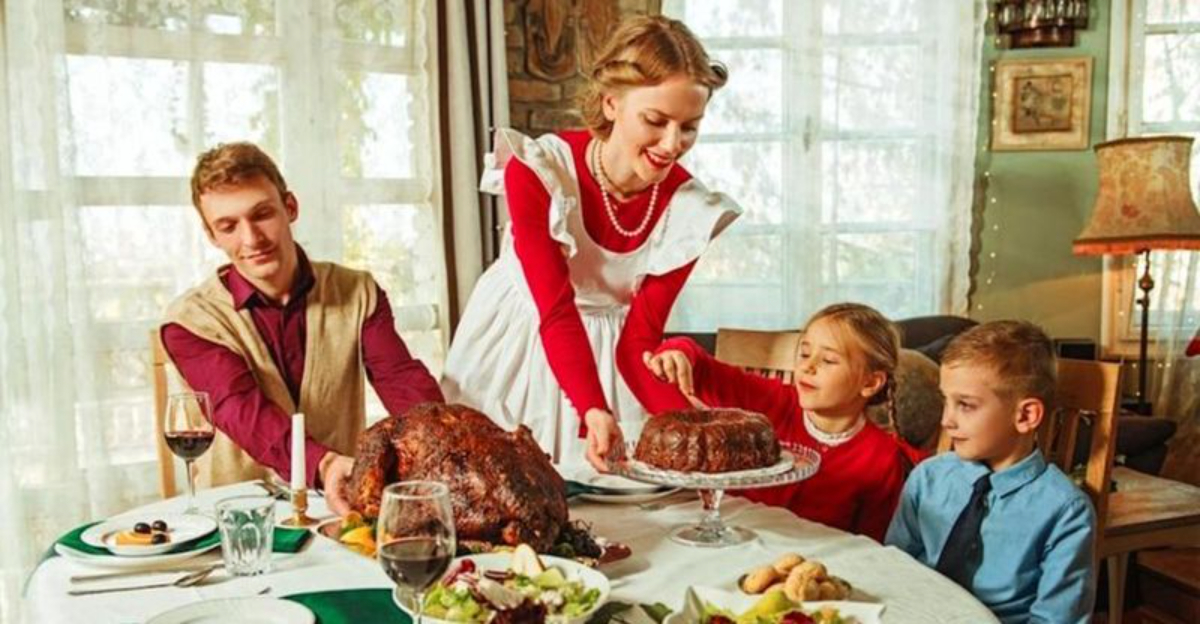
Dinner in 1960s Indiana looked nothing like the quick, casual meals kids know today. Families gathered around the table with a set of unspoken rules that kept order, taught respect, and turned supper into something more than just eating.
These expectations shaped how children behaved, how conversations flowed, and how every meal became a lesson in manners and gratitude that stayed with you long after the dishes were cleared.
No matter how hard they try, most of today’s youth just can not understand these rules.
1. Wash Up Before You Sit
Hands scrubbed, hair combed, shirt tucked. Cleanliness showed respect for whoever cooked and for the food on the table.
Nobody arrived at supper looking like they just rolled in from the cornfield. Dirt under fingernails or mud on sleeves meant a quick trip back to the bathroom sink, no questions asked.
I remember my grandmother checking behind my ears before I could even think about sitting down. She believed that clean hands made the meal taste better, and honestly, she might have been right.
2. No Hats At The Table
Caps came off at the threshold. Manners meant you didn’t shadow your face while looking someone in the eye to say grace.
Baseball caps, winter hats, even the occasional cowboy hat from dress-up play had no place once you crossed into the dining room. Heads stayed bare so everyone could see each other properly.
Respect lived in small gestures, and taking off your hat ranked high on the list. It signaled you understood this moment mattered more than whatever game waited outside.
3. Say Grace First
A short blessing set the tone. Silence fell, heads bowed, and only after amen did serving spoons start moving.
Grace wasn’t just routine. It reminded everyone that food didn’t magically appear, and gratitude belonged at the start of every meal.
Some families kept it simple; others recited longer verses, but the message stayed the same. Pausing before eating taught patience and appreciation in a world that moved slower than today’s microwave speed.
4. Dad Or Elders Served First
The head of the table got the first plate, then the guests, then the kids. Deference to age and guests was non-negotiable.
Children learned their place in the family hierarchy through serving order. Nobody complained because that’s just how things worked, plain and simple.
My father always received his portion first, followed by my mother, then us kids in age order. It taught us that respect flowed naturally when everyone knew their role at the table.
5. Milk Over Soda
A tall glass of cold milk stood by most plates, especially for kids. Soda waited for birthdays, ball games, or cookouts, not Tuesday meatloaf.
Sugar wasn’t part of everyday supper. Milk built strong bones, or so every mother insisted while pouring from the glass bottle.
Fizzy drinks felt like luxury items reserved for special occasions. Regular meals meant white milk, sometimes chocolate if you finished your chores without being asked twice.
6. No TV During Supper
The set went dark, even when the evening news hummed in the next room. Family voices beat broadcast voices every time.
Dinner meant conversation, not staring at a flickering screen. Parents wanted to hear about school, friends, and plans, not compete with Walter Cronkite.
Silence at the table felt awkward, so everyone contributed something. Stories got shared, jokes landed better, and connections grew stronger without electronic distractions pulling attention away from each other.
7. Sit Up Straight, Feet On The Floor
Chairs didn’t squeak, and knees didn’t bounce. Posture signaled attention and gratitude, not fidgeting impatience.
Slouching earned a quick correction from across the table. Proper sitting showed you took the meal seriously and respected the effort behind it.
I spent countless suppers trying not to swing my legs under the table. My mother had eyes like a hawk and could spot a slouch from three chairs away without missing a beat.
8. Napkin In Your Lap
Cloth or paper, it lived on the lap, not crumpled by the plate. Wipe, fold, and keep it tidy until you are excused.
Napkins caught spills before they reached your Sunday pants. Proper placement showed you understood the basics of civilized eating.
Forgetting your napkin meant a gentle reminder and sometimes a knowing look from your siblings. Small habits built bigger lessons about taking care of yourself and your belongings properly.
9. No Elbows On The Table
Wrists light, elbows off. Space stayed clear for passing bowls and for the person beside you.
Leaning on your elbows looked lazy and took up room that serving dishes needed. Proper arm position kept the table functional and orderly.
This rule felt impossible to follow when you were tired or bored. But one gentle tap from a parent reminded you that good manners didn’t take breaks just because you felt sleepy.
10. Ask Politely To Pass
Please pass the corn, not reaching across the green beans. Small courtesies kept dishes and tempers from spilling.
Stretching your arm over someone else’s plate ranked as bad manners. Words worked better than gymnastics when you wanted something from the other end of the table.
Saying please and thank you turned every meal into practice for real-world interactions. Politeness became automatic when you repeated it three times a day, seven days a week.
11. Take What You Touch
Hands didn’t dig for the biggest biscuit. First touch meant that the biscuit was yours, no swapping mid-pass.
Fishing through the bread basket or rearranging chicken pieces looked greedy. You picked one and moved on without second-guessing your choice.
I learned this lesson after trying to swap a smaller roll for a larger one. My father’s raised eyebrow said everything without a single word, and I never tried that move again.
12. One Meal For Everyone
Picky eaters met the plate as served. Short-order cooking wasn’t a thing; casseroles and sides taught flexibility.
Mothers didn’t take special requests or make separate meals for fussy children. What landed on the table was what everyone ate, no substitutions allowed.
Complaints about vegetables or mystery meat fell on deaf ears. You either ate what was served or went hungry, and hunger had a way of making even lima beans taste acceptable.
13. Clean Your Plate
Waste felt wrong in a generation raised by parents who remembered ration books. You finished vegetables before dreaming of dessert.
Leaving food behind meant disrespecting the cook and the budget. Every bite mattered when groceries took careful planning, and money didn’t grow on trees.
My mother would point to my half-eaten carrots and remind me about children who had nothing. That guilt worked better than any threat ever could have.
14. Dessert Only If You Earned It
Pie or pudding waited until the veggies disappeared. Sweet rewards reinforced everyday discipline.
Dessert wasn’t guaranteed just because it sat in the kitchen. You earned that slice of apple pie by finishing everything else first, including the Brussels sprouts.
This rule made treats taste even better. Knowing you worked for that scoop of vanilla ice cream added satisfaction that today’s kids might never understand fully.
15. Ask To Be Excused
Leaving quietly mattered as much as arriving on time. A quick plate check, no peas hiding under the fork, then permission granted.
Nobody just stood up and walked away mid-meal. You asked politely, waited for approval, and only then carried your plate to the kitchen.
This simple rule taught me that transitions matter. How you enter and exit situations shows character, and those lessons started at the family table every single evening.
16. Stay Until Everyone Finishes
Nobody bolted for the backyard or transistor radio. Togetherness lasted through the final sip of sweet tea or coffee.
Meals ended when the last person finished, not when you personally felt done. Patience and companionship mattered more than rushing off to play.
Sitting through those final minutes felt endless sometimes. But looking back, those moments taught me that good company beats personal convenience every time, no exceptions.
17. Second Helpings Only After Everyone Gets Served
Greed waited its turn. Once plates all around had something on them, the ladle made a second lap.
Grabbing seconds before everyone received firsts showed poor manners and worse character. Fairness meant everyone ate before anyone went back for more.
I watched my older brother eye the mashed potatoes hungrily, but he knew better than to reach for seconds early. That restraint taught us all about sharing and thinking beyond our own appetites.
18. Kids Help Set And Clear
Silverware counted out, glasses filled, dishes carried to the sink. Chores taught teamwork, often with roles divided by the customs of the day.
Supper involved everyone, not just the cook. Setting the table before and clearing afterward meant children contributed to the household rhythm.
My sister handled plates while I managed silverware. We raced to finish first, turning routine work into friendly competition that made chores feel less like punishment and more like participation.
19. Phones And Doorbells Could Wait
Rings rang out, but supper ruled. Conversation at the table outranked chatter on the line or a neighbor’s knock.
Answering the phone mid-meal interrupted everyone and made dinner feel less important than whoever called. Messages could wait thirty minutes without the world ending.
This rule created a bubble of uninterrupted family time. No outside voices competed for attention, and that focused togetherness built bonds that lasted long after the table got cleared and the dishes dried.