
12 West Virginia Dishes Locals Swear By (And Drive Back For)
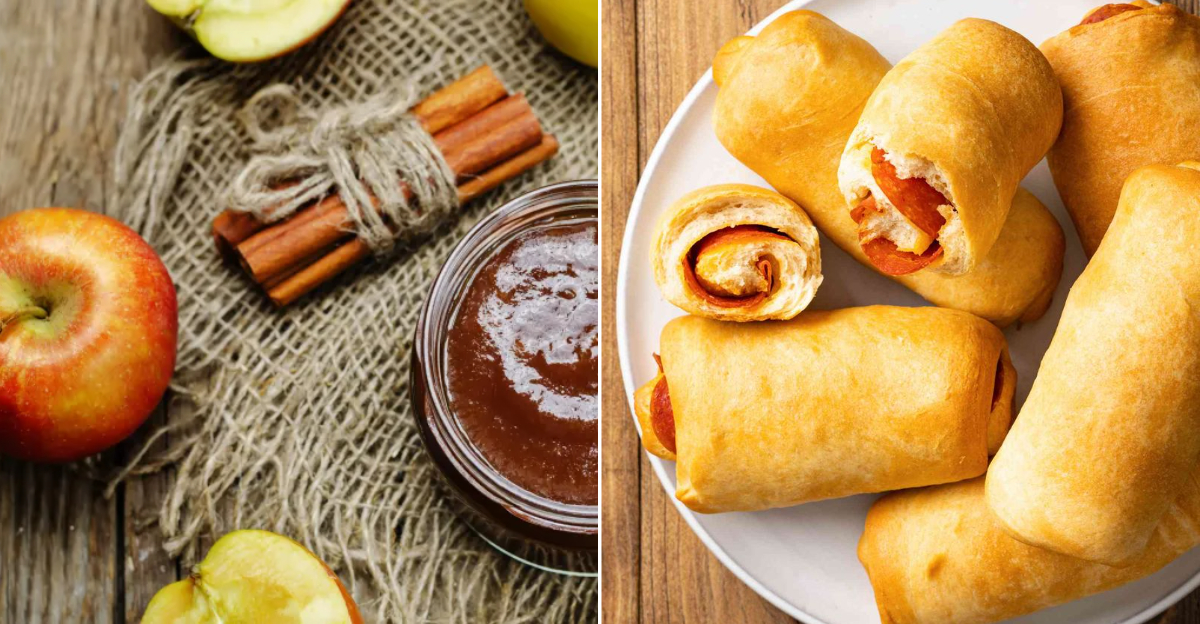
Mountain kitchens speak long before a fork is lifted. In West Virginia, I’ve followed the scent of bread rising in ovens, listened to ramps hiss in cast iron, and watched trout cleaned just hours before it hit the pan.
The food here isn’t built for show, it’s built from memory, shaped by the places and families who keep serving it. I’ve tucked pepperoni rolls into my bag like every kid in this state once did, and I’ve sliced into apple stack cake at reunions where laughter carried louder than the knife.
These dishes aren’t passing fads; they’re anchors that keep people rooted. Again and again, locals return to them, because each bite folds appetite into belonging.
1. Pepperoni Rolls
Step into a small-town bakery and the scent of rising dough mingled with spicy pepperoni oil fills the air. The atmosphere is warm and bustling.
These rolls were born in coal country as a handy meal for miners. Pepperoni tucked inside bread made lunch portable and filling. They’ve since become a statewide signature.
I first bought one hot from a Fairmont bakery. The bread absorbed the pepperoni’s oils just enough, and I finally understood why locals swear by a sack of them.
2. West Virginia Slaw Dogs
The bun nearly buckles under the weight: chili spread across the bottom, mustard streaked on top, and a pile of creamy slaw to finish. The look is messy, the flavor balanced.
This style evolved in diners and roadside stands across the state. The trio of chili, slaw, and mustard makes for an unmistakable West Virginia bite.
Locals often advise grabbing two because the first disappears too quickly. I tried that strategy once and regretted nothing, messy fingers, happy grin, and zero leftovers.
3. Soup Beans and Cornbread
The bowl arrives steaming, earthy bean aroma drifting up, with a golden wedge of cornbread on the side. The pairing looks humble but inviting.
Made most often with pintos, soup beans simmered slow were a staple through lean years. Cornbread stretched the meal, soaking up the flavorful broth.
At a roadside diner I crumbled cornbread right into the beans, copying the table next to me. The texture thickened instantly, turning a simple bowl into something that ate like comfort squared.
4. Ramps And Eggs
Sharp and garlicky, the first bite of ramps cuts through the eggs with intensity before softening into something almost sweet. The skillet’s heat fills the room with their fragrance.
Each spring, ramp festivals across the state celebrate this fleeting ingredient. Scrambling them with eggs is tradition, simple enough to let ramps stay the star.
Locals know to catch them in season between March and May. Outside those weeks, you’ll miss the chance to taste their wild bite.
5. Buckwheat Pancakes
Dark and nutty, these cakes arrive stacked, heavier than your usual flapjacks but deeply satisfying. Steam rises with a faint earthy aroma.
Buckwheat has deep roots in Appalachian farming. Fall buckwheat festivals celebrate the grain, keeping alive a practice that stretches back generations.
Savory or sweet toppings both work, though apple butter remains the local favorite. Festival-goers will tell you that swapping syrup for apple butter transforms the experience entirely.
6. Hot Bologna Sandwich
The bun steams in your hand, vinegar-based hot sauce seeping into the bread, the scent sharp and bold. It’s as straightforward as it looks.
This gas station and diner classic stacks thick slices of fried bologna inside a soft bun. The sauce delivers both tang and heat, making the sandwich unapologetically brash.
I had one in Summersville after hearing locals talk it up. By the last bite, my eyes watered, my lips tingled, and I knew why it’s considered a rite of passage.
7. Fried Bologna And Onions
The skillet crackles as slices of bologna curl at the edges, onions turning translucent before caramelizing golden. The smell is rich and homey.
Often served at breakfast tables, this dish is as straightforward as it sounds, salty meat meets sweet onion, a pairing that works at any hour.
Some diners keep it on the all-day menu. The habit of ordering it late in the evening feels less like indulgence and more like tapping into an old rhythm.
8. Apple Butter On Warm Biscuits
A fresh biscuit splits open, steam rising, while spiced apple butter spreads smoothly across its crumb. Cinnamon and clove scents lift the moment.
Apple butter has long been slow-cooked in farm kitchens, often simmered outdoors in big kettles. Paired with biscuits, it’s a fall ritual across the state.
Festival stands sometimes serve them still warm. Locals suggest buying extra jars because one taste will convince you it won’t last long once you’re home.
9. Fried Morel Mushrooms
Cornmeal batter shatters with the first bite, giving way to the mushroom’s nutty, earthy flavor. It’s crisp outside, soft inside, and unmistakably wild.
Foragers hunt morels in spring hollows, guarding their favorite spots like secrets. Frying them has become the traditional way to showcase their short-lived season.
I tried my first morels in Elkins, cooked in a neighbor’s cast-iron pan. The crunch and earthiness together made me instantly jealous of anyone who grew up expecting them every spring.
10. Rainbow Trout With Brown Butter
Skin crisps in the pan while the flesh stays tender, a drizzle of brown butter and lemon cutting through with nutty brightness.
West Virginia’s streams and rivers keep trout close to the table. Many lodges and roadside restaurants serve them within hours of being caught.
Anglers often insist the simplest preparation is best. Brown butter emphasizes freshness without hiding the flavor, making it a dish that tastes as local as the water itself.
11. Chicken And Dumplings
Steam rises from bowls where dumplings bob like pale pillows. The broth is rich, layered with chicken fat and herbs.
This dish has long filled Appalachian kitchens, stretching poultry into something both hearty and deeply satisfying. Dumpling style varies—some thin and noodle-like, others fluffy.
At church suppers and community dinners, you’ll see them side by side. Locals say both count as authentic, and the debate becomes part of the meal’s pleasure.
12. Apple Stack Cake
Layers of spiced cake alternate with cooked apple filling, the slices tall and rustic, more story than dessert.
Tradition traces the cake back to Appalachian weddings, when neighbors each contributed a layer, stacking them into a communal gift.
I had a slice at a Charleston bakery, where the apples had melted into the cake. Each bite carried cinnamon, fruit, and history together, it felt less like eating dessert and more like tasting the past.