
8 Texas Gulf Islands Locals Say Aren’t What They Used To Be
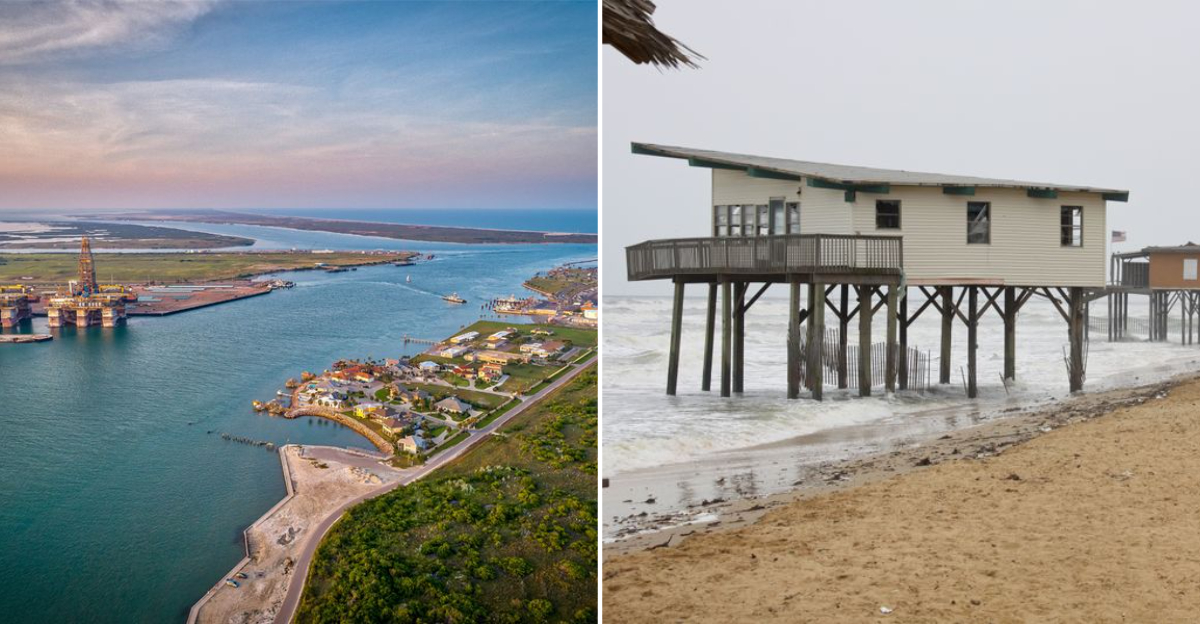
Growing up, I spent countless summers exploring the sandy shores and crystal-clear waters of Texas Gulf islands with my family.
Those carefree days felt like paradise—endless beaches, quiet fishing spots, and charming local hangouts that made each trip unforgettable.
But over the years, locals have watched as development, tourism, and Mother Nature herself have transformed these beloved coastal gems into something entirely different than what they once were.
1. Galveston Island
Remember when Galveston felt like a sleepy beach town where everyone knew your name? Those days have sailed away faster than a shrimp boat at dawn. I visited last summer and barely recognized the Seawall Boulevard—towering condos have replaced the quirky mom-and-pop motels I loved as a kid.
Traffic jams now rival Houston’s rush hour, especially during spring break and summer weekends. Finding a parking spot feels like winning the lottery, and good luck scoring a quiet stretch of sand to yourself. The charm of wandering into a local diner for breakfast has been replaced by chain restaurants and overpriced tourist traps.
Sure, the historic Strand District still has character, but even that area’s getting pricier by the minute. Long-time residents complain about rising property taxes pushing families out. Galveston’s transformation into a bustling resort destination has definitely changed its laid-back island vibe forever.
2. South Padre Island
South Padre has gone from peaceful fishing village to party central, and locals aren’t exactly thrilled about it. Spring breakers descend on this island like seagulls on French fries, transforming quiet beaches into nonstop festivals complete with blaring music and questionable decisions. My uncle, who’s lived there for thirty years, says he now takes vacations during March just to escape the chaos.
The island’s natural beauty still shines through, but massive resort developments have gobbled up coastline that once belonged to nesting sea turtles and beachcombers. Condos stretch skyward like glass and concrete giants, blocking sunset views that were once free for everyone. Rental prices have skyrocketed, making it tough for working families to afford living there.
Environmental concerns keep mounting as more construction projects threaten delicate dune ecosystems. What was once an affordable family destination now caters primarily to college kids and wealthy vacationers.
3. North Padre Island
Mother Nature hasn’t been kind to North Padre, and it shows in ways that break old-timers’ hearts. Hurricane after hurricane has battered this barrier island, reshaping beaches and destroying beloved landmarks that stood for generations. I remember camping at certain spots that have literally washed into the Gulf—gone without a trace.
Beach erosion has accelerated dramatically, swallowing sand dunes and threatening the wildlife that depends on them. The National Seashore still protects much of the island, but even that can’t stop the ocean’s relentless advance. Roads that once led to popular fishing piers now end abruptly at water’s edge.
Visitor numbers have dropped as people flock to more developed islands with better amenities. What remains is wilder and more isolated, which some folks appreciate. But long-time visitors mourn the loss of familiar beaches and the easygoing accessibility they once enjoyed during weekend getaways.
4. Mustang Island
Port Aransas on Mustang Island used to be where fishermen wore their boots to breakfast and nobody batted an eye. Now it’s where tourists wear designer flip-flops to brunch and pay fifteen bucks for avocado toast. Hurricane Harvey walloped this island hard in 2017, and what rose from the rubble looks completely different from what fell.
Reconstruction brought shiny new vacation rentals instead of the weathered beach houses with character. Property values shot through the roof, pricing out families who’d owned land for generations. The fishing village authenticity got replaced with Instagram-worthy backdrops and trendy boutiques selling overpriced seashell décor.
Long-time locals say the community spirit changed too—fewer year-round residents means less of that tight-knit island culture. Everything feels more transient now, more focused on quick tourist dollars than preserving island traditions. The beaches remain gorgeous, but the soul of Mustang Island feels forever altered.
5. Follet’s Island
Follet’s Island was the secret hideaway where locals escaped when Galveston got too crazy—emphasis on was. This skinny strip of sand between the Gulf and Christmas Bay offered nothing fancy, just pure beach bliss without the crowds. My family rented the same little beach shack there every summer until rising insurance costs forced the owners to sell.
Coastal erosion has chomped away at this island like a hungry shark, making it narrower each year. Some beach houses now sit precariously close to the water, and several have already been claimed by storm surge. The lack of seawalls or major infrastructure means nature’s winning this battle.
Property owners face tough choices between expensive protection measures or abandoning their investments altogether. What was once an affordable alternative to pricier islands has become a risky proposition. Fewer people build new homes here, and the rustic charm is slowly washing away with each high tide and hurricane season.
6. Matagorda Island
Matagorda Island remains wonderfully wild, but access has become ridiculously complicated compared to decades past. This barrier island operates as a state park and wildlife refuge, which sounds great until you realize getting there requires a boat or paying for expensive ferry service. I tried visiting last year and gave up after discovering the limited schedule and hefty fees.
Military use during World War II left behind unexploded ordnance, restricting where visitors can safely explore. Certain areas remain completely off-limits, frustrating beachcombers and anglers who remember roaming freely. The Air Force still controls the northern portion, adding another layer of access restrictions.
While preservation efforts protect incredible bird habitat and pristine beaches, old-timers miss the days when adventurous families could easily camp and fish without jumping through bureaucratic hoops. The island’s isolation has intensified, making it feel more distant than ever despite being just miles offshore.
7. San José Island
San José Island became the playground of the wealthy, and regular folks got locked out—literally. This stunning barrier island sits privately owned, accessible only by private boat or expensive charter. Growing up, my grandfather told stories of camping there before ownership changed hands and gates went up, metaphorically speaking.
The island’s pristine 21 miles of beach remain virtually untouched by development, which sounds wonderful until you realize almost nobody gets to enjoy them. No public facilities exist, no ferry service operates, and trespassing isn’t taken lightly. What was once a shared natural treasure became an exclusive retreat.
Environmental preservation happens naturally due to restricted access, creating a strange paradox—the island’s healthier ecologically but lost to public enjoyment. Long-time coastal residents resent this transformation from community resource to private paradise. Watching it from afar feels like being uninvited to a party you helped plan.
8. Pelican Island
Pelican Island’s transformation into an educational and industrial hub surprised absolutely nobody who watched Galveston expand. Texas A&M’s maritime campus dominates the landscape now, replacing the undeveloped marshland where pelicans actually nested in huge numbers. I remember kayaking around the island as a teenager and seeing hundreds of birds—now I see parking lots and research facilities.
The island lost its wild character as development prioritized economic growth over natural habitat. Shipping facilities and port operations expanded, bringing jobs but eliminating the peaceful atmosphere that gave the island its name. Those iconic pelicans? They’ve mostly relocated to quieter spots.
Connected to Galveston by a causeway, Pelican Island feels less like an island and more like an industrial extension of its larger neighbor. Old photos show a marshy paradise teeming with wildlife, but progress marched forward regardless. Educational opportunities flourish here now, though nature lovers mourn what was sacrificed.