
12 Florida Food Sayings That Outsiders Always Get Twisted
Florida speaks its own food language, and it’s easy to get lost in translation. In diners, markets, and beachside cafés, locals toss around terms that confuse even seasoned travelers.
Cuban coffee orders sound like code, seafood has names that don’t match what’s on the plate, and desserts might not be sweet at all.
These expressions aren’t just regional quirks, they’re part of daily life. Learning the lingo helps avoid mistakes at the counter and gives a deeper look into the culture behind Florida’s most beloved dishes.
1. Pub Sub Means A Publix Deli Sub
Walk into any Florida conversation about lunch and someone will mention grabbing a Pub Sub. Visitors often think this means hitting up a pub for sandwiches and drinks.
Actually, it refers to the legendary subs from Publix supermarket delis. These sandwiches have achieved cult status among Floridians, with people planning beach trips around Pub Sub stops.
The tender bread, fresh toppings, and endless customization options make them way better than your average grocery store sandwich. No bar involved whatsoever.
2. Dolphin On The Menu Is Mahi-Mahi
Seeing dolphin listed on a Florida restaurant menu can cause serious panic for animal lovers. Before you start a protest, take a breath and relax.
Restaurants are serving mahi-mahi, a delicious fish with firm white meat that tastes nothing like Flipper. The confusion comes from the fish’s other name, dolphinfish, which has zero connection to marine mammals.
Locals know exactly what they’re ordering, but tourists often need the server to explain this one. Order it grilled with some citrus and thank me later.
3. Real Key Lime Pie Is Yellow
Tourists expect Key lime pie to be bright green, like something from a cartoon. That neon color screams artificial flavoring and food coloring, not authentic Florida dessert.
Genuine Key lime pie has a soft yellow hue because real Key limes produce pale juice. The filling should be creamy and tangy, sitting on a graham cracker crust with fluffy meringue on top.
Any place serving green pie is basically telling you they used bottled juice instead of the real deal. Your taste buds will absolutely know the difference.
4. Stone Crab Season Means Claws Only
When Floridians get excited about stone crab season, newcomers picture whole crabs on their plates. The reality is much more specific and actually pretty cool from a conservation standpoint.
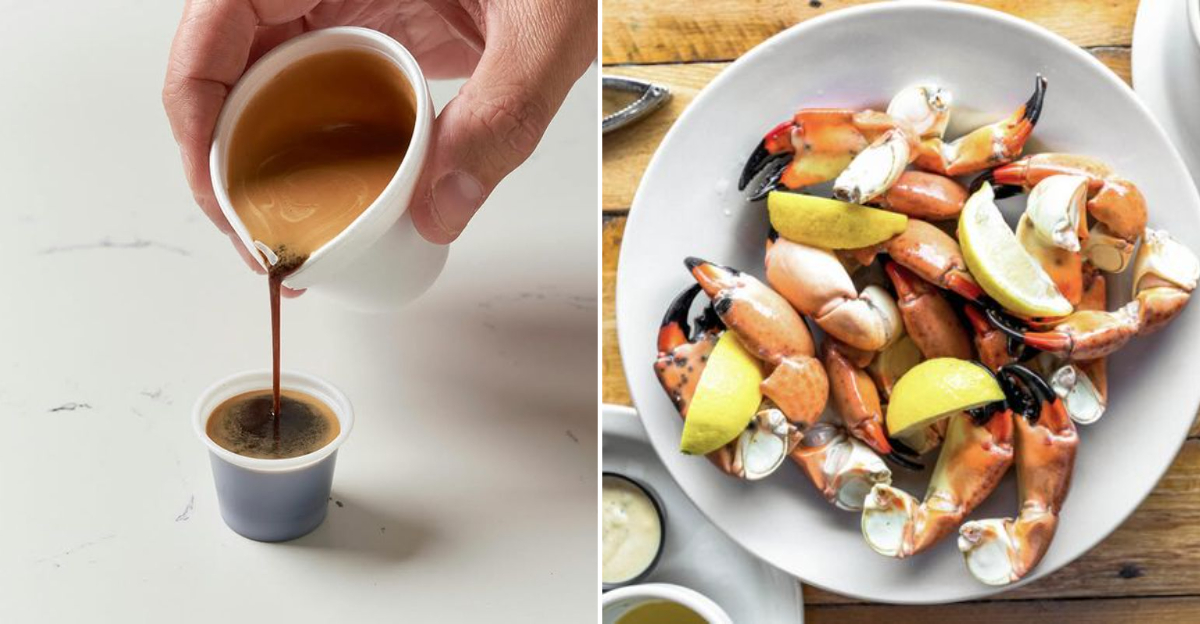
Fishermen only harvest the claws, then return the crabs to the ocean where they regenerate new ones. Season runs roughly October through May, and these claws are served cold with mustard sauce.
You crack them open to reveal sweet, tender meat that beats regular crab any day. The body stays in the water, making this a sustainable seafood choice.
5. Meet At The Ventanita Is A Cuban Coffee Window
Someone tells you to meet them at the ventanita and you’re wondering what kind of restaurant that is. Spoiler alert, it’s not a restaurant at all but a Miami tradition that runs on caffeine and conversation.
A ventanita is a little window where you order Cuban coffee without going inside. These walk-up spots dot Miami neighborhoods, especially in Little Havana, serving as social hubs where locals catch up.
You grab your cafecito, chat with neighbors, and move on with your day. It’s community building, one tiny cup at a time.
6. Order A Colada And Get Shareable Espresso
Ask for a colada at a Miami coffee window and prepare to share, because that’s the whole point. First-timers expect a sweet frozen drink with pineapple and coconut, maybe with a little umbrella.
What arrives is a large cup of strong Cuban espresso with several tiny cups for sharing. The coffee is sweetened during brewing, creating a thick, syrupy shot that packs serious energy.
You pour small amounts into each cup and pass them around your group. It’s social drinking, Cuban style, with enough caffeine to power a small city.
7. A Cortadito Is Not Café Con Leche
Ordering coffee in Miami requires knowing the difference between a cortadito and café con leche. They both have espresso and milk, but the proportions matter way more than you’d think.
A cortadito is espresso cut with just a splash of steamed milk, keeping the coffee strong and bold. Café con leche is equal parts coffee and hot milk, making it much milder and milkier.
Think of cortadito as the middle ground between straight espresso and a full latte. Getting them mixed up means your morning caffeine hit will be completely wrong.
8. Datil Is St. Augustine’s Signature Pepper
My friend once grabbed a datil pepper thinking it was a sweet mini bell pepper, and her face turned as red as a tomato. These little guys pack serious heat, rating between 100,000 and 300,000 Scoville units.
St. Augustine claims the datil as its own, using it in everything from hot sauce to ice cream. The pepper has a fruity flavor underneath all that fire, making it different from your basic jalapeño.
Locals put datil sauce on everything, while visitors learn the hard way to respect these tiny orange powerhouses.
9. Swamp Cabbage Means Hearts Of Palm
Swamp cabbage sounds like something you’d avoid eating, not order off a menu. This Florida Cracker staple is actually hearts of palm harvested from sabal palm trees.
The tender inner core gets cooked down with onions and sometimes bacon, creating a dish that tastes like artichoke hearts met cabbage. Old Florida families have been making this for generations, long before hearts of palm showed up in fancy salads.
Finding it on a menu means you’re eating at a place that respects traditional Floridian cooking. Give it a try before judging the name.
10. Smoked Fish Dip Is A Florida Classic
Visitors see smoked fish dip and assume it’s basically tuna salad with extra steps. Wrong on every level, because this spread deserves way more respect than canned tuna ever will.
Florida’s version uses locally smoked mullet or mackerel mixed with cream cheese, mayo, and seasonings. The smoky flavor combined with creamy texture makes it perfect for crackers or veggies.
Every coastal restaurant has their own recipe, and locals have strong opinions about whose is best. Comparing it to tuna salad will get you some serious side-eye from any true Floridian.
11. Key West Pinks Are Local Shrimp
Someone mentions Key West pinks and tourists immediately think the shrimp got dyed for some weird reason. These beauties are naturally pink, caught in the waters around the Florida Keys.
The pink color comes from their diet, and they taste sweeter and more delicate than regular Gulf shrimp. Locals consider them a premium product, and restaurants advertise when they’re using real Key West pinks.
They’re smaller than jumbo shrimp but pack way more flavor per bite. No artificial coloring needed when nature does the work this well.
12. Conch Is Pronounced Konk
Pronouncing conch like it rhymes with poncho will immediately out you as a tourist. The correct pronunciation is konk, rhyming with honk, and getting it wrong is like mispronouncing someone’s name.
In the Keys, conch refers to both the seafood and the people who’ve lived there for generations. You’ll find conch fritters, conch chowder, and cracked conch on every menu worth visiting.
The meat is chewy and slightly sweet, tasting like a cross between clam and calamari. Master the pronunciation before ordering or locals will know you just got off the plane.