
I Finally Ate At The Classic New York Steakhouse That Defined Manhattan Dining
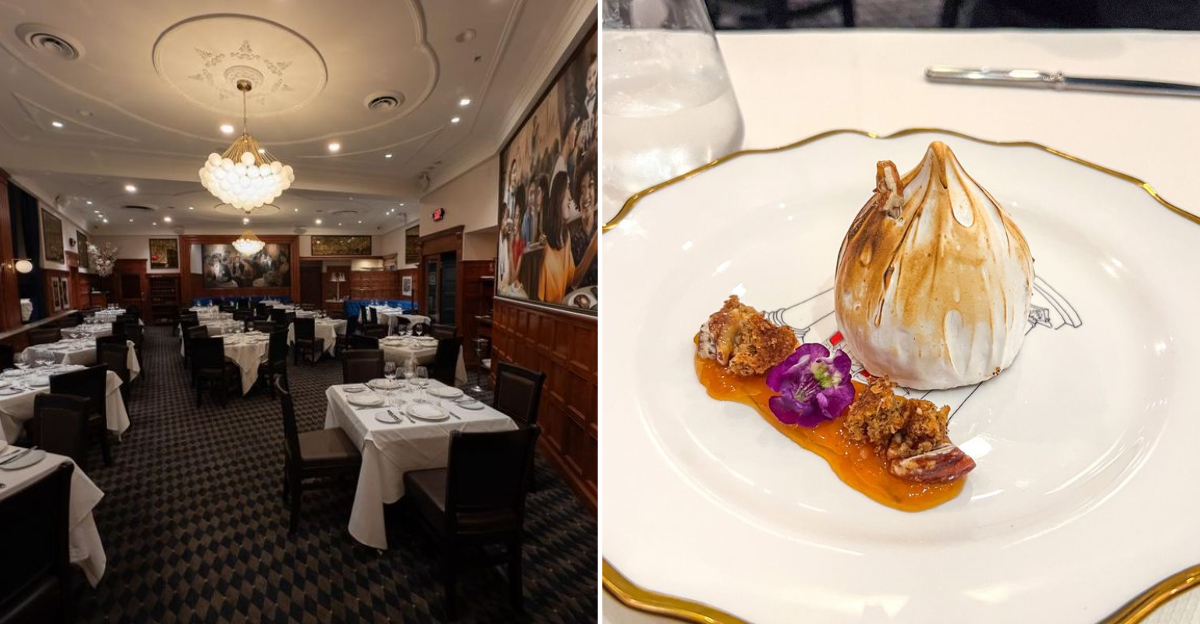
I spent years rushing past 56 Beaver Street, always on my way to somewhere else, never stopping to wonder what stories lived behind those beveled windows. Then one Thursday, I finally walked through the door that invented fine dining in America.
Delmonico’s has been feeding New York since 1827, back when the city was still figuring out what it wanted to be. This is the place that taught Manhattan how to order, how to linger, and how to turn a meal into a memory worth repeating.
It would be a shame not to know about it, and even not to visit it.
The Door I’d Walked Past For Years
You round the corner at Beaver and William, city breeze tugging at your coat, and there it is: the beveled facade at 56 Beaver Street. Inside, polished wood and low conversation signal the kind of room built for long meals and longer memories.
Reservations post right on the site, along with current lunch and dinner hours. I must have passed this corner a hundred times before curiosity finally won.
Now I wonder what took me so long to push through that door and claim my seat at the table that started it all.
A Steak With a Name That Outlived Its Cut
Say Delmonico and you’re ordering more than a steak, you’re invoking a legend. The restaurant still serves its house Delmonico to original specs, while food historians note the name long described a luxurious, thick steak rather than a single fixed cut.
Either way, the ritual is the point, and the first bite tells you why the name endured. My server brought it out with the quiet pride of someone presenting a family heirloom.
That sear, that marbling, that heft on the plate made every other steak feel like rehearsal.
Where Manhattan Dining Learned Its Swagger
The story begins as a pastry shop in 1827, then a grand restaurant by 1837 that set new rules for American dining: a serious wine list, a roaming maître d’, a menu that read like an aspiration.
Many call it the nation’s first fine-dining restaurant, a template that echoed across the city for generations.
Before Delmonico’s, eating out meant taverns and boarding houses. After, it meant occasion. Sitting in that dining room, I could almost hear the clink of glasses from a century ago, toasting deals and dreams that built this city.
Dishes That Became Cultural Shortcuts
Chef Charles Ranhofer turned inspirations into institution: Lobster Newberg, Baked Alaska, and even the much-debated Eggs Benedict.
Order them today and you taste a time capsule, a plate-by-plate history of how New York learned to celebrate at the table.
I went straight for the Lobster Newberg, that silky creation that sounds like a dare. One forkful and I understood why people still argue about who invented what.
These dishes stopped being recipes long ago. Now they’re monuments, and you get to eat them.
The Room Teaches You How To Eat Here
Coats slip onto chair backs, servers move with quiet certainty, and the à la carte rhythm invites conversation between courses. It feels ceremonial without stiffness, old New York hospitality tuned for modern appetites.
Steakhouse warmth, dining-room poise. I watched couples lean in over candlelight, business partners seal handshakes with dessert, solo diners savor every bite like meditation.
The room doesn’t rush you. It reminds you that eating well takes time, and time spent here is never wasted. This mood is what the city has chased for a century.
What To Order When You Finally Sit Down
Start strong: first the oysters, then the Delmonico steak with its rich, doorstop thickness. Add a side and save room for Baked Alaska or that famous lobster dish.
The house’s own history notes these creations still belong on the menu, and they remain the surest way to eat the legend. I went oysters, steak, Baked Alaska, and regretted nothing.
My waiter nodded approvingly when I ordered, like I’d passed some unspoken test. Trust the classics here. They became classics for a reason, and that reason tastes better than experimentation ever could.
Timing, Logistics, Sanity
Weeknights hum, weekends bloom, holidays become a parade. Current hours show lunch on weekdays and dinner nightly, with a slightly earlier start on Sundays.
Book ahead, arrive five minutes early, and let the clock run slow once you’re seated. I made the mistake of trying to walk in on a Friday at seven. The host smiled kindly and suggested I return with a reservation. Lesson learned.
This is not a place you stumble into. You plan for it, anticipate it, and when you finally sit down, you surrender to the pace it sets.
Why It Still Defines Manhattan Dining
Because Delmonico’s isn’t only serving dinner, it’s serving continuity, a living link between the city that was and the appetite that remains.
Firsts matter here, so do signatures, but what lingers is the standard it set for how New York eats when someone wants to mark a moment.
Walking out onto Beaver Street after my meal, I understood why this place endures. It holds the blueprint for every special occasion, every power lunch, every anniversary dinner that followed.
The city changes, but the need to celebrate over a perfect steak never will.