
This Louisiana Parish Proves Where Gumbo Truly Reigns
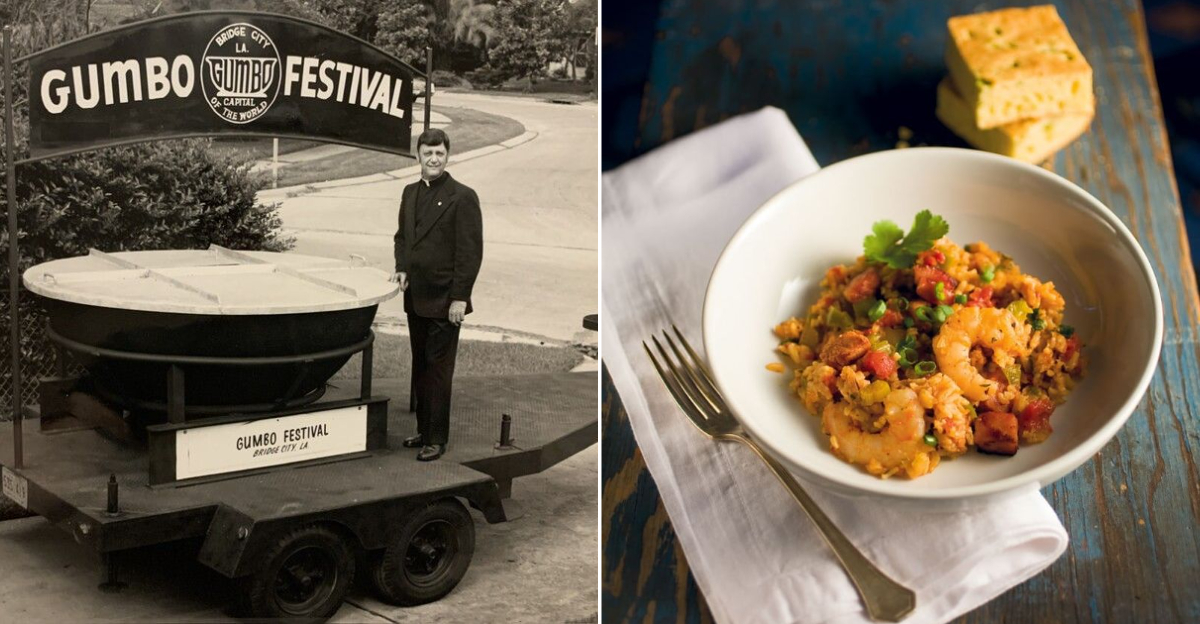
In Louisiana’s bayou country, gumbo takes center stage at the World Championship Gumbo Cookoff in New Iberia. Every October, the parish transforms into one vast kitchen, with streets lined by tents, steaming pots, and the sound of music carrying through the air.
Teams stir cast-iron cauldrons with wooden paddles, each recipe guarded yet generously shared with strangers who line up bowl in hand. I drove down those roads and found myself swept into the current, eating, listening, and laughing alongside locals who treat this dish as a kind of inheritance.
What I felt most was how gumbo here is more than food. At New Iberia’s festival, it’s history and belonging simmered into every spoonful.
Legislative Title: Gumbo Capital
The festival signs say it plainly, but the weight feels heavier than paint. Chackbay holds Louisiana’s official “Gumbo Capital” title, and you can sense the pride when locals point it out.
That recognition came from the state legislature, confirming what parish families already knew: gumbo is heritage here. The label elevated the dish into civic identity.
Treat your first bowl with care. Locals see it as more than food, and respect for tradition makes you part of the moment.
Three-Day October Tradition
Lights flicker on Friday night, guitars tune up, and the weekend hum begins. By Saturday, the midway swells, families gather at long tables, and steam from gumbo pots curls into the air.
The tradition spans decades, unfolding over three days each October. Each day carries its own rhythm: Friday casual, Saturday peak, Sunday finale with the heaviest crowds.
Visitor habit: pace yourself. Come early for smaller lines, return Saturday for music, and close with a final bowl on Sunday afternoon.
Diverse Gumbo Varieties
The smells collide, smoky sausage, briny crab, shrimp folded into dark roux. Walking through tents feels like drifting through a spectrum of recipes.
Cooks prepare both chicken-and-sausage and seafood pots, each with slight changes in spice or thickness. That diversity keeps lines moving; there’s always another style to try.
I started safe with sausage gumbo and ended with a seafood bowl that blew me away. The shift in flavor felt like tasting two versions of the same hymn.
Volunteer Spirit
Before sunrise, locals gather around giant pots, some stirring, others hauling trays or wiping tables. The hum of their work sets the tone for the day.
Church groups, krewes, and neighborhood families keep the festival alive year after year. They measure spices by hand, ladle with care, and give the event its steady backbone.
Thank them when you can. Their energy is invisible to many, but without their labor, the gumbo wouldn’t flow nearly as smoothly.
Live Music & Dance
Accordion notes mingle with fiddles, then the zydeco beat rises under the tent. The dance floor fills quickly, from toddlers to grandparents, shuffling and twirling in sync with the sound.
Music here isn’t background—it’s stitched into the rhythm of gumbo. Cajun and Creole traditions guide the stage, pulling people in between bowls.
Don’t be shy. Even if you don’t know the steps, joining in is welcomed, and the dancing makes the food taste somehow brighter afterward.
Family-Friendly Rides
The shriek of a ferris wheel cuts through the gumbo steam, a sensory collision of carnival and kitchen. Kids dart toward spinning cups while parents guard trays.
Rides anchor one corner of the grounds, giving families a reason to linger longer. They balance the festival, letting younger visitors burn energy between meals.
I loved seeing the mix, one minute a kid with powdered sugar on their cheeks, the next their parents carrying gumbo bowls. It made the place feel whole and joyful.
Flexible Payment Methods
At the booths, the exchange is smooth—cash sliding across counters, card readers beeping in quick rhythm. Transactions happen almost as quickly as ladles hitting bowls.
Festival organizers keep things easy by accepting both cash and cards. It’s a thoughtful detail that shortens lines and helps visitors focus on food, not fumbling for exact change.
Still carry some small bills. A few stalls prefer cash, and it makes grabbing drinks or sweets faster.
Saturday Jambalaya Treats
Saturday’s air changes, spices deepen, rice scents drift out of pots, and jambalaya stands proudly beside gumbo tents. The midway feels heavier with fragrance, and crowds follow the trail.
The dish blends rice, sausage, and chicken with bold seasoning. It’s a tradition layered onto gumbo weekend, expanding the menu and showcasing another Louisiana classic.
Advice: balance your plate. Gumbo stays the headliner, but a scoop of jambalaya adds variety, turning Saturday into the festival’s most indulgent day.
Sunday Gumbo Focus
By Sunday, every path leads back to gumbo pots. The crowd is largest, steam the thickest, and the anticipation has been building all weekend. Lines move steadily but never shorten.
This final day highlights gumbo alone, seafood and sausage bowls competing for loyalty, families carrying trays stacked high, and volunteers moving nonstop behind the scenes.
I joined the Sunday crowd once, shoulder to shoulder, waiting nearly half an hour. When I finally sat with my bowl, it tasted like the pure heart of the festival.
Local Krewes & Churches
Around the food tents, you notice not just volunteers but familiar groups; krewes in matching shirts, church members greeting each other while stirring pots. Their presence anchors the event.
These organizations fuel the festival, providing manpower, recipes, and spirit. The blend of civic and cultural groups keeps the tradition sustainable across generations.
Visitor tip: look for banners or shirts. They often point to which group is behind each pot, and that knowledge makes your bowl feel even more connected.
Nearby Thibodaux For Accommodation
After hours of gumbo and music, visitors often head to Thibodaux, just a short drive away. The town feels cozy, with street cafés and modest hotels dotting the center.
Its proximity makes it the go-to base for festival-goers. You can stay close, enjoy small-town Louisiana charm, and still reach the festival grounds easily the next day.
You should book early. Festival weekends fill rooms quickly, and securing a spot in Thibodaux means less driving and more time immersed in the atmosphere.