
12 South Carolina Food Sayings That Only Make Sense After Tasting The BBQ
I’ll never forget my first South Carolina barbecue joint, where the menu might as well have been written in code.
Everyone around me was ordering things I’d never heard of, speaking a delicious dialect I desperately wanted to understand.
After one bite of vinegar-tangy pulled pork and a spoonful of hash, everything suddenly clicked into place like the world’s tastiest puzzle.
1. Barbecue Means Pork
Walk into any self-respecting South Carolina smokehouse and ask for barbecue, and you’ll get pork without question. Beef brisket? That’s Texas talking. Chicken? Maybe at a church picnic.
Around here, barbecue has one meaning, and it’s been smoking low and slow since your great-grandma was young.
The Palmetto State takes its pig seriously, whether it’s whole hog in the east or shoulders in the midlands. You don’t specify pork because there’s nothing else worth specifying.
2. Pass the Carolina Gold
Forget ketchup-based sauces from other states. South Carolina’s mustard-based sauce glows like liquid sunshine and tastes like tangy heaven.
German immigrants settling in the midlands brought their love of mustard, which married perfectly with smoked pork.
One taste and you’ll understand why locals guard their family recipes like state secrets.
The bright yellow color earned it the nickname Carolina Gold, and it’s worth more than actual gold to anyone who grew up dipping their meat in it at every summer cookout.
3. Hash Over Rice, Always
Newcomers stare at the menu confused, wondering what hash has to do with breakfast potatoes.
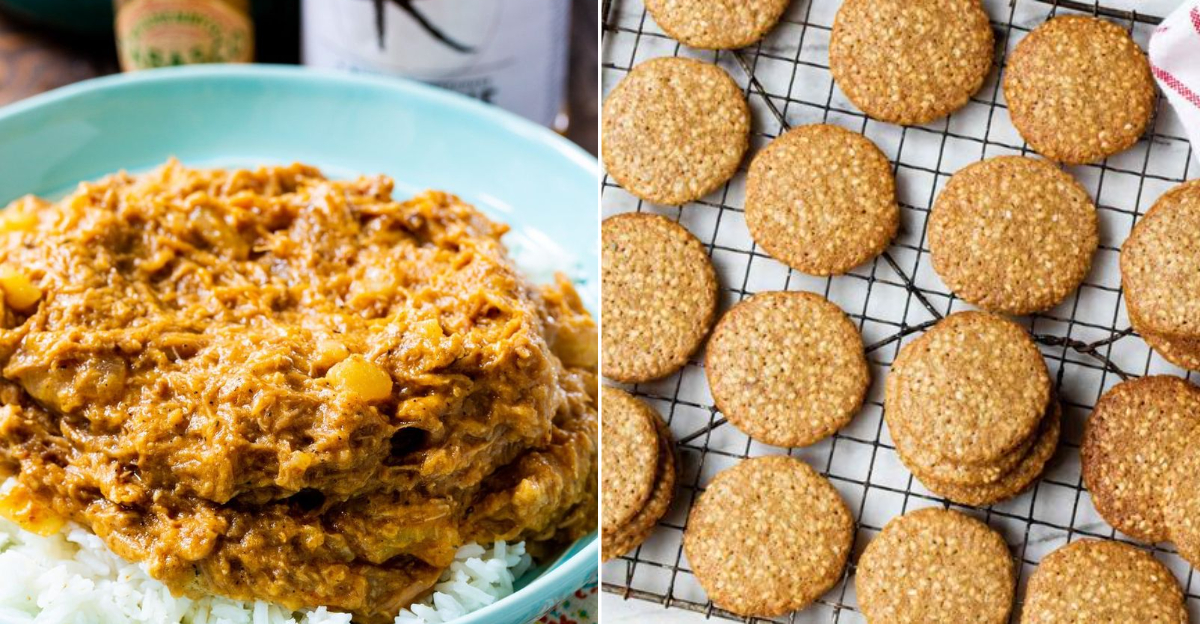
South Carolina hash is a completely different animal, literally made from various pig parts slow-cooked into a rich, thick stew.
Served over a bed of white rice, it’s the ultimate comfort food that barbecue joints offer alongside their main meats.
Some versions are smooth, others chunky, but all are deeply flavorful. You haven’t truly experienced Lowcountry barbecue culture until you’ve had hash ladled generously over your rice.
4. Chicken Bog Tonight
Despite the unappetizing name, chicken bog is pure comfort in a bowl. This one-pot wonder combines chicken, rice, sausage, and seasonings into something that feeds a crowd without breaking the bank.
Nobody knows exactly why it’s called bog, though the creamy, thick consistency might offer a clue. Families make huge batches for reunions and church suppers.
It’s not technically barbecue, but it shares that same communal spirit and love of pork products mixed with local staples that defines South Carolina food culture beautifully.
5. Perloo for the Crowd
Perloo, also spelled purloo or pilau depending on which county you’re visiting, descends from West African and French cooking traditions.
This rice-based dish gets cooked with chicken, sausage, or seafood along with vegetables until everything melds into savory perfection.
It’s the dish grandmothers make when the whole family comes over because it stretches beautifully and tastes even better the next day.
Similar to chicken bog but with its own regional variations, perloo represents the melting pot of cultures that created South Carolina’s unique food identity.
6. Frogmore Stew, No Frogs
First-timers panic when they hear the name, but relax because there’s not a single amphibian involved.
Named after a Lowcountry community on St. Helena Island, Frogmore Stew is actually a glorious seafood boil. Shrimp, corn, sausage, and potatoes get boiled together with Old Bay seasoning.
Then everything gets dumped dramatically onto newspaper-covered tables for everyone to dig in.
It’s messy, delicious, and perfectly represents coastal South Carolina’s laid-back approach to feeding people. Some folks call it Lowcountry Boil, but Frogmore Stew has more character.
7. Benne Wafers for Dessert
After all that savory barbecue and rice, you need something sweet and crunchy.
Benne wafers are delicate cookies made with sesame seeds, brought to the Lowcountry by enslaved West Africans who called them benne.
These thin, crispy treats have a nutty sweetness that’s absolutely addictive. Charleston’s historic bakeries still make them using recipes passed down through generations.
They’re the perfect ending to any South Carolina meal, light enough that you won’t feel stuffed but flavorful enough to satisfy your sweet tooth completely.
8. Charleston Red Rice, Please
This tomato-stained rice dish appears at every Lowcountry gathering worth attending.
Cooked with tomatoes, bacon or sausage, and the holy trinity of onions, celery, and bell peppers, it turns a beautiful reddish hue.
Also called Savannah red rice by neighbors to the south, Charlestonians claim it as their own with fierce pride.
The rice absorbs all the smoky, savory flavors while maintaining a slightly sticky texture. It’s the side dish that often steals the show from whatever meat it’s accompanying at the table.
9. Oyster Roast Weather
When the temperature drops and the months have an R in them, South Carolinians start planning oyster roasts.
These outdoor gatherings involve shoveling fresh oysters onto hot metal sheets, covering them with wet burlap, and letting them steam open.
Everyone stands around with shucking knives, gloves, and plenty of cocktail sauce, cracking open shells and slurping down briny bivalves. It’s cold-weather socializing at its finest.
The phrase signals that fall and winter have arrived, bringing perfect conditions for coastal celebrations centered around South Carolina’s incredible seafood bounty.
10. Hoppin’ John on New Year’s
Skip this dish on January first and you’re basically asking for bad luck all year, or so every South Carolina grandmother will tell you.
Hoppin’ John combines black-eyed peas, rice, and pork into a humble dish that supposedly brings prosperity.
The peas represent coins, and eating them ensures financial good fortune in the coming year.
Nobody’s entirely sure where the name came from, but theories range from a hopping child to a polite invitation to eat. Either way, it’s non-negotiable New Year’s eating throughout the Palmetto State.
11. Vinegar and Pepper Sauce
Eastern South Carolina keeps things simple with a sauce that’s basically vinegar, red pepper flakes, and not much else.
This thin, tangy concoction might look underwhelming, but it cuts through rich pork fat like nothing else can.
Whole hog barbecue gets dressed with this sharp, spicy liquid that enhances rather than masks the meat’s smoky flavor.
It’s the oldest style of Carolina sauce, predating the mustard and tomato variations. Pour it generously and watch how it seeps into every crevice of pulled pork perfection.
12. She-Crab Soup Season
Spring brings female crabs full of orange roe, which means she-crab soup appears on menus throughout the Lowcountry.
This creamy, sherry-laced soup gets its richness from crab meat and those prized eggs. Charleston claims to have invented it in the early 1900s when a local cook wanted to impress President Taft.
The result is velvety, elegant comfort food that tastes like the ocean took a luxurious bath.
When locals mention she-crab soup season, they’re talking about those precious months when the soup reaches its absolute peak deliciousness.