
11 Mississippi Food Sayings That Click Somewhere Between Biscuits And Greens
In Mississippi, food has a language all its own. Walk into a diner, lean on a porch rail, or sit at a family table, and you’ll hear phrases that carry recipes, customs, and history as naturally as conversation.
“Cathead biscuit,” “meat-and-three,” “mighty poor” pie, these expressions mark not just what’s being eaten, but the way people here share life around the table. Traveling through the state, I started listening as closely as I tasted, realizing that every phrase carried a flavor and a story.
Some sounded playful, some deeply rooted, all of them unmistakably Southern. What struck me most was how words and food fold together, making Mississippi’s kitchens as much about storytelling as about cooking.
1. Meat-And-Three
At noon, small-town cafés buzz with clattering trays, steam rising from collards and mashed potatoes as plates hit the counter. The rhythm is familiar: one main meat, three sides stacked proudly around it.
The phrase “meat-and-three” grew from cafeteria lines across the South, where value and choice were equally important. Mississippi diners never let the tradition fade.
I remember trying one in Jackson, fried chicken as the anchor, with mac and cheese, butter beans, and greens crowding the plate. Choosing sides was the hardest part.
2. Comeback Sauce On Everything
A ramekin of thick, orange-pink sauce lands on the table before you even ask. Its tang is part mayonnaise, part ketchup, sharpened by Worcestershire and hot sauce. Fries, onion rings, even hush puppies beg to be dunked.
Created in Jackson in the mid-20th century, comeback sauce started as salad dressing but quickly spread to every corner of the menu. Locals expect it as naturally as salt and pepper.
Pro tip: always order an extra cup. One will never last through a full plate.
3. Delta Hot Tamales
Corn husks twist at the ends, holding bundles of spiced meat and cornmeal tighter than the Mexican version. When unwrapped, they release a burst of steam and chili-scented heat.
Their history traces back to the Delta in the early 1900s, shaped by African American and Mexican laborers blending food traditions in cotton fields. What emerged became a regional calling card.
I bought half a dozen from a Greenville roadside stand. They were fiery, messy, and perfect eaten from the paper bag before I even made it to the car.
4. Cathead Biscuits
The kitchen fills with the buttery scent of dough rising, pans pulled from the oven carrying biscuits as big as a cat’s head. Their tops are golden, sides flaking in layers.
The phrase has floated through Southern kitchens for generations, but Mississippi cooks often stake particular pride in their size and tenderness. At church suppers and breakfast tables, they’re a centerpiece.
I once had one split open with cane syrup dripping down. It was hefty enough to count as a full meal on its own.
5. Pepper Sauce For Greens
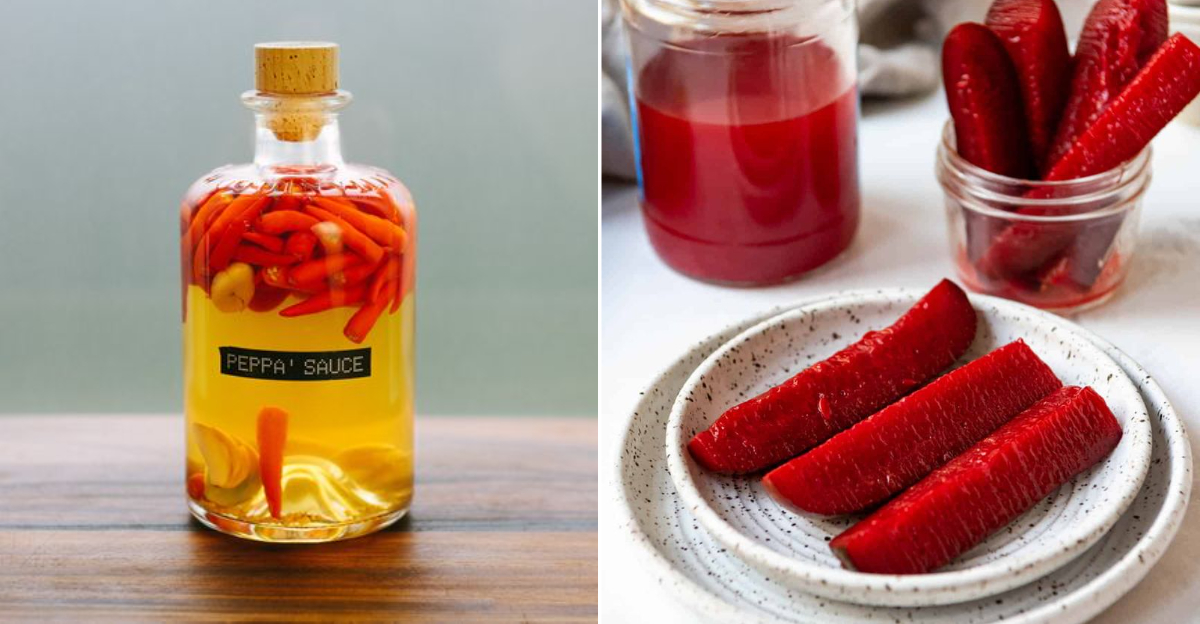
Glass bottles sit on diner tables, peppers suspended in vinegar like small lanterns. A quick shake sends bright acid spilling across collards, turnip greens, or mustard greens.
Pepper sauce became a Southern staple because it stretched the life of garden peppers, and Mississippi homes still pass bottles down like heirlooms. Greens and pepper sauce are nearly inseparable here.
The best move is restraint: a few drops are all it takes. Too heavy a hand and the vinegar drowns the greens instead of sharpening them.
6. Light Bread Means White Loaf
In country cafés, the phrase “light bread” pops up with no explanation, yet everyone seems to know what it means. Sandwiches arrive soft, simple, and made with plain white slices.
The saying dates back to the early 1900s, when white flour bread was marketed as lighter than darker loaves. In Mississippi, the wording stayed, long after advertising moved on.
I first heard it ordering a fried bologna sandwich. The cashier asked, “Light bread okay?” and suddenly a regional quirk turned into a very soft, nostalgic lunch.
7. Sweet Tea By Default
A glass of amber liquid hits the table before you even ask, ice clinking loud enough to announce it. Sugar has already been stirred in, leaving the tea cool and sharply sweet.
In Mississippi, “tea” automatically means sweet tea, a tradition rooted in the South for well over a century. Restaurants rarely clarify unless you request unsweetened.
My first sip nearly knocked me back, it was sweeter than dessert. But with enough ice melting in, the balance turned smooth and refreshing.
8. Slaw Dog
Hot dogs arrive tucked into soft buns, chili spread across the top before a scoop of coleslaw lands in a chilled heap. The contrast of hot, spicy meat and cool crunch defines it.
The slaw dog became popular across Mississippi’s drive-ins, a hybrid of barbecue flavors and diner staples. It remains a steady fixture at gas stations and roadside cafés.
A tip worth following: eat it fast. The bun soaks quickly, and part of the magic is catching the textures before they soften into one.
9. Fried Catfish Friday
On Fridays, the air around local cafés and church halls carries the unmistakable scent of frying fish. Plates arrive stacked with fillets, hush puppies, fries, and slaw.
The ritual stems from Catholic traditions of fish on Fridays, but Mississippi transformed it into a weekly cultural event that extends far beyond religion. Entire towns join in.
I timed a visit once to land on a Friday night, and the catfish was crisp, fresh, and served with a smile that made me feel like a local.
10. Koolickles
Jars of pickles dyed neon red or purple sit on counter shelves, their colors glowing like candy under fluorescent lights. Bite into one and you’ll get a briny snap mixed with sugary Kool-Aid sweetness.
This oddity was born in the Mississippi Delta, where convenience stores began soaking dill pickles in Kool-Aid to create a new flavor mash-up. The name stuck: Koolickles.
I tried a grape version once, and it was strange but addictive. Sweet, sour, salty, it pulled me in for more bites than I expected.
11. Slugburger
A thin patty hits the griddle with a sizzle, frying until crisp at the edges. Served on a bun with onion, mustard, and pickle, it looks like an ordinary burger until the first bite.
The Depression-era origin explains its twist: soy meal or flour mixed into beef to stretch supplies. Corinth, Mississippi, is the home of the slugburger, with a festival honoring it every summer.
Locals told me to add extra mustard. I did, and the tang sharpened the flavor, turning a humble patty into something surprisingly bold.