
Cooking Mistakes To Avoid with Pumpkins This Fall In Ohio
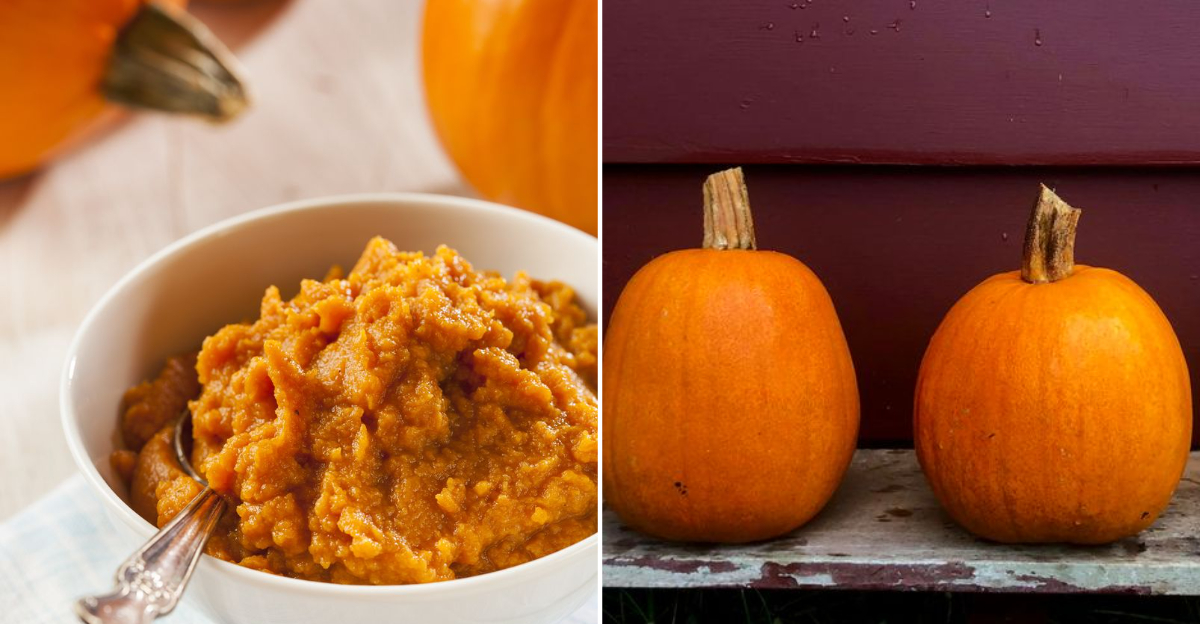
Fall in Ohio means pumpkin season is here, and I couldn’t be more excited to get cooking. From pies to soups, pumpkins offer endless possibilities in the kitchen. However, even experienced cooks can stumble when working with this seasonal favorite.
Let me share some common mistakes I’ve learned to avoid so your pumpkin dishes turn out perfect every time, filled with that cozy autumn flavor everyone looks forward to when the leaves start to change.
1. Picking The Wrong Pumpkin Type
Not all pumpkins are created equal when it comes to cooking. Carving pumpkins might look impressive on your porch, but they’re watery and stringy inside, making them terrible for recipes.
Sugar pumpkins or pie pumpkins are what you want for cooking. They’re smaller, sweeter, and have dense flesh that creates rich flavor.
I learned this the hard way my first fall in Cleveland when I tried making soup from a giant carving pumpkin. The result tasted like watery disappointment, and I wasted hours on something nobody wanted to eat.
2. Leaving Seeds And Strings Behind
Getting lazy with pumpkin prep will haunt your final dish. Those stringy bits and leftover seeds create unpleasant texture and can make your puree grainy or lumpy.
Grab a sturdy metal spoon and scrape thoroughly until the inside walls are smooth. Some people use ice cream scoops, which work great for getting into corners and curves.
Take your time with this step. I used to rush through it until I bit into a pumpkin muffin with a chewy string inside, which pretty much ruined breakfast for everyone at the table.
3. Drowning Your Pumpkin In Liquid
Pumpkins already contain plenty of moisture, so adding too much water or broth turns your dish into a soupy mess. This mistake ruins the concentrated flavor you’re trying to achieve.
When roasting pumpkin chunks, skip adding water to the pan entirely. For soups, start with less liquid than you think you need because you can always add more later.
The natural water content will release during cooking anyway. Trust the process and let the pumpkin shine without drowning it in unnecessary liquid.
4. Cooking Pumpkin Until It’s Bone Dry
Overcooking pumpkin is just as bad as undercooking it. When you leave it in the oven or on the stove too long, the flesh dries out and loses its natural sweetness and creamy texture.
Roasted pumpkin should be tender enough to pierce easily with a fork but still moist inside. For puree, cook just until soft, then remove it immediately from heat.
Set a timer and check frequently near the end of cooking time. Dried out pumpkin tastes bland and makes baked goods crumbly instead of moist.
5. Ignoring Soft Spots And Mushy Skin
Soft spots on a pumpkin aren’t just cosmetic issues. They signal that the pumpkin is past its prime and starting to rot from the inside out.
When you cook with a compromised pumpkin, you risk bitter flavors and potential food safety problems. Always press gently on the skin before buying, checking for firm, consistent texture throughout.
Look for pumpkins with hard rinds and no mushy areas. A little dirt or stem damage is fine, but avoid anything that feels squishy when you squeeze it.
6. Skipping The Draining Step For Puree
Homemade pumpkin puree holds way more water than canned versions. If you skip draining it, your pies will be runny and your breads will turn out gummy and dense.
After blending or mashing your cooked pumpkin, line a strainer with cheesecloth and let it sit for at least thirty minutes. You’ll be shocked at how much liquid drips out.
Last Thanksgiving, I forgot this step and my pie filling never set properly. My aunt still brings it up every year, calling it my famous pumpkin soup pie, which isn’t the legacy I wanted.
7. Forgetting To Blind Bake Your Crust
Nobody wants a soggy bottom on their pumpkin pie. When you pour wet filling directly into raw crust, the bottom stays pale and undercooked while the top browns.
Blind baking means partially cooking your crust before adding filling. Line it with parchment paper, fill with pie weights or dried beans, and bake for about fifteen minutes.
This creates a barrier that keeps the crust crispy even after you add the pumpkin mixture. Your pie will slice cleanly instead of turning into a mushy disaster on the plate.
8. Using The Wrong Pie Dish Material
Your choice of pie dish affects how evenly your pumpkin pie bakes. Dark metal pans absorb heat quickly and can cause excessive browning on the bottom before the filling sets.
Glass or ceramic dishes distribute heat more evenly, giving you better control over the baking process. They also let you peek underneath to check if the crust is browning properly.
Avoid disposable aluminum pans if possible. They’re thin and conduct heat unevenly, often leaving you with burnt edges and a raw center that nobody enjoys eating.
9. Trusting Your Oven Without Checking
Ovens lie all the time. Even if you set yours to three hundred fifty degrees, the actual temperature inside might be twenty or thirty degrees off in either direction.
This causes pumpkin pies to crack, split, or remain undercooked in the center. Invest in a cheap oven thermometer and check the real temperature before baking anything important.
When my oven ran hot last October, every pie I made developed huge cracks across the top. Once I calibrated the temperature properly, my pies came out smooth and beautiful every single time.
10. Mixing Puree Like You’re Making Smoothies
Overmixing pumpkin puree breaks down its structure and releases excess moisture, turning it thin and watery. You want to blend just until smooth, not whip it into oblivion.
Use a fork or potato masher for small batches, or pulse briefly in a food processor. Stop as soon as you achieve an even consistency without lumps.
Aggressive mixing also incorporates too much air, which creates bubbles that expand during baking and cause cracks. Treat your puree gently and it will reward you with perfect texture in your finished dishes.