
This Montana Valley Makes Time Stretch With The Light
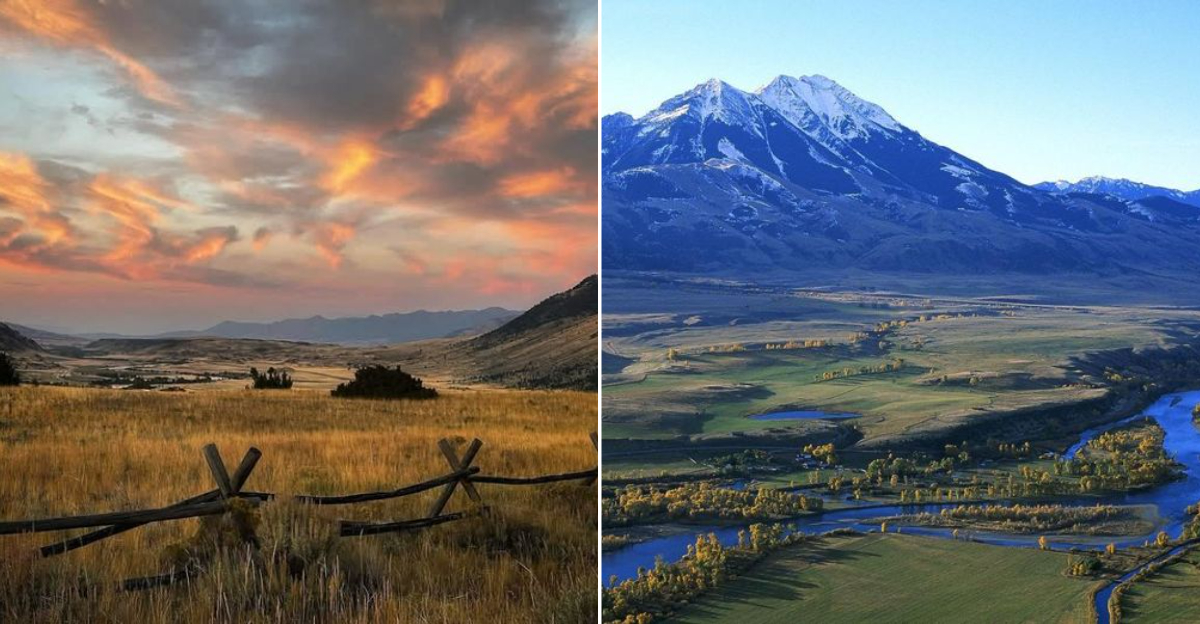
Paradise Valley has a way of making hours stretch until they feel almost fluid. The Yellowstone River winds through its center, flashing silver as it moves between mountain walls, while the Absarokas rise and shift color with every angle of the sun.
I spent mornings watching mist rise off the water and evenings when the sky seemed reluctant to darken, holding onto gold, then rose, then violet. People come here for the trails, the campsites, the hot springs, but what lingers most isn’t any one stop.
It’s the sensation of time loosening its grip, of days measured by light and quiet rather than by clocks. In Paradise Valley, rhythm belongs to the landscape itself.
Emigrant Peak Crowns The Skyline
Morning light catches Emigrant Peak in a way that stops conversation. Its snow-lined ridges reflect pink, then fade to silver as the sun climbs higher. Even in summer, the mountaintop keeps streaks of white that remind you of the valley’s altitude and rawness.
Long before the valley drew tourists, the Crow people recognized the peak as a guiding presence. Today, it still serves as a compass for travelers crossing Highway 89.
Standing beneath it, you feel anchored, as though the mountain has claimed the sky for itself.
Highway 89 Traces The Yellowstone
There’s something addictive about following a road that never strays far from water. Highway 89 runs in tandem with the Yellowstone River, sometimes only a stone’s throw away. Every bend teases a new vista — ranch fences, cottonwoods, and blue-gray mountains peeking over your shoulder.
This route has always been a lifeline, linking the valley’s small towns with Yellowstone National Park. Generations have traveled it for trade, ranching, and now adventure.
It isn’t about the destination here. The road insists you slow down, matching the river’s own unhurried rhythm.
Mallard’s Rest Offers Boat Ramp And Campsites
Tucked off the main highway, Mallard’s Rest greets you with cottonwood shade and the shuffle of boats sliding into the water. Campers cluster near the riverbank, kids tossing stones while anglers ready their rods. It has the easy energy of a place that balances activity and calm.
Locals know it well. Families return year after year, while guides launch drift boats for long days chasing trout downstream.
I love how mornings here feel suspended, steam rising from coffee, oars dipping quietly, and the Yellowstone glowing in the first light.
Pine Creek Falls Makes A Quick Forest Hike
Water announces itself before you even see it. Pine Creek Falls tumbles through a narrow gorge, filling the air with mist and the kind of thunder you feel in your chest. The trail winds through lodgepole pines, light breaking in dappled patterns across the path.
This short hike has always been a favorite for families and day-trippers, a tradition dating back decades. Even locals who’ve walked it countless times speak of it with fresh reverence.
When you arrive at the falls, the noise drops every thought you brought with you.
Loch Leven Adds Riverside Sites And A Launch
Riverside camping doesn’t get much closer than at Loch Leven. Tents scatter right against the Yellowstone’s edge, the sound of water stitching itself into every dream. Anglers ease into the current at dawn, while rafters push off for longer floats downstream.
The site’s history runs with the river itself. For generations, it has served as both a launch point and a landing, a marker in the valley’s evolving outdoor story.
Loch Leven isn’t just a place to camp, it’s a reminder that rivers connect lives as much as landscapes.
Yankee Jim Canyon Brings Splashy Rafting Miles
The canyon walls narrow, the water quickens, and suddenly the Yellowstone roars. Yankee Jim Canyon is the valley’s adrenaline spike — a stretch where rafters grin through spray while guides call paddle strokes over the current. The sound is part laughter, part whitewater chaos.
Even from shore, it’s a spectacle. Locals often stop just to watch rafts weave through the standing waves, cameras catching sprays frozen in light.
I’ve rafted it once, and the memory clings, the water colder than expected, the thrill both terrifying and addictive.
Chico Hot Springs Pairs Soaking And Supper
Steam curls up from outdoor pools where mountain air cuts crisp and clean. The warm mineral water feels restorative, especially when the valley temperature dips at night. Lanterns glow against the hills, turning a simple soak into a mountain ritual.
Chico’s story runs back to the early 1900s, when travelers first came for its healing springs. Over time, the lodge and dining hall grew into a full retreat.
Many say it’s a must-stop in Paradise Valley, where hot water and hearty meals meet seamlessly.
Yellowstone Hot Springs Warms An Evening Soak
A few miles north of the park gates, another set of pools offers a quieter soak. Here the water carries a gentler mineral scent, and the views roll out toward the Yellowstone River and beyond. The stars are dazzling on a clear night, mirrored faintly in the still pools.
The springs opened more recently, designed with modern decks and clean lines. They feel purpose-built for long, reflective pauses.
This isn’t just a hot spring, it’s a stage for the valley sky to perform above you.
Sacajawea Park Is An Easy Riverfront Picnic
Just off downtown Livingston, this park unfolds with wide lawns and shaded trees brushing the Yellowstone River. Families spread quilts, kids chase frisbees, and the sound of water gives everything a steady rhythm. The Bridgers rise in the distance, blue and softened by haze.
The park honors Sacajawea, the Shoshone guide whose story threads through the region. It’s both a gathering space and a nod to history.
I’ve stopped here on road trips, it’s the kind of spot that convinces you to linger longer than planned.
East River Road Reveals The Best Valley Angles
This road winds along the Yellowstone River with sweeping views that frame the Absaroka range. Every bend seems designed for pauses, with pullouts that invite you to stop and take it in. Early or late light softens the ridges, giving the whole drive a cinematic quality.
The route has long been a favorite of artists and photographers. Locals know its overlooks as prime spots for capturing the valley’s character.
Travelers who take East River Road quickly learn that the scenic detour feels more rewarding than the direct route.
Sunrise Paints The Absarokas In Soft Gold
The first light of day brushes across jagged peaks, casting a glow that feels almost delicate. Mist often curls along the riverbanks, adding a dreamy layer to the scene. The hush of early morning sets the mood, with only the call of birds to break it.
Indigenous stories and pioneer journals alike note the valley’s dawns, often described as sacred. Watching it now connects you to that shared reverence.
Those who rise early discover that sunrise here feels like a gift, quiet, fleeting, and worth seeking out.
Sunset Turns The Cliffs Copper And Rose
By evening, the valley shifts into a stage of deep shadows and radiant cliffs. Rock faces glow in shifting tones, from fiery orange to a gentle rose, while the sky lingers in pastels. The transformation is slow enough to watch, but dramatic enough to stun.
This ritual closing of the day has drawn generations of visitors who stand in awe at the same hour. Locals still make time to pause for it.
I’ve stood here myself, watching the cliffs catch fire, few sunsets have left me that still and present.
Shoulder Seasons Keep Crowds Thin
Spring and fall transform the valley into a quieter haven, with trails less traveled and roads that feel almost private. Colors shift dramatically, from wildflower bursts in May to fiery cottonwoods by October. The air carries a crisp edge that makes every breath refreshing.
Historically, these shoulder months meant locals had the place largely to themselves, fishing, hiking, and gathering without the summer rush. Visitors today can still share in that privilege.
Personally, I think these in-between seasons are the best time to see the valley breathe naturally.
Pack Out Everything And Keep It Quiet
A simple sign at the trailheads reminds everyone: leave no trace. The valley’s beauty isn’t just in its mountains and rivers, but in the silence that lets them speak. Respect for the land has kept it pristine for generations.
History tells us that Paradise Valley grew popular slowly, with locals always insisting on a gentle footprint. That ethic remains vital for today’s visitors.
I’ll admit, the quiet here feels sacred. Following the rules isn’t a burden; it feels like gratitude in practice.