
10 New Jersey Shore Towns Locals Say Have Lost Their Original Magic
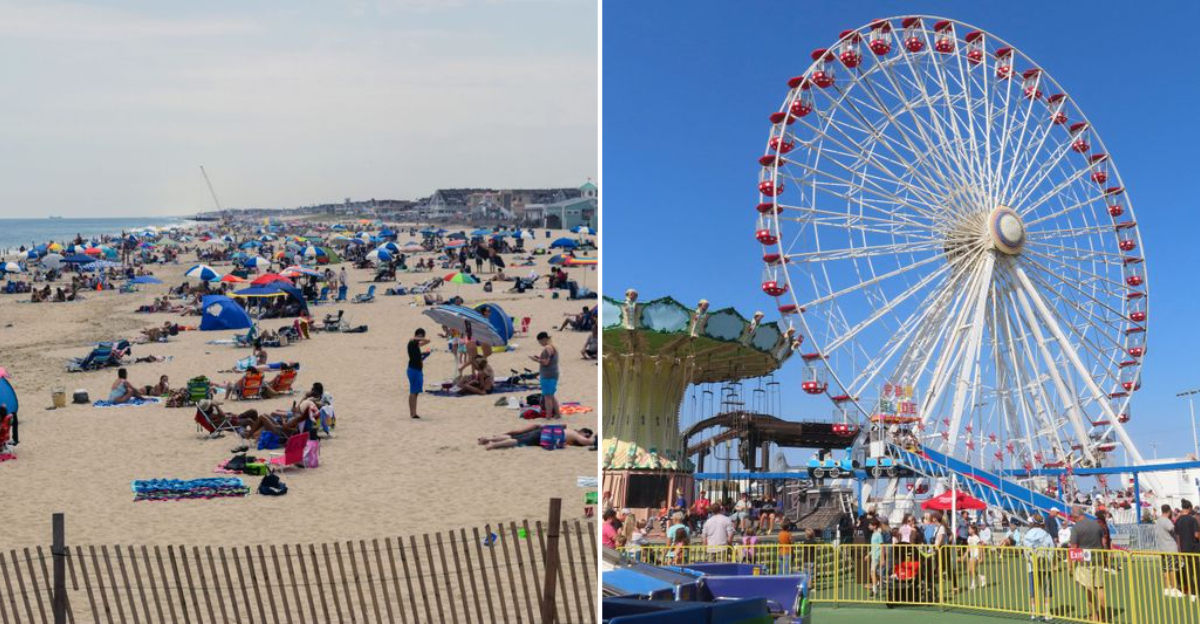
The New Jersey Shore remains an iconic summer escape, yet for generations of locals, the soundtrack of the season has fundamentally changed. We remember these towns before the high-rise condos eclipsed the sun and before every family restaurant became a chain.
his isn’t about resisting change entirely, it’s about mourning the loss of authentic character. The magic-that specific, intangible feeling of unspoiled coastal life-has been replaced by traffic, high rents, and the relentless noise of commercialism.
1. Asbury Park
Redevelopment has turned this music-loving artist haven into something unrecognizable for those who remember the old days. Big luxury condos now tower over streets where funky galleries and dive bars once thrived. Commercial gentrification keeps pushing out the creative soul that made Asbury Park special in the first place.
Longtime residents grumble that the town’s character vanished somewhere between the construction cranes and upscale boutiques. What used to be gritty and authentic now feels polished and corporate. Rent hikes force out the musicians and artists who gave Asbury its heartbeat.
Walking the boardwalk today feels like visiting a different town altogether. Fancy restaurants replace the diners where locals used to gather over coffee. The magic got traded for profit margins.
2. Atlantic City
Once crowned as America’s Playground, Atlantic City has ridden an economic rollercoaster that left bruises on its reputation. Casino closures became so common that locals stopped being surprised when another one shut its doors.
The old magic that drew families and honeymooners for generations simply isn’t there anymore. Empty storefronts outnumber bustling shops on stretches of the famous boardwalk. Many locals say the glamour and excitement their parents talked about feels like ancient history now.
What remains is a shadow of the resort town that once sparkled with possibility. Saltwater taffy shops still survive, but the energy feels tired. Atlantic City’s glory days seem permanently stuck in sepia-toned photographs.
3. Seaside Heights And Seaside Park
Condo construction changed the skyline faster than anyone could have predicted in these twin shore towns. A more polished resort look replaced the gritty party-boardwalk atmosphere that defined summer nights for decades.
My cousin used to rent the same beach house here every August, and she swears the whole place got a personality transplant. The wild, carefree energy that made Seaside Heights infamous has been smoothed over and sanitized. What locals grew up with-the messy, loud, unapologetic fun-has either softened or disappeared completely.
Now everything feels designed for Instagram rather than genuine memories. Fancy condos attract different crowds. The rough edges that gave these towns character got sanded down to nothing.
4. Wildwood And North Wildwood
Overcrowding on summer weekends has turned what used to be manageable chaos into genuine frustration for locals. The boardwalk culture shifted as new crowds brought different expectations and behaviors.
Parts of town that felt safe and welcoming now require extra vigilance during peak season. Locals who could once navigate the boardwalk easily now avoid it entirely on certain weekends. The free-spirited beach vibe got replaced by tension and overcrowding.
Beach erosion fights and repair disagreements added fuel to an already smoldering fire of discontent. Longtime families question whether their beloved Wildwood will ever feel like home again. Change arrived fast and left little room for nostalgia.
5. Long Branch
Rapid condo development transformed Long Branch from a sleepy working-class seaside town into something far more expensive. Pier Village and new luxury projects brought upscale shopping and dining that priced out longtime locals.
Families who lived here for generations found themselves unable to afford property taxes that skyrocketed with development. The town’s relaxed, blue-collar charm got swapped for marble lobbies and valet parking. Walking through certain neighborhoods now feels like touring a real estate catalog rather than a community.
Old-timers miss the days when Long Branch felt like a secret the rest of the world hadn’t discovered yet. Now it’s all about luxury and exclusivity. The working-class soul got renovated right out of existence.
6. Long Beach Island
Overbuilding turned charming beach blocks into construction zones that seemed to never end on Long Beach Island. McMansion replacements swallowed up the modest cottages that gave Beach Haven and Surf City their cozy character. .
The island’s old small-house charm is vanishing faster than sandcastles at high tide. Where families once knew every neighbor in their beach block, towering homes now block ocean views and create shadows. Residents lament losing the tight-knit community feel that made summers here so special.
I remember visiting my aunt’s tiny beach bungalow here as a kid, squeezed between similar cottages in a friendly row. Now a massive house three times the size sits on that same lot. The island’s soul got bulldozed for square footage.
7. Ocean City
Growth in tourism brought crowds that Ocean City’s infrastructure wasn’t quite ready to handle gracefully. Development pressures changed the skyline and the quiet rhythms that locals once relied on for peaceful summers. .
Some locals say Ocean City feels nothing like the quiet family beach of their childhood anymore. Traffic jams replaced easy parking, and packed restaurants made spontaneous dinners nearly impossible. The town that prided itself on wholesome family fun now struggles with its own popularity.
What used to feel like a secret retreat now resembles every other overcrowded shore destination. The peaceful mornings and uncrowded beaches belong to memory now. Ocean City became a victim of its own success.
8. Point Pleasant Beach
Bigger boardwalks and expanded nightlife brought visitor behavior problems that mounted with each passing season. Officials and residents found themselves caught between preserving local character and managing the tourist influx that paid the bills.
The family-friendly vibe that defined Point Pleasant Beach for generations started feeling threatened by rowdy crowds. Late-night disturbances became common enough that locals began avoiding their own town on summer weekends. What used to be a manageable balance between residents and visitors tipped too far in one direction.
Longtime families watch their beloved beach town struggle with an identity crisis. Stricter enforcement and new regulations attempt to restore order but can’t recapture what’s been lost. Point Pleasant Beach is still standing, but its soul feels bruised.
9. Belmar
Rebuilt and modernized boardwalks brought investment that changed everything longtime summer families remembered about Belmar. An influx of upscale businesses replaced the casual beach-town shops where flip-flops and sunscreen were the fanciest things for sale.
What used to be laid-back and accessible now leans toward boutique and exclusive. Locals who could once afford summer rentals here find themselves priced out by rising costs. The town’s personality shifted from easygoing beach hangout to polished resort destination.
My parents used to rent the same Belmar apartment every July for a week of simple beach living. Those modest rentals are long gone, replaced by sleek condos with price tags that make your eyes water. Belmar traded its soul for stainless steel appliances.
10. Cape May
Commercialization slowly chipped away at the Victorian charm that made Cape May feel like stepping into a time capsule. Tourism marketing turned the town into a brand rather than a living community where people actually raised families.
The historic preservation that should have protected Cape May’s character instead created a museum-like atmosphere. Everything feels curated and staged for visitors rather than authentic and lived-in. Longtime residents struggle to find affordable housing in a town that prioritizes tourist accommodations over community needs.
What was once a functioning town with genuine history became a theme park version of itself. Locals feel like background actors in someone else’s vacation photos. Cape May’s magic got preserved in amber but lost its heartbeat.