
9 Idaho Foods That Outsiders Always Mispronounce (And Locals Just Shake Their Heads)
I still remember the first time I confidently ordered “o-WEE-hee” toffee at a Boise candy shop and watched the cashier’s friendly smile freeze in place.
That was the moment I learned Idaho’s food scene isn’t just rich in flavor—it’s rich in language, too. Our culinary landscape is a melting pot of Native American traditions, Basque heritage, French explorers, and modern global influences, all blending into something uniquely Idahoan.
But with that history comes a few tricky words that can trip up even seasoned travelers. Whether you’re dining downtown or exploring small-town cafés, pronouncing these names correctly instantly earns you local respect.
1. Owyhee Butter Toffee
Boise’s sweetest secret comes wrapped in a name that trips up nearly everyone who isn’t from around here.
The Idaho Candy Company’s famous Owyhee Butter Toffee bears a name straight from history books—it’s an old-timey spelling of Hawaii, dating back to when Hawaiian trappers explored the region. Say it oh-WYE-hee, not oh-WEE-hee or OH-why-hee.
This buttery, crunchy treat has been a local favorite for generations, showing up in gift baskets and care packages sent across the country. When you grab a box, you’re not just buying candy—you’re taking home a piece of Idaho’s pioneer past. The name honors those early explorers who left their mark on our rivers, mountains, and yes, our dessert tables.
2. Pintxo
Boise’s Basque Block is a cultural treasure, and if you’re not saying PEEN-choh, you’re definitely outing yourself as a newbie.
These small bar bites—sometimes spelled pincho—are the heart of Basque dining culture, served on toothpicks and meant to be enjoyed with friends. I learned this the hard way when I called them pin-EX-oh at Bar Gernika and got a friendly but firm correction from the bartender.
Think of them as Idaho’s answer to tapas, but with deeper roots in our state’s Basque heritage. Sheepherders from the Pyrenees brought this tradition to Idaho over a century ago, and it’s stuck around ever since. Whether you’re grabbing chorizo, peppers, or cheese, just remember: the X sounds like a CH, and locals will nod approvingly when you order another round.
3. Bruschetta
Every Italian restaurant in Idaho serves this classic appetizer, yet half the diners still mangle it at the table. It’s broo-SKET-uh, not broo-SHET-uh, though plenty of folks get away with the softer version depending on regional Italian dialects. The key mistake? Pronouncing it broo-CHET-uh, which makes Italian grandmas everywhere weep into their tomatoes.
Idaho’s tomato harvests and fresh basil make this dish especially popular during summer months, when local ingredients shine brightest.
Toasted bread, ripe tomatoes, garlic, olive oil—simple perfection that deserves to be ordered correctly. Next time you’re at a Boise bistro or a Coeur d’Alene trattoria, practice that hard K sound in the middle. Your server will appreciate the effort, and your taste buds will thank you for the deliciousness that follows.
4. Gnocchi
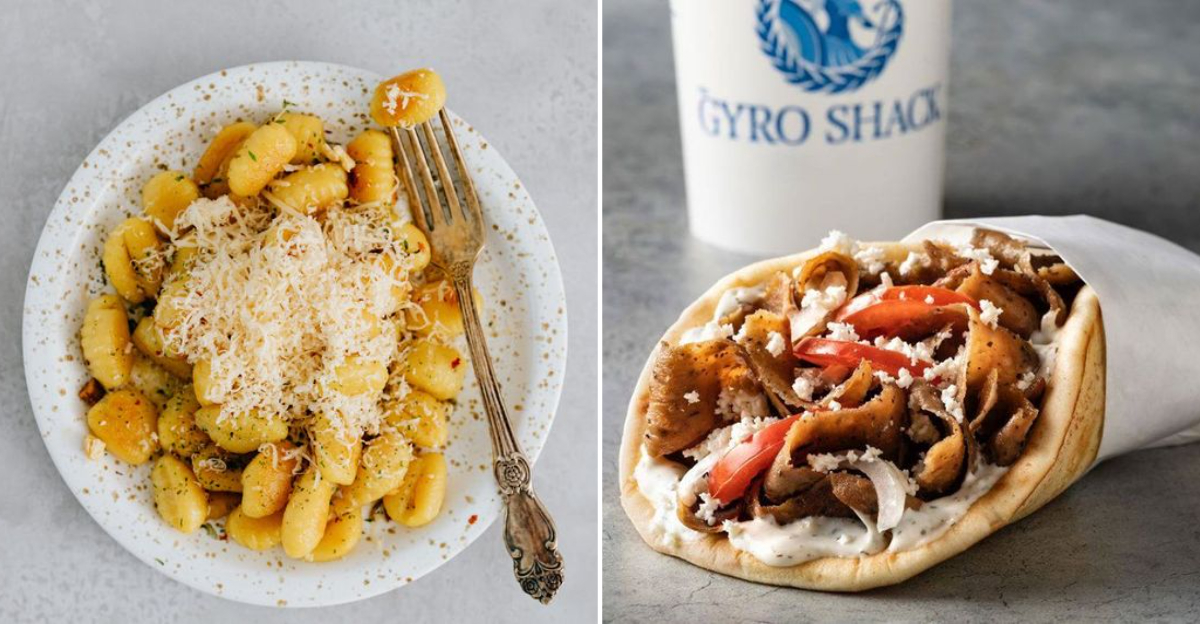
Idaho potatoes meet Italian tradition in the most delicious way possible, but only if you can say NYOH-kee without stumbling. Some folks say NOCK-ee, which is acceptable, but guh-NOTCH-ee or NOH-chee will definitely raise eyebrows. These pillowy potato dumplings are practically mandatory on Idaho menus, given our state’s famous spud heritage.
I once watched a tourist confidently order guh-NO-kee at a Sun Valley restaurant, and the entire table went silent.
The waiter kindly corrected them, and we all had a good laugh. Made from potatoes, flour, and eggs, gnocchi is comfort food at its finest—especially when it’s made from genuine Idaho russets. Master the pronunciation, and you’ll sound like you know your way around both Italian kitchens and Idaho farmland.
5. Gyro
Mediterranean restaurants have popped up all over Idaho, bringing with them a sandwich that nobody can agree on how to pronounce. The correct way is YEE-roh, though some purists accept ZHEER-oh depending on Greek regional dialects. What you absolutely cannot do is say JYE-roh, like the beginning of gyroscope, though I’ll admit I did exactly that for years before a kind server in Pocatello set me straight.
Lamb, tzatziki, tomatoes, onions, all wrapped in warm pita—it’s become an Idaho lunch staple in cities and college towns alike.
The word comes straight from Greek, meaning turn or revolution, referring to the rotating spit the meat cooks on. Get it right at the counter, and you’ll earn respect from the folks behind the grill who’ve heard every possible butchered version imaginable.
6. Pho
Vietnamese cuisine has found a loyal following across Idaho, from Boise to Idaho Falls, but the name of this beloved soup still stumps newcomers. It’s pronounced FUH, rhyming with duh, not foe like your enemy or fo like a bad abbreviation. I made this mistake exactly once at a Twin Falls pho shop, and the owner gently laughed before teaching me the right way.
This aromatic beef or chicken noodle soup has become Idaho comfort food, especially during our brutal winters when you need something hot and healing.
The broth simmers for hours with spices like star anise and cinnamon, creating layers of flavor that warm you from the inside out. Say it correctly at the counter, add your fresh herbs and lime, and you’ll feel like a regular even if it’s your first bowl.
7. Mascarpone
Tiramisu shows up on nearly every dessert menu in Idaho, and with it comes this creamy Italian cheese that people absolutely butcher. Say mah-skar-POH-nay, not MAS-car-pone or mas-car-PONE-ee. The emphasis lands squarely on that last syllable, and getting it right makes you sound like you’ve spent time in an Italian kitchen instead of just ordering from one.
This soft, spreadable cheese is richer than cream cheese and sweeter than ricotta, making it perfect for both desserts and savory dishes.
Boise’s Italian restaurants use it generously, layering it into their famous tiramisu or dolloping it onto fresh fruit. When you pronounce it correctly, your server knows you’re serious about your sweets. One taste of that velvety texture, and you’ll understand why Idahoans have fallen hard for this imported delicacy.
8. Ceviche
Idaho might be landlocked, but our Latin restaurants serve up fresh ceviche that rivals anything you’d find on the coast. The correct pronunciation is seh-VEE-chay, not seh-VEESH or SEV-itch, though I’ve heard both at Boise taco joints. This citrus-cured seafood dish has become surprisingly popular across the state, showing up on menus from food trucks to upscale dining rooms.
Lime juice chemically cooks the fish or shrimp, creating a bright, tangy dish perfect for Idaho’s hot summer days.
The first time I tried ordering it, I completely mangled the word and pointed at the menu instead, much to my embarrassment. Now I say it with confidence, knowing that the combination of fresh seafood, cilantro, and citrus makes it worth learning the proper pronunciation, no matter how far we are from the ocean.
9. Bannock
This one carries weight beyond just pronunciation—it’s tied directly to Idaho’s Native American heritage and the Shoshone-Bannock tribes. Say it BAN-uk, like ban plus duck without the D. It’s a traditional fry bread that’s been sustaining communities for generations, long before Idaho even became a state. Mispronouncing it isn’t just awkward; it’s disrespectful to the cultural history baked into every golden, crispy piece.
You’ll encounter bannock at powwows, tribal celebrations, and increasingly at farmers markets and cultural events across southern Idaho.
Sometimes it’s served plain, sometimes topped with honey or jam, and sometimes folded around savory fillings like an Indigenous taco. Learning to say it correctly honors the people who’ve kept this food tradition alive through centuries of hardship and change. It’s more than bread—it’s living history you can taste.