
12 Deserted Ghost Towns In South Dakota That History Buffs Still Visit
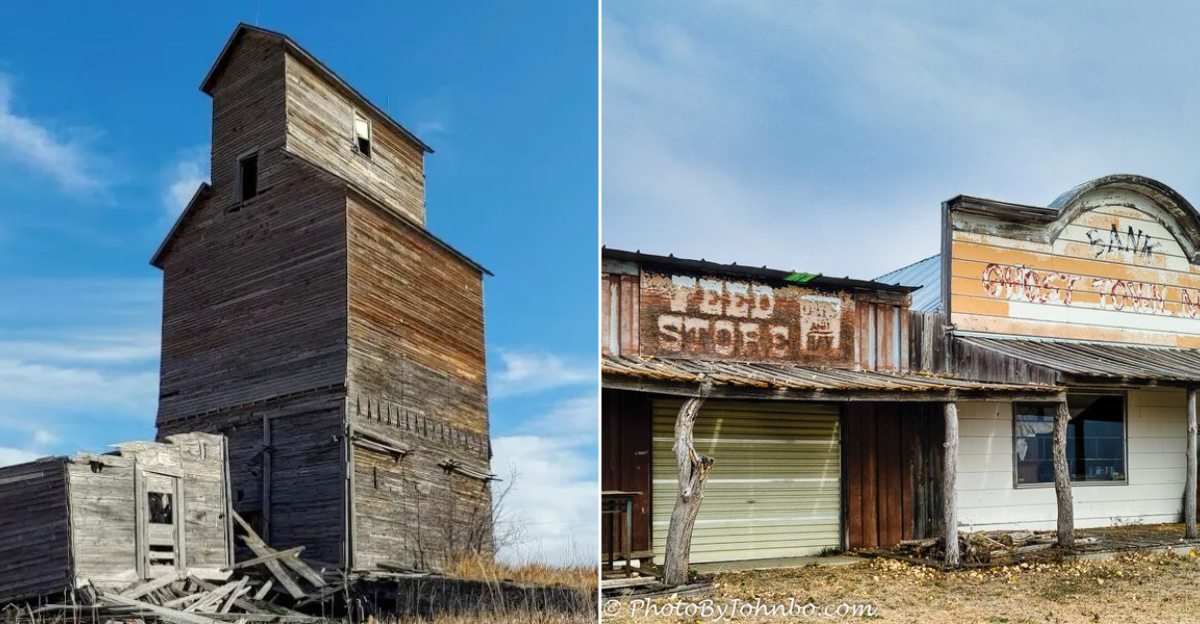
I still remember the first time I wandered through a crumbling ghost town in South Dakota, the wind whistling through broken windows as I kicked up dust on streets that once bustled with miners, merchants, and dreamers.
Every creaking floorboard and rusted relic seemed to whisper stories of boom and bust, of families who gambled everything on gold and grit.
These forgotten places are more than eerie photo ops—they’re living museums of hope, hardship, and the relentless pull of the frontier spirit. Whether you’re a history lover or simply curious, South Dakota’s ghost towns invite you to step back in time.
1. Spokane
Spokane sits quietly in the Black Hills near Custer, waiting for hikers who love a good story.
This abandoned mining camp once thrived during the gold rush, but today only scattered buildings and crumbling foundations remain. The short Spokane Ghost Town Trail makes it one of the easiest ghost towns to visit, perfect for families or anyone who wants history without the hike.
Walking through Spokane feels like stepping onto a movie set. You’ll spot old cabins, rusted mining equipment, and stone walls that hint at bustling businesses. The trail is gentle and well-marked, so even beginners can enjoy it. Bring your camera because every corner offers a glimpse into the past that’s begging to be captured.
2. Tinton
Tinton was once a bustling hub where miners chased dreams of tin and gold deep in the Black Hills.
Today, nature has reclaimed most of it, leaving behind crumbling walls and mysterious foundations tucked among the trees. You can reach these remains via forest roads, making it an adventure for those who enjoy a bit of off-road exploration.
SDPB featured Tinton in their history series, and it’s easy to see why. The town’s story is one of wild ambition meeting harsh reality. Wandering through the ruins, you can almost hear the clang of pickaxes and the shouts of workers. Just remember to tread carefully and respect the fragile remains that have survived over a century.
3. Galena
Galena isn’t completely deserted, which makes it even more fascinating.
A handful of residents still call this place home, living among the ruins, old schoolhouse, and weathered cemetery that dot the hillside. East of Deadwood, Galena offers a rare blend of ghost town charm and living history that you won’t find everywhere.
Every year, the town hosts the Galena Ghost Town Walk, drawing visitors eager to hear tales of miners and outlaws. You can explore the cemetery where pioneers rest, peek into abandoned buildings, and chat with locals who guard the town’s legacy. Be respectful of private property and the people who’ve chosen this quiet life. Galena proves that some ghost towns never fully die.
4. Scenic
Scenic might be the easiest ghost town stop you’ll ever make, sitting right along SD-44 en route to the Badlands.
This largely abandoned prairie town features boarded storefronts, including the famous Longhorn Saloon, that look like they’re straight out of a Western film. You can pull over, stretch your legs, and snap photos without any hiking required.
The town earned its name for good reason—the surrounding landscape is breathtaking. Once a railroad stop bustling with travelers, Scenic now stands silent except for the wind whistling through empty windows. It’s a quick detour that packs a powerful punch, reminding us how quickly fortunes can change. Perfect for road-trippers who want a taste of history without leaving the pavement.
5. Okaton
Okaton is a photographer’s dream, perched just off I-90 at exit 183 in Jones County. This railroad ghost town offers a collection of weathered buildings and fascinating relics that tell the story of a once-thriving community. No services remain, but that’s part of the charm—it’s pure, unfiltered history frozen in time.
Atlas Obscura highlights Okaton as one of the most accessible ghost towns in the state. You can wander among old storefronts, peer into empty windows, and imagine the hustle of trains arriving with supplies and passengers.
It’s an ideal quick stop for history buffs traveling cross-country. Just remember to stay safe and respect the fragile structures that have weathered decades of prairie storms.
6. Mystic
Mystic sits along the famous George S. Mickelson Trail, making it a favorite stop for cyclists and hikers exploring the Black Hills.
This historic rail hamlet still has several original buildings standing, offering a glimpse into the days when trains rumbled through these mountains. Most visitors access Mystic via the Mystic Trailhead, combining outdoor recreation with a dose of history.
The town’s name alone sparks curiosity, and the setting doesn’t disappoint. Surrounded by ponderosa pines and mountain scenery, Mystic feels like a secret hideaway. You can rest on the trail, explore the remaining structures, and soak in the peaceful atmosphere. It’s proof that ghost towns don’t have to be spooky—sometimes they’re just beautifully quiet.
7. Cascade Springs
Cascade Springs was once a fancy resort town where people came to soak in healing waters and escape city life.
Today, you can still visit Cascade Falls and the springs, now managed by the US Forest Service as a picnic area. Short paths and facilities make it easy for families to enjoy this beautiful spot without much effort.
Unlike many ghost towns, Cascade Springs invites you to linger and relax. The waterfall tumbles over rocks in a serene setting, and the springs still bubble up just as they did a century ago. You won’t find crumbling buildings here, but you will discover the natural beauty that first attracted visitors. It’s a gentler kind of ghost town, where nature has reclaimed the land in the loveliest way possible.
8. Owanka
Owanka is the quintessential prairie ghost town, with scattered structures slowly surrendering to time and weather.
Located east of Rapid City, this long-declined settlement is easy to reach and frequently photographed by visitors drawn to its lonely beauty. The empty buildings and wide-open spaces create a haunting portrait of frontier life.
Photographers love Owanka for its authentic decay and dramatic prairie backdrop. You can explore the remaining structures, but always be mindful of private property boundaries—some land is still owned by families with ties to the town’s past. Owanka reminds us that the Great Plains were once dotted with hopeful communities that couldn’t quite make it, leaving behind silent monuments to resilience and failure.
9. Rochford
Rochford hangs on by a thread, with just a few hardy souls still calling this Black Hills mining town home. Founded during the gold rush, it once boasted hundreds of residents, saloons, and businesses.
Now, weathered buildings and mining relics outnumber people, creating an eerie yet fascinating atmosphere that captures the imagination.
Visitors can explore the town’s remnants while respecting the privacy of those who remain. Old cabins, rusted equipment, and overgrown paths tell stories of boom times and hard winters. Rochford sits off the beaten path, so getting there requires a bit of determination, but that’s part of the appeal. It’s a place where past and present exist side by side in an uneasy but beautiful balance.
10. Fairburn
Fairburn is famous for two things: beautiful agates and a town that time forgot. Located in Custer County, this nearly abandoned settlement has a handful of weathered buildings and empty streets that whisper of busier days. Rock hounds still visit hoping to find the prized Fairburn agate, but most come for the ghost town atmosphere.
The town’s decline was slow and steady, not sudden like some mining camps. Walking through Fairburn, you’ll notice how nature is gently reclaiming the land, with weeds pushing through sidewalks and paint peeling from storefronts.
It’s a peaceful kind of abandonment, without drama or tragedy, just the quiet acceptance that some places are meant to fade. Bring your camera and maybe a rock hammer—you never know what treasures you’ll discover.
11. Ardmore
Ardmore was once a vital railroad stop in Fall River County, connecting farmers and ranchers to distant markets. Today, the town is largely deserted, with deteriorating buildings and empty grain elevators standing as monuments to agricultural ambitions. It’s off the main tourist path, which means you might have the place entirely to yourself.
Exploring Ardmore feels like discovering a secret. The structures are fragile, so admire from a distance and photograph carefully.
You can sense the community spirit that once thrived here, from the layout of the streets to the foundations of homes and businesses. Ardmore proves that even small prairie towns had big dreams, and their remains deserve our curiosity and respect.
12. Nahant
Nahant is one of those ghost towns that truly feels lost to time, tucked away in the remote western prairie. Few visitors make the journey, which means the scattered foundations and weathered structures remain largely undisturbed. It’s a place for serious history buffs who don’t mind a bit of adventure to reach their destination.
The isolation of Nahant is both its challenge and its charm. Standing among the ruins, you’re surrounded by nothing but grassland and sky, just as the original settlers were.
It’s easy to understand why people came here with hope and why they eventually left. Nahant offers no amenities or marked trails, just raw history waiting for those willing to seek it out and honor its quiet existence.