
20 Mississippi Dinner Table Rules From The 1960s That Would Leave Today’s Kids Wondering Why
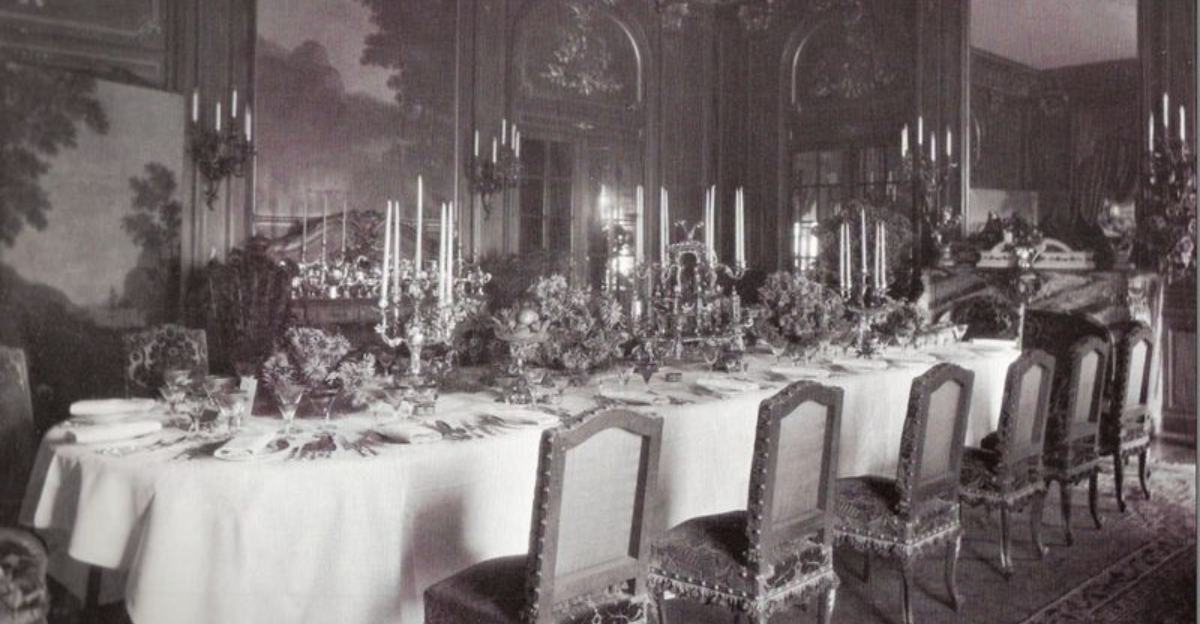
Growing up in Mississippi during the 1960s meant sitting down to supper that carried more weight than just a plate of food.
Families gathered at the same time each evening, and everyone knew their place, literally and figuratively. Elbows stayed off the table, voices softened, and “yes ma’am” or “no sir” weren’t suggestions but expectations.
The aroma of cornbread and fried okra mixed with laughter, silence, and the occasional stern look.
1. Say The Blessing Before Anyone Lifts A Fork
Prayer before meals wasn’t optional in Mississippi homes back then. Families stopped everything to give thanks, and nobody dared sneak a bite early.
This ritual reminded everyone that food was a blessing, not something to take for granted. Kids learned patience and gratitude before they even tasted their supper.
Today’s families might say a quick thanks, but back then it was a full production with everyone holding hands. The youngest child often got picked to lead the prayer, which was both an honor and a nerve-wracking responsibility.
2. Answer Elders With Yes Sir And Yes Ma’am
Respect for elders wasn’t suggested, it was required. Children addressed adults with proper titles, and anything less earned a stern look.
This rule taught kids that respect was shown through words and actions. Mumbling or giving short answers was considered rude and unacceptable behavior.
Modern kids might find this overly formal, but it created clear boundaries between generations. I remember my grandmother would refuse to respond if I forgot the ma’am, which taught me real quick to mind my manners.
3. No Elbows On The Table, Sit Up Straight
Slouching at the table was a big no in every Mississippi household. Parents believed good posture showed self-respect and consideration for others.
Elbows were supposed to stay off the table at all times, which sounds simple but felt impossible when you were tired. Kids got constant reminders to straighten up throughout the entire meal.
This rule came from the idea that how you carried yourself mattered just as much as what you said. Proper posture was seen as a sign of good breeding and home training.
4. Remove Hats Indoors Before Sitting Down
Hats belonged outside, period. Boys learned early that wearing a hat indoors, especially at the table, was downright disrespectful.
This tradition came from old-fashioned manners that viewed covered heads as casual and improper for mealtime. Forgetting to remove your cap could mean no supper until you fixed the problem.
Today, hats are fashion statements worn anywhere, but back then they were functional items with strict rules. The moment you stepped through the door, off came the hat without question or debate.
5. Wash Hands And Face Before Supper
Cleanliness came before eating, no exceptions. Kids who’d been playing outside all day had to scrub up before joining the family at the table.
This wasn’t just about hygiene, it was about showing respect for the meal and the cook. Dirty hands and faces were seen as insulting to whoever prepared the food.
Parents inspected hands and faces like drill sergeants, and anyone who didn’t pass got sent back to try again. I once got turned away three times before my mama approved, and I never forgot to wash thoroughly after that embarrassing moment.
6. Wait For The Cook Or Eldest To Take The First Bite
Nobody started eating until the person who cooked or the oldest family member took the first bite. This showed honor and appreciation for their work and wisdom.
Kids sat with full plates in front of them, mouths watering, but they didn’t dare reach for a fork. The anticipation made that first bite taste even better when permission finally came.
This tradition created a clear hierarchy at the table that everyone understood. It also gave the cook a moment to feel appreciated before the chaos of family dinner began in earnest.
7. Children Speak When Spoken To And Keep Voices Low
Kids weren’t part of adult conversations unless invited. They ate quietly and listened, learning that mealtime wasn’t their stage for performance.
Loud voices, interrupting, or talking over adults earned immediate correction. Children were expected to observe and absorb, not dominate the discussion with their own stories.
This might seem harsh now, but it taught kids to listen before speaking. The dinner table became a classroom where they learned about family matters, community news, and how grown folks handled problems without ever saying a word themselves.
8. Ask To Be Excused Before Leaving The Table
Jumping up from the table was considered rude and childish. Kids had to formally ask permission before leaving, even if they’d finished every bite.
The phrase was always the same: May I please be excused? Anything less formal wouldn’t cut it with strict parents who valued proper manners.
This rule taught patience and respect for others who were still eating. Just because you finished fast didn’t mean everyone else was done, and leaving abruptly disrupted the family time that meals represented in Mississippi culture.
9. Pass Platters To The Right And Never Reach Across Someone’s Plate
Food moved in one direction only, to the right. This prevented chaos and taught kids about orderly systems even during something as simple as passing the potatoes.
Reaching across someone’s plate was considered incredibly rude, almost like invading their personal space. If you needed something on the other side, you politely asked for it to be passed.
I once made the mistake of lunging across my brother for the cornbread, and my daddy’s look could’ve frozen fire. That was the last time I ever forgot this rule, and now I automatically pass things right without thinking.
10. Say Please When Asking And Thank You When Served
Magic words weren’t optional, they were mandatory. Every request needed a please attached, and every service required a thank you in response.
Parents viewed these words as the foundation of civilized behavior. Kids who forgot got reminded immediately, sometimes with a raised eyebrow that said everything without words.
This constant practice turned politeness into a habit that lasted a lifetime. Even asking for something as simple as the salt required proper phrasing, which might seem excessive but created respectful communication patterns that extended beyond the dinner table into everyday life.
11. Taste Everything On Your Plate And Avoid Waste
Picky eating wasn’t tolerated in Mississippi homes. You took at least one bite of everything served, no complaints allowed about what you didn’t like.
Wasting food was practically a sin when many families remembered harder times. Every scrap mattered, and throwing away perfectly good food insulted the cook and showed poor character.
Kids learned to appreciate different flavors and textures, even if they didn’t love everything. The clean plate club was real, and membership meant you understood the value of food and the effort behind preparing it for your family.
12. No Chewing Gum At The Table
Gum had no place at the dinner table, ever. Chewing gum while eating was seen as trashy behavior that no respectable family would allow.
Kids had to spit out their gum before sitting down, and keeping it in during grace was especially offensive. The smacking sounds and casual attitude gum represented clashed with the formality of mealtime.
This rule separated eating time from everything else. Meals deserved full attention and respect, not the distraction of mint or bubble gum competing with actual food flavors that someone worked hard to create.
13. Sweet Tea Sits At The Center And Is Poured For Guests First
Sweet tea was Mississippi’s liquid gold, and it had its own set of rules. The pitcher always sat within easy reach at the table’s center as the beverage of choice.
Guests received the first pour, filled to the brim with ice clinking against the glass. Family members waited their turn, demonstrating hospitality that the South was famous for practicing.
I remember my mama would make fresh tea every single day, and serving guests first was automatic. This simple act showed visitors they were valued and welcome, making sweet tea more than just a drink but a symbol of Southern generosity and warmth.
14. Sunday Dinner Follows Church And Feels More Formal Than Weeknights
Sunday dinner was the week’s main event. After church services ended, families gathered for the most elaborate meal, using the good china and fancy tablecloth reserved for special occasions.
Everyone dressed in their church clothes, and the atmosphere felt almost ceremonial. Conversations were more careful, manners more precise, and the food more abundant than regular weeknight suppers.
This tradition made Sundays feel sacred and special. The extra effort put into presentation and behavior reinforced that some days deserved more attention, and family time after worship was worth the extra fuss and formality.
15. Napkin In Your Lap And Use It, Not Your Sleeve
Napkins belonged in laps the moment you sat down. Using your sleeve, shirt, or pants to wipe your mouth was absolutely forbidden and considered barbaric.
Kids had to remember to dab their mouths between bites, especially if they were messy eaters. The napkin was your friend, and ignoring it showed you had no home training whatsoever.
This simple rule separated civilized diners from those who didn’t know better. Parents watched to make sure napkins stayed in laps and got used properly, not wadded up or left untouched while kids wiped greasy fingers on their clothes instead.
16. Do Not Season Food Before Tasting It
Reaching for salt and pepper before trying your food was a major insult to the cook. It suggested you assumed the food needed fixing before even knowing how it tasted.
This rule taught kids to appreciate the cook’s seasoning choices and not make assumptions. Tasting first showed respect for the effort and skill that went into preparing the meal.
My aunt would actually remove the salt shaker from the table if someone grabbed it too quickly. She took her cooking seriously, and pre-seasoning meant you doubted her abilities, which was fighting words in our family gatherings back then.
17. Keep The Table Clear Of Toys And Distractions
The dinner table was for eating, not playing. Toys, books, and other distractions had to stay far away during mealtime without exception.
Parents believed meals deserved full attention and focus. Bringing toys to the table showed disrespect for family time and the importance of being present with each other.
This created a clear boundary between playtime and mealtime. Kids learned to transition between activities and give proper attention to what mattered in the moment, which was sharing food and conversation with family members gathered together.
18. Help Clear Dishes In The Order They Were Served
Everyone pitched in after the meal ended, and there was a system to follow. Dishes got cleared in reverse order of how they appeared on the table.
This taught kids about organization and teamwork. Even young children had jobs, whether carrying napkins or pushing in chairs after everyone stood up from the table.
Helping clean up was part of showing gratitude for the meal. Nobody got to run off and play until the kitchen was back in order, which meant the whole family worked together to restore things properly and efficiently.
19. Compliment The Cook After The Meal
Expressing appreciation wasn’t optional. Kids thanked whoever cooked and offered a specific compliment about something they enjoyed eating that evening.
Generic thanks weren’t enough, you had to mention the crispy chicken or the creamy mashed potatoes. This showed you paid attention and truly appreciated the effort involved in feeding the family.
I still remember telling my grandmother her biscuits were fluffy as clouds, and her face lit up like Christmas morning. That moment taught me how powerful genuine appreciation could be, and I’ve never forgotten to thank cooks since that day.
20. Dessert Comes Only After Finishing Supper
Sweet treats were earned, not given freely. Kids had to clean their plates completely before even thinking about cake, pie, or pudding waiting in the kitchen.
This rule prevented picky eating and taught delayed gratification. No amount of begging changed the policy, finish your vegetables or skip the good stuff entirely without negotiation.
Parents used dessert as motivation to get kids to eat balanced meals. The reward system worked because nobody wanted to watch siblings enjoy peach cobbler while they sat there with an unfinished plate, learning that choices have consequences even at suppertime.