
This Missouri Tavern Looks Ordinary Until You Try The Burnt Ends
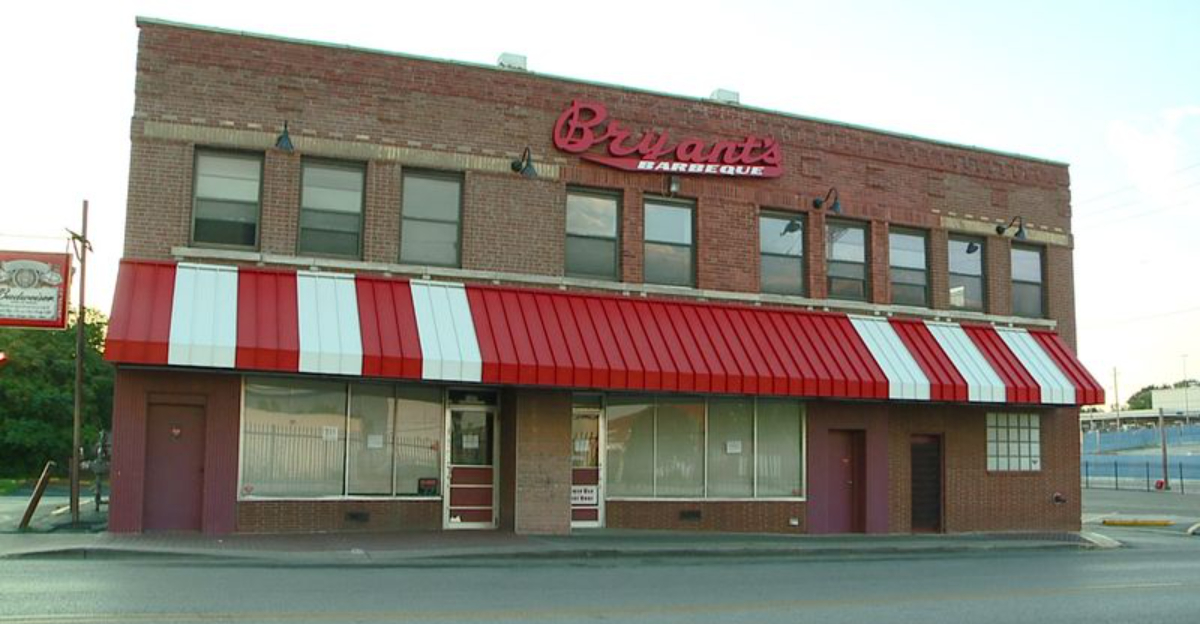
I’ll never forget walking into Arthur Bryant’s for the first time and thinking I’d made a wrong turn into somebody’s outdated cafeteria.
Fluorescent lights buzzed overhead, the tables were scratched Formica, and the whole place smelled like a campfire had moved indoors.
But then I took my first bite of those burnt ends, and suddenly none of that mattered anymore.
This unassuming Kansas City tavern proves that you absolutely can judge a barbecue joint by its smoke, not its décor.
A Kansas City Institution With Humble Roots
Arthur Bryant opened his barbecue spot back in 1930, taking over from his brother Charlie, and honestly, not much has changed since then. The building still looks like a place where your grandpa might grab lunch on a Tuesday, nothing fancy or Instagram-worthy about it. But that’s exactly the point.
What began as a tiny corner operation serving working-class folks became a pilgrimage site for anyone serious about smoked meat. Presidents, rock stars, and food critics have all shuffled through that same humble door. The magic wasn’t in the marketing or the ambiance—it was always in the pit, where patience and hickory smoke worked their slow, beautiful alchemy on beef brisket day after day.
The Birthplace Of The Famous Burnt Ends
Before Arthur Bryant made them legendary, burnt ends were just the crispy, overlooked bits trimmed off the brisket point. Pitmasters would snack on them or toss them aside, never imagining they’d become the star of the show. Bryant saw potential where others saw scraps, and he turned those crusty, flavor-packed morsels into Missouri’s most sought-after barbecue treasure.
Now, burnt ends are so popular that restaurants across the country try to replicate them, but few come close to the original. Each piece is like a little cube of smoky heaven, with a bark that crunches and an interior so tender it practically dissolves on your tongue. I’ve watched grown adults get misty-eyed over a plate of these things.
Flavor Born From Fire And Patience
Walking past the smokers at Bryant’s is like getting a bear hug from hickory itself. The briskets cook low and slow for hours—sometimes up to fourteen—until the meat reaches that perfect balance between firmness and fall-apart tenderness. There’s no rushing this process, no shortcuts, no microwave magic.
Decades of pit mastery have taught the cooks exactly when to pull each slab, how to manage the heat, and when to let the smoke work its quiet magic. The result is beef so rich and deeply flavored that it tastes like concentrated essence of barbecue. Every bite carries the weight of tradition and the patience of people who genuinely respect their craft.
No-Frills Setting, Big-Time Flavor
Forget exposed brick, Edison bulbs, or reclaimed wood—Bryant’s interior looks like a government office from 1972 had a baby with a high school cafeteria. The fluorescent lights hum like they’re gossiping about your order, and the Formica tables have seen more sauce spills than a toddler’s bib. It’s gloriously, unapologetically plain.
But here’s the thing: when your burnt ends are this good, you don’t need mood lighting or a chalkboard menu written in cursive. People aren’t here for the ambiance; they’re here because the food speaks louder than any decorator ever could. I’ve eaten in five-star restaurants that couldn’t touch the satisfaction I felt sitting on that hard plastic chair, sauce dripping down my wrist.
A Taste Of Barbecue History In Every Bite
Every burnt end at Arthur Bryant’s carries DNA from nearly a century of Kansas City barbecue culture. This isn’t fusion cuisine or some chef’s experimental twist—it’s the real deal, cooked the same way it was when Truman was in office. You’re not just eating lunch; you’re tasting a living timeline of American food history.
The recipes, the techniques, even the sauce formula have remained faithful to Arthur’s original vision. That kind of consistency is rare in a world where restaurants rebrand every five years to stay trendy. When you bite into that caramelized crust, you’re connecting with generations of pitmasters who believed that if it ain’t broke, don’t fix it.
Loved By Legends And Locals Alike
Harry Truman ate here. So did Jimmy Carter, Steven Spielberg, and Jack Nicholson. But on any given Tuesday, you’ll also find construction workers, teachers, and retirees standing in the same line, waiting for the same messy, magnificent plate of burnt ends. There’s something beautifully democratic about a place where fame and fortune don’t get you a shorter wait time.
I once stood behind a woman in scrubs who’d just finished a double shift and a guy in a three-piece suit who’d flown in from New York specifically for lunch. We all ordered basically the same thing, and we all left with the same sauce-stained smiles. That’s the Bryant’s effect—greatness that levels the playing field.
The Secret Is In The Sauce
Bryant’s sauce isn’t your typical sticky-sweet grocery store stuff. It’s tangy, peppery, and bold enough to stand up to the intense smokiness of the meat without overpowering it. The first time I tried it, my taste buds did a little happy dance—it was like the sauce and the burnt ends were made for each other in some cosmic barbecue laboratory.
That balance is what makes the experience complete. The caramelized exterior of the burnt ends brings sweetness and crunch, while the sauce adds a vinegary kick and just enough spice to keep things interesting. Together, they create a flavor symphony that’s been perfecting its tune for decades, and honestly, I could drink that sauce straight from the bottle.