
These Utah Dishes Outsiders Always Get Wrong (But Locals Instantly Recognize)
Utah has a food scene that’s completely unique, shaped by pioneer history, diverse communities, and a quirky love for certain flavor combinations that outsiders find baffling.
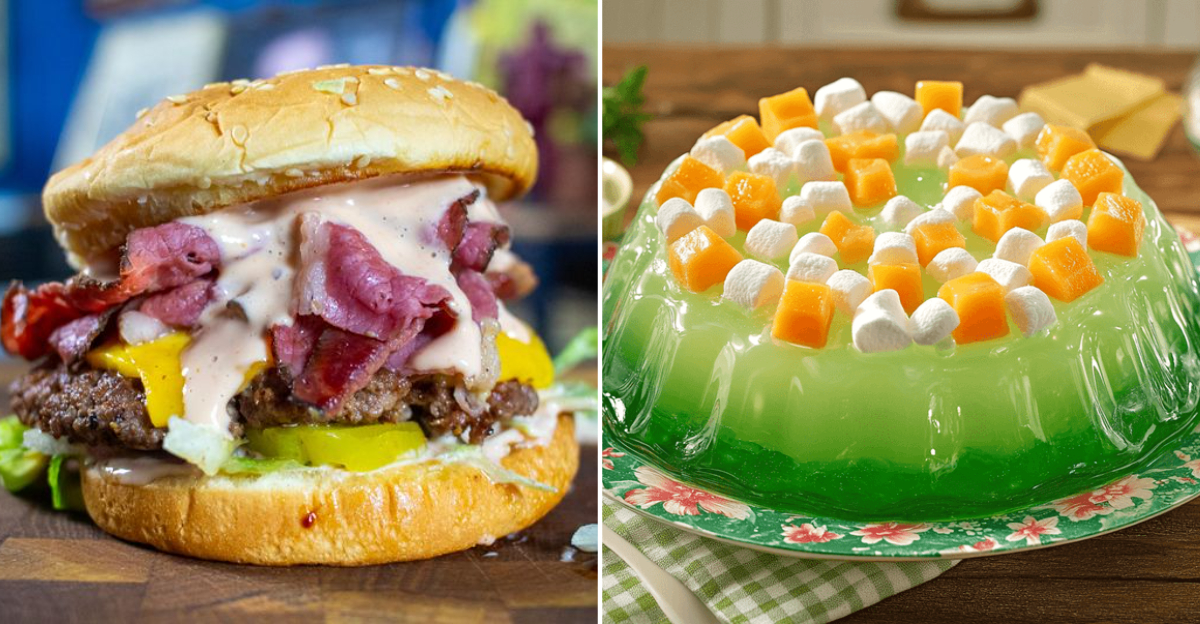
When I moved to Salt Lake City five years ago, I ordered a burger and was shocked when it came piled high with pastrami and drowned in a mysterious pink sauce.
Visitors often misunderstand these local favorites, mispronouncing names, ordering the wrong thing, or missing the point entirely.
Locals, however, can spot an outsider’s confusion from a mile away.
Fry Sauce Isn’t Just Ketchup And Mayo
Outsiders think they’ve cracked the code when they mix ketchup and mayo at home, proudly declaring they’ve made “Utah fry sauce.” Wrong! Authentic fry sauce has a specific tang and sweetness that comes from the right ratios plus secret ingredients many places guard fiercely.
I once watched a tourist at Hires Big H confidently tell the server, “No need for your sauce, I know what it is!” The locals at the next table exchanged knowing smirks. Real fry sauce has depth, a hint of pickle juice or vinegar, sometimes a whisper of garlic.
Each restaurant has its own version, and locals have strong opinions about whose reigns supreme. It’s not just condiment mixing—it’s culinary tradition passed down through generations of Utah burger joints.
Pastrami Burgers Are Stacked, Not Sprinkled
When outsiders order a pastrami burger, they expect a few dainty slices tucked politely under the bun. What arrives is a towering monument of meat that requires both hands and possibly divine intervention to eat. Crown Burgers perfected this art, and locals know to come hungry.
The pastrami isn’t garnish—it’s the main event, often matching or exceeding the beef patty in volume. I’ve seen tourists’ eyes widen in panic when their order arrives, clearly regretting their life choices. Meanwhile, regulars attack these behemoths with practiced efficiency.
Apollo Burger and Astro Burgers also serve versions that defy physics and stomach capacity. Outsiders photograph it; locals devour it. That’s the difference between visiting Utah and understanding it.
Funeral Potatoes Aren’t Actually Depressing
The name throws everyone off, making outsiders think this dish only appears at somber occasions. Actually, funeral potatoes show up at every church potluck, holiday dinner, and family gathering across Utah. They’re comfort food royalty, featuring hash browns, cream of chicken soup, sour cream, cheese, and that iconic cornflake-butter topping.
Visitors often hesitate to try them because of the morbid name, missing out on cheesy, crispy perfection. Locals grew up with this casserole at every celebration, not just funerals. The name stuck because they’re traditionally brought to post-funeral gatherings, but they’re way too delicious to reserve for sad occasions.
I brought them to a work party once, and my California coworkers were suspicious until that first bite. Now they request them constantly.
Scones Are Fried, Not Baked
British visitors have minor meltdowns when they order scones in Utah and receive puffy, fried dough instead of crumbly baked triangles. Utah scones are essentially Navajo fry bread—pillowy, fried dough served with honey butter or used as a base for savory toppings.
I watched a tourist from London nearly start an international incident at a local diner, insisting the kitchen had made a terrible mistake. The server patiently explained that in Utah, this is what scones means. Locals know to order them hot, slather them with honey butter, and never compare them to British tea scones.
They’re sold at state fairs, pioneer-themed restaurants, and roadside stands. Outsiders expect clotted cream and jam; locals expect fried perfection that makes your cardiologist weep.
Green Jell-O Is Serious Business
Outsiders laugh when they hear Utah consumes more Jell-O per capita than any other state, thinking it’s just a quirky statistic. Locals know that green Jell-O salad—often containing shredded carrots, pineapple, and mini marshmallows—is a legitimate side dish at nearly every gathering.
I attended my first Utah potluck and counted five different Jell-O salads, three of them green. My confusion was met with patient explanations about pioneer heritage and Mormon cultural traditions. It’s not dessert, it’s not exactly salad—it exists in its own sacred category.
The state even designated Jell-O as the official state snack in 2001. Visitors giggle and take photos; residents defend their wobbly green tradition with surprising passion and genuine pride.
Red Iguana’s Mole Isn’t Mexican Fast Food
Tourists wander into Red Iguana expecting Tex-Mex combo plates and walk out having experienced some of the most authentic Mexican cuisine outside of Mexico itself. Outsiders often underestimate Utah’s Mexican food scene, assuming it’s all chains and bland adaptations.
Red Iguana serves seven different mole sauces, each requiring days of preparation and dozens of ingredients. I brought friends from Los Angeles who were skeptical that Salt Lake City could deliver authentic Mexican food. After tasting the mole negro, they apologized for doubting.
Locals know to order the mole sampler and prepare for complex flavors that showcase chocolate, chilies, and spices in ways that surprise uninitiated palates. There’s often a wait, but regulars consider it a pilgrimage worth making repeatedly.
Copper Onion Isn’t Trying To Be Fancy
When The Copper Onion opened downtown, outsiders assumed it was another pretentious farm-to-table spot chasing trends. Locals recognized it as something different—genuinely good New American cuisine using Utah and regional ingredients without the attitude.
The menu changes seasonally based on what’s actually available from local farms and producers. I’ve watched tourists flip through the menu looking for Utah clichés and miss the point entirely. This restaurant shows how Utah’s food scene has matured beyond stereotypes.
Regulars know the dishes here represent modern Utah cuisine—rooted in quality ingredients and Western traditions but looking forward, not backward. The space feels welcoming rather than stuffy, and the food delivers flavor without requiring a culinary degree to appreciate. It’s where locals take visitors to prove Utah has evolved.
Apollo Burger’s Menu Is Bigger Than You Think
Outsiders see “Apollo Burger” and expect a straightforward burger joint. Locals know this chain serves an wild fusion menu combining Greek and American traditions, resulting in creations like the pastrami burger alongside authentic gyros.
The menu is massive, reflecting Utah’s ability to blend immigrant cuisines with pioneer traditions. I’ve watched confused tourists stare at the board for ten minutes, unable to reconcile Greek salads with fry sauce-drenched burgers. Regulars order confidently, knowing exactly which combinations work.
Apollo represents how Utah’s food culture absorbed and adapted influences from diverse communities. The pastrami burger here competes with the best, but the gyro meat is equally authentic. It’s not fusion for fusion’s sake—it’s how Utah actually eats.
Ordering “Extra Fry Sauce” Isn’t Weird
Outsiders feel self-conscious asking for extra fry sauce, worried they’ll seem gluttonous or unsophisticated. Locals order it by the cupful without hesitation, knowing that fry sauce is meant to be generously applied to everything—fries, burgers, onion rings, even sandwiches.
I watched a tourist whisper apologetically when requesting more sauce, while the local behind her confidently ordered four extra cups. The server didn’t blink—this is completely normal in Utah. Fry sauce isn’t just condiment; it’s a lifestyle choice and cultural identifier.
Regulars know which restaurants have the best sauce and aren’t shy about drowning their meals in it. Some even buy bottles to take home. Asking for extra fry sauce is the most Utah thing you can do, and locals spot hesitant outsiders immediately.