
The Must-Try Classic Eatery In Boston, Massachusetts That Locals Call A Timeless Favorite
I still remember the first time I walked past Union Oyster House on a crisp October afternoon, and the smell of chowder pulled me through the door like a magnet.
This Boston, Massachusetts, institution has been feeding hungry souls since 1826, making it the oldest continuously operating restaurant in America.
Locals treat it like a living scrapbook, full of stories about presidents, poets, and the oyster shucker who became a neighborhood legend. If you want to taste history and leave with a full belly, this is the place.
Meet the Classic: Union Oyster House
Boston’s timeless favorite sits on Union Street, serving diners since 1826 and holding the distinction of America’s oldest continuously operating restaurant. It anchors a block on the Freedom Trail, one short stroll from Faneuil Hall.
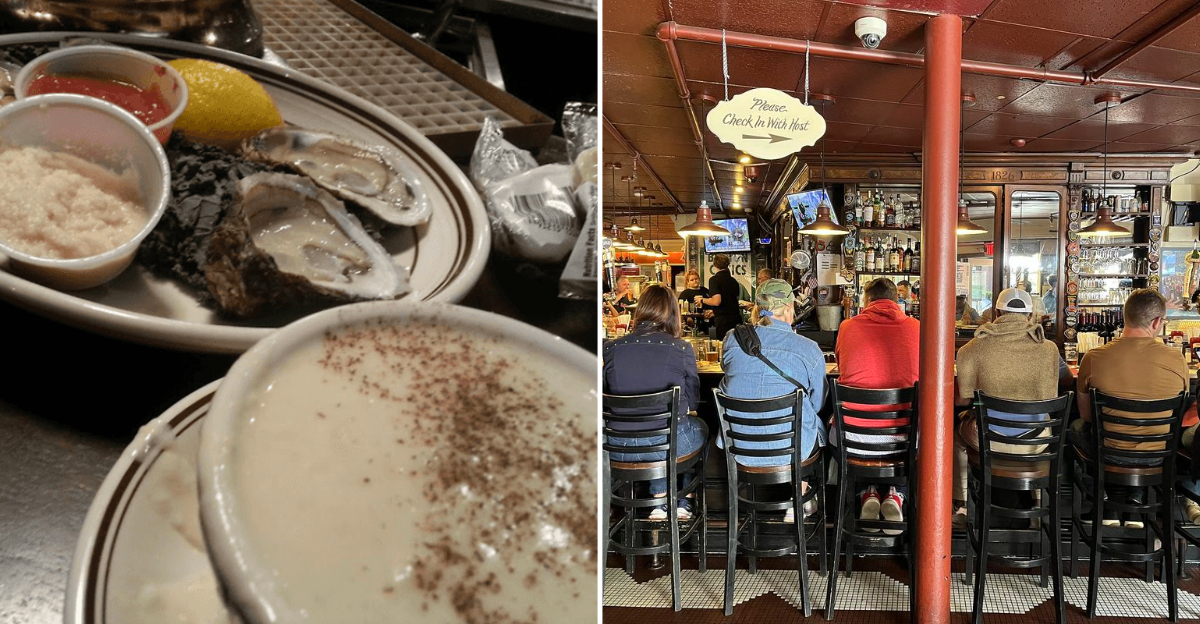
Walking inside feels like stepping into a time machine that smells like butter and brine. The original oyster bar curves along one side, and the wooden booths have soaked up nearly two centuries of conversation.
Tourists and regulars share elbow room at the counter, cracking shells and swapping stories. The staff moves with practiced ease, shucking oysters and ladling chowder like they’ve done it a thousand times, because they have.
A Building Older Than the Republic
The brick home dates to the early 1700s. Long before oysters, printer Isaiah Thomas ran the Massachusetts Spy on the second floor, and the address later became part of the Blackstone Block Historic District.
Imagine colonial-era Bostonians climbing those same stairs to read revolutionary pamphlets hot off the press. The walls have witnessed more American history than most textbooks cover.
Today, the building wears its age with pride. Floorboards creak underfoot, and the low ceilings remind you that people were shorter back then. Every corner whispers a different chapter of the city’s past.
What Locals Order First
Start at the raw bar, then move to New England clam chowder, broiled and fried seafood, a lobster roll, or the rich lobster stew that repeats on so many nostalgic lists. The current menus keep those classics front and center.
My go-to order is a half-dozen oysters followed by a steaming bowl of chowder so thick you could stand a spoon in it. The lobster stew is pure comfort in a crock, creamy and loaded with sweet meat.
Regulars know to ask what came in fresh that morning. The kitchen respects tradition but also respects the catch.
The JFK Booth, Kept Like a Time Capsule
Upstairs, a small plaque marks the booth where John F. Kennedy was known to slip in for lobster stew and quiet. Staff and regulars still point it out like an heirloom.
Sitting in that booth feels a little surreal, like borrowing a piece of Camelot for lunch. The wood is polished smooth from decades of diners sliding in and out, hoping to soak up a bit of presidential magic.
I once overheard a tour guide tell a group that Kennedy liked his stew extra hot. True or not, the story adds flavor to every spoonful eaten there.
Why Crowds Still Line Up
History, the oyster bar’s rhythm, and location bring steady lines. Reservations help at peak times, and weekday lunches can be calmer than weekend prime time.
I learned the hard way that showing up on a Saturday evening without a booking means a long wait. The host told me it would be an hour, and I spent the time wandering Faneuil Hall, which made the chowder taste even better when I finally sat down.
Booking ahead through OpenTable is smart if you’re on a tight schedule. Weekday afternoons offer shorter waits and the same great food.
Little Legends You Hear at the Bar
Stories float with the steam: Daniel Webster and his oyster habits, and the claim that the toothpick found its American footing here in the late 1800s. Lore or not, the tales taste like Boston.
One bartender told me Webster used to down six plates of oysters in one sitting, chased with a drink and conversation. Another swears the toothpick story is gospel, complete with a merchant who imported them from South America.
Whether every detail is true hardly matters. The legends season the experience, turning a meal into a conversation with the past.
A Living Landmark, Not a Museum
Union Oyster House is a National Historic Landmark, designated in 2003. The badge matters, but the bigger story is continuity: the place still cooks for everyday Bostonians and curious travelers.
Some historic sites feel frozen behind velvet ropes, but this one hums with life. Waiters joke with regulars, cooks holler orders, and the clatter of silverware on plates sounds like a heartbeat.
The landmark status means the building is protected, but the real magic is that it never stopped being a neighborhood spot. History here is served hot and fresh, not under glass.
Practicals Before You Go
Find it at 41 to 43 Union Street. Open daily for lunch and dinner, typically from late morning into the evening; check the official site for the latest hours or book on OpenTable.
Parking in downtown Boston can be tricky, so I usually take the T to Haymarket or Government Center and walk a few blocks. The restaurant sits right on the Freedom Trail, so you can fold it into a day of sightseeing.
Dress code is casual, and they welcome families. Bring cash for tips, though cards work fine for the bill.