
18 Oregon Recipes That Locals Defend Like Coastal Treasures
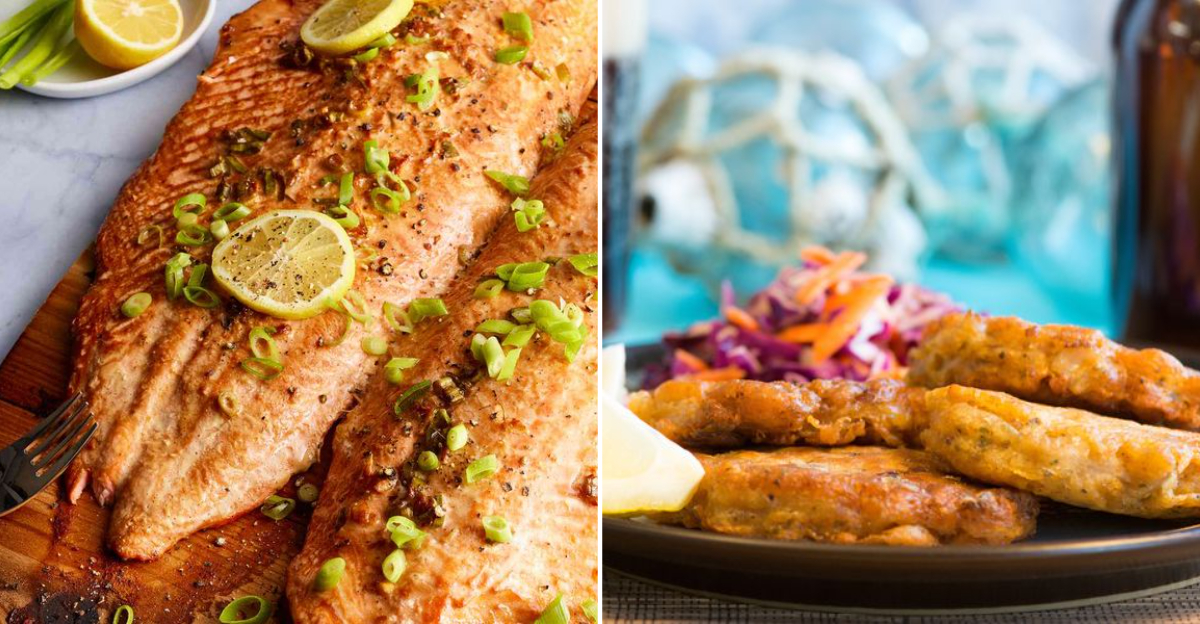
You’ve seen the waterfalls and tasted the Pinot Noir, but the true keepers of Oregon’s soul are found in its kitchens. Locals here don’t just cook; they guard recipes like the location of a legendary tide pool.
These aren’t the dishes found on every tourist menu-these are the 18 essentials, from coastal chowders to mountain mushrooms, that inspire genuine territorial defense. Get ready for recipes so intrinsic to the Oregonian identity, residents might ask for your ID before sharing the final step.
1. Marionberry Pie
Oregon State University developed this blackberry hybrid in the 1950s, and it quickly became the state’s unofficial dessert ambassador. The berries grow nowhere else with quite the same intensity, producing a tart-sweet flavor that makes regular blackberries taste like they forgot their lines.
Locals guard their picking spots like treasure maps, returning to the same brambles year after year. The best pies balance the berry’s natural tartness with just enough sugar to let the fruit shine through.
Summer farmer’s markets turn into marionberry battlegrounds where early birds snag the freshest pints. Bakers know the secret lies in a butter-heavy crust that can stand up to the juicy filling without turning soggy.
2. Dungeness Crab Cakes
Caught fresh from Pacific waters, Dungeness crab delivers sweet, tender meat that needs minimal fussing. Coastal towns from Astoria to Brookings claim to make the definitive version, but they all agree on one thing: let the crab do the talking.
Real Oregon crab cakes contain more meat than filler, bound with just enough egg and breadcrumbs to hold their shape. Heavy-handed seasonings get the side-eye from purists who believe good crab needs only a squeeze of lemon.
Crabbing season transforms Oregon’s coast into a celebration of claws and butter. Family recipes pass down through generations, each one swearing their grandma’s technique produces the perfect golden crust.
3. Hazelnuts In Everything
The Willamette Valley produces 99 percent of America’s hazelnuts, so Oregonians find creative ways to work them into breakfast, lunch, and dinner. Roasted and tossed into salads, ground into flour for cookies, or whipped into spreadable butter, these nuts show up everywhere.
My neighbor once brought over hazelnut-crusted salmon that changed my entire perspective on fish preparation. The nuts add a buttery richness and satisfying crunch that complements both sweet and savory dishes.
Local chocolatiers create hazelnut pralines that rival anything from Europe. Coffee shops blend hazelnut milk that tastes nothing like the artificial syrups found elsewhere, offering a genuine nutty sweetness.
4. Salmon Baked On Cedar Planks
Native tribes taught settlers this cooking method centuries ago, and it remains the gold standard for preparing Oregon’s prized salmon. The cedar imparts a subtle smoky flavor while keeping the fish incredibly moist, creating a taste that screams Pacific Northwest.
Soaking the plank prevents burning and creates aromatic steam that infuses every bite. Chinook, coho, and sockeye all benefit from this treatment, though locals debate endlessly about which variety reigns supreme.
Backyard grillers and fancy restaurants alike swear by this technique. The presentation alone impresses dinner guests, arriving at the table still smoking and fragrant with woodsy notes.
5. Tillamook Cheese Anything
Tillamook County Creamery Association has been making cheese since 1909, and locals treat it like liquid gold. Sharp cheddar melted into mac and cheese, shredded over tacos, or simply sliced for sandwiches, this dairy defines Oregon comfort food.
The coastal climate creates ideal conditions for dairy farming, producing milk with exceptional richness. That quality translates into cheese with complex flavors that mass-produced brands cannot replicate.
Visiting the Tillamook factory has become a pilgrimage for cheese lovers statewide. Workers hand-test batches daily, ensuring every block meets the high standards that made the brand an Oregon icon worth defending.
6. Huckleberry Preserves
High in the Cascade Mountains, wild huckleberries grow in secret patches that families protect like national secrets. These tiny purple berries pack an intense flavor somewhere between blueberries and blackberries, but with their own tart personality.
Picking huckleberries requires patience and dedication since they grow scattered across alpine slopes. Smart foragers wake before dawn to beat the bears to the best bushes, filling buckets one precious berry at a time.
Grandmothers simmer them into preserves that capture summer in a jar. Spread on toast or swirled into yogurt, huckleberry jam tastes like mountain sunshine and makes store-bought spreads seem like sad imitations.
7. Geoduck Chowder
This giant clam looks like something from a science fiction movie, but coastal Oregonians know it makes incredibly tender chowder. Pronounced gooey-duck despite having nothing to do with waterfowl, the massive mollusk can weigh several pounds and live over 100 years.
I watched a chef in Newport transform one into the silkiest chowder I ever tasted, the meat sliced thin and barely cooked to maintain its delicate texture. Heavy cream, potatoes, and celery provide the base, but the geoduck remains the star attraction.
Digging these clams requires speed and determination since they burrow deep into sand. The effort pays off in sweet, briny meat that converts even skeptical eaters.
8. Chanterelle Mushroom Dishes
Oregon’s wet forests produce some of the world’s finest chanterelles, those golden trumpet-shaped fungi that smell faintly of apricots. Foragers guard their hunting grounds jealously, returning to the same moss-covered spots each fall when conditions turn perfect.
Sauteed simply in butter with garlic, chanterelles develop a meaty texture and earthy flavor that justifies their premium price. They elevate pasta, risotto, and omelets from ordinary to restaurant-worthy without requiring fancy techniques.
Farmers markets sell them by the pound during peak season, though prices make shoppers wince. True enthusiasts consider them worth every penny, knowing that cultivated mushrooms cannot match the complex taste of wild-foraged chanterelles.
9. Razor Clam Fritters
Clamming for razors along Oregon beaches becomes a competitive sport when low tides hit. These long, thin clams burrow fast, requiring diggers to work quickly with specialized tubes or shovels before their prey disappears into wet sand.
Cleaned and chopped, the sweet meat gets mixed into batter and fried until golden and crispy. The result tastes like the ocean decided to become comfort food, briny and tender inside with a satisfying crunch outside.
Coastal diners serve them year-round, but nothing beats fritters made from clams you dug yourself that morning. Locals eat them by the dozen, often standing on the beach still wearing waders and grinning.
10. Pear Desserts From Hood River
Hood River Valley orchards produce pears so perfect they seem computer-generated. Bartlett, Bosc, and Anjou varieties thrive in the volcanic soil and mountain climate, developing sweetness and texture that make them ideal for baking.
It’s baked into crisps, or caramelized for tarts, these pears transform simple recipes into elegant desserts. Their firm flesh holds up to cooking without turning mushy, maintaining shape while absorbing surrounding flavors.
Fall brings u-pick opportunities where families gather fruit straight from trees with Mount Hood looming overhead. Bakeries throughout the valley compete to create the most creative pear confections, each one showcasing the fruit’s natural perfection.
11. Smoked Salmon Spread
Every Oregon household seems to have a slightly different version of this party staple. Flaked smoked salmon gets mixed with cream cheese, capers, dill, and lemon juice, creating a spread that disappears faster than hosts can refill the cracker basket.
Smoking techniques vary from family to family, with some preferring alder wood and others swearing by apple or cherry. The fish emerges from the smoker with gorgeous mahogany color and flavor that makes grocery store versions taste like cardboard.
Potlucks and holiday gatherings always feature at least three different salmon spreads. Guests compare recipes while demolishing bagels topped with generous schmears, debating whose grandpa taught them the best method.
12. Marionberry Jam On Biscuits
Buttermilk biscuits hot from the oven meet homemade marionberry jam in what might be Oregon’s perfect breakfast. The biscuits should split easily, revealing steamy layers ready to soak up butter and jam in equal measure.
My grandmother kept mason jars of marionberry jam in her cellar, rationing them throughout winter like precious gems. She would warm the jam slightly before serving, releasing its summery perfume into the kitchen and making everyone forget about the rain outside.
Bed and breakfasts across Oregon serve this combination to guests who often request the recipes. The secret lies in using cold butter for the biscuits and jam made during peak berry season when fruit sugar content hits its highest point.
13. Nettle Soup
Spring brings stinging nettles to Oregon forests, and brave foragers harvest the young leaves for soup that tastes like concentrated green vitality. Wearing gloves becomes essential since the plants live up to their name, delivering painful stings to bare skin.
Cooking destroys the sting, transforming nettles into tender greens with flavor similar to spinach but earthier and more complex. Blended with potatoes, cream, and stock, they create a vibrant soup packed with vitamins and minerals.
Farmers markets sell pre-picked nettles for those unwilling to risk the harvest themselves. Health-conscious Oregonians embrace this wild food, appreciating its sustainability and the connection to traditional foraging practices that predate grocery stores.
14. Filbert Brittle
Oregonians call hazelnuts filberts, using the old-fashioned term that separates locals from tourists. Roasted filberts suspended in buttery caramelized sugar create brittle that shatters satisfyingly with each bite, releasing nutty sweetness that sticks to teeth in the best possible way.
Candy shops throughout the state perfect their brittle recipes, some adding sea salt or dark chocolate to the classic formula. The key lies in roasting the nuts just enough to deepen their flavor without burning, then working quickly before the hot sugar hardens.
Holiday gift boxes always include at least one package of filbert brittle. Recipients break off pieces throughout the season, savoring the crunchy treat that captures Oregon’s agricultural pride in candy form.
15. Oyster Stew From Yaquina Bay
Yaquina Bay produces some of the Pacific Northwest’s finest oysters, plump and briny with a clean finish. Local cooks poach them gently in cream, butter, and a touch of sherry, creating stew that warms you from the inside out on foggy coastal days.
The trick involves barely cooking the oysters so they stay tender rather than turning rubbery. Overcooked oysters become sad little erasers, but perfectly done ones practically melt on your tongue while releasing oceanic flavor.
Coastal restaurants serve oyster stew in bread bowls or with crackers for dunking. Regulars order it year-round, though it tastes especially right during winter storms when waves crash against the jetty outside.
16. Wild Blackberry Cobbler
Himalayan blackberries grow like aggressive invaders along Oregon roadsides and trails, but their fruit makes incredible cobbler. Locals pick berries by the gallon, returning home with purple-stained fingers and buckets full of potential dessert.
The berries require more sugar than cultivated varieties due to their intense tartness, but that edge gives cobbler its characteristic tang. Topped with buttery biscuit dough and baked until bubbling, the dessert fills kitchens with a smell that could sell houses.
Some Oregonians view the invasive plants as a silver lining, reasoning that if they must spread everywhere, might as well harvest the fruit. Served warm with vanilla ice cream, the cobbler justifies every thorn scratch and bramble scrape.
17. Rogue River Blue Cheese Spread
Southern Oregon’s Rogue Creamery produces award-winning blue cheese that competes with the world’s finest. Their signature Rogue River Blue, wrapped in grape leaves soaked in pear brandy, wins international competitions and converts blue cheese skeptics into believers.
Blended into spreads with cream cheese and a touch of honey, the pungent cheese mellows into something magical. The combination works beautifully with fruit, especially the pears that grow abundantly in nearby orchards.
Cheese shops throughout Oregon feature Rogue products prominently, and locals serve them at gatherings with regional pride. The creamery’s success proves Oregon can compete with European cheese traditions while maintaining its own distinct character and quality standards.
18. Smoked Steelhead Trout
Steelhead trout, often overshadowed by its salmon cousins, holds a special place in Oregonian kitchens. This fish, known for its rich, buttery flavor, is transformed into a smoky delicacy with a few simple ingredients.
Cured with a blend of salt and brown sugar, the trout is smoked over alder wood, infusing it with a subtle, earthy aroma. This dish is perfect for a sunny picnic by the river or a cozy fireside meal.
Steelhead trout’s versatility makes it a prized catch, whether served with a crisp salad or atop a warm baguette. Its origins reflect Oregon’s deep connection to its waterways.