
17 Nevada Recipes That Locals Say Outsiders Shouldn’t Mess With
Growing up around Nevada tables taught me that some recipes are more than food—they’re stories written in butter, spice, and smoke. Every dish on this list carries the fingerprints of miners, ranchers, sheepherders, and casino cooks who shaped what it means to eat like a true Nevadan.
From Basque chorizo and pit-roasted lamb to the diner-style breakfasts that fuel long desert drives, these recipes tell a story of resilience and flavor born from hard work and open skies.
Outsiders might try to recreate them, but without the desert dust in your boots and the history in your heart, something always gets lost in translation. Let me walk you through the classics that locals guard like family secrets.
1. Shrimp Cocktail
My grandmother swore the Golden Gate Casino served the best shrimp cocktail in existence, and honestly, I’ve never found evidence to contradict her.
Casinos started offering these icy towers of jumbo shrimp back in the day as loss leaders, pulling folks to the tables with affordable luxury. The sauce has to have that perfect horseradish kick—not too timid, not so bold it makes you cry.
Locals know the shrimp must be firm, never mushy, chilled to near-frozen perfection. When you bite into one, it should snap back with oceanic sweetness. This isn’t fancy gastronomy; it’s Nevada soul food dressed up for the casino floor, and messing with the formula is practically sacrilege.
2. Smoked Garlic Butter Prime Rib
Prime rib night at a Nevada buffet isn’t just dinner—it’s a cultural institution rooted in our cattle-ranching heritage.
I remember waiting impatiently while the carver sliced through that mahogany crust, revealing pink perfection underneath. The garlic butter should pool in every crevice, mingling with the meat’s natural juices until your plate looks like edible heaven.
Smoke from mesquite or hickory adds that desert campfire note locals crave. Overcook it and you’ve committed a crime against Nevada history. Undercook it and you’re just showing off. The balance is everything, and only someone who understands our beef legacy can nail it right every single time.
3. Basque Style Lamb Stew
Basque sheepherders brought this soul-deep stew to Nevada’s mountains over a century ago, and it’s been warming locals ever since.
My friend’s great-grandfather used to simmer it for hours in a cast-iron pot over open flames, letting the lamb become so tender it practically dissolved on your tongue. Potatoes, peppers, and tomatoes join the party, soaking up every ounce of that rich, gamey broth.
Rushing this stew is like rushing a sunset—you miss the whole point. Low heat and patience turn tough cuts into silk. Outsiders sometimes try adding fancy wine reductions or exotic spices, but that just drowns out the honest flavor that made Basque cooks legendary across the Silver State.
4. Navajo Fry Bread
Watching fry bread puff up in hot oil is like witnessing a small miracle—one I’ve been lucky enough to see at powwows and roadside stands across Nevada.
The dough should be handled gently, stretched just enough to create that signature airy interior while the outside crisps to golden perfection. Some folks top it with honey, others prefer savory beans and cheese, but the bread itself is the real star.
This isn’t just food; it’s Native heritage on a plate, born from resilience and creativity. Getting the temperature wrong leaves you with greasy cardboard or burnt disappointment. Respect the tradition, respect the technique, and you’ll understand why locals get protective when someone tries shortcuts.
5. Desert Prickly Pear Jelly
Harvesting prickly pear fruit means dancing with tiny spines and earning every spoonful of that jewel-toned jelly.
My aunt used to wear thick gloves and curse cheerfully while plucking the fruits from wild cacti near her property. The color alone—that electric magenta—tells you this isn’t your average grape spread from the grocery store.
Flavor-wise, it’s mildly sweet with a whisper of melon and berry, uniquely desert in every way. Outsiders sometimes add too much sugar, masking that delicate cactus essence locals treasure. Spread it on warm biscuits or pair it with cream cheese, and you’re tasting Nevada’s wild heart. Mess with the proportions and you’ve made expensive sugar syrup, not real jelly.
6. Nevada Trout Almondine
Cold mountain streams running through Nevada produce trout so fresh they practically taste like snowmelt.
I’ve caught them myself on lazy summer mornings, then pan-fried them within hours for that unbeatable flavor. The fish should have crispy skin giving way to tender, flaky flesh that needs nothing more than butter, almonds, and a squeeze of lemon.
Browning the butter until it smells nutty takes patience—burn it and you’ve ruined everything. Toasted almonds add crunch and richness without overpowering the delicate fish. City chefs sometimes drown trout in heavy sauces or complicated preparations, but that just proves they don’t understand Nevada’s less-is-more mountain wisdom. Simple ingredients, perfect execution, pure magic.
7. Sagebrush Chicken
Rubbing a chicken with wild sage before roasting fills your kitchen with the smell of Nevada’s high desert—earthy, slightly peppery, utterly unforgettable.
Pioneer cooks used what grew around them, and sage was everywhere, perfuming the air after summer rainstorms. The herb should season, not dominate, letting the chicken’s natural flavor shine through golden, crackling skin.
Roasting low and slow keeps the meat juicy while the sage works its aromatic magic. I’ve tasted versions where cooks went overboard, turning the bird bitter with too much herb. Others skip the sage entirely, missing the whole point of the dish. Balance and restraint separate authentic sagebrush chicken from wannabe imitations every single time.
8. Buffalo Chili
Buffalo meat brings a richer, slightly sweeter flavor to chili that beef just can’t match—it’s leaner, too, which means you need to adjust your cooking technique.
My uncle hunted bison occasionally, and his chili pot became the center of every family gathering, bubbling away with tomatoes, peppers, and secret spice blends. The meat shouldn’t turn dry and crumbly; gentle simmering keeps it tender while the flavors meld into something deeply satisfying.
This chili connects us to Nevada’s Wild West roots when bison roamed more freely. Using ground beef instead defeats the purpose entirely. Overcooking the lean meat turns it to sawdust. Respect the game, respect the process, and you’ll taste why locals guard this recipe fiercely.
9. Jackrabbit Stew
Frontier survival cooking taught Nevadans to turn tough jackrabbit into tender stew through sheer patience and ingenuity.
My grandfather told stories about his grandmother making this during lean times, stretching every ingredient to feed hungry mouths. The rabbit needs long, slow braising to break down the sinewy meat, transforming it into something surprisingly delicious when combined with potatoes, carrots, and onions.
Modern cooks sometimes rush it or try substituting domestic rabbit, but that misses the historical point entirely. Jackrabbit has a gamey wildness that domestic breeds lack. Season it right, give it time, and you’re eating Nevada history. Treat it like regular chicken stew and you’ll wonder what all the fuss was about.
10. Pinenut Cookies
Pinyon pine nuts have a buttery richness that makes these cookies taste like edible treasure—which makes sense since harvesting them from wild trees is genuine work.
I spent childhood afternoons helping shake cones and extract the tiny nuts, knowing they’d end up in my grandmother’s famous cookies. The dough should be tender and crumbly, letting the pine nuts shine without competing flavors.
Baking them just until the edges turn golden prevents dryness while preserving that delicate texture. Outsiders sometimes substitute cheaper nuts, but pinyons have an irreplaceable flavor tied directly to Nevada’s high desert ecosystem. Overbake them and they turn hard as rocks. Underbake and they’re doughy disappointments. Precision matters when you’re working with heritage ingredients this special.
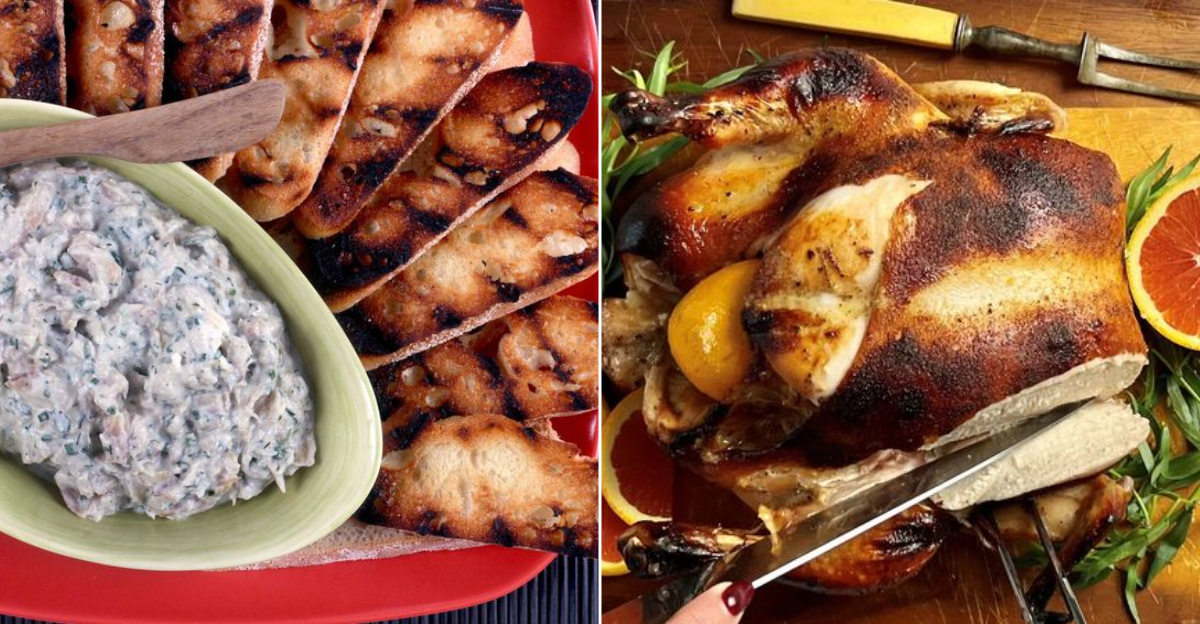
11. Nevada Smoked Trout Dip
Smoked trout whipped into cream cheese creates a spread so addictive it disappears faster than you can refill the cracker basket.
I first tasted this at a lakeside cabin where someone had just smoked their morning catch, and the flavor was revelatory—smoky, creamy, with little flakes of tender fish throughout. The smoking process can’t be rushed; low temperatures and patience develop that complex, woodsy flavor locals crave.
Store-bought smoked trout works in a pinch, but fresh-caught and home-smoked elevates this from good to unforgettable. Too much cream cheese drowns the fish; too little makes it dry and crumbly. Balance is everything. Serve it cold with something crispy, and watch people’s eyes widen with their first bite.
12. Harvest Beef Stew
Nevada beef raised on high desert rangeland brings an honest, clean flavor to stew that feedlot meat simply cannot replicate.
My family made this every fall when temperatures finally dropped and we craved something substantial and warming. Big chunks of beef shoulder simmer with root vegetables until everything becomes melt-in-your-mouth tender, creating a broth so rich it coats your spoon.
Seasonal vegetables matter—whatever’s fresh from the harvest adds brightness and texture. Cutting corners with pre-packaged stew meat or canned vegetables marks you as an outsider immediately. The beef needs proper browning first to develop deep flavor. Skip that step and you’ve made boiled meat soup, not real Nevada harvest stew. Patience and quality ingredients make all the difference here.
13. Chorizo Burger
Mixing spicy chorizo with ground beef creates a burger that’s juicier and more flavorful than either meat alone—a perfect example of Nevada’s cultural blending.
My favorite diner near Reno serves these with pepper jack cheese and roasted green chiles, and the combination makes regular burgers taste boring by comparison. The chorizo shouldn’t overwhelm; it should enhance, adding paprika heat and a hint of garlic to every bite.
Getting the ratio right takes experimentation—too much chorizo makes the patty greasy and fall apart. Too little and you’re just eating regular burgers with delusions of grandeur. Cook it medium to keep everything moist. Pile on fresh toppings and you’ve got Nevada’s answer to burger perfection, honoring both our beef tradition and Hispanic influence beautifully.
14. Roast Sticky Chicken Rotisserie Style
Slow-roasted chicken with a sticky-sweet glaze embodies Western hospitality—generous, comforting, and meant for sharing with whoever shows up at your table.
I’ve watched my mom baste chickens every twenty minutes, building up layers of glaze until the skin glistened like amber. The glaze should caramelize without burning, creating a shell of sweet, savory perfection around tender, juicy meat.
Rotisserie-style cooking keeps everything moist while the outside crisps beautifully. Rushing the roast leaves you with raw spots and burnt glaze—a tragic waste of good chicken. Using a flavorless glaze or skipping the basting means you’re just making regular roast chicken, not this Nevada classic. The sticky fingers and satisfied smiles afterward prove you did it right.
15. Portuguese Cod Fish Casserole
Portuguese immigrants brought this casserole to Nevada mining towns, and it stuck around because comfort food transcends borders.
Layers of flaky cod, tender potatoes, onions, and tomatoes bake together until everything melds into one harmonious dish. My neighbor’s grandmother made this every Friday, filling the hallway with garlic and olive oil aromas that made everyone hungry.
The cod must be properly desalted if you’re using dried fish—skip that step and you’ll serve something inedibly salty. Fresh cod works too, but changes the traditional character slightly. Baking until the potatoes brown on top while the fish stays moist requires attention and the right oven temperature. Outsiders sometimes turn it dry or underseasoned, missing the soulful balance that made this a Nevada staple.
16. Mushroom and Leek Soup
Mountain regions around Nevada produce wild mushrooms that turn simple soup into something extraordinary—earthy, rich, and deeply satisfying.
I’ve foraged for mushrooms with experienced friends, learning which varieties add the best flavor without making you sick. Leeks bring a mild onion sweetness that complements rather than competes with the mushrooms’ woodsy notes.
Proper cleaning matters enormously since both mushrooms and leeks hide dirt in their layers. Sautéing them first develops deeper flavor before adding broth. The soup should be creamy but not heavy, coating your spoon without feeling like you’re eating gravy. Using only button mushrooms from the supermarket misses the whole point of this regional specialty. Local ingredients make local food authentic—substitutions just create pale imitations of the real thing.
17. Dirty Piggyback Lamb
The name might sound odd, but this lamb dish appears in Nevada-specific recipe collections for good reason—it’s delicious, unusual, and deeply local.
Nobody seems to agree on the exact origin of the name, but everyone agrees that messing with the recipe is asking for trouble. The lamb gets roasted with a savory, slightly messy sauce that coats every surface, creating layers of flavor that build with each bite.
Lamb quality matters enormously here; rangeland-raised Nevada lamb has a cleaner taste than imported alternatives. The sauce should be rich without being greasy, clinging to the meat like it belongs there. Overcooking lamb turns it dry and gamey in a bad way. Undercooking leaves it chewy and unpleasant. Nail the doneness and you’ll understand why locals defend this oddly-named treasure so fiercely.