
The Quiet Florida Gulf Island Locals Say Still Feels Like Old Florida
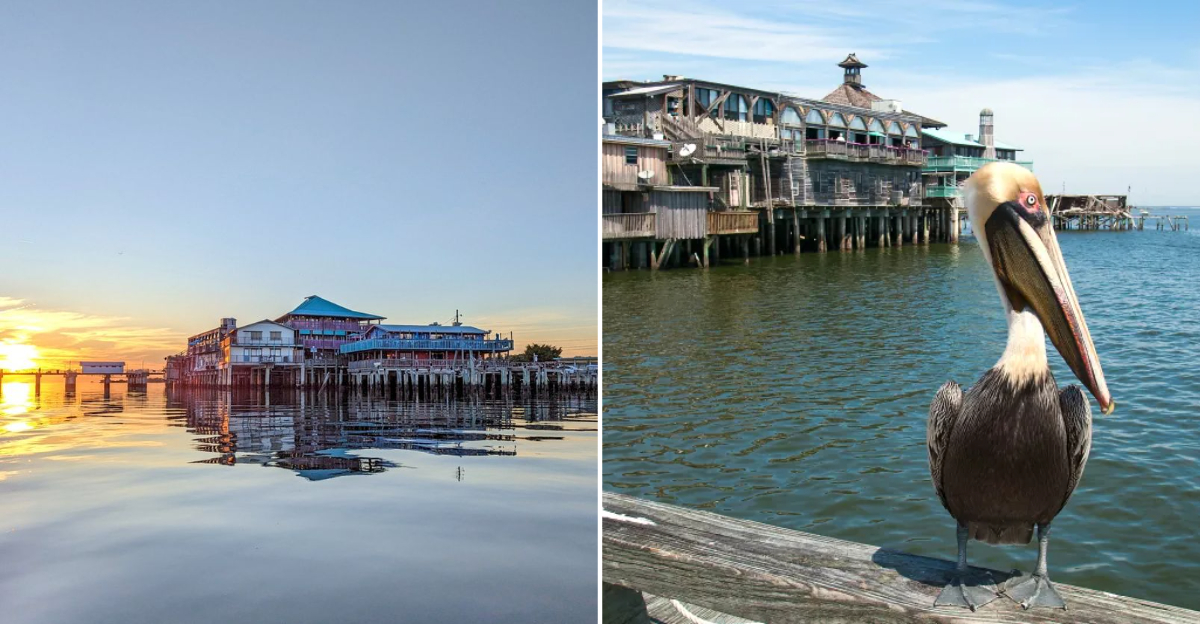
I came to Cedar Key by accident three summers ago, chasing a wrong turn that turned out wonderfully right. This tiny Gulf island refuses to play dress-up for tourists, and that stubborn authenticity is precisely what makes it magical.
While most Florida coastlines now sport high-rises and chain restaurants, Cedar Key still operates on fishing schedules and porch conversations.
Locals protect this place fiercely, not with gates or rules, but by simply living the same unhurried life their grandparents did – and inviting you to slow down enough to appreciate it.
Ready to get to know this beautiful place? You’ll surely fall in love.
The Island Locals Mean
Cedar Key sits about as far from Miami’s glitter as you can get while still claiming a Florida address. This small Gulf island off the Nature Coast runs on porch light and tide, not neon and noise.
Longtime Floridians point here when they talk about the state they remember from childhood – the one with working boats instead of yacht clubs.
Streets stay low-rise, conversations pause for sunsets, and nobody’s in a hurry to pave over the charm. Business Insider recognized what locals have known for decades: authenticity can’t be faked, only preserved.
I’ve watched visitors arrive tense and leave loose-limbed, reprogrammed by a place that simply refuses to rush.
Clam Boats, Chowder Lore, Old Florida Work
Forget theme parks. Cedar Key’s real attraction is a working waterfront that still earns its living from the Gulf.
This island serves as Florida’s clam capital, with aquaculture operations supporting hundreds of local jobs and pumping tens of millions into the community annually.
Even after brutal storm seasons that would flatten most industries, the clam harvest remains the island’s heartbeat.
You’ll see the evidence everywhere: boats heading out before dawn, sorting sheds humming with activity, menus built around what came in that morning.
I once chatted with a third-generation clammer who laughed when I called his work picturesque – he called it Tuesday.
Kayaks To A Lost Town
A half-mile paddle across clear water delivers you to Atsena Otie Key, where Cedar Key’s original settlement stood until an 1896 storm erased it from the map. Stepping ashore feels like entering a green-shaded time capsule.
Trails wind through scrub to an old cemetery hidden in the trees, headstones leaning like tired storytellers.
The quiet thrum of history hangs thick here – no interpretive signs, no gift shop, just the weight of what was.
Access by boat only keeps the crowds manageable and the experience raw.
I brought a sandwich once and ate lunch beside a century-old grave, feeling oddly companionable with the past.
Birds, Boardwalks, And Big Sky
Between the Cedar Keys and Lower Suwannee refuges, nature runs the show with barely a human edit. Osprey wheel over seagrass flats while dolphins stitch patterns through the channel like they’re showing off.
You can walk a boardwalk that creaks pleasantly underfoot or claim a shell-strewn beach to watch the tide rearrange the shoreline.
These wild edges aren’t just pretty – they’re what helps the town keep its soul intact when development pressure builds.
I’ve spent entire afternoons on these boardwalks doing absolutely nothing productive, and I regret none of it. Big sky thinking requires big sky, after all.
Two Small Museums, One Big Story
Pop into Cedar Key Museum State Park for shells and dioramas; the adjacent Whitman House – a preserved home that whispers stories about island life before air conditioning – is currently closed to tours, so check status before you go.
Then head downtown to the Cedar Key Historical Society Museum, where town lore fills two creaky rooms with photographs and artifacts.
Both museums are intimate, affordable, and refreshingly free of corporate polish. You might be the only visitor, which means you can linger over displays without crowds pushing you along.
I spent 20 minutes studying old hurricane photos at the Historical Society, marveling at how this stubborn little island keeps bouncing back. The admission fees barely cover coffee money.
Seasonal Rhythms (Check Before You Go)
The Seahorse Key Light Station occasionally hosts open houses – boat access only – but 2025 dates got canceled after facilities changes, so always confirm current plans before paddling out. Meanwhile, island traditions roll on with comforting predictability.
The Cedar Key Lions Seafood Festival takes over every October, while the spring Old Florida Celebration of the Arts draws painters and craftspeople to Dock Street. These events stay charmingly small-town, never growing so large they lose their character.
I hit the Seafood Festival once and ate my weight in smoked mullet, surrounded by families who clearly do this every year. That kind of ritual matters.
How To Visit Without Changing A Thing
Walk, bike, or rent a golf cart – the island’s compact enough that you don’t need anything faster. Linger on Dock Street at sunset when the light turns the water to copper and conversations drop to murmurs.
Leave no trace on beaches and refuge islands, which open sunrise to sunset and deserve your respect. The whole point of Cedar Key is the quiet, so come for it, add to it, and you’ll understand why locals guard this place like a favorite memory.
I’ve learned that the best souvenir from Cedar Key isn’t a shell or a T-shirt – it’s the recalibrated sense of time you carry home afterward.