
The Forgotten Frontier Settlement In Arizona That Feels Trapped In The 1800s
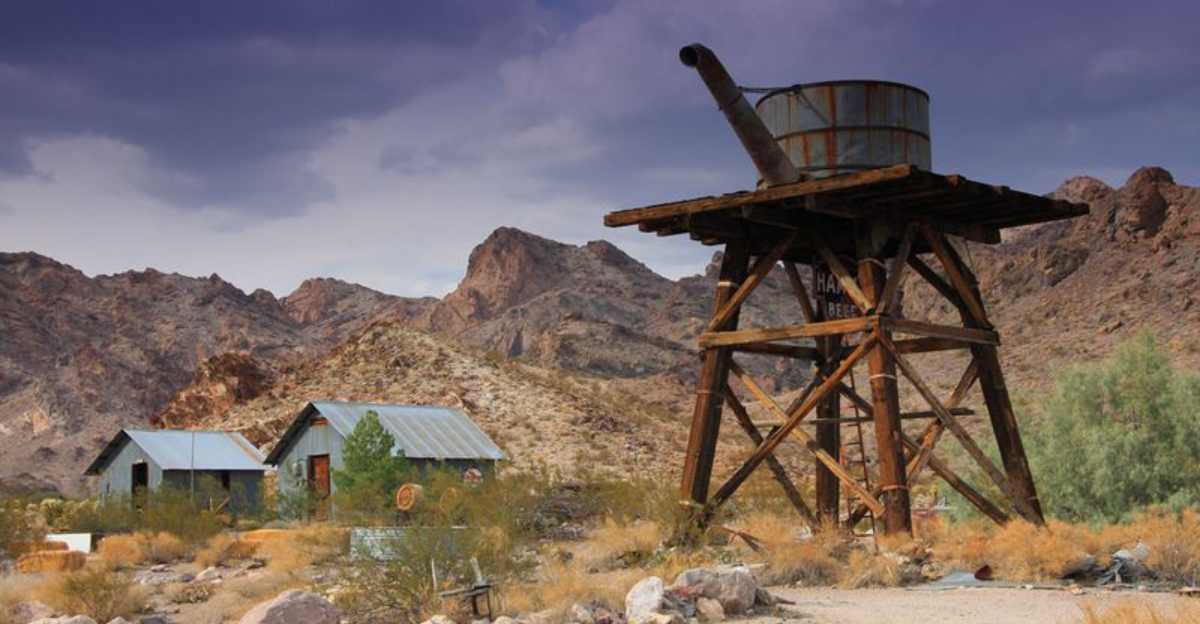
Lately, I’ve felt this undeniable pull to disconnect. You know the feeling – the constant hum of notifications, the endless scroll, the relentless pace of modern life. I craved a genuine escape, a place where time didn’t just slow down, but seemed to reverse entirely.
That’s how I found myself heading towards Gleeson, Arizona, a name that whispered of forgotten histories and sun-baked secrets.
As the paved roads gave way to dust, and cell service vanished, I could already feel the heavy weight of the 21st century lifting from my shoulders. It was a journey back to a simpler, wilder time.
Pulling Off The Desert Road – The Moment I First Saw Gleeson
Bumping along a single dirt lane, I felt the modern world peel away with every pothole. Weathered fences leaned at impossible angles, guarding nothing but memories and sagebrush.
Stone foundations and crumbling adobe walls dotted the landscape like scattered puzzle pieces. Originally called Turquoise, Gleeson transformed from a modest mining camp into a proper boomtown during the early 1900s copper rush.
Standing there, the whole place looked frozen mid-sentence, as if everyone simply wandered off for lunch in 1905 and never came back. The silence pressed against my ears.
The Little Concrete Jail That Refuses To Forget The Past
Walking up to the compact jail, I noticed how stubbornly solid it looked compared to everything else crumbling around it. Built in 1910, this tiny concrete box once held rowdy miners, petty thieves, and who knows what other frontier troublemakers behind its iron gate.
After decades of neglect, volunteers restored it in the 2000s and turned it into a miniature museum. I pressed my face close to the bars, imagining some whiskey-soaked prospector sleeping off a Saturday night brawl.
The jail refuses to let those stories die, standing firm against wind and time.
Tiny Details That Tell Big Stories
Wandering the main drag, I spotted faded lettering on a storefront that once read something like Joe Bongo. Heat-baked wood planks curled away from their frames, and rusted mining gear lay half-buried in drifted sand.
At its peak, Gleeson boasted a school, hospital, theater, and dozens of busy shops serving hundreds of miners and their families. Then copper prices crashed, and the town emptied faster than a saloon at sunrise.
Every weathered board and scattered mailbox whispers a chapter of boom-and-bust history worth listening to carefully.
The Landscape That Holds The Town – Hills, Washes, And The Old Mine Sites
Beyond the ruins, the Chiricahua foothills roll away in sun-bleached waves of scrub and rock. Dry washes cut through the landscape like old scars, reminding you how harsh this country can be when the rains refuse to come.
Gleeson thrived because of copper deposits hidden in these hills, and traces of that industry still poke through the desert floor. I spotted a few old mine shafts cordoned off with rusty chain-link and warning signs.
The desert swallowed the town whole, but it left just enough clues for curious wanderers.
Small-Town Characters And Local Lore
Flipping through a dusty visitor book at the jail, I read scribbled notes about lawmen, shootouts, and miners who struck it rich only to lose everything at the card table. Historic records mention colorful characters whose names have faded but whose antics live on in local legend.
I imagined rowdy saloon nights, the clang of ore carts, and arguments over claims that sometimes ended with drawn pistols. A nearby bed-and-breakfast owner once told me tales passed down through old-timers, blending fact with frontier mythology.
Truth and tall tales tangle beautifully here.
Photography Notes And Where To Stand For The Most Haunting Shots
Golden hour transforms Gleeson into a photographer’s dream, bathing every weathered surface in amber light. I found the best compositions by framing the jail doorway through sagging fence posts or shooting low to capture crumbling walls against big desert skies.
Respect is key, though many ruins sit on private property, and climbing fragile structures risks both injury and preservation damage. Follow Leave No Trace principles, stay on public paths, and ask permission if you spot a landowner.
Your camera can tell stories without leaving footprints or causing harm to these precious relics.
Why Gleeson Feels Like A Time Capsule
Heading back to my car, the desert wind whispered through empty windows like voices from another century. For an hour, I genuinely felt transported to the 1800s, surrounded by relics that refuse to surrender to progress or decay.
History buffs, ghost-town hunters, and photographers will find Gleeson irresistible, especially when combined with nearby stops like Courtland and Pearce for a full southeast Arizona loop. Preservation efforts keep this fragile snapshot alive, but only if visitors treat it with care.
The hush here lingers long after you leave.
Planning Your Visit And What To Bring Along
Before heading out, pack plenty of water because the desert shows no mercy to unprepared wanderers. Sturdy shoes help navigate uneven ground littered with rocks and rusty nails, and a hat plus sunscreen guard against relentless Arizona sun.
Gleeson sits roughly 16 miles east of Tombstone, making it an easy detour on a ghost-town road trip through Cochise County. Cell service can be spotty, so download maps beforehand and let someone know your route.
Bring your sense of adventure, a respectful attitude, and maybe a snack for the drive back to civilization.