
The Mysterious Mississippi Highway Locals Avoid Once The Sun Goes Down
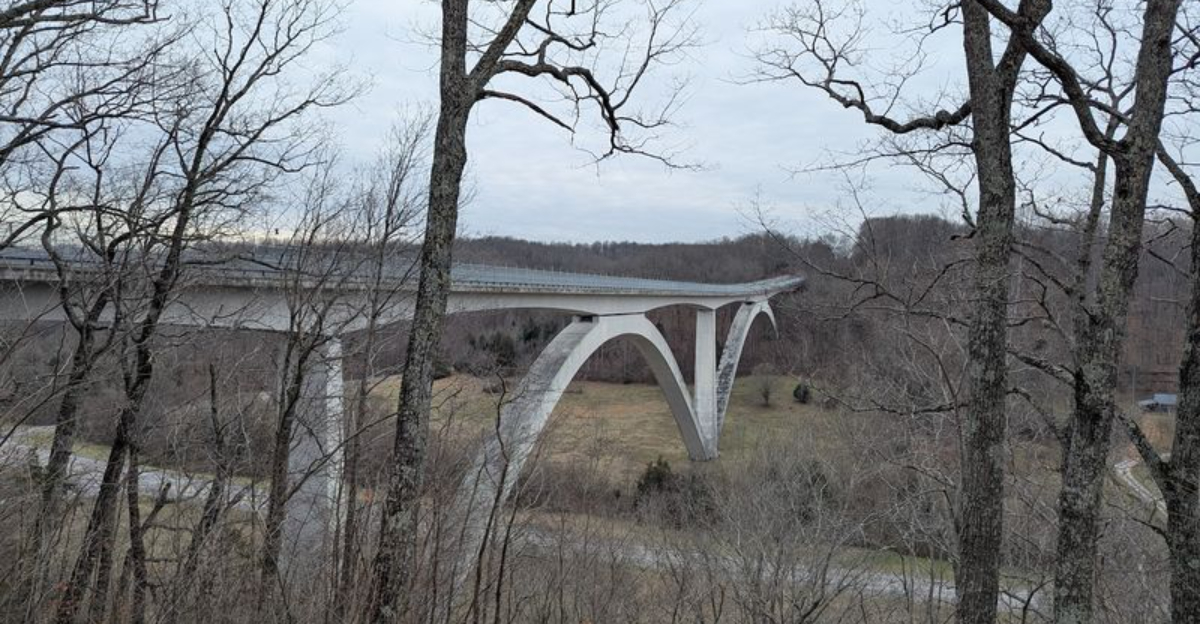
Winding through 444 miles of wilderness, the Natchez Trace Parkway is one of America’s most beautiful drives by day and one of its most unsettling after dark. This two-lane ribbon of asphalt cuts through dense forests and forgotten history, with no gas stations, no streetlights, and barely any cell service.
Locals whisper warnings about driving it once the sun sets, and their reasons go far beyond superstition. Some swear they’ve seen ghostly lanterns flicker between the trees, or heard footsteps on the shoulder when no one is around-enough to make even the bravest drivers grip the wheel a little tighter.
A Road That Feels Like Another Century
Driving the Natchez Trace means stepping back in time. The pavement beneath your tires follows a trail worn smooth by 10,000 years of footsteps, from Native American hunters to frontier traders. Your headlights carve thin tunnels through the blackness while the pines press close on both sides.
No neon signs interrupt the darkness. No billboards promise a Waffle House around the bend. On the Trace you are not just driving a highway, you are threading through living history.
The National Park Service maintains this 444-mile scenic road exactly as it has been for decades. That means no modern conveniences and no quick escape routes when night falls heavy and complete.
Why Locals Say Do Not Drive It After Dark
Practical warnings keep most residents off the Trace after sunset. Cell service drops to nothing in long stretches, leaving you stranded if trouble strikes. Wildlife bounds across the asphalt without warning, and deer collisions spike during twilight hours.
Gas stations and restaurants do not exist along the Parkway itself. The National Park Service is clear about this: plan your fuel and food stops before you enter. Rest areas appear roughly every 50 miles, but they offer only picnic tables and restrooms.
You cannot pull over at the next exit because there is not one for miles. That isolation becomes suffocating when darkness swallows the road and your tank needle dips toward empty.
Recent Real World Dangers Not Just Folklore
March 2025 brought tragedy when a falling tree struck a vehicle on the Trace. Just weeks earlier, in February, another car veered off the road in the early morning hours and plunged into the Ross Barnett Reservoir. Local news covered both incidents extensively.
These stories are not folklore. They remind us that the Parkway’s beauty hides genuine hazards, especially during off-hours when help is far away. Storm damage closes sections without warning, and fallen branches become invisible obstacles in the dark.
Before you turn onto the Trace, fill your tank completely. Carry water, a charged phone, backup battery packs, a working headlamp, and a paper map in case GPS fails you.
The Ghost Stories That Turn Nervous Into Certain
Centuries of violence and hardship have soaked into the Trace like bloodstains. Highwaymen once ambushed travelers along this route, and legends speak of witches and restless spirits who never found peace. Regional folklore collections overflow with tales of phantom figures and unexplained lights.
I drove the Trace one October evening and spotted something pale standing just beyond my headlights. My chest tightened as I slowed, but the figure vanished before I could focus. Maybe it was a trick of shadows, or maybe the old stories hold more truth than I want to admit.
Haunted inns dot the route, their histories tangled with tragedy. The feeling of being watched creeps over you even when logic says you are alone.
Famous Stops That Make The Parkway Feel Haunted But Are Real
Rocky Springs sits near milepost 54.8, a ghost town maintained by the National Park Service. By day, families picnic among the ruins and explore the old cemetery. After sunset, those cheerful picnic tables become dark silhouettes, and the abandoned church feels like it is holding its breath.
Further north at milepost 385.9, you will find Grinder’s Stand, where Meriwether Lewis died under mysterious circumstances in 1809. Historians still debate whether he took his own life or met with foul play. That unresolved tragedy feeds decades of speculation and unease.
These sites transform completely when night falls. What feels educational and peaceful in daylight tightens into something you cannot quite name once darkness erases the details.
Why Park Rangers And Officials Urge Caution And What They Actually Recommend
The National Park Service keeps the Natchez Trace Parkway open year-round, day and night. However, rangers emphasize that facilities and hours vary widely, and temporary closures happen frequently due to storm damage or hazardous conditions. Their official guidance is clear: plan ahead and check alerts before you go.
Rangers recommend visiting the NPS Plan Your Visit page and reviewing current alerts before you enter the Parkway. Map out fuel and food stops in nearby towns, not along the Trace itself. If possible, avoid late-night driving entirely.
This is not fearmongering. Rangers see the accidents, the stranded motorists, and the close calls. Their advice comes from experience, not superstition, and following it could save your life.
Wildlife Encounters That Turn Routine Drives Into Heart Stopping Moments
White-tailed deer, wild turkeys, and even black bears call the Trace home. They cross the road on their own schedule, not yours. At night, their eyes reflect your headlights just seconds before impact becomes inevitable. Swerving to avoid them sends cars into ditches or worse.
The Parkway’s lack of development means animal populations thrive here. That is wonderful for biodiversity but terrifying for drivers navigating blind curves in total darkness. Speed limits stay low for good reason, yet many visitors ignore them until a 200-pound buck appears from nowhere.
Slow down after sunset. Keep your high beams on when no one is coming. Scan the roadside constantly, because the next living thing you see might already be too close to avoid.
I Went For A Sunset Drive And Turned Back Before Midnight
I planned to drive the Trace end to end, starting at sunset for the golden light. The first hour was stunning, with long shadows painting the hills. Then darkness dropped like a curtain, and the beauty turned into something else entirely.
Every rustle in the trees felt amplified. My phone lost signal. The gas gauge dipped lower than I had planned, and I realized the next town was 40 miles away. I turned back, and I am not embarrassed to admit it.
Locals are not being dramatic when they avoid the Trace after dark. Visit by day, follow the safety checklist rangers provide, and save your night driving for roads with streetlights and cell towers. The Trace will still be breathtaking when the sun is up.