
Colorado’s Green Chile Capital Isn’t Where You Think It Is
Most people immediately think of Pueblo when you mention “green chile,” and that’s fair—Pueblo grows the famous meaty pepper and hosts a legendary harvest festival every September.
But if you’re after the everyday capital of the dish, the city where green chile isn’t just an ingredient but a lifestyle, you’ve got to head north to Denver.
Here, breakfast burritos are a civic obsession, local taquerias rack up national awards for their chile-smothered creations, and nearly every menu—from diners to breweries—features something drenched in that spicy, smoky sauce. In Denver, green chile isn’t a trend; it’s a proud, ongoing tradition.
Why Everyone Thinks It’s Pueblo
Pueblo’s chile heritage runs deep: perfect growing climate, the distinctive Pueblo/Mirasol peppers, and a marquee Chile & Frijoles Festival that draws huge crowds each September. That agricultural identity is real, loud, and proud—hence the reflex answer.
When someone mentions Colorado chile, Pueblo’s name pops up faster than you can say roasted pepper. The city earned that reputation honestly, with generations of farmers nurturing rows of glossy green pods under the southern Colorado sun.
Every fall, the festival transforms downtown into a roasting wonderland where smoke curls skyward and the scent of charred chiles wraps around you like a warm hug. Pueblo owns the farm story, no question about it.
Why The Everyday Capital Is Denver
Denver built a green-chile way of life: a thick, pork-forward, smother-friendly style splashed across breakfast burritos, burgers, and Mexican hamburgers. Local food writers have documented the Denver style for years, and statewide coverage regularly frames Colorado’s green chile in contrast to New Mexico’s tomatillo-leaning chile verde.
Culture, not acreage, is what makes a capital here. I’ve stood in line at dawn for a smothered burrito more times than I can count, watching cooks ladle that copper-orange glory over eggs and potatoes.
Denver turned green chile into a daily ritual, a menu staple that shows up on every corner and every table, morning through midnight.
Proof It’s Thriving Right Now (Open-And-Operating Icons)
A few anchors show how alive the scene is today: Sam’s No. 3 posts active hours and online ordering; its menus spotlight green-chile smothering from breakfast to late. Santiago’s lists dozens of active metro locations and even retails its chile through regional grocers.
Savina’s Mexican Kitchen (the re-named La Loma group) continues downtown and Castle Rock service with the same green-chile staples. These aren’t museum pieces or nostalgia trips—they’re bustling kitchens slinging plates right now.
You can walk in today, order a smothered anything, and taste exactly why Denver holds the crown for chile culture that never sleeps.
The Awards Don’t Hurt
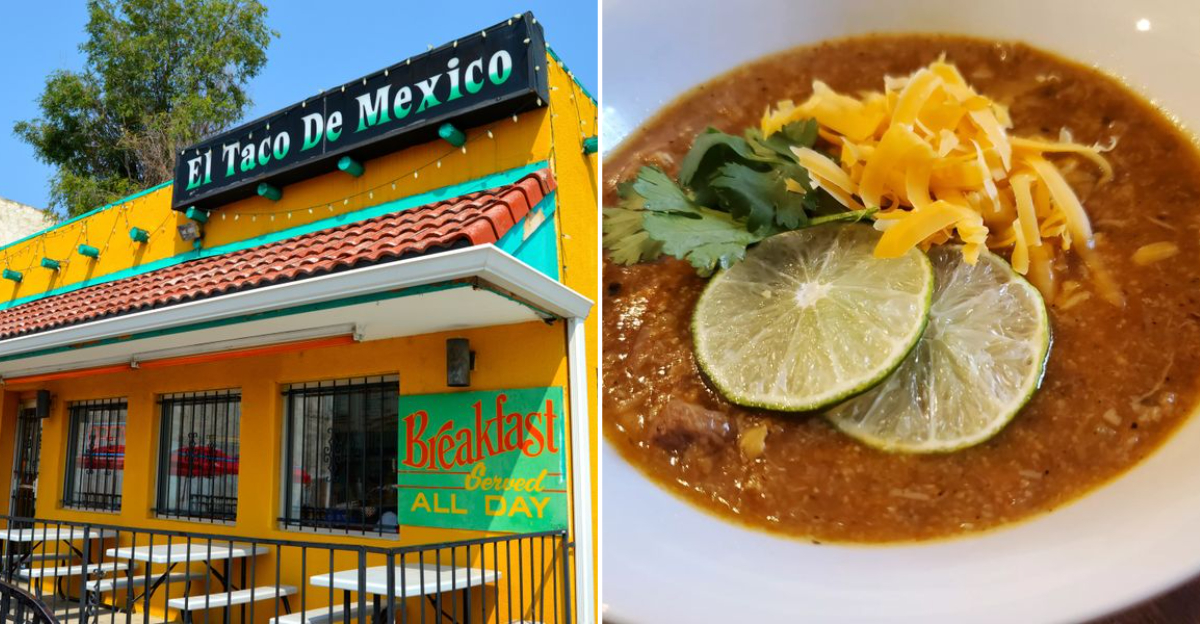
Denver’s El Taco de Mexico earned a James Beard America’s Classics award, with praise specifically calling out its green-chile-smothered plates and burritos—national validation of the city’s chile canon. When the country’s top food authority hands you a trophy for your chile game, the argument shifts from opinion to fact.
I remember reading that announcement and feeling a surge of hometown pride, like someone finally told the rest of the nation what we’d known all along. El Taco de Mexico didn’t win for fancy plating or trendy fusion; it won for doing one thing brilliantly and consistently.
That trophy sits as proof: Denver’s green chile belongs in the national conversation.
What Sets Denver-Style Apart
Denver’s rendition trends thicker and more orange-copper in the bowl, built on roasted chiles and pork with a body meant for smothering—distinct from New Mexico’s typically tomatillo-bright, spoonable chile verde. If your goal is a drowned breakfast burrito or a knife-and-fork Mexican hamburger, Denver’s style is the bullseye.
The texture clings to your fork and coats every bite, turning a simple plate into a full-flavor experience. New Mexico’s version has its own beauty, but Denver’s chile was born to blanket, to transform whatever sits beneath it into something richer and bolder.
One spoonful and you’ll understand why locals demand it on everything from fries to enchiladas.
The Pipeline Still Runs Through Pueblo
Here’s the twist: Denver’s restaurants often cook with Pueblo chiles (and some Hatch), so the farm fields down south still feed the metro’s appetite. Think of Pueblo as the fields, Denver as the tables—two halves of one Front Range obsession.
Pueblo grows the peppers; Denver transforms them into the dishes that define a culture. Neither city could claim the full story alone, but together they create a chile ecosystem that stretches from soil to skillet.
I love that symbiosis—the farmers and the cooks, the harvest and the hunger, all connected by a single glorious pepper that traveled ninety miles north to become legend.
Plan Your Smothered Circuit (Right Now)
Start at Sam’s No. 3 for a classic smothered breakfast burrito, slide to Santiago’s for heat-tiered chile, then book Savina’s for green-chile plates downtown. All three show current hours/ordering links as of today.
If you want to witness the harvest heartbeat, pencil in Pueblo’s festival next September—then come back to Denver when the craving hits again. This isn’t a trip you take once and forget; it’s a circuit you’ll run every time you need that copper-orange comfort poured over your plate.
Grab your fork, map your route, and prepare to smother everything in sight. Denver’s waiting, and the chile never stops flowing.