
The Classic Maryland Diner Still Serving An All-You-Can-Eat Menu Locals Refuse To Let Change
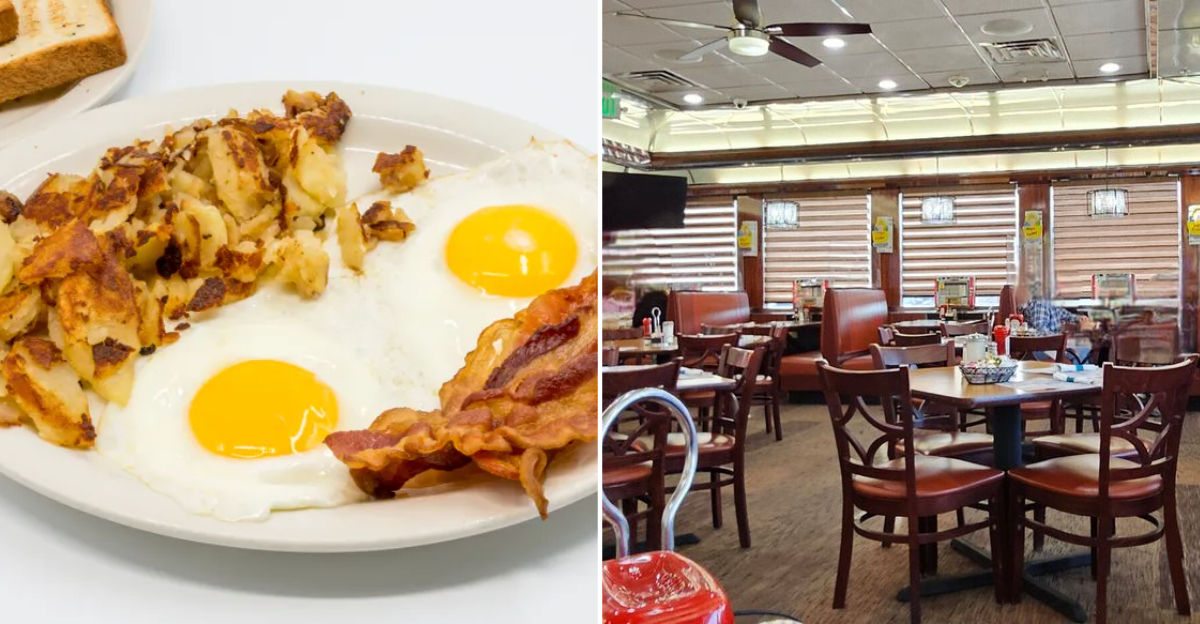
The air inside the Double T Diner smells like a potent blend of freshly brewed coffee, short-order grease, and unspoken local history. The lighting is harsh, the booths are sticky (in the best way possible), and the entire structure is clad in enough reflective chrome to blind a passing astronaut.
This is the authentic American greasy spoon, planted firmly in Catonsville, MD, and its mission is simple: keep serving the people more food than they could possibly consume. Especially via the legendary AYCE specials that defy modern restaurant economics and attract a devoted crowd every single weekend.
The Diner That Refused To Change
Walk through the glass doors on any Saturday morning and you’ll find the counter lined with regulars nursing bottomless mugs. Servers glide between booths with practiced ease, balancing trays of pancakes and refilling coffee before you even ask.
The all-you-can-eat tradition here is not a gimmick but a promise kept for generations. Polished countertops bear the gentle wear of thousands of elbows and conversations.
Vinyl booths creak with the comfortable familiarity of old friends. Nothing about this place screams modern, and that’s exactly the point. Step inside and you step back into a Maryland where diners meant community, not convenience.
A Short History: From Route-Side Stop To Neighborhood Anchor
Founded in the late 1970s, the Double T started as a modest roadside stop for truckers and shift workers cruising Route 40. Original owners poured their savings into building a menu that balanced quality with value, betting that honest food would win hearts. They were right.
Over the years, the diner weathered ownership shifts and kitchen renovations but never strayed from its core mission. Major milestones included adding the weekend all-you-can-eat seafood nights and expanding the breakfast menu to include Maryland crab omelets.
Local high school teams celebrated championships here, and families marked birthdays in the same corner booths their grandparents once claimed. Today, it stands as a neighborhood anchor, woven into Catonsville’s identity like brickwork into old buildings.
The All-You-Can-Eat Menu: What’s On Offer And How It Works
Friday and Saturday evenings unlock the magic: one flat price buys you unlimited trips to a spread of fried seafood, buttery pancakes, Maryland crab cakes, and crispy hushpuppies. Time limits keep things fair, usually two hours, with reasonable rules about sharing and waste.
Prices vary by day but remain shockingly affordable compared to modern all-you-can-eat chains. The kitchen operates like a well-oiled machine, churning out fresh batches every fifteen minutes so nothing sits under heat lamps too long.
Cooks monitor quality religiously because reputation rides on every plate. Sides rotate seasonally, adding corn fritters in summer and hearty greens in winter. Regulars know the rhythm: arrive early, pace yourself, and save room for the crab.
Signature Dishes That Keep People Coming Back
Maryland crab cakes anchor the menu, packed with jumbo lump meat and just enough breadcrumb to hold them together. They fry them golden on a flat-top griddle, sealing in sweetness while creating that addictive crisp edge.
Locals swear the recipe hasn’t changed in thirty years, and that’s high praise in crab country. Buttermilk pancakes arrive fluffy as clouds, soaking up house-made blueberry syrup that tastes like summer mornings.
The fried fish uses a family batter recipe, light and crunchy without the grease. Hushpuppies come studded with bits of onion and a hint of Old Bay, nodding to Maryland’s seasoning obsession.
The Staff And Regulars: Characters Who Make It Homey
Miss Linda has worked the morning shift for twenty-two years and knows half her customers by first name and coffee preference. She remembers who takes cream, who wants decaf, and whose kid just graduated college.
Behind the grill, Chef Ray flips eggs with one hand and tells stories with the other, his laughter echoing through the kitchen. Then there are the regulars like Mr. Thompson, who claims the same counter stool every Tuesday at seven sharp.
He reads the paper, eats two eggs over-easy with rye toast, and leaves a five-dollar tip regardless of the bill. These rituals create invisible threads that bind the community together. Meals here are never just transactions but small ceremonies of belonging.
The Fight To Keep Things The Same
Five years ago, a national chain eyed the property, offering a buyout that would have razed the building for a drive-thru concept. Word spread fast, and within days, a petition circulated through churches, schools, and barbershops.
Over two thousand signatures landed on the county council’s desk, accompanied by letters from families sharing decades of memories made over pancakes and crab cakes. Fundraisers sprouted up to help the owners cover rising property taxes and needed repairs.
Local businesses chipped in, and a crowdfunding campaign exceeded its goal in seventy-two hours. The council ultimately denied the chain’s zoning request, citing community opposition and the diner’s cultural significance.
Practicals And Reader Resources
The Double T Diner sits at 6300 Baltimore National Pike in Catonsville, open daily from six in the morning until eleven at night. All-you-can-eat runs Friday and Saturday evenings. Arrive before five-thirty to dodge the dinner rush, or come after eight for a quieter experience with the same great spread.
Parking wraps around the building with plenty of spaces, and the entrance features a wheelchair-accessible ramp. Restrooms are spacious and well-maintained.
No reservations are taken, but weekday mornings move fast if you’re in a hurry. Follow them on social media for seasonal specials and holiday hours, or simply stop by and become part of the story.
Why This Place Matters More Than Ever
In an era of ghost kitchens and algorithm-driven menus, places like the Double T remind us that food is more than fuel. It’s memory, ritual, and connection served on chipped ceramic plates.
The diner’s stubborn refusal to modernize is not laziness but a radical act of preservation in a world obsessed with disruption. Families return because their parents brought them here, and they want their own kids to taste that same blueberry syrup and hear Miss Linda’s laugh.
Regulars defend it because losing the Double T would mean losing a piece of themselves. The all-you-can-eat menu is generous, but the real abundance is in the belonging it fosters. Some traditions deserve to stay exactly as they are.