
8 Connecticut Coastal Towns Locals Say Feel Different From Years Past
Connecticut’s shoreline has always carried a quiet rhythm, a blend of fishing villages and summer retreats tucked along Long Island Sound. But lately, residents notice something shifting beneath the surface.
Construction cranes dot marinas, zoning meetings overflow with talk of housing and resilience, and old industrial waterfronts are opening to walkers and kayakers for the first time in generations.
These changes are rewriting what it means to live by the water, turning familiar towns into places that feel both exciting and unrecognizable at once.
1. Norwalk (SoNo & Harbor)
Crane arms keep swinging over Water Street, a signal that Norwalk’s working waterfront is steadily converting to residential and retail space.
New mixed-use housing projects won approvals this fall, continuing a pattern that has reshaped the harbor piece by piece over the last decade.
SoNo used to lean heavily on its maritime roots, but now condos and sidewalk cafes claim frontage that once belonged to boat yards and warehouses.
The transformation feels gradual yet relentless, each permit nudging the neighborhood closer to a walkable, live-work shoreline.
Long-timers miss the grit, but newcomers love the accessibility and the views.
2. Stamford (South End/Harbor Point)
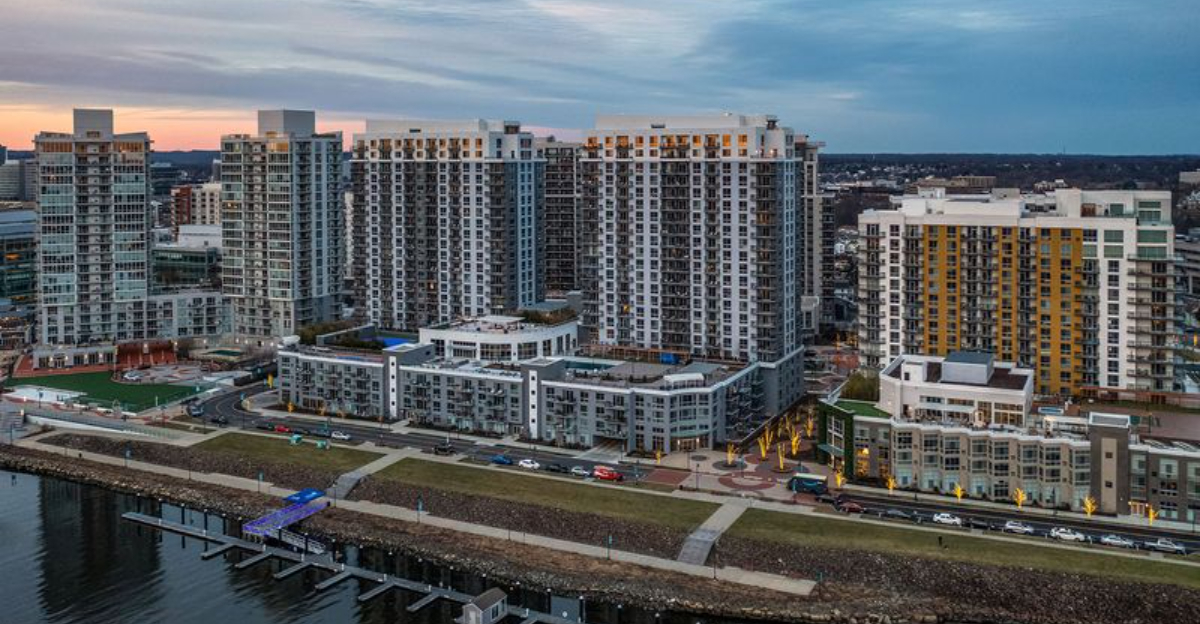
Warehouses that once lined the industrial waterfront have vanished, replaced by sleek glass towers and a thriving mixed-use neighborhood.
Harbor Point’s enormous multi-phase project added millions of square feet and roughly 4,000 homes, transforming the shoreline into a high-density urban scene that still keeps expanding into 2025.
Locals remember when this stretch felt forgotten, a tangle of old buildings and empty lots.
Now joggers loop the waterfront trails, restaurants buzz on weeknights, and frequent Metro-North trains connect residents to Manhattan (with a free local trolley and water taxi linking Harbor Point to the station and marina).
The pace of change can feel dizzying, but the energy is undeniable – this is a waterfront built for the future, not the past.
3. Bridgeport (East Side & Steelpointe)
For generations, industry walled off Bridgeport’s shoreline, leaving neighborhoods cut off from the water. That’s changing fast.
State funding just backed a continuous pedestrian path along Yellow Mill Channel, linking communities to Steelpointe Harbor and future projects that promise public access and green space.
Each small improvement stacks up – new sidewalks, cleaned-up lots, bike lanes – creating momentum that feels different from past false starts.
Locals are cautiously optimistic, watching parcels transform from forgotten edges into potential gathering spots.
The city still has a long way to go, but the shoreline is finally opening up.
4. Fairfield (Penfield Beach)
After years tangled in repair debates and environmental cleanup, Penfield Pavilion is officially back for the 2025 beach season.
The reopening feels like hitting reset on a beloved summer tradition, restoring life to a stretch of sand that defines warm-weather weekends for Fairfield families.
Residents who remember the pavilion’s heyday are thrilled to see it functioning again, hosting events and serving as a hub for beachgoers. The drama of delays and remediation is fading, replaced by relief and celebration.
This marks a fresh chapter for the town’s relationship with the Sound, one that locals hope stays stable for years to come.
5. East Lyme (Niantic)
Storm after storm battered Niantic’s beloved bay boardwalk, but the town refused to let it fade. A full rebuild turned the walkway into a maintained centerpiece, now featured prominently in planning documents and community events.
You can feel the difference on any given evening – walkers, anglers, and families reclaim the shoreline, and festivals draw crowds that would have been impossible when the boards were broken and neglected.
The boardwalk anchors the town’s identity again, a symbol of resilience and pride.
Locals say it’s not just a path anymore; it’s proof that Niantic is serious about protecting its waterfront for the next generation.
6. New London (Downtown & State Pier)
The cargo pier that once handled containers and bulk freight has been remade into an offshore-wind hub, a shift that signals a new economic era for New London’s waterfront.
Project timelines slipped in 2025, but the heavy-lift infrastructure and energy-sector activity already make the docks feel unrecognizable compared to their sleepy past.
Locals debate whether the transformation is progress or disruption. Either way, the waterfront now hums with cranes, specialized equipment, and workers tied to renewable energy rather than traditional shipping.
This is no longer a quiet port; it’s a staging ground for the future of power generation.
7. Groton (Thames & Mystic side)
Submarine work at Electric Boat keeps surging, and Groton is bracing for thousands more workers flooding into town.
Housing studies, growth scenarios, and packed planning meetings reflect a community watching its shoreline identity shift in real time.
The influx brings jobs and investment, but also pressure on roads, schools, and neighborhoods that weren’t built for this scale.
Long-time residents worry about traffic and affordability, while newcomers scramble to find housing near the yard.
Groton’s waterfront has always revolved around the Navy, but the current expansion feels like a tipping point that will reshape the town for decades.
8. Stonington (Mystic & the Borough)
Short-term rentals and summertime crowds rewrote the rhythm of this seafaring place.
On the Groton side of Mystic, new short-term rental rules shape how owners operate, while the Stonington side leans on existing ordinances rather than a dedicated STR permit.
The Borough balances postcard charm with visitor pressure that peaks higher every year.
Locals remember when you could park near the waterfront without circling for twenty minutes, and when neighbors stayed year-round instead of listing homes online.
Both towns rolled out clearer parking guidance – and higher fines – to manage the surge, but enforcement and compliance remain ongoing challenges.
Stonington’s beauty attracts tourists, yet that same appeal threatens the quiet community feel that made it special in the first place.