
These South Carolina BBQ Terms Outsiders Always Get Wrong (But Locals Never Do)
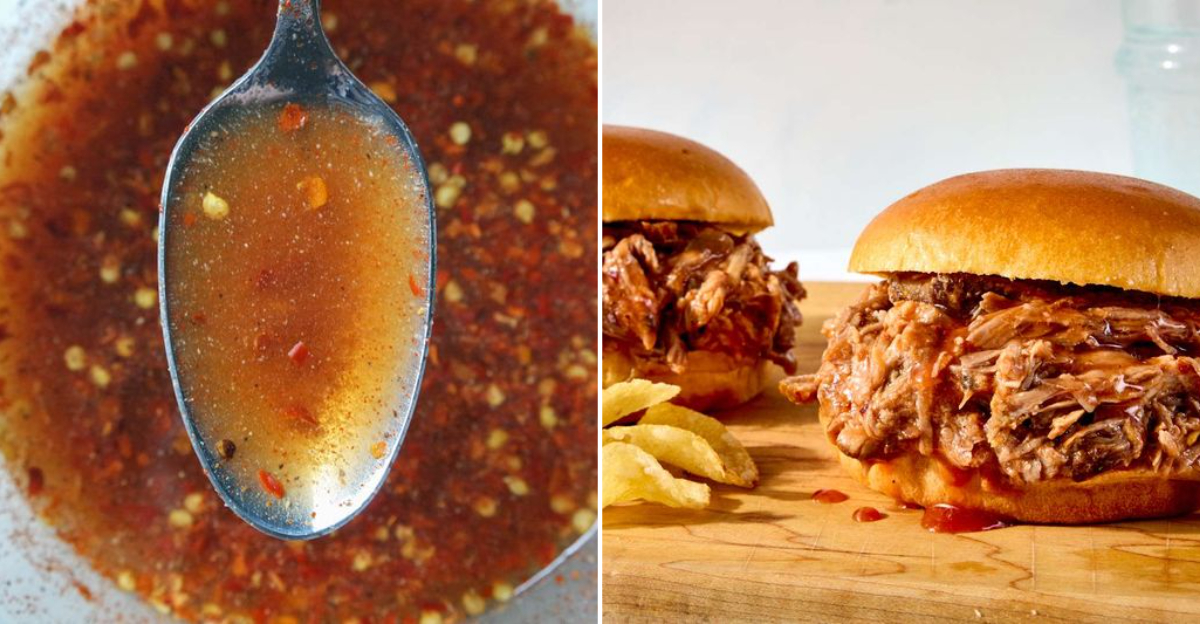
You swagger into a South Carolina BBQ joint, confidently order “some barbecue,” and maybe even ask for “extra sauce.” You think you’re speaking the language of the low-and-slow.
Oh, bless your heart. While your enthusiasm is admirable, there’s a good chance you’re committing a delicious faux pas without even realizing it.
South Carolina’s BBQ scene isn’t just about the food, it’s about the lexicon. And if you want to eat like a local, you’ve got to learn to talk like one. Prepare to have your BBQ vocabulary deliciously re-educated.
1. Barbecue (The Noun, Not The Verb)
Most people think barbecue is something you do on a Saturday afternoon with burgers and hot dogs. South Carolina locals know better because here, barbecue refers specifically to slow-cooked pork that’s been tended over hardwood coals for hours.
When someone says they’re getting barbecue, they mean the actual meat, not the cooking method or the event. The pork is either pulled into tender strands or chopped into small pieces, soaked in regional sauce, and served with traditional sides.
Calling a backyard cookout with chicken breasts a barbecue will earn you some serious side-eye from locals. Real barbecue takes time, patience, and serious dedication to the craft of smoking pork low and slow.
2. Mustard Sauce Or Carolina Gold
Carolina Gold shimmers like liquid sunshine and tastes nothing like the red sauces found in most other states. This bright yellow mustard-based sauce is the pride of South Carolina’s Midlands region and features a tangy, slightly sweet flavor profile.
Outsiders often expect tomato-based sauces when they order barbecue, but locals drench their pork in this golden goodness without hesitation. The sauce combines yellow mustard, vinegar, sugar, and spices to create something truly unique to South Carolina.
My cousin from Texas nearly dropped his plate the first time he saw mustard sauce poured over perfectly smoked pork. Now he requests bottles to take home every time he visits the state.
3. Vinegar And Pepper Sauce
Forget thick, goopy sauces that hide the meat’s natural flavor because vinegar and pepper sauce keeps things simple and honest. This thin, tangy mixture dominates the Pee Dee region and consists mainly of vinegar, salt, and crushed red pepper flakes.
The sauce penetrates deep into the meat rather than sitting on top like ketchup-based varieties do elsewhere. Locals appreciate how it enhances rather than masks the smoky pork flavor that took hours to develop.
Outsiders sometimes mistake it for salad dressing or think the restaurant forgot to bring the real sauce. True barbecue fans know this minimalist approach lets the quality of the meat shine through beautifully.
4. Hash And Rice
Hash and rice might sound mysterious to newcomers, but this dish represents true South Carolina barbecue tradition at its finest. The hash is a thick, savory stew made from pork parts, sometimes including organ meats, slow-cooked until everything breaks down into rich gravy.
Served generously over white rice, this side dish appears on nearly every authentic barbecue menu across the state. The flavor is deep, slightly spicy, and incredibly satisfying when paired with smoky pulled pork.
Visitors often skip it because they don’t understand what it is, but locals consider hash and rice essential to any proper barbecue meal. Once you try it, you’ll understand why South Carolinians get so passionate about this unique creation.
5. Whole Hog Cooking
Cooking a whole hog separates the serious pit masters from weekend grillers because this tradition requires skill, time, and dedication. The entire pig gets positioned over hardwood coals and tended carefully for twelve to eighteen hours until every part reaches perfect tenderness.
South Carolina’s whole hog tradition differs from other states that focus mainly on pork shoulder or ribs alone. Every part of the pig contributes different flavors and textures to the final product.
Last summer, I watched a pit master tend his whole hog through the night, flipping and basting with practiced precision. The resulting meat was so tender it practically melted, with layers of flavor you simply cannot achieve with smaller cuts.
6. Mustard Rust Sauce
Mustard rust sauce occupies the middle ground between Carolina Gold and tomato-based sauces, creating something uniquely South Carolinian. This lesser-known variation blends yellow mustard with tomato, resulting in a rusty orange color and complex flavor profile.
Found primarily in the Midlands region, this sauce appeals to people who want tanginess with a hint of sweetness. The tomato element adds body without overwhelming the distinctive mustard base that defines South Carolina barbecue.
Many restaurants keep their mustard rust recipes closely guarded secrets, passing them down through generations of pit masters. Outsiders often overlook this sauce entirely, not realizing it represents a beautiful compromise between the state’s different regional styles.
7. Pulled Versus Chopped Pork
Chopped pork reigns supreme in South Carolina, though visitors often expect the pulled variety they’ve seen elsewhere. Chopping the meat creates smaller, more uniform pieces that hold sauce better and provide consistent texture in every bite.
Pulled pork features longer strands and a stringier texture that’s popular in other regions but less common here. South Carolina pit masters take pride in their chopping technique, which requires skill to achieve the perfect consistency.
The difference might seem minor, but locals can taste it immediately and have strong preferences about which style their favorite restaurant should serve. Chopped pork also mixes more evenly with hash, creating the ideal combination on your plate.
8. Barbecue Sandwich With Slaw
A proper South Carolina barbecue sandwich comes automatically topped with coleslaw and sauce, creating the perfect balance of flavors and textures. The cool, crunchy slaw cuts through the rich, smoky pork while adding freshness to every bite.
Outsiders sometimes expect beef brisket or request their sandwich without slaw, missing the point entirely of this regional tradition. The slaw isn’t just a topping but an integral component that defines how South Carolinians enjoy their barbecue.
My first barbecue sandwich in Columbia changed my understanding of what coleslaw could be when paired with perfectly chopped pork. The combination seems unusual until you taste how the tangy slaw complements the mustard sauce and smoky meat beautifully.
9. Regional Styles: Midlands, Lowcountry, And Upstate
South Carolina isn’t one unified barbecue culture but three distinct regions with passionate followers and different traditions. The Midlands favors mustard-based sauces, the Lowcountry and Pee Dee prefer vinegar and pepper, while the Upstate leans toward light tomato-based sauces.
Outsiders frequently make the mistake of assuming all South Carolina barbecue tastes the same, which locals find frustrating. Each region takes pride in its unique approach to sauce, cooking methods, and meat preparation.
Understanding these differences shows respect for the state’s rich barbecue heritage and helps you order appropriately depending on where you’re eating. Asking for mustard sauce in the Pee Dee might work, but you’ll get better results ordering the regional specialty.
10. The Bark On Smoked Meat
Bark forms where smoke, heat, and seasoning meet the meat’s surface during long hours in the pit, creating a flavorful crust. This dark, textured outer layer concentrates all the spices and smoke flavor into an intensely delicious coating.
Newcomers sometimes think the bark looks burnt and ask for it to be removed, which breaks every pit master’s heart. Locals know the bark represents the best part of smoked meat, offering concentrated flavor and satisfying texture.
Proper bark should be dark mahogany to almost black, firm but not hard, and packed with smoky goodness. When you see bark on your barbecue, consider yourself lucky because it means the pit master knows their craft and gave that meat proper attention.
11. The Pit Itself
When South Carolinians talk about the pit, they mean the entire cooking facility or smokehouse, not just a small charcoal grill. These structures can be simple cinder block buildings or elaborate setups with multiple smoking chambers and wood storage areas.
The pit represents the heart of any serious barbecue operation, where pit masters spend countless hours tending fires and monitoring temperatures. Calling a backyard Weber grill a pit will immediately identify you as someone who doesn’t understand real barbecue culture.
True pits use hardwood coals or logs to generate smoke and heat, maintaining precise temperatures for hours without modern conveniences. The pit master’s skill in managing the fire determines the quality of the final product more than any other factor.
12. Sauce On The Side Versus Dressed
Dressed meat comes already coated in sauce, usually the restaurant’s signature mustard-based variety, mixed right into the pork. South Carolina pit masters often dress the meat because they believe their sauce complements the pork perfectly as intended.
Visitors frequently request sauce on the side, not understanding that the meat tastes best when dressed properly by someone who knows the right ratio. Locals trust the pit master’s judgment about how much sauce enhances rather than drowns the smoky flavor.
Ordering your barbecue dressed shows you appreciate the restaurant’s expertise and regional tradition of pre-sauced meat. You can always add more sauce if needed, but starting with dressed meat ensures you experience the barbecue exactly as the pit master envisioned.