
The Colorado High-Country Town Where Quiet Backroads Lead To Forgotten Rail Tunnels
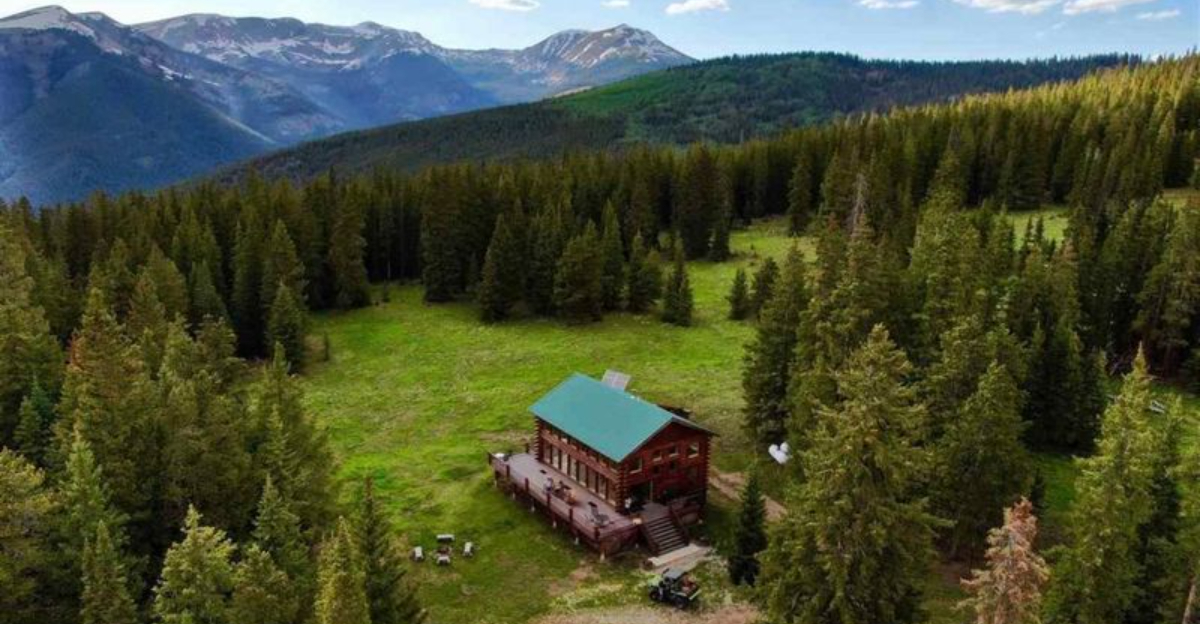
Tucked away in Colorado’s San Isabel National Forest, Pitkin is the kind of place where time seems to have stopped somewhere around 1890.
I first stumbled upon this forgotten gem while chasing fall colors, and what I found was more than just aspen groves—it was a portal to Colorado’s wild railroad past.
Old tunnels carved into mountainsides, rusted tracks swallowed by wildflowers, and backroads that whisper stories of boom-and-bust days make Pitkin an adventure you won’t find on any tourist map.
A High-Country Town Frozen In Time
Pitkin sits at 9,242 feet, perched like a weathered photograph in a scrapbook nobody opens anymore. When I rolled into town last October, I counted maybe a dozen full-time residents and twice as many elk wandering Main Street. The buildings lean a little, their paint peeling in that charming way that screams “authenticity” louder than any restored tourist trap ever could.
Founded during the silver boom of the 1870s, Pitkin once buzzed with miners, merchants, and enough saloons to keep everyone entertained. Today, it’s quieter than a library at midnight. But that silence is what makes it magical—you can actually hear the wind rattling through old storefronts and imagine what life was like when trains rumbled through daily.
Where Colorado’s Backroads Whisper History
Getting to Pitkin means embracing the kind of roads that make your GPS have an existential crisis. County Road 765 twists and climbs through forests so thick you half-expect Bigfoot to wave hello. I’ve driven plenty of mountain passes, but these backroads have character—potholes with personality, if you will.
Every bend reveals something new: an abandoned cabin, a creek crossing that’ll test your vehicle’s clearance, or views that make you pull over just to stare. These aren’t highways designed for speed; they’re pathways designed for discovery. Pack snacks, charge your camera, and give yourself twice as long as you think you’ll need—because you’ll want to stop approximately every thirty seconds.
The Forgotten Rail Tunnels Of The Alpine Loop
The Alpine Loop isn’t just a scenic drive—it’s a treasure hunt for history nerds like me. Several tunnels from the old narrow-gauge railroad still pierce the mountainsides, their dark mouths gaping like surprised ghosts. I hiked to one last summer and felt like Indiana Jones, minus the boulder and with significantly more bug spray.
These tunnels were engineering marvels back in the day, blasted through solid rock by crews who didn’t have the luxury of modern machinery. Now they’re home to bats, moss, and the occasional adventurous hiker. Bring a good flashlight if you plan to explore—and maybe a buddy, because these tunnels are spooky in the best possible way.
Tracing The Path Of The Denver, South Park & Pacific Railroad
The Denver, South Park & Pacific Railroad—affectionately nicknamed the “South Park Line”—was Colorado’s ambitious attempt to connect mining towns to civilization. Completed in 1882, it snaked through impossible terrain, crossing Alpine Pass at over 11,000 feet. I’ve followed sections of the old railbed on foot, and honestly, I’m amazed trains made it through at all.
You can still spot remnants: rotting ties poking through wildflowers, rusted spikes half-buried in dirt, and grade cuts carved into hillsides. It’s like following breadcrumbs through history. The railroad eventually went bust (surprise, surprise), but its legacy remains etched into the landscape, waiting for curious souls to rediscover it.
Scenic Drives Through The Gunnison National Forest
Gunnison National Forest wraps around Pitkin like a green blanket stitched with gold and crimson in fall. I’ve driven through dozens of national forests, but this one hits different—maybe it’s the elevation, or maybe it’s the fact that you can drive for miles without seeing another soul. Either way, it’s therapy on four wheels.
The forest roads here range from easy-peasy to “should I have rented a Jeep?” status. Wildlife sightings are practically guaranteed: I’ve encountered deer, moose, and one very judgmental marmot who clearly thought I was invading his territory. Pack a picnic, roll down the windows, and let the forest work its magic on your city-stressed brain.
Ghost Town Echoes And Mountain Legends
Around Pitkin, ghost towns multiply like rabbits. Tin Cup, Hancock, and Woodstock are just a few names that once meant something to prospectors and pioneers. I spent an afternoon exploring Tin Cup, where old cabins sag under the weight of a century’s worth of snowfall, and I swear I could hear echoes of laughter from long-gone saloons.
Locals love spinning yarns about buried treasure, shootouts, and miners who struck it rich only to lose everything by spring. Whether these stories are true or embellished doesn’t really matter—they add flavor to the experience. Just remember: take only photos, leave only footprints, and definitely don’t disturb any cranky ghosts.
Fall Colors And Quiet Trails Above 9,000 Feet
If heaven has a color scheme, it’s probably stolen from Colorado’s high country in September. Above 9,000 feet, aspens turn shades of gold that make you question whether someone snuck into the forest with a paintbrush overnight. I hiked a trail near Pitkin last fall and literally gasped out loud—which, at that elevation, isn’t great for your oxygen levels.
The trails here aren’t Disneyland-crowded; you might encounter a handful of hikers all day. That solitude, combined with the crisp mountain air and the crunch of leaves underfoot, creates a zen experience that no meditation app can replicate. Just pace yourself—altitude is no joke, and nobody looks cool huffing and puffing uphill.
Locals Who Keep Pitkin’s Spirit Alive
The handful of year-round Pitkin residents are tougher than a two-dollar steak and twice as interesting. I met one local named Frank who’s lived there for forty years, surviving winters that would send most people screaming to Phoenix. He told me stories about digging out from ten-foot snowdrifts and hunting elk from his back porch—just another Tuesday in Pitkin.
These folks aren’t here for Instagram likes or trendy coffee shops; they’re here because they genuinely love the mountains and the solitude. They maintain the old buildings, organize the occasional community gathering, and serve as unofficial historians for anyone curious enough to ask. Chat with them—you’ll leave with stories worth retelling and maybe a newfound respect for mountain living.