
These Missouri Dinner Table Traditions From The 1960s Would Puzzle Today’s Kids
Remember when dinner wasn’t just about sustenance, but a ritual? In 1960s Missouri, the evening meal was a cornerstone of family life, often brimming with traditions that seem quaint, or even bizarre, to modern children.
We’re talking about more than just the food on the plate, it was about the atmosphere, the expectations, and the subtle social cues that shaped those formative years. Prepare to take a culinary and cultural trip back in time, and see how many of these long-gone dinner table habits would leave today’s kids scratching their heads.
1. Jell-O Salads With Fruit, Veggies Or Mayonnaise
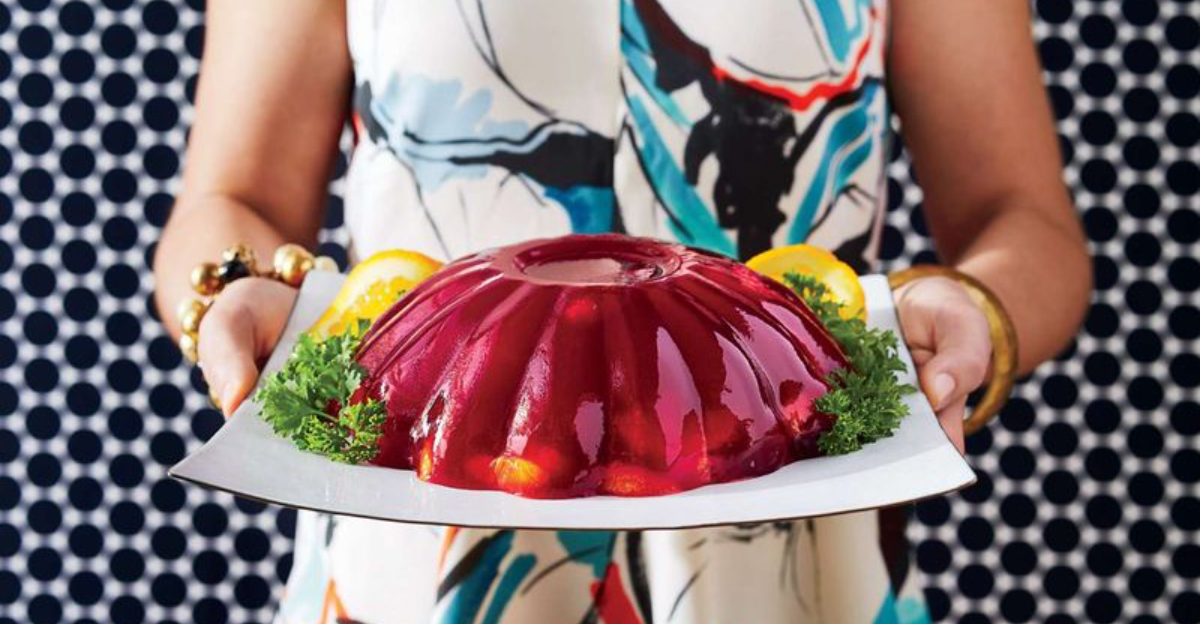
Picture a wiggly, translucent green tower sitting proudly between the mashed potatoes and pot roast. Lime Jell-O studded with shredded carrots or canned fruit cocktail was considered a legitimate side dish in Missouri households.
Housewives spent serious time perfecting their molded creations, often using fancy-shaped pans. The shimmer and wobble were signs of culinary achievement, not cafeteria nightmares. Today’s kids would probably poke it suspiciously before politely declining.
Back then, gelatin was modern and scientific, a symbol of kitchen innovation. The convenience of powdered mix plus whatever was in the pantry made it a go-to recipe. Now it mostly lives on as a quirky memory at retro-themed potlucks.
2. Tuna-Noodle Casserole As A Centerpiece
Canned tuna met canned cream-of-mushroom soup in a bubbling dance of noodles and convenience. This casserole reigned supreme as a weeknight dinner hero across Missouri kitchens. Topped with crushed potato chips or breadcrumbs, it emerged from the oven golden and aromatic.
Families considered it comfort food at its finest, a warm hug in dish form. The recipe required zero fresh ingredients, making it budget-friendly and pantry-perfect. Modern kids raised on sushi-grade tuna might find the canned version puzzling.
My grandmother made hers every Thursday without fail, calling it her special recipe. The creamy texture and savory flavor satisfied hungry families after long work days. Today it gets called mystery casserole more often than beloved classic.
3. Eating On TV Trays While Watching The Evening Show
Folding metal trays with colorful designs became miniature dinner tables in front of the black-and-white television. Families balanced plates on these wobbly stands while watching Bonanza or The Andy Griffith Show.
Kids today have plenty of screen time, but the formality of TV-tray dinners feels distinctly vintage. Everyone had their designated spot on the sofa, tray legs carefully adjusted to avoid spills. Parents still enforced table manners despite the living room location.
The practice brought families together in a different way than formal dining rooms did. Laughter mixed with clinking forks as plot twists unfolded on screen. Now streaming services and individual devices have replaced that communal viewing experience entirely.
4. Green-Bean Casserole From A Can Of Cream Soup And Fried Onions
Campbell’s cream of mushroom soup became the foundation for Missouri’s most beloved vegetable side dish. Green beans straight from the can got mixed with the condensed soup and baked until bubbly. Those crispy French-fried onions sprinkled on top provided the only texture contrast.
This casserole appeared at every holiday meal and church potluck without exception. Kids nowadays might question why vegetables need so much processed help to taste good.
Fresh green beans and homemade cream sauce sound fancy now, but nobody thought that way then. Convenience meant more time with family and less kitchen stress. The tradition survives mostly at Thanksgiving, clinging to nostalgia like those onions cling to the top.
5. Meatloaf Glazed With Ketchup Or Canned Sauces
Ground beef got mixed with breadcrumbs, eggs, and seasonings before being shaped into a dense loaf. The signature ketchup glaze painted across the top caramelized in the oven, creating a sweet-tangy crust.
Meatloaf represented practical home cooking at its most efficient and economical. Leftovers made excellent sandwiches the next day, stretching the meal even further. Today’s kids often see it as cafeteria food or the butt of jokes rather than dinner’s star protein.
Some families got fancy with canned tomato sauce or chili sauce instead of plain ketchup. The texture was admittedly mushy, but that was part of its homestyle charm. Modern palates prefer individual burgers or fancy beef dishes over the humble loaf.
6. Spam And Other Shelf-Stable Canned Meats On The Menu
Canned meat sat proudly in Missouri pantries, ready to become dinner at a moment’s notice. Spam could be fried until crispy, cubed into casseroles, or sliced cold for sandwiches. Other shelf-stable options like Vienna sausages and deviled ham filled similar roles in the protein rotation.
I remember my aunt frying Spam slices until the edges got brown and crunchy for breakfast. The salty, processed flavor was just normal food, not a punchline or survival ration.
The long shelf life made canned meat practical for families without daily grocery access. No refrigeration worries meant less food waste and easier meal planning. Modern fresh-food culture has pushed these pantry staples into novelty territory for most households.
7. Gelatin Molds Often Shaped And Decorated For Dessert Or Side
Fancy copper molds hung in kitchens specifically for creating impressive gelatin presentations. Layered colors, suspended fruit pieces, and intricate shapes turned simple Jell-O into edible art. Hostesses competed to produce the most stunning wobbly centerpiece for special occasions.
The formality of food that jiggles would absolutely perplex modern kids used to cakes and pies. Unmolding the creation without disaster required skill and careful timing.
Both sweet dessert versions and savory side-dish varieties graced Missouri tables with equal frequency. The shimmering appearance suggested sophistication despite the humble ingredients involved. Today’s Instagram-worthy desserts have replaced these retro showpieces in the cultural imagination.
8. Relish Trays Of Pickles, Olives And Canned Beets
Compartmentalized dishes held an assortment of briny, vinegary bites before the main meal arrived. Dill pickle spears, green and black olives, pickled beets, and celery sticks offered salty snacking. Toothpicks stuck out at jaunty angles, inviting everyone to help themselves communally.
This pre-dinner tradition kept hungry family members occupied while the cook finished preparations. The shared nature of the tray promoted conversation and togetherness around the table. Kids today unused to communal finger foods might find the concept oddly informal yet formal simultaneously.
Each person had their favorite item to claim first, creating playful competition. The strong flavors prepared palates for the hearty meal to follow. Modern appetizers tend toward individual portions rather than these passed-around platters of pickled everything.
9. Calling The Family To Supper With A Bell, Whistle Or Wooden Spoon Tap
No group texts or intercom systems existed to announce mealtime had arrived. Mothers stepped onto porches and rang actual bells, blew whistles, or banged wooden spoons against pots. The sound carried across yards and neighborhoods, summoning scattered family members immediately.
Kids playing outside knew that particular sound meant drop everything and head home now. Why not just send a text or yell from the doorway instead.
Each family had their signature summoning method that kids recognized instantly even blocks away. The ritual marked clear boundaries between playtime and family obligations. Today’s constant digital connectivity has made these acoustic signals feel almost prehistoric in comparison.
10. TV Dinners Frozen Compartmentalized Trays Heated For Convenience
Aluminum trays divided into sections held an entire meal that went straight from freezer to oven. Salisbury steak, mashed potatoes, corn, and a brownie all cooked together in their little compartments. The novelty of a complete plated meal emerging hot from a frozen package felt revolutionary.
Swanson and other brands made weeknight cooking almost effortless for busy families. Kids now mostly know frozen meals as different products rather than these iconic segmented trays.
The slightly soggy vegetables and rubbery meat were acceptable trade-offs for the convenience factor. Eating one felt modern and space-age in the best possible way. Today’s meal-prep culture echoes the concept but with fresher ingredients and better nutrition awareness.
11. Boxed Cake Mixes And Canned Frosting As The Standard Celebration Cake
Betty Crocker and Duncan Hines boxes lined pantry shelves, ready to become birthday celebrations. Add eggs, oil, and water, then bake for instant homemade cake success. Canned frosting in chocolate or vanilla got spread on top with minimal fuss or decorating skills required.
From-scratch baking was rarer and reserved for serious bakers with extra time. The boxed mix represented practical motherhood, not laziness or shortcuts. Kids today often see elaborate custom cakes or artisanal scratch baking as the expected norm instead.
I remember my mom’s signature yellow cake with chocolate frosting from cans and boxes exclusively. Nobody complained because it tasted like childhood happiness and celebration. Modern baking culture has shifted toward homemade everything, making convenience mixes feel almost apologetic now.
12. Instant Pudding And Boxed Dessert Mixes As Everyday Sweets
Packets of powder transformed into smooth pudding after just five minutes of whisking with cold milk. Jell-O brand instant pudding dominated dessert offerings alongside other quick-fix sweet treats. No baking, no cooking, no waiting for anything to set in the refrigerator overnight.
The speed and simplicity made nightly desserts feasible for even the most time-crunched households. Kids expected something sweet after dinner, and instant mixes delivered reliably every time.
Chocolate, vanilla, and butterscotch flavors covered most preferences without requiring culinary expertise. The chemical-forward taste was just how pudding was supposed to taste back then. Modern scratch-cooking trends have repositioned these convenience products as guilty pleasures rather than everyday staples.
13. Open-Faced Roast Beef Or Hot Turkey Sandwiches Smothered In Gravy
Slices of roast meat got laid across white bread, then drowned in piping hot gravy. The upside-down sandwich concept turned leftovers into a legitimate meal worthy of the dinner table. Mashed potatoes often joined the plate, soaking up the excess gravy enthusiastically.
Diners and home kitchens alike served this comfort food classic regularly throughout Missouri. The bread turned soggy almost immediately, which was somehow part of the appeal. Modern kids accustomed to handheld sandwiches might find eating this with a fork and knife confusing.
My dad called it his favorite way to use Thanksgiving turkey for days afterward. The warm, savory combination satisfied cold-weather appetites perfectly. Today’s sandwich culture leans toward stacked ingredients between bread rather than this gravy-soaked presentation style.
14. Salad Made With Mayonnaise As Its Base Ambrosia Cottage-Cheese Salads
Heavy, mayo-based concoctions counted as salad despite containing mostly fruit and marshmallows. Ambrosia mixed canned mandarin oranges, coconut, mini marshmallows, and whipped topping or mayonnaise.
These sweet-savory combinations sat alongside main courses as legitimate vegetable substitutes somehow. The mayonnaise base held everything together in creamy, questionable harmony. Kids raised on vinaigrettes and fresh greens would find the whole category deeply strange.
Every church potluck featured at least three variations of mayo-based salads competing for attention. The term salad stretched to include nearly anything cold and served in a bowl. Modern nutritional awareness has mostly retired these dishes to vintage recipe book curiosities.
15. Passing The Platter Family Style From Serving Bowls In The Center
Large serving bowls and platters sat in the middle of the table for communal sharing. Everyone passed dishes clockwise, taking their portion before sending it along to the next person. The ritual taught patience, sharing, and proper serving spoon etiquette simultaneously.
Family-style dining created bonding moments through the physical act of serving one another. Kids learned to take reasonable portions and consider others waiting their turn. Today’s children raised on individually plated portions may not relate to this choreographed passing dance.
The clatter of serving spoons and polite requests to pass the potatoes filled dinner conversation. Mastering the one-handed bowl pass while holding your plate was a rite of passage. Modern restaurant culture has shifted toward pre-plated presentations even in home settings for many families.
16. Pickled Everything Okra Eggs Beets As A Routine Side
Vinegar-soaked vegetables appeared at nearly every meal as expected accompaniments. Pickled eggs bobbed in jars of pink brine, while okra and beets offered tangy crunch. These weren’t just occasional condiments but routine side dishes with their own place in the meal structure.
Home canning and pickling preserved garden harvests for year-round eating. The strong, acidic flavors cut through rich, heavy main dishes effectively.
Every grandmother had her secret pickling spice blend and preferred vegetables to preserve. The tradition connected families to seasonal eating patterns and food preservation skills. Today’s fresh-vegetable focus has pushed pickled sides into specialty or nostalgic category rather than everyday eating.
17. Church-Basement Community Cookbook Recipes Dominating The Table
Spiral-bound cookbooks compiled by church ladies contained the recipes that defined Missouri home cooking. Casseroles, Jell-O salads, pies, and hotdishes all came from these neighborhood collections. Each recipe included the contributor’s name, creating accountability and pride in shared culinary traditions.
These cookbooks guided weekly menus more reliably than any celebrity chef or food magazine. Everyone knew whose tuna casserole recipe was best and whose pie crust never failed.
I still have my grandmother’s church cookbook with her favorite pages marked and splattered. The handwritten notes and ingredient substitutions tell family stories through food. Modern Pinterest boards serve a similar function but lack the tangible community connection these books represented.
18. Calling Dinner Supper And Enforcing A Strict Mealtime Schedule
The evening meal was supper, not dinner, and it happened at the same time every single day. Six o’clock meant everyone at the table, no exceptions or negotiations. The terminology and rigid scheduling reflected agricultural roots and factory-shift patterns that governed daily life.
Missing supper required a serious excuse because family mealtime was non-negotiable. The weekly clockwork created predictability and routine that structured entire households.
Kids knew to be washed up and seated before Dad said grace at precisely six. The discipline around mealtime extended to behavior expectations and conversation rules too. Today’s varied family schedules with sports practices and work shifts make synchronized eating much harder to achieve regularly.
19. Dessert Rationed No Dessert Unless You Eat Your Vegetables As Iron Law
Dessert functioned as an earned reward rather than an automatic meal conclusion. Clean plates meant pie or cake, while untouched vegetables meant watching others enjoy sweets. The bargaining system was enforced with iron consistency across Missouri households.
Parents wielded dessert as powerful leverage to ensure vegetable consumption happened. The negotiation dance played out nightly, with kids calculating minimum bites required.
No amount of pleading or promising changed the rule once it was established. The dessert sat visible on the counter, tantalizing holdouts into compliance. Modern nutrition advice often discourages using sweets as rewards, making this once-universal practice feel outdated and potentially problematic now.
20. Aspic Creations
Imagine a dish that wobbles and glistens, capturing attention at any meal. In 1960s Missouri, aspics were culinary centerpieces. Crafted from flavored gelatin, these savory creations encased meats, vegetables, or seafood.
Aspics were often elaborately shaped and presented with a flourish. They were considered a mark of sophistication, reflecting the era’s love for creativity in presentation.
Today, the idea of a gelatin-encased dish might seem peculiar to kids, but back then, it was a staple of festive gatherings. Aspics highlighted the adventurous spirit of mid-century cooking.
21. Bone China Tea Sets
Tea time took on an elegant charm at the Missouri dinner table with bone china tea sets. These delicate sets were prized possessions, often passed down through generations.
The clinking of fine china added a genteel touch to everyday meals, turning ordinary moments into special occasions. Sipping tea from these exquisite cups was an experience steeped in tradition and grace.
Young ones today may not grasp the allure, but for families of the ’60s, these sets were symbols of refinement and hospitality, treasured and revered.