
25 Louisiana Dinner Table Traditions From The 1960s That Would Leave Today’s Kids Wondering Why
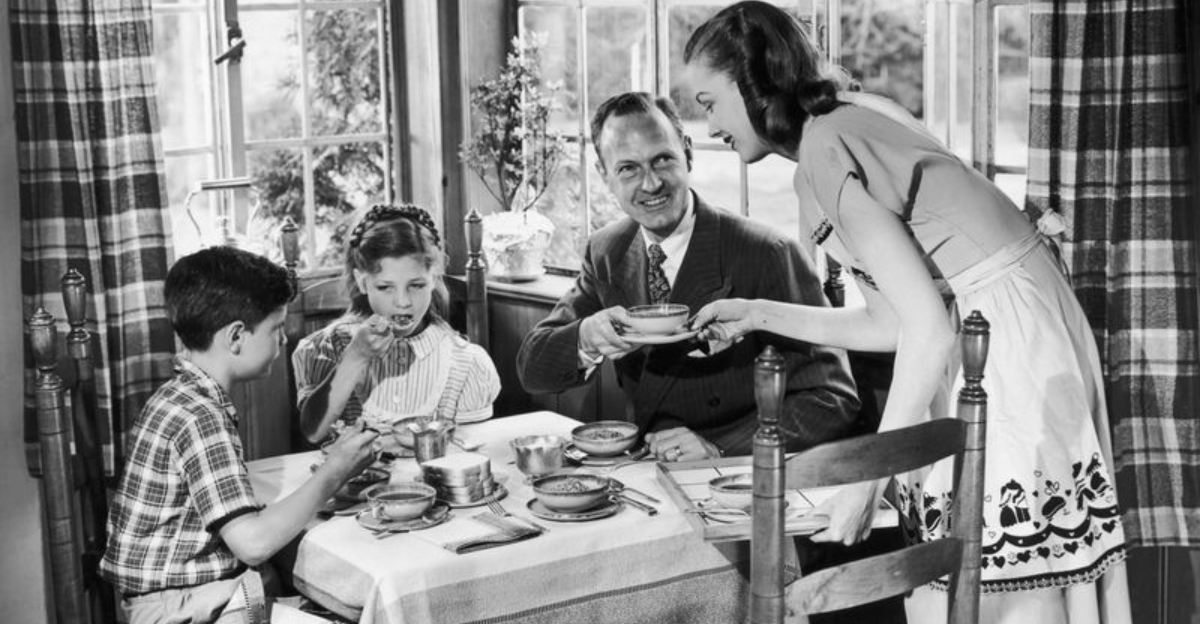
Growing up in Louisiana during the 1960s meant sitting down to meals that were as much about ceremony as they were about sustenance. My grandmother insisted on certain rituals that seemed perfectly normal then but would baffle modern kids raised on takeout and smartphones.
Every meal was an event, a celebration of not just food but family, a reminder that shared moments around the table were as important as what was on the plate. Those dinner table traditions shaped not just what we ate, but how we connected as families and communities.
Let me walk you through some customs that made Louisiana dining tables unique back when Elvis was king and gumbo ruled every Sunday.
1. Waiting For The Blessing Before Even Breathing
Nobody touched a fork until someone said grace, and I mean nobody. My cousin once reached for a roll before the amen and got his hand swatted so fast he thought a mosquito bit him.
The blessing could last thirty seconds or three minutes depending on who was leading, and we all stood there with growling stomachs pretending we weren’t starving.
Today’s kids would probably check their phones halfway through. Back then, that pause before eating reminded us that food didn’t just magically appear. Farmers worked, fishermen risked their lives, and someone spent hours cooking what sat steaming before us.
2. The Adults Ate First While Kids Circled Like Hungry Pelicans
Children didn’t sit at the main table during big gatherings. We waited our turn like it was some kind of endurance test, watching the grownups pile their plates high while our stomachs staged a full rebellion.
The kids’ table was usually a card table in the corner or the back porch, and we got whatever remained after the adults finished.
This hierarchy taught patience, though I’m not sure modern parents could enforce it without a mutiny. We learned to appreciate food because scarcity felt real. Plus, the kids’ table became our own little kingdom where we could talk without censorship.
3. Sunday Lunch Lasted Longer Than Some Movies
Sunday lunch started around noon and didn’t wrap up until three or four in the afternoon. We’re talking multiple courses, endless conversation, and enough food to feed a small army.
My family would gather at my grandparents’ house, and leaving early was considered downright disrespectful.
Kids today schedule playdates and activities that wouldn’t allow for three-hour meals. Back then, Sunday was sacred family time, and the dinner table served as our entertainment center. We shared stories, settled arguments, and strengthened bonds one bite of roast at a time. Commander’s Palace still honors this tradition with their legendary Sunday brunch experience.
4. Elbows On The Table Earned You A Lecture About Manners
Rest your elbows on the table and you’d hear about it faster than a crawfish boils. My grandmother had eyes like a hawk and would tap your arm with her spoon if you forgot. Proper posture wasn’t optional; it was drilled into us like multiplication tables.
Modern families barely enforce this rule anymore, what with casual dining and eating in front of screens. But back then, how you sat revealed your upbringing.
Good posture showed respect for the meal, the cook, and everyone sharing the table. It sounds stuffy now, but it made dinnertime feel important rather than routine.
5. You Ate What Was Served Or You Went Hungry
Picky eating wasn’t accommodated in Louisiana households during the sixties. If red beans and rice appeared on your plate, that’s what you ate—no substitutions, no complaints. I once tried to refuse my grandmother’s okra gumbo and learned real quick that hunger was my only alternative.
Today’s parents often make separate meals for finicky eaters, but that wasn’t happening in 1960s Louisiana.
You developed an adventurous palate or you developed an empty stomach. This approach actually worked because most of us grew to love foods we initially resisted. Waste wasn’t tolerated when many families remembered harder times.
6. Fresh Caught Fish Appeared On Plates The Same Day
Fish didn’t come from the freezer section back then. My uncle would return from the bayou with his morning catch, and by evening we’d be eating speckled trout or redfish so fresh it practically tasted like the Gulf. The whole house smelled like a combination of fish frying and Creole seasoning.
Kids today might wrinkle their noses at fish that still had scales that morning. We watched the entire process from catch to plate, understanding where our food originated.
That connection to the water and the land made meals meaningful. Middendorf’s in Manchac still serves paper-thin fried catfish using similar old-school methods since 1934.
7. The Rice Pot Never Left The Stove
Rice wasn’t a side dish in Louisiana—it was practically a religion. My mother kept a pot going on the stove constantly because you never knew when you’d need it for red beans, gumbo, or étouffée. Running out of rice was like running out of air.
Modern kitchens have rice cookers and instant options, but we made ours from scratch daily.
That pot of fluffy white rice formed the foundation of nearly every meal. You could stretch any dish by adding more rice, making it economical and filling. Every Louisiana cook had their own technique for achieving perfect texture without burning the bottom.
8. Formal Dress Code Applied Even At Home
You didn’t show up to Sunday dinner in shorts and a t-shirt. Men wore pressed shirts and sometimes jackets, while women appeared in dresses with their hair done properly. Even weeknight dinners required clean clothes and combed hair at minimum.
Today’s families eat in pajamas half the time, but the sixties demanded presentation. Dressing for dinner showed you valued the occasion and respected those who prepared the food.
Galatoire’s on Bourbon Street still requires jackets for dinner, maintaining that elegant tradition since 1905. We learned that how you presented yourself mattered, even in your own home.
9. Guests Received The Best Portions And Choicest Cuts
Louisiana hospitality meant guests ate like royalty while the host family made do with less. My mother would serve visitors the biggest chicken breast or the prime cut of roast, saving the scraps for us. We understood this without question because that’s how you showed respect.
Modern dinner parties feel more egalitarian, with everyone serving themselves buffet-style. But in the sixties, the host controlled portions, and generosity toward guests came first.
This tradition taught us that caring for others sometimes meant personal sacrifice. The act of giving someone your best food was a powerful gesture of welcome and love.
10. Leftovers Got Transformed Into Completely New Meals
Nothing went to waste in a 1960s Louisiana kitchen. Sunday’s roast chicken became Monday’s chicken salad, which turned into Tuesday’s chicken and dumplings. My grandmother could stretch one meal into four with creativity that would impress today’s food bloggers.
We didn’t have the luxury of tossing food that wasn’t perfectly fresh. Economic necessity bred culinary innovation, and some of our best dishes emerged from reinventing leftovers.
Kids today might balk at eating the same protein three days running, but we barely noticed because the preparations varied so dramatically. This resourcefulness defined Louisiana cooking more than any fancy ingredient ever could.
11. The Muffuletta Was A Special Occasion Sandwich
Central Grocery’s muffuletta wasn’t everyday food—it was an event. When my father brought one home, we knew something special was happening. That massive round sandwich stuffed with cold cuts, cheese, and olive salad could feed six people easily.
Today you can grab a muffuletta whenever you want, but in the sixties, it required a trip to the French Quarter and some planning.
Central Grocery has been making them since 1906, and they just reopened in December 2024 after renovations. We’d slice that sandwich into wedges and savor every bite, knowing it might be months before we tasted another one. Special food remained special because we didn’t have constant access.
12. Café Au Lait And Beignets Counted As Breakfast
Nutritionists today would faint at the idea of fried dough and coffee as a complete breakfast, but that’s exactly what we had. Café du Monde has served beignets and café au lait since 1862, and weekend mornings often meant a trip to the French Market for that powdered sugar experience.
We’d sit at those green tables, getting sugar all over ourselves, completely satisfied until lunch. Nobody worried about protein or whole grains back then.
The ritual of sharing hot beignets while watching the city wake up created memories that outlasted any nutritional concerns. That simple combination felt like pure Louisiana magic on a plate.
13. Oysters Got Eaten Raw Without Any Fear
We slurped down raw oysters by the dozen without thinking twice about bacteria or safety warnings. Acme Oyster House in the French Quarter has served them since 1910, and standing at that bar eating freshly shucked oysters was a rite of passage.
Today’s parents research water temperatures and harvest locations before letting kids near raw shellfish. We just squeezed lemon, added hot sauce, and swallowed them whole.
The trust in local fishermen and the Gulf waters ran deep, and getting sick from oysters seemed rare enough not to worry about. That fearless approach to food defined our relationship with the sea.
14. Friday Meant Fish Because The Church Said So
Catholic families didn’t eat meat on Fridays, period. My mother planned the weekly menu around this religious requirement, and Friday nights featured catfish, shrimp, or whatever seafood she could prepare. This wasn’t a suggestion—it was a rule backed by eternal consequences.
Modern Catholics have more flexibility, but in the sixties, Friday fish was non-negotiable. Restaurants like Casamento’s, open since 1919, built their reputations on Friday fish crowds.
This tradition actually benefited Louisiana’s seafood industry and forced cooks to master fish preparation. We never felt deprived because Louisiana’s waters provided such incredible variety that Friday often became our favorite dinner night.
15. Po-Boys Were Working Class Fuel, Not Gourmet Food
Po-boys fed dock workers and factory employees, not foodies looking for Instagram content. Domilise’s has made them since 1918, stuffing French bread with fried shrimp or roast beef debris so generously that eating one required strategy and napkins.
These sandwiches cost pocket change and filled you up for an entire shift of hard labor. Nobody called them artisanal or craft—they were honest food for honest work.
My grandfather would bring home po-boys on paydays, and we’d tear into them like we’d been stranded on an island. The simplicity and abundance made them perfect. Today they’ve been elevated to trendy status, but they started as pure necessity transformed into deliciousness.
16. The Dining Room Was Reserved For Special Occasions Only
Most families had a formal dining room that sat empty except for holidays and important guests. We ate everyday meals in the kitchen while that fancy room remained pristine, furniture sometimes covered in protective plastic. Using the good dining room for regular dinner seemed wasteful and pretentious.
Modern homes often skip formal dining rooms entirely, making kitchens the central gathering space. But in the sixties, that separation reinforced the idea that some occasions deserved ceremony. When we finally sat at that big table for Thanksgiving or Christmas, it felt momentous. The room itself told us this meal mattered more than Tuesday’s pork chops.
17. Creole Restaurants Required Reservations And Patience
You didn’t just walk into Antoine’s or Commander’s Palace expecting immediate seating. These establishments demanded reservations, proper attire, and an understanding that fine dining took time. Antoine’s has operated since 1840, creating Oysters Rockefeller and setting standards for haute Creole cuisine.
Today’s fast-casual culture would clash hard with the pace of 1960s fine dining. Multiple courses arrived slowly, and rushing the experience was considered rude. Commander’s Palace, established in 1893, still maintains this elegant approach with their famous 25-cent martini lunch.
We learned that good things required patience, and the anticipation made everything taste better. These restaurants weren’t just feeding us—they were teaching us refinement.
18. Gumbo Debates Could End Friendships
Ask two Louisiana cooks about proper gumbo and you’d witness passion that rivaled political debates. Should it have tomatoes? What about okra versus filé? Dark roux or medium? These questions sparked discussions that lasted hours and sometimes generations.
Every family guarded their gumbo recipe like a state secret, convinced their version was the only authentic one.
Dooky Chase’s, run by the legendary Leah Chase since 1939, became famous for their Creole gumbo approach. We learned early that criticizing someone’s gumbo was fighting words. Those debates taught us that food carried identity and history, making every pot personal. The passion behind those arguments showed how deeply cuisine connected to culture.
19. The Grasshopper Was A Dessert Drink That Adults Loved
Tujague’s created the Grasshopper, a minty green dessert drink that adults sipped after meals. Established in 1856, they moved up Decatur in 2020 but still serve this vintage classic. We kids couldn’t have them, which made them seem incredibly sophisticated and mysterious.
The combination of cream and mint created something between a milkshake and fancy cocktail. Today’s craft mixology scene might dismiss it as too sweet or retro, but in the sixties, ordering a Grasshopper signaled you knew your way around a menu. Watching adults enjoy them made us eager to grow up and join that world of after-dinner indulgence. Some traditions taste like nostalgia in a glass.
20. Bananas Foster Got Flambéed Tableside With Dramatic Flair
Brennan’s created Bananas Foster in 1951, and by the sixties, watching it prepared tableside was pure theater. The waiter would ignite the rum, sending flames dancing while bananas caramelized in butter and brown sugar. We’d sit mesmerized by the show before devouring the result over vanilla ice cream.
Modern safety regulations sometimes limit tableside pyrotechnics, but Brennan’s still serves this classic since 1946.
That moment when the flames appeared made dessert an event rather than just a sweet ending. We learned that presentation mattered as much as taste. The drama elevated a simple banana into something unforgettable, proving Louisiana knew how to celebrate food properly.
21. Counter Service Diners Felt Like Community Centers
The Camellia Grill opened in 1946, and by the sixties, that counter was where neighbors became friends. You’d sit elbow to elbow with strangers, sharing conversation while servers performed their choreographed dance behind the counter. Everyone knew everyone’s business by dessert.
Today’s dining emphasizes privacy and personal space, but those crowded counters built community. You couldn’t hide behind your phone because phones stayed home on the wall.
The forced proximity created connections that modern restaurants rarely foster. We learned social skills by necessity, making small talk with whoever sat beside us. Those counters served more than food—they served belonging.
22. Lunch Was Called Dinner And Dinner Was Called Supper
The biggest meal happened midday and we called it dinner, while the evening meal was supper. This agricultural tradition persisted in Louisiana long after most families left farming. My grandfather would come home at noon expecting a full spread, not a sandwich.
Modern schedules make large midday meals impractical, but in the sixties, life revolved around that noon dinner. Supper was lighter, often leftovers from the big meal.
This rhythm matched the heat—eating heavy food during the coolest part of day made sense before air conditioning was universal. The terminology confused outsiders, but to us, dinner at noon felt perfectly natural and logical.
23. The Friday Lunch At Galatoire’s Was A Sacred Ritual
Galatoire’s Friday lunch became a New Orleans institution where business deals happened and society gathered. Established in 1905, the restaurant still requires jackets and maintains that legendary tradition. People would line up early for tables, treating it like the social event of the week.
This wasn’t just eating—it was theater, networking, and cultural preservation rolled into one meal. Multiple courses stretched across hours while the city’s power players made connections over Creole classics. Kids rarely participated, but we heard stories that made it sound like the most important lunch in Louisiana. That tradition taught us that some meals transcended food, becoming rituals that defined communities and relationships.
24. Family Style Creole Italian Meant Sharing Everything
Mosca’s in Avondale has served family-style Creole-Italian food since 1946, and eating there meant sharing huge platters with everyone at your table. You didn’t order individual entrees—you ordered for the group and passed dishes around like you were actually family.
This communal approach forced interaction and cooperation that individual plating doesn’t require. You had to negotiate, share fairly, and sometimes sacrifice getting seconds of your favorite dish. The food itself was incredible, but the shared experience created bonds.
Modern dining often isolates us with personal plates and preferences. Back then, that family-style service reminded us we were part of something larger than our individual appetites.
25. The Shrimp Buster Was A North Louisiana Treasure
Herby-K’s in Shreveport has served their famous Shrimp Buster since 1936, proving that great Louisiana food existed beyond New Orleans. This massive fried shrimp sandwich became a north Louisiana legend, showing regional pride through local specialties.
We sometimes forget that Louisiana’s food culture extended across the entire state, not just the southern coast. Each region developed its own treasures, and the Shrimp Buster represented Shreveport’s contribution to the state’s culinary identity.
Eating one meant participating in north Louisiana tradition, connecting to communities and histories different from New Orleans but equally authentic. These regional variations made Louisiana dining rich and diverse rather than monolithic.