
The Forgotten Cotton Town In Georgia That Feels Trapped In The 1800s
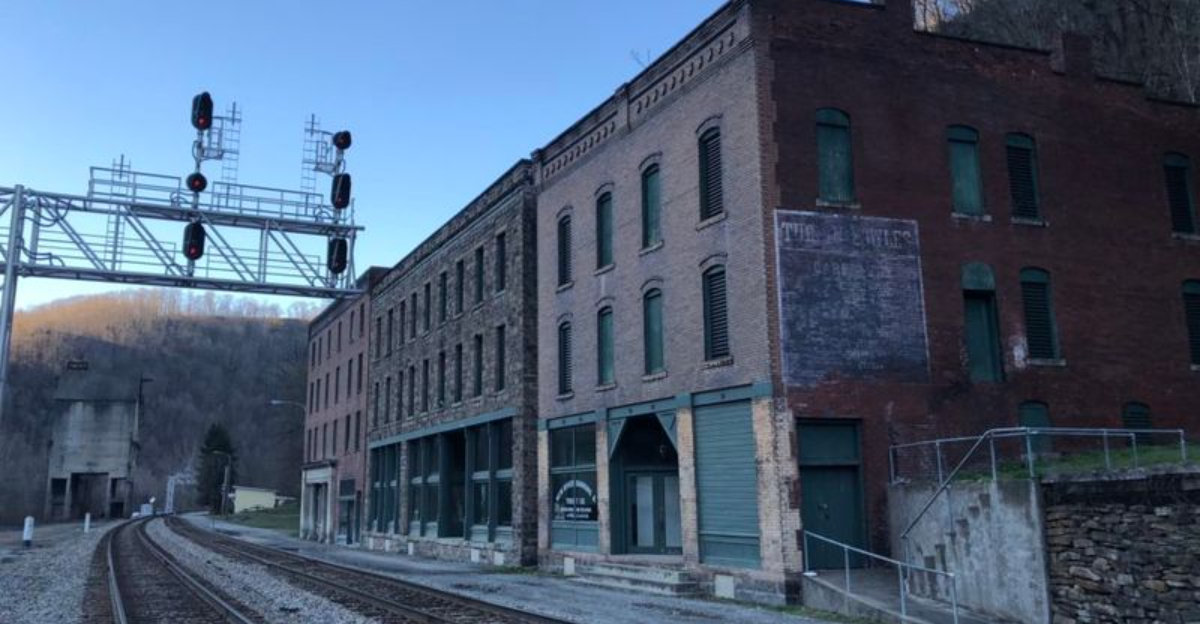
I stumbled upon Apalachee quite by accident during a road trip through Madison County, and honestly, it felt like I’d driven straight through a tear in time.
This tiny Georgia town, once bustling with cotton traders and railroad workers, now sits eerily quiet—its weathered buildings and empty streets whispering stories from a bygone era.
What makes Apalachee so captivating is how it refuses to modernize or disappear completely, clinging stubbornly to its 1800s roots even as the world rushes forward around it.
A Town That Time Forgot
Apalachee sits in Madison County like a museum nobody visits anymore. When I first drove through, I actually checked my GPS twice because it seemed impossible that a place this frozen in history could still exist.
The streets are so quiet you can hear your own heartbeat echoing off the old storefronts. There are no coffee shops, no gas stations, no neon signs screaming for attention—just silence and memories.
Walking around feels oddly peaceful yet melancholy, like attending a funeral for a century that faded away long ago. The few structures still standing lean slightly, as if tired from holding up the weight of forgotten dreams. Time didn’t just pass Apalachee by; it packed up and left without saying goodbye.
Born From Cotton And Railroad Dreams
Back in its heyday, Apalachee thrived on two things: fluffy white cotton and the screaming whistle of locomotives. The railroad brought merchants, travelers, and money—lots of it—turning this sleepy spot into a legitimate trading hub.
Cotton was king, and every farmer within miles knew Apalachee was where you brought your harvest to ship out. The depot buzzed with activity from dawn until dusk, with workers loading bales onto train cars bound for distant markets.
I tried imagining the chaos and energy that once filled these now-silent streets, and it’s almost impossible. The railroad tracks are still visible in places, rusted and overgrown, like ancient bones peeking through Georgia red clay.
The Glory Days Of Georgia’s Cotton Belt
Apalachee wasn’t just surviving during the cotton boom—it was absolutely thriving. Farmers, merchants, blacksmiths, and shop owners all depended on the rich red soil that produced bountiful cotton crops year after year.
Small though it was, this town had big ambitions. General stores stocked everything from farm tools to fancy fabrics, and the local church served as the social heartbeat of the community. People believed Apalachee would grow into something grand.
But agriculture is fickle, and so is fortune. When soil nutrients depleted and crop prices dropped, the dream started crumbling. Still, for a glorious stretch of time, Apalachee was a name that mattered in Georgia’s Cotton Belt—a genuine player in the state’s economy.
When The Tracks Went Silent
Nothing hurts a small town faster than losing its lifeline, and for Apalachee, that lifeline was the railroad. When train service dwindled and eventually stopped altogether, it was like someone unplugged the town’s heart monitor.
Farmers couldn’t ship their goods as easily, merchants lost customers, and young people started leaving for cities with actual opportunities. The once-bustling depot became a ghost, its platform empty except for the occasional curious visitor like me.
I stood on those old tracks and tried to hear the phantom whistle of trains that would never return. The silence was deafening—no rumble, no steam, no life. When the trains left, they took Apalachee’s future with them, leaving behind only echoes and rust.
Ghosts Of Storefronts And Churches
Walking past Apalachee’s remaining structures feels like touring a graveyard for architecture. Wooden storefronts sag under the weight of decades, their paint peeling in long curls that flutter in the breeze like tired flags of surrender.
I peeked through a dusty window of what must have been a general store once. Inside, shadows and cobwebs have claimed every corner, and I swear I could almost see phantom shoppers browsing shelves that no longer exist.
The old church still stands, remarkably stubborn, its steeple reaching toward heaven as if praying for revival. A few homes nearby show signs of life—curtains, mailboxes, the occasional parked truck—but mostly, Apalachee is a collection of beautiful, heartbreaking ruins slowly returning to the earth.
A Community That Refused To Vanish
Here’s the wild part: Apalachee was officially dissolved as a town in 1995, yet people still live there. Officially dissolved! That’s like being declared gone for good but still showing up for breakfast every morning.
A handful of families refuse to abandon their ancestral homes, clinging to the land their great-great-grandparents worked. I met one elderly gentleman who told me his family had been there since before the Civil War, and he had zero plans to leave.
Their stubbornness is both admirable and heartbreaking. These folks are living monuments to a vanished way of life, keeping Apalachee’s spirit alive through sheer willpower. They may not have a functioning government or economy, but they’ve got something money can’t buy: roots deeper than Georgia pine.
Echoes Of The Old South
Drive around Apalachee and you’ll notice the cotton fields haven’t gone anywhere. They still stretch toward the horizon, white puffs dotting the landscape like clouds that fell to earth and decided to stay.
The pace of life here moves slower than molasses in January—nobody’s rushing to appointments or checking their phones frantically. Porch-sitting is the main activity, and conversations happen at a leisurely drawl that modern society has almost forgotten.
I found myself unconsciously slowing down, breathing deeper, noticing small things like birdsong and the way sunlight filters through ancient oak trees. Apalachee preserves rhythms that most of America bulldozed decades ago in the name of progress. Sometimes, standing still is its own form of resistance.
Where History Hangs In The Air
Visitors to Apalachee—the few who find it—all report the same strange sensation: the air feels thick with memory. It’s like the town’s entire past is suspended in the atmosphere, waiting for someone to acknowledge it.
The sun-bleached buildings practically glow in the afternoon light, their faded wood grain telling stories without words. I walked those quiet roads for over an hour and didn’t see a single car pass by—just me, the wind, and history.
Stepping into Apalachee genuinely feels like time travel, minus the fancy machine. You’re not visiting a preserved historical site with plaques and tour guides; you’re experiencing authentic decay, real abandonment, honest-to-goodness forgotten America. It’s beautiful, sad, and unforgettable all at once.