
These Hole-In-The-Wall Illinois Italian Restaurants Still Believe In Slow-Simmered Sauce
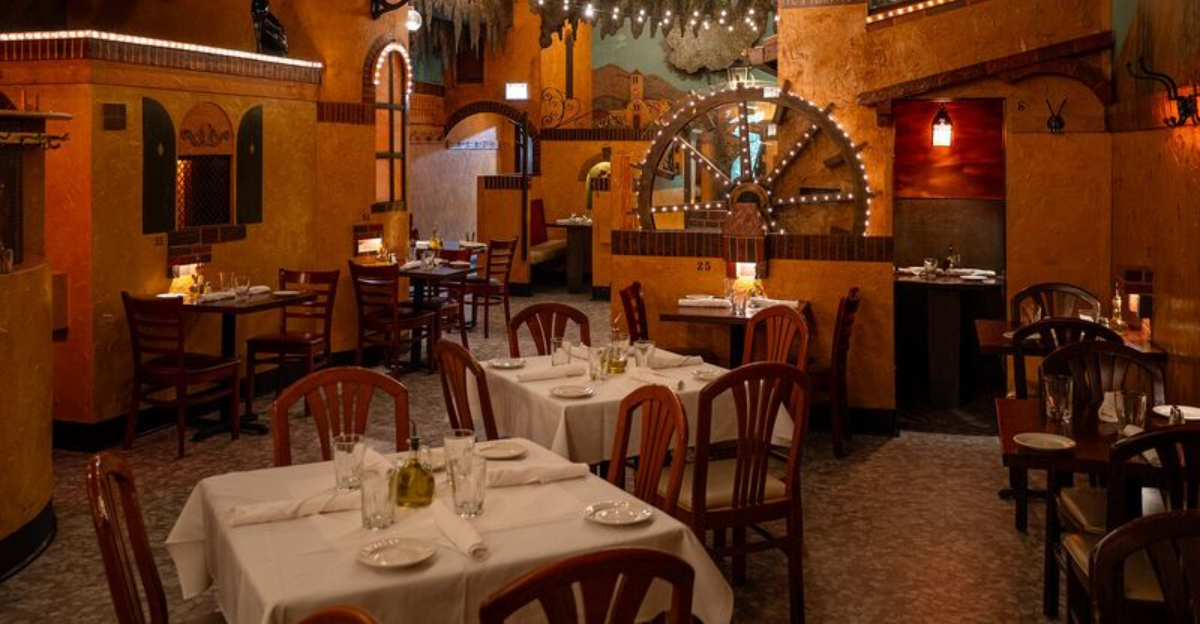
Are you ready for an Italian adventure that won’t break the bank or your taste buds? We’re talking about the kind of places where the decor might be a little dated, but the flavor is eternally divine.
Illinois is home to a collection of incredible hole-in-the-wall Italian restaurants that are champions of the slow-simmered sauce. These are the spots where every bite tells a story of tradition, community, and the pure joy of a perfectly balanced, deeply flavorful red sauce. Let’s eat!
1. Tufano’s Vernon Park Tap – Chicago (Little Italy)
Family recipes passed down through generations define this Little Italy landmark. The neighborhood crowd fills every table, drawn by the gravy that simmers for hours until it reaches perfection.
Tufano’s keeps things refreshingly simple, letting the tomato-based sauces speak for themselves. No pretentious plating or trendy twists here, just honest Italian-American comfort food prepared the way grandmothers intended.
Each dish arrives steaming hot, covered in sauce that clings beautifully to pasta. The family behind the counter greets guests like old friends, remembering favorite orders and dietary preferences. Prices remain reasonable despite the prime location.
2. La Scarola – Chicago (West Town)
Massive plates piled high with pasta make this West Town institution impossible to forget. The tomato sauces taste like someone’s been coaxing them along all day, building layers of flavor that cheap shortcuts can never replicate.
La Scarola attracts both neighborhood regulars and adventurous foodies seeking authentic Italian-American cooking. The menu features classic preparations without apologizing for their simplicity or their carb-heavy nature.
Every sauce component gets individual attention before combining into harmonious wholes. Garlic, basil, and San Marzano tomatoes meld together through patient simmering. The result justifies every minute spent waiting.
3. Francesco’s Hole In The Wall – Northbrook
Northbrook residents guard this suburban secret fiercely, hoping tourists never discover their favorite pasta spot. Francesco’s earns its name honestly, occupying a space barely larger than most living rooms.
Slow-cooked sauces form the foundation of nearly every menu item here. Chefs start early each morning, building flavor profiles that develop complexity throughout the day. My cousin dragged me here last summer, and I’ve been making the drive from Chicago ever since.
Reservations are essential because seating is limited and demand stays consistently high. The intimate setting means conversations from neighboring tables blend together, creating a warm communal dining experience. Prices reflect the quality ingredients and time-intensive preparation methods.
4. Mart Anthony’s – Chicago (Hubbard/West Loop Area)
Decades before the West Loop became a dining destination, Mart Anthony’s was serving long-simmered ragu to neighborhood workers. The old-school Italian menu refuses to chase trends, sticking instead with classic pastas that showcase proper sauce technique.
Every ragu receives hours of careful attention, with meat breaking down into tender shreds that melt into tomato bases. Garlic and herbs get added at precise intervals to maximize their aromatic contribution.
Regulars occupy the same barstools they’ve claimed for years, swapping stories over glasses of Chianti. The menu changes minimally from season to season because perfection needs no reinvention.
5. Rosebud On Taylor – Chicago (Little Italy)
Taylor Street’s most famous family operation serves portions so generous that takeout containers are practically guaranteed. Red-sauce comfort food dominates the menu, prepared using recipes that predate the restaurant’s opening by generations.
Rosebud’s commitment to traditional preparation methods shows in every bite of perfectly sauced pasta. Tomatoes simmer with olive oil, garlic, and fresh basil until they transform into liquid gold.
Waiters recommend dishes with genuine enthusiasm, steering newcomers toward house specialties. Reservations are strongly encouraged, especially on weekends.
6. Saputo’s – Springfield
Springfield diners have trusted Saputo’s for generations, returning repeatedly for Southern Italian recipes executed with unwavering consistency. The family behind the restaurant treats sauce preparation as sacred ritual, never rushing the process or cutting corners.
Simmered sauces remain central to nearly everything that leaves the kitchen here. Chefs balance acidity and sweetness with practiced precision, adjusting seasonings throughout the cooking process. The result tastes simultaneously familiar and special, like a beloved memory made edible.
Out-of-town visitors often stumble upon Saputo’s by accident, then make it a required stop on future trips. The menu offers enough variety to satisfy different preferences while maintaining focus on traditional preparations. Prices remain remarkably reasonable given the quality and portion sizes.
7. The Italian Village – Chicago (Loop/Downtown)
Operating since 1927, this downtown landmark has served traditional Italian fare through nearly a century of changing food trends. Three distinct dining rooms offer different atmospheres, but all share a commitment to classic pasta preparations and proper sauce technique.
Traditional sauces here follow recipes refined over decades of daily preparation. Tomatoes, herbs, and aromatics combine through patient simmering that can’t be rushed or replicated by modern shortcuts. I remember my grandparents bringing me here as a kid, and the marinara tastes exactly the same today.
The location makes it convenient for theater-goers and business lunches, yet the kitchen never sacrifices quality for speed. Servers know the menu intimately, offering helpful suggestions based on individual preferences.
8. Club Lago – Chicago (River North)
Since the 1950s, this family operation has been serving simple, homey Italian dishes to River North locals. The menu features red-sauce classics prepared without pretension or unnecessary complications.
Club Lago’s approach to sauce-making emphasizes patience and quality ingredients over fancy techniques. Tomatoes simmer gently for hours, developing depth and complexity that instant sauces can never achieve.
Regulars appreciate the lack of culinary theatrics, preferring honest food prepared with care and attention. Portions satisfy without overwhelming, and prices reflect the neighborhood’s working-class roots.
9. Via Roma – Des Plaines
Des Plaines residents treasure this small BYOB spot for its homestyle pasta and genuinely welcoming atmosphere. The dining room seats maybe thirty people on busy nights, creating an intimate setting where conversations flow easily.
Slow-cooked sauces form the backbone of the menu here, with recipes that reflect generations of Italian home cooking. The kitchen takes visible pride in proper preparation methods, refusing to rush dishes even when tables fill up.
The BYOB policy keeps costs manageable while encouraging diners to pair their favorite drinks with dinner. Reservations are essential because word has spread about this suburban gem. Service strikes the perfect balance between attentive and unobtrusive.
10. Volare Ristorante Italiano – Chicago (Streeterville)
Streeterville’s longstanding Italian restaurant maintains old-world charm while surrounding skyscrapers reach ever higher. Volare’s pomodoro and vodka-style sauces showcase what happens when traditional techniques meet quality ingredients.
Sauce preparation here follows time-honored methods that build flavor through patient reduction and careful seasoning. Cream-based sauces achieve silky textures that coat pasta without overwhelming delicate flavors.
The menu offers both familiar favorites and regional specialties that showcase Italy’s culinary diversity. Servers provide knowledgeable recommendations without being pushy or pretentious.
11. Il Porcellino – Chicago (River North)
Housemade pastas meet traditional tomato-based sauces at this River North neighborhood spot that locals prefer to keep secret. Il Porcellino combines rustic Italian charm with consistent execution that keeps regulars returning weekly. The open kitchen lets diners watch pasta being rolled and sauces being stirred.
Fresh pasta makes a noticeable difference when paired with properly prepared sauces that cling to every surface. The kitchen starts sauce preparation early each day, building layers of flavor through extended simmering.
The dining room feels comfortable rather than formal, encouraging guests to relax and enjoy their meals without pretense. Prices are fair given the quality ingredients and labor-intensive preparation methods. Weekend brunch offers Italian-inspired breakfast dishes alongside lunch favorites.
12. Bruna’s Ristorante – Chicago (Pilsen/Little Italy Area)
Operating since the 1930s, Bruna’s has outlasted countless restaurant trends by focusing on thick, flavorful sauces and family recipes. The dining room retains original details that transport guests to a different era of Chicago dining.
Sauce recipes at Bruna’s have been refined over nine decades of daily preparation, with each generation adding subtle improvements. The thick consistency comes from extended simmering that concentrates flavors and creates body without added starches.
My family has been coming here since before I was born, and the chicken parm still tastes exactly right. The menu balances classic preparations with seasonal specials that showcase available ingredients.
13. Orso’s – Chicago (Old Town)
Old Town’s family-run bistro delivers comforting pastas and reliably savory sauces to a loyal neighborhood following. Orso’s feels like the Italian restaurant every community wishes it had, balancing quality with approachability.
Savory sauces here achieve depth through proper technique rather than excessive ingredients or complicated preparations. Tomatoes, garlic, and olive oil form the foundation, with herbs and seasonings added judiciously.
Regulars greet each other across tables, creating a community atmosphere that makes solo diners feel welcome. The menu offers enough variety to prevent boredom while maintaining focus on Italian-American classics. Takeout orders receive the same careful attention as dine-in meals.
14. Ignotz Ristorante – Chicago (Pilsen, Heart Of Italy)
Pilsen’s pocket-neighborhood favorite built its reputation on chicken parm and lasagna that rely on hearty, slow-reduced sauces. Ignotz operates in a space small enough that kitchen aromas fill the entire dining room, building anticipation before food arrives.
Slow-reduced sauces achieve concentrated flavors that coat proteins and pasta with rich, savory goodness. The reduction process takes hours but creates complexity that quick-cooking methods can never match.
The neighborhood location means prices remain accessible to local families rather than catering exclusively to expense-account diners. Portions are generous without being wasteful, providing leftovers without overwhelming the initial meal.
15. Sapori Trattoria – Chicago (Lincoln Park)
Lincoln Park’s casual trattoria keeps red-sauce pastas and traditional preparations front-and-center while trendier spots chase fleeting fashions. Sapori’s commitment to old-school Italian cooking attracts diners seeking authenticity over Instagram-worthy presentations.
Traditional preparations here mean sauces that simmer for hours, building flavors through patient reduction and careful seasoning. The kitchen uses quality canned tomatoes during winter months rather than settling for mediocre fresh ones.
The menu changes seasonally but maintains core favorites that regulars depend on year-round. Service is friendly without being overly familiar, striking the right balance for neighborhood dining. Weekend waits can stretch long, but the kitchen maintains quality even under pressure.