
15 Minnesota Dinner Table Traditions From The 1960s That Would Baffle Today’s Kids
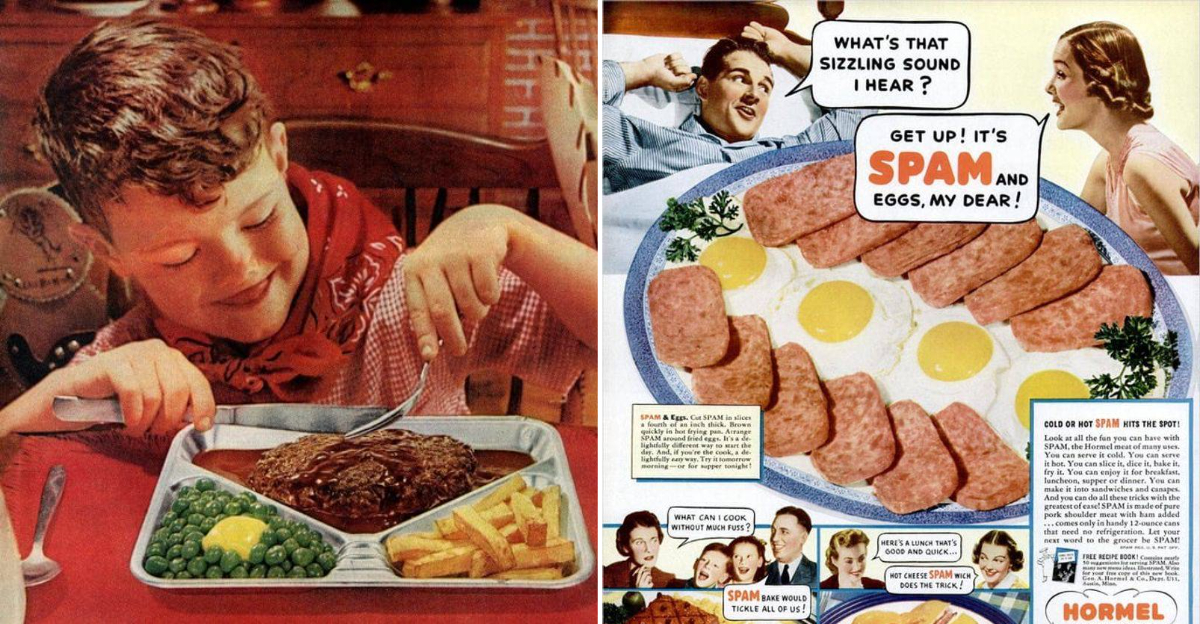
Growing up in Minnesota during the 1960s meant gathering around dinner tables filled with traditions that now feel like artifacts from another world.
My grandmother’s kitchen was ground zero for hearty casseroles crowned with crushed corn flakes, technicolor gelatin salads wobbling with mystery ingredients, and enough wild rice to feed a small army.
The scent of cream-of-mushroom soup and freshly baked rolls seemed to hang in the air year-round. These weren’t just meals—they were rituals of comfort and connection, a blend of Scandinavian heritage and Midwestern practicality that today’s kids might find baffling, yet wonderfully full of heart.
1. Hotdish at the Center
Every single weeknight in my childhood home revolved around one glorious creation: hotdish.
Casseroles ruled our dinner rotation with an iron fist, often crowned with crispy tater tots or a blanket of crushed corn flakes that turned golden under the oven’s heat. My mom served these masterpieces straight from her trusty Pyrex dishes, the glass so scratched from years of use that you could barely read the measurements on the side.
The beauty of hotdish was its simplicity and ability to stretch a dollar. Ground beef, cream of mushroom soup, frozen vegetables, and whatever starch we had on hand came together in thirty minutes flat. Nobody questioned what was in it because everyone knew it would taste like home, comfort, and Saturday morning cartoons all rolled into one bubbling, cheesy bite.
2. Jell-O Salads as Salad
Picture this: a shimmering green tower of gelatin packed with canned pineapple chunks, mini marshmallows, and a generous dollop of whipped topping, proudly labeled as the vegetable course.
Jell-O salads weren’t just desserts masquerading as health food; they were serious business at our dinner table. My aunt would spend hours perfecting her lime mold, making sure each layer set properly before adding the next wave of fruity chaos.
The wildest part? Adults genuinely believed this counted as eating your greens. The jiggly creation sat right next to the mashed potatoes and meat, expected to provide nutritional balance. Kids loved it because it tasted like candy, and parents loved it because they could check the salad box on their mental dinner checklist without anyone complaining.
3. Lefse Nights
Nothing signaled the holidays quite like lefse night at our house. Soft potato flatbread would emerge from my grandmother’s kitchen like edible clouds, still warm and begging to be slathered with butter and sprinkled with sugar.
We’d gather around the table, each person taking turns rolling their own piece into a perfect cylinder, treating the whole process like a sacred ritual passed down through generations of Norwegian ancestors.
The smell alone could wake anyone right up, a combination of cooked potatoes and melting butter that made your mouth water before you even took a bite. Grandma used a special griddle that had been in the family since before I was born, flipping each piece with the precision of a surgeon. Missing lefse night was simply not an option in our family.
4. Lutefisk and Meatballs Combo
Holiday church suppers presented the ultimate culinary compromise: lutefisk for the hardcore Scandinavian traditionalists and Swedish meatballs for everyone else who valued their taste buds.
My dad would pile his plate high with the gelatinous cod swimming in cream sauce, while I made a beeline for the meatballs like my life depended on it. The church basement would smell like a bizarre mixture of fish, gravy, and lingering coffee from that morning’s service.
Watching adults debate the merits of lutefisk was better than any television show. Some folks swore it connected them to their heritage, while others admitted they only ate it out of obligation to their grandparents. Either way, those meatballs disappeared first, leaving the lutefisk to the true believers and the stubbornly nostalgic.
5. Wild Rice in Everything
Wild rice wasn’t just an ingredient in our house; it was practically a religion.
Whether hand-harvested from northern lakes or purchased in those distinctive boxes from the grocery store, wild rice found its way into soup, pilaf, stuffing, and anything else my mother could dream up. Sunday dinner always featured a chicken or turkey with its cavity packed full of wild rice dressing that soaked up every drop of roasted flavor.
The nutty, earthy taste became so familiar that regular white rice seemed boring and pointless by comparison. My friends from other states would visit and marvel at how we put wild rice in literally everything, treating it like the Minnesota version of hot sauce. Looking back, I realize we were wild rice evangelists, spreading the gospel one casserole at a time.
6. Bars for Dessert
Forget fancy layer cakes or elaborate pies; bars ruled the dessert kingdom in 1960s Minnesota.
Scotcheroos with their chocolate-butterscotch tops, seven-layer bars oozing with sweetened condensed milk, and tangy lemon bars appeared on every platter at every gathering. My mom would cut them into perfect squares, each one a tidy little package of sugar and happiness that you could grab with one hand while balancing a coffee cup in the other.
The genius of bars was their portability and shareability. You could stack them high, transport them easily, and everyone could try multiple varieties without committing to a whole slice of something. Church potlucks turned into competitive bar showcases, with ladies subtly trying to outdo each other’s recipes while pretending they just threw something together at the last minute.
7. Church Basement Potlucks
Church basement potlucks were the social event of the season, where families arrived clutching their best casserole carriers with masking tape labels stuck to the lids.
Everyone formed orderly lines that snaked around folding tables groaning under the weight of hotdishes, Jell-O salads, and enough bars to feed a small nation. My job was always to carry the dessert while my dad wrestled with the main dish, both of us knowing that our family’s reputation rode on whether mom’s tuna noodle casserole got scraped clean.
The unwritten rules were strict: take small portions of everything so you could sample widely, compliment at least three people on their contributions, and never, ever leave without helping clean up. Those basement gatherings taught me more about community than any sermon ever could.
8. Percolator Coffee on Repeat
After every supper, without fail, the percolator would start its rhythmic burbling on the stove, filling the kitchen with the rich aroma of brewing coffee.
That sound meant the adults would linger at the table for at least another hour, sipping cup after cup while discussing church gossip and weather predictions. Meanwhile, us kids would pour ourselves milk from heavy glass bottles or wax cartons that always seemed to drip no matter how carefully you tipped them.
The percolator was practically a family member, sitting on the stove like a chrome sentinel ready to caffeinate any visitor who might drop by unannounced. Nobody left our house without being offered coffee, and refusing was considered mildly offensive. That burbling sound still makes me think of my parents’ voices drifting from the kitchen long after bedtime.
9. Buttered Bread with Every Plate
Bread wasn’t optional at our dinner table; it was mandatory.
Slices of soft white bread or hearty oatmeal bread would pass around in a napkin-lined basket, still warm if we were lucky, with the butter dish positioned front and center like a golden trophy. My dad would butter his bread with the concentration of an artist, making sure every single millimeter was covered before taking that first satisfying bite.
Carbs on top of carbs never bothered anyone back then. You could have potatoes, noodles, and bread all on the same plate, and nobody batted an eye or mentioned words like gluten or calories. That basket of bread symbolized abundance and comfort, a promise that nobody would leave the table hungry, even if the main course was modest.
10. Canned Fruit Cocktail Side
Fruit cocktail from a can counted as a legitimate side dish in our house, arriving in small glass bowls like precious jewels.
Those syrupy peaches, pears, grapes, and that single maraschino cherry on top provided a bright, sweet accent to whatever savory creation dominated the plate. My brother and I would fight over who got the bowl with the most cherries, as if that neon red orb held the secrets to happiness itself.
Looking back, I realize fruit cocktail was basically candy disguised as nutrition, swimming in enough sugar syrup to fuel a marathon. But parents felt virtuous serving it because the can said fruit, and kids happily ate it because it tasted like dessert. Everyone won, even if our dentists probably cringed at every checkup.
11. Friday Fish Traditions
Fridays meant fish, no exceptions. Walleye or cod fillets would sizzle in my mom’s cast iron skillet, filling the house with that unmistakable aroma of pan-fried perfection.
She’d set out tartar sauce in a little crystal bowl and arrange lemon wedges on a plate like we were dining at some fancy supper club instead of our cramped kitchen. The whole family would gather around, serving ourselves family-style while my dad told the same fishing stories he’d told a hundred times before.
Religious or not, Friday fish was a Minnesota institution that nobody questioned. The grocery stores knew it, the restaurants knew it, and every household planned their week around it. Missing Friday fish felt wrong, like skipping church or forgetting to shovel the driveway after a snowstorm.
12. Pickled Herring Appearances
Holiday spreads always included a small dish of pickled herring, sitting there like a dare for anyone brave enough to try it.
Those bite-size forkfuls represented a direct nod to our Scandinavian roots and my grandparents’ favorite snack. My grandfather would pile herring onto crackers with the enthusiasm of someone eating candy, while I’d watch in horrified fascination, wondering how anyone could voluntarily eat something that smelled like the bottom of a fishing boat.
The herring dish was sacred territory, untouched by most kids but defended fiercely by the older generation. They’d tell stories about growing up with herring as a staple, making us feel like spoiled Americans who didn’t appreciate real food. I eventually tried it to prove my toughness, immediately regretted it, and stuck to meatballs for the rest of my childhood.
13. Ring Bologna and Cheese Plates
Before supper officially started, or sometimes right alongside the hotdish, a plate of sliced ring bologna with cheddar cubes and saltine crackers would appear like magic.
This wasn’t fancy charcuterie; this was working-class Minnesota at its finest, simple and satisfying. My uncle could make an entire meal out of ring bologna and cheese, stacking crackers like he was building a delicious tower while the rest of us waited for the main course.
Ring bologna had this distinctive snap when you bit into it, a smoky flavor that paired perfectly with sharp cheddar and the salt from those crackers. Gas stations sold it, grocery stores featured it prominently, and every household kept some in the fridge for emergencies. It was the ultimate convenience food before anyone used that term, ready to eat and impossible to mess up.
14. Spam Suppers
Spam wasn’t just a canned meat; it was a Minnesota heritage food that showed up at our table more often than I care to admit.
Fried Spam with potatoes made a quick weeknight supper, the slices crisping up in the pan until the edges turned golden and slightly caramelized. Other nights, mom would cube it into a noodle hotdish, stretching our grocery budget while still putting something hearty on the table that kept us full until breakfast.
Austin, Minnesota took pride in being Spam’s birthplace, and that pride trickled down to dinner tables across the state. Kids today wrinkle their noses at the thought of eating Spam, but back then it represented affordability, convenience, and a connection to our local economy. Plus, it actually tasted pretty good when you grew up eating it and didn’t know any different.
15. Tupperware Pitchers and Leftovers
Tupperware ruled our kitchen with those distinctive pastel pitchers pouring out Tang or Kool-Aid in colors that nature never intended.
My mom attended Tupperware parties like they were social obligations, returning home with armloads of containers in every size imaginable. The best part was burping the lids, pressing down on one edge until you heard that satisfying pop that meant an airtight seal had been achieved and your leftovers would survive another day.
Every container had a purpose, and my mom knew exactly which lid fit which bottom without even looking. Leftovers went into Tupperware immediately after dinner, stacked in the fridge like a plastic rainbow of yesterday’s meals. Running out of clean Tupperware meant you’d been slacking on dishes, a household sin right up there with letting the coffee pot run dry.
16. Sunday Roast Rituals
Sundays meant church followed by a roast that had been slowly cooking while we sang hymns and prayed for patience during long sermons.
Walking into the house after service and smelling that roast was like entering heaven itself, all those savory aromas mixing with the scent of roasted vegetables and homemade gravy. My mom would carve the meat with ceremony, making sure everyone got their preferred cut while my dad handled the gravy boat like it contained liquid gold.
Sunday roast wasn’t just dinner; it was a weekly celebration that marked the end of one week and the beginning of another. We’d linger at the table longer than usual, stuffed and content, knowing that Monday morning would arrive too soon. Those roasts taught me that some traditions are worth keeping, even when life gets busy and complicated.
17. Iceberg Lettuce Wedges
Salad meant one thing in our house: a wedge of iceberg lettuce drowned in thick, orange French dressing or gloppy Thousand Island. My mom would cut the head into quarters, plop one on each plate, and call it vegetables. Sometimes she’d get fancy and sprinkle bacon bits on top, the kind that came from a jar and probably contained zero actual bacon but tasted like salty, crunchy magic anyway.
Nobody talked about mixed greens, arugula, or spinach back then. Iceberg lettuce was sturdy, cheap, lasted forever in the crisper drawer, and didn’t have any weird bitter flavors that kids might reject. That wedge sat on your plate like a pale green iceberg, appropriately named, waiting to be conquered one dressing-soaked bite at a time. Finishing your salad wedge meant you could have seconds of hotdish.
18. Cream of Mushroom Soup Base
Cream of mushroom soup wasn’t just an ingredient; it was the foundation of Minnesota cuisine, the secret weapon that turned random ingredients into actual dinner.
My mom bought it by the case, stacking those distinctive red and white cans in the pantry like ammunition for the weeknight dinner wars. Tuna casserole, green bean bake, pork chop bake, chicken and rice – everything started with that condensed can of creamy, salty goodness.
Opening a can of cream of mushroom soup meant dinner was about to happen, no complicated recipes or fancy techniques required. You’d hear the can opener grinding around the rim, watch that gelatinous cylinder slide out with a wet plop, and know that in thirty minutes you’d have something hot and filling on the table. Modern cooking shows might mock it, but that soup fed generations of Minnesota families without fail.
19. Milk Straight from the Milkman
Before grocery store dairy aisles took over, our milk arrived on the front porch in heavy glass bottles delivered by an actual milkman who knew everyone’s name.
Those bottles would sit in their metal carrier, the cream rising to the top in a thick layer that my dad would shake vigorously before pouring. Cold mornings meant finding bottles with frozen cream pushed up like little white mushroom caps poking through the cardboard lids.
The milkman came twice a week like clockwork, picking up empties and leaving fresh bottles without anyone having to leave the house. My mom would leave notes in the carrier requesting extra bottles before holidays or switching to chocolate milk as a special treat. That personal service feels impossible now, like something from a black and white movie rather than actual Minnesota history that happened in my own lifetime.
20. TV Dinners as Special Treats
TV dinners represented the height of modern convenience and special occasion eating in our house.
Those aluminum trays with their neat compartments kept everything separate – turkey, stuffing, corn, and that mysterious brownie that never quite cooked through. My brother and I would beg for TV dinners on nights when our parents wanted a break, treating them like fancy restaurant meals even though they cost less than a dollar and tasted like salty cardboard.
The real appeal was eating in the living room on folding tray tables while watching our favorite shows, breaking the sacred rule about always eating at the dinner table. Mom would pop them in the oven, set the timer, and we’d wait impatiently for that aluminum to get hot enough to burn your fingers. Peeling back the foil felt like opening a present, even though we knew exactly what was underneath.
21. Velveeta in Everything Cheesy
Real cheese was fine, but Velveeta was the Minnesota gold standard for anything requiring melted cheese.
That block of processed cheese product melted smoother than silk, never got grainy or separated, and turned macaroni into the creamiest comfort food imaginable. My mom would cube it for cheese soup, slice it for grilled cheese sandwiches, and melt it over broccoli to trick us into eating vegetables.
Velveeta came in that distinctive box, the cheese wrapped in foil like it was protecting something precious. It lasted forever in the fridge, never grew mold, and solved the problem of what to make for dinner when you had no ideas and less energy. Food snobs can mock processed cheese all they want, but Velveeta fed my family reliably and deliciously throughout my entire childhood, and I’m not ashamed to admit I still keep a box in my own kitchen.
22. Kool-Aid as the Only Beverage Option
Kool-Aid flowed through our house like a sugary river, available in every color of the rainbow and consumed by the gallon.
My mom would mix up a fresh pitcher every morning, dumping in enough sugar to make our teeth ache, stirring until those crystals dissolved into something that barely resembled actual fruit juice. We’d drink it with every meal, after playing outside, and basically anytime we expressed even mild thirst.
Each kid had a favorite flavor that they’d defend passionately – mine was Cherry, my brother swore by Grape, and my sister was a Tropical Punch loyalist. The packets cost pennies, making Kool-Aid the most economical beverage option for families with multiple kids and tight budgets. Sure, it stained our lips and probably contained zero nutritional value, but it made us happy and kept us hydrated, which was good enough for Minnesota parents in the 1960s.