
This Alabama River Town Stays Quiet While The Crowds Go Elsewhere
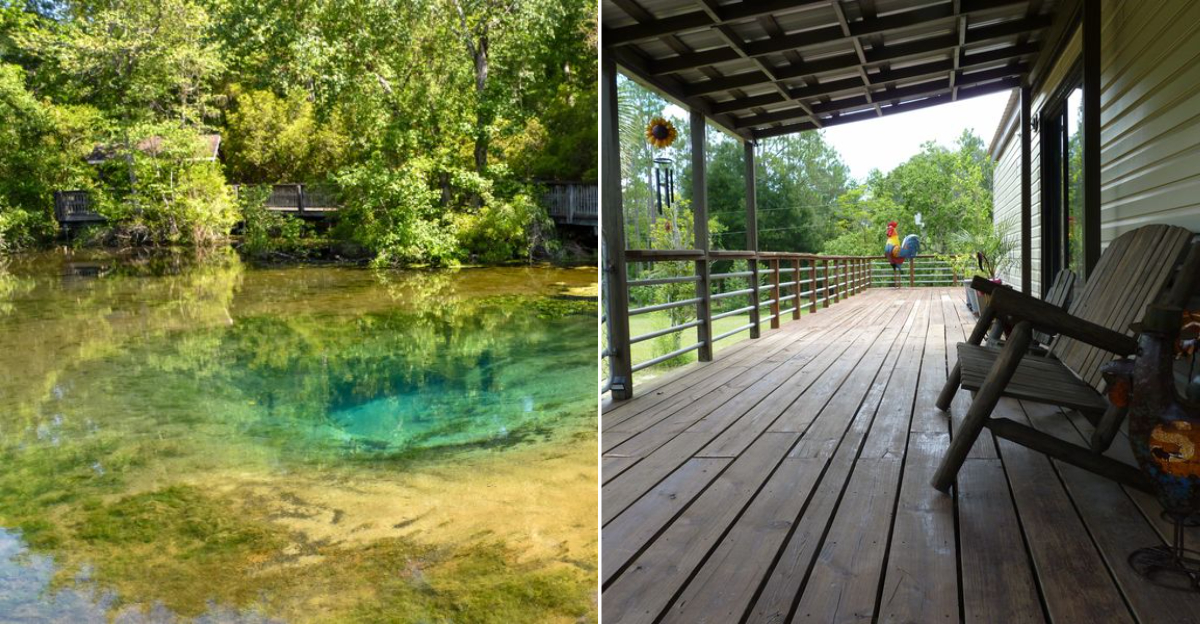
There’s a bend of water where time slows, tucked between oaks draped in moss and the gentle pulse of the tides, and there you’ll find Magnolia Springs, Alabama.
The river glides past historic homes with wide porches, the air smells like brackish water and sweet grass, and the nearby cities seem to stay a little quieter here.
I found fifteen quietly vivid moments that piece together its story: a faded boathouse reflected on still water, a wooden footbridge unhurried under lantern light, a row of small shops that close early so residents can sit on their porches. This is the kind of place where you wander, breathe, and let something slow you down.
Magnolia River Mail Delivery
Every morning, a small aluminum skiff hums down the Magnolia River, weaving through reflected sky to drop letters straight to dockside mailboxes. The sound of its motor feels softer than an engine, more like a heartbeat.
Locals wave from porches, coffee in hand, as the mail carrier loops through cypress shade. It’s the last year-round water delivery route in the continental U.S., and it’s run with quiet pride.
If you linger, you’ll see how naturally it fits here, like the river itself knows the schedule.
Oak Street’s Live Oak Tunnel
Driving under the live oaks on Oak Street feels like stepping into a green cathedral. Branches stretch across the lane, filtering light into gold flickers that dance across windshields. Moss sways above like slow-moving waves.
The road hugs the water, where reflections of the oaks ripple with every passing breeze. Everything feels suspended in a hush, as if the town collectively agrees to whisper.
Locals call it “the tunnel,” though it feels more like a secret passage, one that makes you forget where you were heading.
Porches Facing The River
In most towns, porches face the road; here, they face the water, as if conversation belongs to the river first. You see wooden rockers, hanging ferns, and weather-softened rails leaning toward the current.
Each home feels slightly turned inward, not private but peaceful, an architecture of reflection more than display. The streets stay empty, but the riverfront hums softly with life.
I sat once on a bench across from those porches, watching ripples catch light, and felt a tug of envy, for a rhythm that never needs hurrying.
Boardwalk Paths To Tide Creeks
The wooden planks creak just enough to remind you where you are, above marsh, between sky and tide. Dragonflies hover at eye level, and fiddler crabs scatter when your shadow passes.
Every boardwalk feels like its own little journey. The air is warm and thick with the smell of salt and pine, and the silence is layered with birdsong. Even footsteps seem gentler here.
Follow one path all the way out, and you’ll find a dock at the edge of still water, the world pausing right beside you.
Historic Southern Cottages
The cottages wear their history proudly, peeling paint, wide porches, tin roofs that chatter when it rains. They’re not curated or polished; they’re lived in, breathing slowly with age.
Many date back to the late 1800s, homes that sheltered families through hurricanes and heat, their wood still holding traces of those stories. Restoration comes quietly, one plank at a time.
If you walk the back streets near the river, take notice of how the windows glow in the evening, warm, steady, still inviting after all these years.
Spanish Land Grant And Creek Nation
Before this was a sleepy river town, it was part of Creek Nation territory, then folded into Spanish land grants that reshaped the Gulf coast. The layers of history remain, visible in old survey lines, in family names, in the way people still mark the land by water.
Every local tale begins with “back when…” and traces through centuries of settlement and change. Nothing here is rushed forward; everything remembers.
I found myself whispering while walking by the water, as if the past could overhear.
Herons And Pelicans At Sunrise
The river wakes gently, mist rising in thin ribbons, the air cool and faintly sweet. Herons stand motionless like shadows until the light tips their wings silver. Pelicans dive without warning, vanishing and reappearing with effortless rhythm.
The only sounds are wings, water, and the soft drip of tide against the pilings. It’s a silence you can feel.
If you visit early, bring patience and coffee. Watching the first ripple cross the surface feels like seeing thought itself take form.
Proximity To Foley And Fairhope
Take the turn off the main road, and the noise drops out instantly, just trees, moss, and the hum of cicadas. Magnolia Springs hides in plain sight, separated from busier towns by a few quiet bends.
It’s close enough for errands but far enough for calm, a rare balance along the Gulf Coast. Even locals from Foley admit they come here to breathe.
That contrast is the magic: ten minutes between rush and hush, and you’re standing where time forgot to keep score.
Cottages And Guest Rooms, Not Hotels
Instead of resorts, you’ll find porches framed in ivy and small signs reading “vacancy” in hand-painted script. The places to stay are homes first, businesses second, old cottages turned welcoming. They smell faintly of magnolia and cedar.
Rooms are simple but cared for, often filled with books, quilts, and a view of slow-moving water. The town feels protective of them, as though excess would break the spell.
I stayed in one tucked under a live oak. Morning light filtered through the blinds like quiet applause.
River As Town’s Lifeblood
Here the river isn’t backdrop, it’s heartbeat. Locals speak of it with reverence, like a relative who needs both care and space. Every event, ordinance, and tradition seems to orbit its flow.
Magnolia Springs is one of Alabama’s first towns to protect its waterways through strict environmental zoning. That pride shows in its glass-clear shallows and shaded banks.
Visitors who paddle here learn quickly: this isn’t a playground but a partnership. Treat the river kindly, and it offers you back calm in return.