
Here’s Why This California Steakhouse Hasn’t Updated Its Recipes Since Opening Day
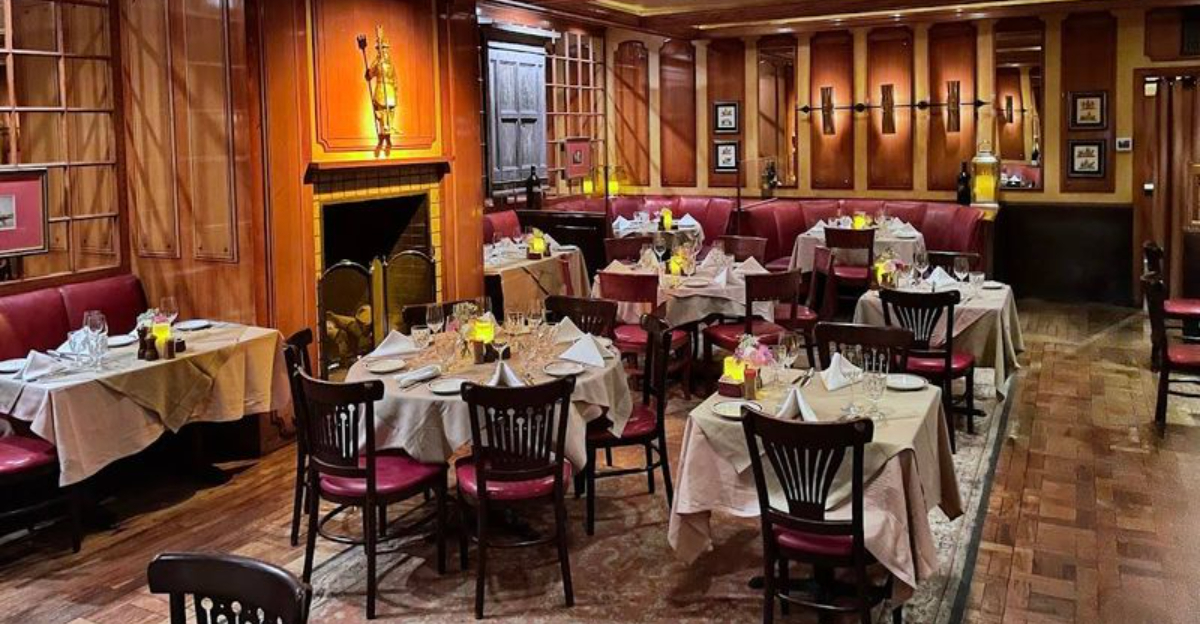
In the fiercely competitive culinary world of California, restaurants live and die by their ability to adapt. Yet, for over seven decades, the House of Prime Rib has operated with a radical philosophy: never change a thing.
Since opening its doors in 1949, this celebrated institution has served the exact same menu, prepared with the exact same techniques, and presented in the exact same timeless dining room. This extraordinary consistency is not rooted in stubbornness, but in a near-perfect operational model.
Here is the compelling argument for why HOPR’s founding recipes remain untouched.
My First Step Past The Red Awning
Pushing through the entrance beneath that bright red awning felt like crossing into another decade entirely. The wood-paneled walls gleamed under soft lighting, and those deep leather banquettes whispered stories of a thousand celebrations.
Everything about the space screamed permanence, from the vintage chandeliers to the way waiters glided between tables with practiced ease. Opening its doors around 1949, the restaurant committed to a classic dining room vibe that most establishments abandoned decades ago.
No minimalist concrete or Edison bulbs here. Instead, you get the warm embrace of old-school elegance, where every detail has earned its place through seventy-plus years of service and satisfied diners who keep coming back for more.
Why The Prime Rib Here Tastes Like History
My first bite transported me somewhere between memory and magic. The crust crackled with savory salt crystals while the interior melted like butter against my tongue.
Fat ribbons woven through the meat released flavors that modern shortcuts simply cannot replicate, and the au jus pooled on my plate like liquid gold. Their secret lies in a 21-day dry-aging process followed by an unusual rock-salt treatment.
Before cooking, they actually submerge the entire roast in rock salt, which the staff swears helps lock in moisture and amplify the beef’s natural character. That technique has remained unchanged for generations, proving that some culinary wisdom deserves to be preserved rather than improved.
Seconds, Yorkshire Pudding And The Ritual Of Table-Side Service
Watching the cart roll toward my table felt like witnessing opening night of a play I’d heard about for years. The server’s knife moved with surgical precision, each slice falling onto the plate with a soft thud.
Then came the question that makes this place legendary: would I like seconds? Yorkshire pudding arrived golden and pillowy, ready to soak up rivers of au jus.
This choreographed dance between server, cart, and diner creates an experience so theatrical that changing anything would feel like rewriting Shakespeare. The ritual itself becomes part of the recipe, a living tradition that discourages tinkering because perfection already exists on the plate before you.
The Little Things They’ve Never Changed (And I Love Them For It)
Creamed spinach still arrives in the same style dish it probably did in 1955. Mashed potatoes come whipped to clouds, and creamed corn tastes like someone’s grandmother made it with actual love.
House-made sauces sit in little containers that probably cost pennies but signal care in every drop. Last visit, I watched an elderly gentleman settle into what was clearly his usual booth.
The server didn’t ask for his order, just nodded and disappeared toward the kitchen. Twenty minutes later, the same meal he’d probably ordered for forty years landed before him. Continuity like that builds loyalty money cannot buy, connecting generations through shared plates and unbroken traditions.
How Tradition Survives In The Kitchen: Technique Over Trends
Peeking behind the line revealed cooks still trimming by hand and monitoring temperatures with the kind of attention robots will never replicate. The dry-aging window showcases 21-day beef transforming from fresh to phenomenal. Rock salt gets packed around each roast in a process that looks more like science than cooking, yet the team treats it like sacred ritual. Trends come begging at the door, offering molecular gastronomy and sous-vide shortcuts.
Management keeps saying no because consistency matters more than novelty. When your technique has produced perfect results for seventy years, why chase the latest culinary fad that might disappear before dessert arrives?
When A Place Is Bigger Than Its Owner: The People Who Keep The Recipe
Servers here measure tenure in decades, not months. Some have watched children grow up on prime rib and return with their own families, creating dining dynasties one meal at a time.
The family that runs the operation understands they’re caretakers of something larger than profits, guardians of a culinary landmark that belongs to San Francisco itself. Recent years brought changes in leadership, including the loss of figures who shaped the restaurant’s legacy.
Yet the next generation stepped up with reverence rather than renovation plans. They understood that their job was preservation, not reinvention, keeping recipes alive so future diners could taste the same excellence their grandparents enjoyed decades earlier.
That Salad Dressing Nobody Can Replicate At Home
Before the prime rib even arrives, the salad makes its entrance with a dressing that tastes like nowhere else on earth. Tangy, creamy, and somehow both familiar and mysterious, it coats every leaf with perfection.
Guests have begged for the recipe since Truman was president, but the kitchen keeps its secrets locked tight. Owner Joe Betz finally revealed that the base requires a full week of fermentation using yeast, then gets blended with canola oil, egg yolk, apple cider vinegar, and sherry.
That week-long process explains why home cooks never quite nail it. Patience and precision make magic, proving that some recipes demand time rather than shortcuts.
Why I’d Choose This Old Recipe Over The Trendiest Steakhouse
Comfort lives in consistency, and this restaurant serves both on every plate. While trendy spots chase Instagram fame with gold-leaf garnishes and deconstructed nonsense, House of Prime Rib just keeps doing what it does best.
Nothing here has been improved into unrecognizability, which means your meal tastes exactly like your parents described from their first date decades ago. First-timers should arrive hungry and choose the smaller cut unless truly starving, because seconds are always offered.
Creamed spinach and mashed potatoes make essential sides, and planning for the tableside carving adds theater to your evening. Business casual fits the vibe perfectly, showing respect for tradition without requiring a tuxedo.