
This New York Seaside Café Makes All You Can Eat Seafood Worth The Trip
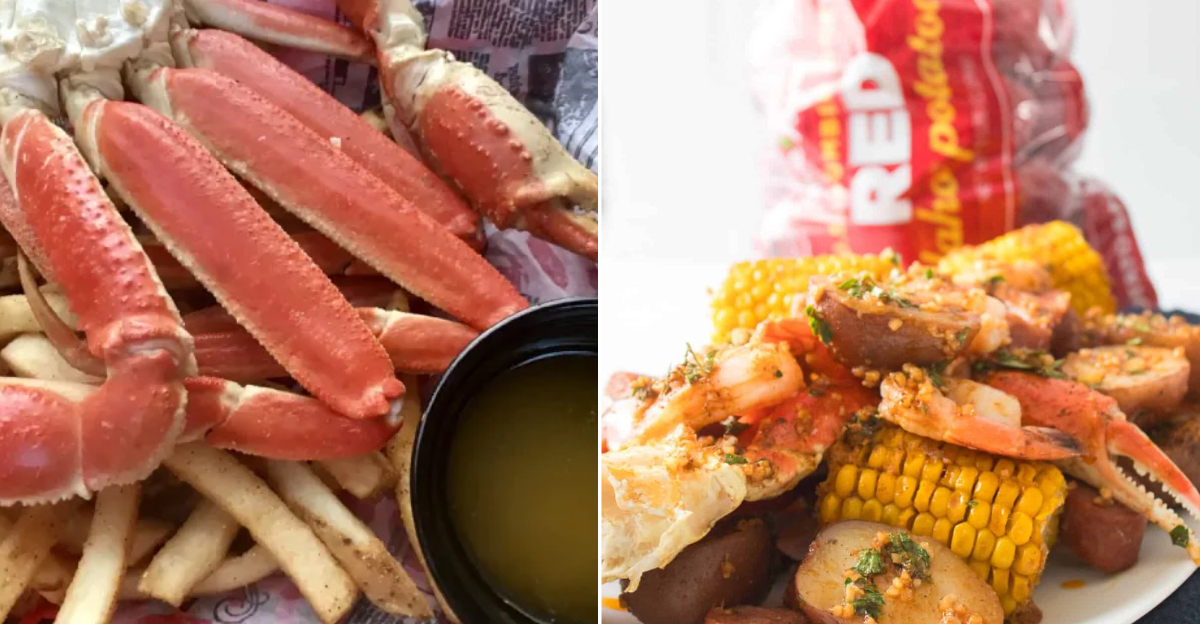
Right on Coney Island’s legendary Surf Avenue, Crab House, All You Can Eat Seafood serves the kind of meal that feels like summer itself. The salty breeze mixes with the smell of butter and Old Bay, and tables fill with buckets of snow crab legs, shrimp, and clams ready to crack and dip.
It’s busy, lively, and full of that beachside energy where everyone’s wearing a grin and a bib. The setup is simple: rolls of paper towels, plastic gloves, trays piled high, but the satisfaction is pure. The staff keeps things moving, refilling baskets before you even realize you’re ready for more.
Here are twelve tips to help you dive into the feast and leave happily, gloriously full.
Surf Avenue Marquee Steps From The Boardwalk
The Surf Avenue sign hums in the sea air, its red bulbs blinking against the last of the daylight. Carnival sounds drift in from the boardwalk; roller-coaster rattles, music, the gulls’ chorus over it all.
There’s a breeze heavy with salt and fried dough. Inside, chatter rolls through the space, part laughter, part the metallic rhythm of cracking shells. The light reflects off trays and butter cups.
The whole scene feels like an unplanned celebration, the kind Coney Island still remembers how to throw.
AYCE Snow Crab Legs Piled High
The first tray arrives steaming, a mountain of orange-red shells glistening under fluorescent light. You grab one, twist, and the shell gives with a satisfying pop.
The meat is sweet, tender, tasting faintly of the sea and smoke. Butter drips down your wrist and you don’t care. This café has built its legend on crab legs served without limits, always hot, never tired.
The trick is timing. Eat while the legs still whisper steam. Tip: stop counting servings; the best moments here are the ones between refills.
Steamed Shrimp With Lemon And Butter
A bowl of shrimp lands with a hiss of steam, shells slick and pink, lemon wedges bright against the white bowl. You peel one open and the scent, briny, buttery, citrus-sharp, wraps around you.
The sound of cracking shells joins the music of clinking glasses.
The energy slows as the shrimp do their quiet work, one shell at a time. Every table seems lost in the same trance.
I caught myself laughing mid-meal, hands greasy, face flushed, grateful that dinner could still feel this simple.
Crab Boil Bucket On A Paper-Lined Tray
Steam rises in little bursts from the bucket, the kind that fogs your glasses before you even sit down. A scatter of red potatoes, corn halves, and crab legs glows beneath the buttery sheen.
The scent of Old Bay and garlic fills the air like a signal. Everything comes served on thick paper, sauce pooling where it pleases. You lean in, elbows on the table, surrendering to the mess.
The boil doesn’t need perfection, it thrives in joyful disarray, just like the crowd around it.
Butter Warmers And Shell Crackers
The warm butter gleams under the table lights, flickering gold in small metal pots. A thin layer ripples with heat, carrying that faintly sweet smell of melted indulgence.
Next to it, the shell crackers wait like miniature tools of the trade. Around the room, people lean over their plates, laser-focused on extraction. The rhythm of crack, dip, bite hums like a shared language.
I felt part of the ceremony, the way the butter hissed against crab meat felt like applause in edible form.
Corn And Potatoes In The Boil
The corn glows golden against the deep red of the crab legs, kernels tight and shining. Potatoes sit alongside, split open and soft, catching every drop of buttery spice that runs across the tray.
The color combination looks almost deliberate, a painter’s version of dinner. These vegetables hold the same seasoning as the seafood, equal partners rather than decoration.
Their sweetness grounds the salt.
Every boil needs an anchor, and this one’s built on starch, butter, and balance.
Staff Bringing Quick Refills
Platters sweep past like clockwork, and pitchers arrive just when you think you might need them. The rhythm is impressive. Servers are sliding between tables, stacking trays, clearing shells, and swapping butter cups in one clean motion.
The hum of motion never feels rushed, only steady.
This kind of efficiency doesn’t happen by accident; it’s choreography learned through repetition.
Tip: if you want another round of crab, just set your tray’s edge toward the aisle, it’s the unspoken signal they know by heart.
Price Board For AYCE And AYCE With Lobster
A chalkboard near the door lists it out clearly, numbers written bold enough to catch the sunlight from the window. The lobster add-on sits temptingly below the regular all-you-can-eat price, practically daring you to go bigger. A faint scent of shellfish hangs near the board from the open kitchen.
It’s the kind of transparency that earns trust, you know exactly what you’re in for before you sit down.
I remember glancing back at it after dinner, feeling certain I’d made the right choice.
To-Go Boxes Stacked By The Host Stand
Just inside the entrance, a tidy pyramid of white boxes waits near the host stand. They catch the light from the window and hint at what’s to come, seafood portions too generous for one sitting.
The staff restocks the stack every few minutes. It’s a small but telling detail: this place expects you to overorder and enjoy it. Every box has a faint buttery scent clinging to it.
You should grab one early before the rush; nobody wants to pack leftovers in a hurry.
Front Door Line On Busy Weekends
By late afternoon the crowd thickens, a moving line of chatter, camera flashes, and sun hats. The smell of butter and crab wafts out every time the door opens, teasing everyone still waiting.
The sidewalk buzzes with half-impatient laughter. It’s the clearest sign of success; a queue that never truly ends but never quite frustrates. Locals know the rhythm, tourists learn it fast.
I stood there once, hungry and curious, and by the time I reached the door, anticipation had already seasoned the meal.