
10 Forgotten Hiking Trails In Colorado That Tourists Overlook
Last summer, I stood at Maroon Bells watching a steady stream of selfie sticks and hiking poles parade past, wishing for just one stretch of silence and open trail.
Colorado’s iconic hikes are stunning, no doubt—but they’ve also become magnets for crowds chasing the same perfect photo. What many don’t realize is that the state still shelters countless hidden paths where solitude reigns and nature speaks louder than conversation.
These lesser-known trails boast the same breathtaking peaks, alpine lakes, and wildflower meadows—minus the hustle. Now, I’m pulling back the curtain on my favorite secret spots for true Colorado tranquility.
1. Wahatoya Trail #1304 — Spanish Peaks Wilderness
Tucked away near La Veta, this trail whispers stories that most hikers never hear. The Wahatoya Trail stretches through ridge-and-forest terrain on the lesser-known Spanish Peaks, where solitude is practically guaranteed.
I remember my first visit here, when the only sounds were wind through ponderosas and my own happy breathing. The route is long and rewards those who pack patience along with their lunch.
Updated by the Forest Service as recently as August 2025, the trail welcomes foot and horse traffic only, keeping motorized chaos far away. Expect quiet meadows, gradual climbs, and views that make you forget Instagram ever existed.
2. Rattlesnake Arches via Pollock Bench — McInnis Canyons NCA
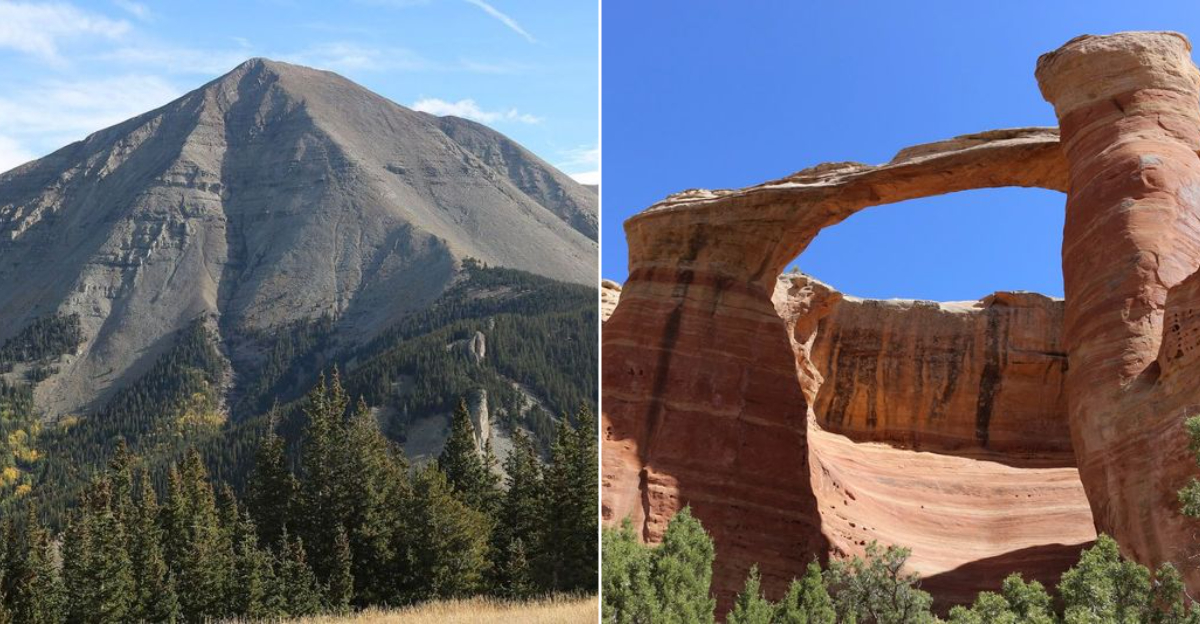
Forget Arches National Park and its parking lot nightmares. Rattlesnake Arches sits quietly near Loma and Fruita, boasting one of the largest concentrations of natural arches in the United States outside Utah.
Wild slickrock rolls under your boots as you navigate this year-round trail via Pollock Bench. I stumbled upon my first arch here completely by accident, rounding a corner to find a stone rainbow framing the desert sky.
Managed by the Bureau of Land Management, this area stays blissfully crowd-free even during peak season. Bring plenty of water, a good map, and a sense of adventure, because cell service is as rare as a cloudy day.
3. Coal Canyon / Little Book Cliffs — Grand Junction
Wild horses still roam free here, and that fact alone makes Coal Canyon worth the trip. Located near Grand Junction, this area offers solitude, striking canyon walls, and the thrill of spotting mustangs in their natural habitat.
Motorized access gets limited seasonally, which means hikers inherit the peace and quiet. My favorite memory involves watching a herd of horses kick up dust at sunset while I sat on a warm sandstone ledge eating trail mix.
The Bureau of Land Management oversees this gem, keeping it wild and wonderfully undeveloped. Pack binoculars, wear sturdy shoes, and prepare to feel like you have traveled back a century or two.
4. Picket Wire Canyonlands — Comanche National Grassland
Walking where dinosaurs once stomped is not something you do every day. Picket Wire Canyonlands near La Junta offers a remote prairie-canyon hike to North America’s largest dinosaur tracksite, and it feels like stepping into a natural history museum without walls.
The trail is long, hot, and completely worth every drop of sweat. I knelt beside ancient footprints etched into stone and felt the weight of millions of years pressing gently on my shoulders.
Managed by the Forest Service, the area also offers guided access if you prefer a ranger’s expertise. Bring sun protection, extra water, and a camera, because these tracks deserve documentation.
5. Wheeler Geologic Area — Rio Grande National Forest
Imagine landing on another planet without leaving Colorado. Wheeler Geologic Area near Creede showcases otherworldly tuff spires that look like they belong in a sci-fi film, yet they sit quietly in the Rio Grande National Forest with very light foot traffic.
Access roads are highly seasonal, so check current conditions before you go. I made the mistake of arriving too early one spring and spent an hour digging my truck out of mud.
Once you reach the formations, though, the weird beauty erases all frustration. The Forest Service maintains the trail, and the solitude here is almost sacred, broken only by occasional bird calls and your own gasps of wonder.
6. Mosca Pass Trail — Great Sand Dunes National Park
Most visitors to Great Sand Dunes never look up from the sand. Mosca Pass Trail offers a forest-and-meadow escape that climbs above the dunes, trading crowds for quiet pines and wildflowers.
I hiked this trail on a blazing July afternoon when the dunes below shimmered like an ocean of gold. The shade felt like a gift, and the views down to the sand sea made my heart skip.
Updated park conditions from October 2025 confirm the trail is open and ready for explorers. The National Park Service maintains this gem, so expect well-marked paths and the kind of peace that makes you want to whisper instead of shout.
7. Deadhorse Trail — Black Canyon of the Gunnison
Black Canyon’s North Rim gets a fraction of the South Rim traffic, and Deadhorse Trail is the cherry on top of that quiet sundae. This short rim path delivers big canyon views without the crowds, and it recently reopened after fire-related closures elsewhere in 2025.
Standing at the edge, I felt my stomach drop and my spirit soar simultaneously. The canyon yawns below with a depth that makes you respect gravity all over again.
The National Park Service lists the trail as open, so lace up your boots and prepare for drama. Bring a jacket, because rim winds can be fierce, and bring your best poker face if you are afraid of heights.
8. Big and Little Dominguez Canyon — Dominguez Canyon Wilderness
Petroglyphs whisper ancient secrets here, etched into red-rock walls that have stood for centuries. Big and Little Dominguez Canyons near Grand Junction offer mellow miles through desert beauty far from tourist traffic.
The trail starts at Bridgeport Trailhead and unfolds like a story written in sandstone and silence. I once spent an entire afternoon tracing my fingers over rock art, wondering about the hands that carved it.
Managed by the Bureau of Land Management, this wilderness area protects both history and habitat. Pack plenty of water, wear sun protection, and give yourself time to wander slowly, because rushing through this canyon feels like a crime against nature.
9. Rifle Arch Trail — Rifle
Locals guard this secret like a family recipe. Rifle Arch Trail near the town of Rifle offers an easy-to-moderate stroll to a huge sandstone arch on Bureau of Land Management land, yet road-trippers zoom past without a second glance.
The arch itself is a stunner, framing the sky with graceful curves that make you want to applaud geology. I sat beneath it once, eating an apple and feeling grateful for small-town secrets.
The trail is well-maintained and accessible most of the year, making it perfect for families or anyone looking for big rewards without brutal effort. Bring a camera, because this arch photographs like a dream and deserves a spot on your wall.
10. Temple Canyon Park — Cañon City
Royal Gorge gets all the glory, but Temple Canyon Park delivers slickrock and pocket canyons without the circus. Located near Cañon City, the Redemption and Hard Time loop trails wind through stunning terrain that most tourists never discover.
I love the irony of trail names that sound like a country song. The rock formations here glow orange at sunrise, and the quiet feels like a meditation retreat without the price tag.
Managed locally, the park offers easy access and well-marked trails perfect for a quick escape. Bring sturdy shoes for the slickrock sections, and bring curiosity, because every bend reveals new shapes carved by wind and time.