
8 California Sandwich Terms Outsiders Always Misread (And Baristas Can’t Correct Anymore)
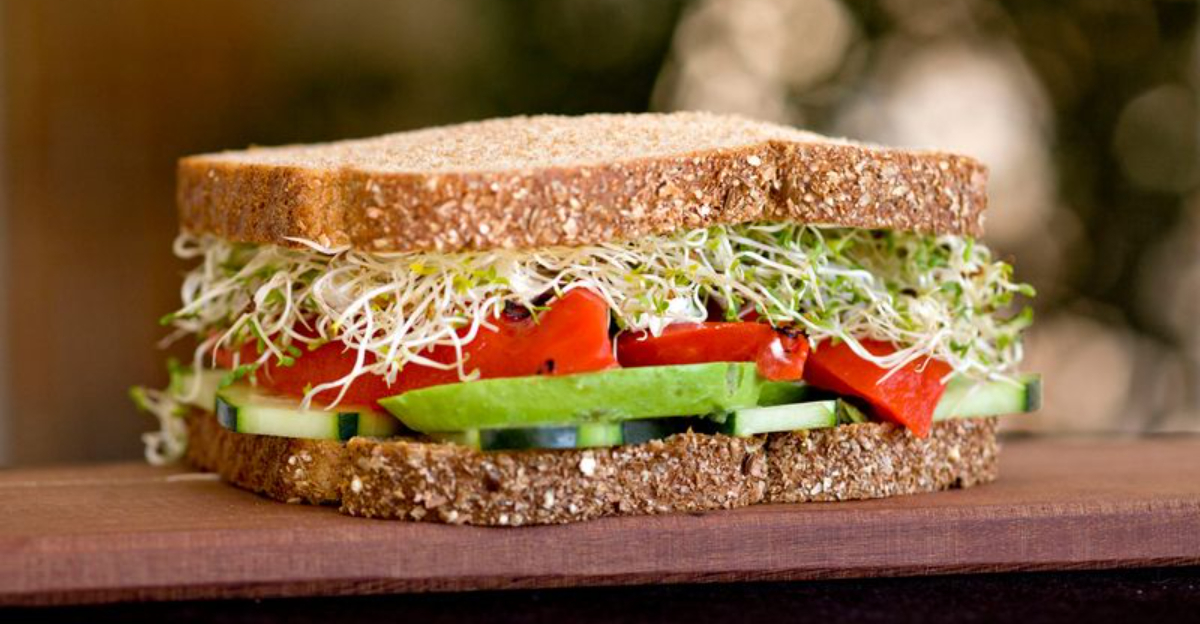
California sandwich shops don’t just make sandwiches—they speak a whole different dialect.
On my first week in San Diego, I ordered a basic turkey and suddenly found myself in a linguistic hostage situation. “Wet dip? Dutch crunch? Side roll?”
The line behind me answered faster than I could blink, while I stood there decoding the menu like it was a crossword puzzle. That’s when it hit me: in California, sandwiches come with sunshine, attitude, and terminology that locals treat like common knowledge.
Newcomers get confused, staff stops explaining, and the regulars just smirk knowingly.
If you want to survive the lunch rush without looking like you just landed from another planet, these California sandwich terms are your new best friends.
1. Sourdough Melt
My college roommate from Ohio thought this meant any sandwich served on sourdough bread. Wrong. A Sourdough Melt specifically refers to a grilled cheese situation where the tangy San Francisco style bread gets buttered and pressed until golden and crispy.
The cheese inside becomes molten lava, stretching between halves like some kind of dairy miracle. Most shops add extras like tomato, bacon, or turkey, transforming it into something far beyond your childhood lunch.
Outsiders miss the key detail that the bread must be grilled, not toasted. There’s a massive difference between popping bread in a toaster and pressing it on a hot griddle with real butter. The result is crunchy edges, soft insides, and flavors that make you understand why Californians obsess over their sourdough culture.
2. Dutch Crunch
Picture a roll that looks like it survived a tiny earthquake, with a crackled white surface that crunches audibly with every bite. That’s Dutch crunch, also called tiger bread in some places, though Californians will fight you on that name.
The magic comes from a rice flour paste brushed on top before baking. It dries and cracks in the oven, creating a texture that’s simultaneously crispy and chewy. First timers often hesitate because it looks unusual, almost like someone painted the bread.
I watched a tourist once reject it entirely, thinking the roll had gone bad. The sandwich artist just shrugged and moved on because explaining the fermentation science behind that beautiful pattern gets exhausting. Once you try it, though, regular rolls taste boring in comparison.
3. Cali Style
Visitors assume this just means the sandwich comes from California. Nope. Cali Style is code for loading your sandwich with avocado, sprouts, and usually some kind of zesty spread that makes everything taste fresher.
The avocado must be ripe, sliced thick, and generous enough to matter. Sprouts add that characteristic crunch and earthy flavor that screams West Coast health consciousness. Some places throw in sunflower seeds or cucumber for extra texture.
My cousin from Texas ordered Cali Style thinking it meant barbecue sauce and got genuinely confused when alfalfa sprouts appeared. The workers don’t bother explaining anymore because the term has become so standard here. You either know it means vegetable heaven or you learn quickly after that first surprising bite.
4. Double Toasted
Sounds straightforward until you realize it doesn’t mean running your bread through the toaster twice. Double Toasted refers to toasting both the inside and outside surfaces of your bread, creating maximum crunch potential on a sandwich.
The technique requires skill because over toasting turns bread into cardboard. Done right, you get a sturdy base that won’t get soggy from sauces and juices. The inside toast provides structure while the outside toast delivers that satisfying crackle.
Newcomers often say yes without understanding they’re signing up for seriously crunchy bread. I’ve seen people struggle to bite through their sandwiches, jaw muscles working overtime. Staff members have stopped warning customers because everyone thinks they want extra crispy until they’re wrestling with their lunch like it’s a workout session.
5. Wet Dip
Nothing prepared me for the confusion this term causes. Wet Dip means your sandwich comes already dunked in au jus before wrapping, as opposed to getting the broth on the side for dipping.
The bread soaks up all those savory meat juices, becoming tender and flavorful but also messy. You need napkins, possibly a bib, and zero shame about sauce dripping down your hands. It’s basically a French dip that committed fully to the moisture.
East Coast friends always look horrified when I order it this way, thinking soggy bread sounds disgusting. The counter staff has given up explaining that the bread is chosen specifically to absorb liquid without falling apart. You either trust the process or you don’t, and Californians absolutely trust it.
6. Add Sprouts
My roommate thought this meant Brussels sprouts and nearly caused a kitchen incident. Add Sprouts specifically means alfalfa or sometimes sunflower sprouts, those wispy, crunchy greens that taste vaguely nutty and fresh.
Californians put sprouts on everything like the rest of America uses lettuce. They add texture without heaviness and make any sandwich feel healthier, even if you’re piling on bacon and cheese. The crunch factor is real.
Outsiders either love them immediately or think they’re eating lawn clippings. There’s rarely middle ground on sprout opinions. Sandwich makers no longer explain what kind of sprouts because they assume California knowledge is universal. Pro tip: if you hate them, speak up early, or they’ll appear automatically on anything marked Cali Style.
7. Tri Tip Sandwich
Visitors from other states have no idea what tri tip even is, let alone why it’s sandwich royalty here. This triangular cut of beef from the bottom sirloin gets seasoned with simple spices and grilled to smoky perfection.
Santa Maria style tri tip is the gold standard, served sliced thin on a roll with barbecue sauce or salsa. The meat stays tender and juicy with a beautiful char on the outside. It’s California’s answer to brisket but way less fussy.
I’ve watched confused tourists order it thinking they’re getting some trendy fusion creation. The staff just nods and builds the sandwich because explaining regional barbecue culture takes longer than making the actual food. Once you taste properly grilled tri tip, you understand why Californians consider it essential sandwich material.
8. Avocado Smash
Different from sliced avocado, Avocado Smash means the fruit gets mashed with seasonings like lime, salt, and sometimes garlic before spreading generously across your sandwich. It’s basically guacamole’s simpler cousin.
The texture becomes creamy and spreadable, coating every bite instead of slipping out in whole slices. Some shops add red pepper flakes or cilantro for extra flavor. It transforms an ordinary turkey sandwich into something Instagram worthy.
My friend from Chicago ordered it expecting slices and got genuinely upset about the mashed situation. Nobody behind the counter batted an eye because they’ve seen this confusion daily for years. The smash method keeps the avocado from sliding out when you bite down, which is actually genius engineering disguised as hipster food trends.