
The Forgotten Coal Town In Pennsylvania That Feels Trapped In The 1800s
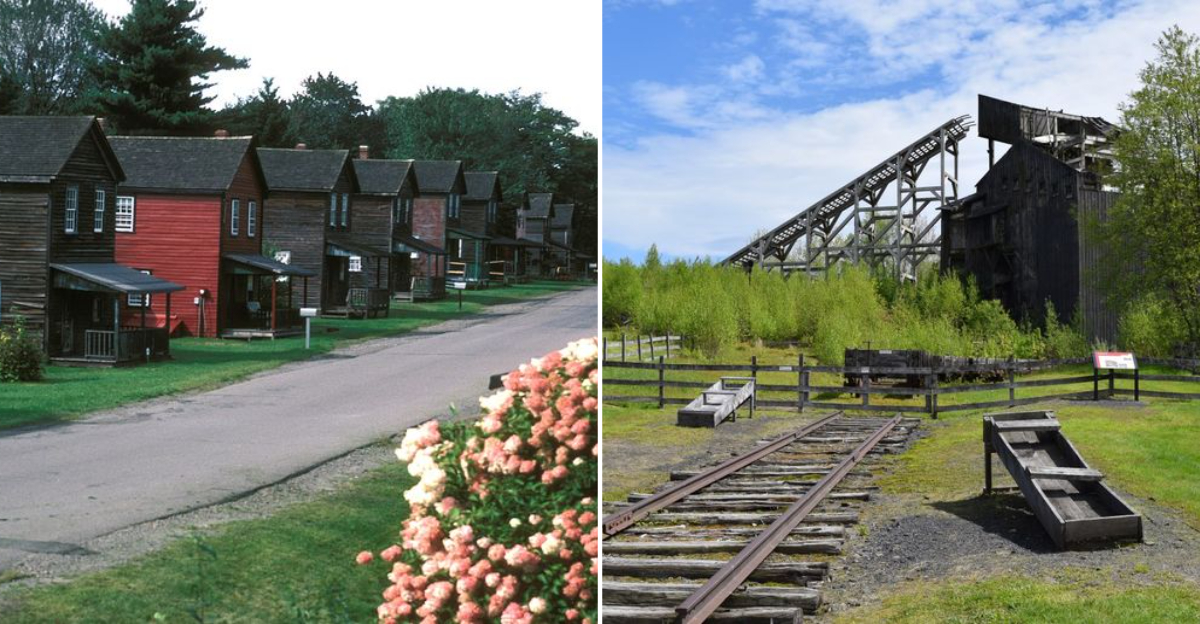
Eckley Miners’ Village in Pennsylvania feels like stepping into a piece of living history. It’s a small place tucked deep in coal country, where old miners’ homes and narrow streets still tell stories of hard work and close-knit families. I visited on a quiet afternoon, and it almost felt like the town was holding its breath, still waiting for the next shift whistle. Pennsylvania has plenty of historic sites, but this one hits differently, it shows what life was really like for the people who helped build the state’s industrial past.
Eckley, A Patch Town Preserved
Step into Eckley Miners’ Village, a rare anthracite patch town where rows of workers’ houses still line a quiet road. The place looks like the clock paused in the late 1800s and never quite restarted.
Run today by the Pennsylvania Historical and Museum Commission, the village presents daily life around the mines with outdoor streetscapes and small exhibits. You are not in a theme park. You are literally in the historic district.
Bring sturdy shoes and a camera. Details reward slow wandering. Weather shifts quickly on the ridge so pack layers, water, and curiosity.
Hollywood Saved The Houses
The 1970 film The Molly Maguires chose Eckley because it already looked like the 1870s. Crews removed TV antennas, buried wires, and built a wooden coal breaker as a prop for key scenes.
That breaker still partly stands and filming helped spare the town from demolition. Afterward the village shifted to preservation and became a museum under state care so the street could be interpreted.
Watch the movie before you go and save a few stills. Walk the block and match camera angles to porches and corners. It becomes a scavenger hunt with real history in every shot.
Main Street Tells A Story
Walk east to west along Main Street and you will notice the housing get larger. The pattern mirrors the hierarchy of a 19th century company town from laborers to mine bosses to owners.
This layout was not accidental. It projected order and reminded workers who paid the rent. The company store and offices clustered near the elite end of town for visibility and control.
Use the walk as a lens. Compare doorways and porches. Picture families hanging wash lines and listening for the noon whistle and shift calls. Notice fences and sheds that hint at rank.
Churches, Doctor, And Storefronts
Eckley is more than simple row houses. The village preserves churches, a doctor’s office, larger bosses’ homes, and a general store that anchored daily routines for mining families across the ridge.
Interiors interpret everything from medicine to pew life to picking slate. Even the modest kitchens tell rich stories about thrift, repair, and ingenuity during lean seasons.
Ask staff which buildings are open that day. Rotations change. If a doorway is roped off, peer through windows and note stove types and room sizes today. Now.
Many Flags, One Coalfield
The first wave of miners in Eckley came from England and Wales with German engineers. Later arrivals included Irish families fleeing famine and then newcomers from Slovakia Poland Ukraine Lithuania and Italy.
Each group brought language, faith, music, and recipes. Over time many moved from low skill to dangerous cutting and loading jobs underground as skills grew.
Listen for surnames on interpretive signs. They map migration paths and show how a rural ridge linked to the wider Atlantic world of the century. Festival days sometimes feature music and food that echo those immigrant roots.
Easy Trip From Hazleton
Finding Eckley is simple once you know the turn. The site sits a few miles south of Freeland and about eight miles east of Hazleton on back roads winding through second growth forest and quiet clearings.
Set your map to 2 Eckley Back Road in Weatherly and watch for brown museum signs as you leave Route 940. Parking is straightforward at the visitor center.
Fuel up before you arrive. Food options are limited. I grab coffee in Freeland, stash snacks, and roll in with a full thermos. Cell service can be spotty so download maps ahead of time if you like to roam.
Make The Most Of A Tour
Check the schedule for guided walks that add texture you might miss on your own. Staff often start with a short orientation film then lead groups through selected homes and community buildings with stories to match.
Tours tend to run around an hour and a half with time for questions and a look inside. Bring curiosity. Guides love mining history and local lore.
If you prefer solo exploring buy general admission and stroll at your pace. Read every sign really. Tiny facts bring the neighborhood to life. Comfortable shoes and seasonal layers make the stops easier and more enjoyable.
Expand The Day In Coal Country
Pair Eckley with a stop in Scranton to round out the story of hard coal. The Anthracite Heritage Museum gives helpful context on geology, technology, and the people who powered the region and beyond.
Together these sites explain why anthracite mattered to industry and how communities rose around mines, mills, and rail lines. The short walk helps the scale sink in.
If time allows add a short rail or mine experience nearby. It turns a good outing into a full introduction to the coalfields of northeastern Pennsylvania. Finish with a walk around the furnaces before heading home.