
11 Nebraska Dishes That Outsiders Always Get Wrong (But Locals Say Naturally)
I remember the day I proudly served an “authentic” Bierock to a friend from California, and he called it a “savory turnover.” I nearly choked on my Kool-Aid. That moment crystallized a truth: most of the world misunderstands what we eat.
From the precise layered structure of a Haystack to the deeply specific meaning behind our Friday night chili, our food culture is nuanced, not generic. I’m here to arm you with the insider knowledge on 11 Nebraska dishes. These are the recipes and terms locals protect.
Learn the difference, and you can finally order with confidence-and say “Naturally” instead of just sounding ridiculous.
1. Runza: Not Just Any Meat Pie
Calling a Runza just a meat pie is like calling the Grand Canyon a ditch. This rectangular yeast-dough pocket holds seasoned beef, cabbage, and onions in perfect harmony. Every Nebraskan knows the proper bite technique involves starting from a corner to avoid filling spillage.
Outsiders often compare it to Hot Pockets or calzones, which makes locals cringe visibly. The cabbage provides a subtle sweetness that balances the savory beef perfectly. Temperature matters too, as eating one fresh from the oven beats reheating any day.
I remember my first Runza at age seven, burning my tongue because I couldn’t wait. The blend of textures creates something truly unique to Nebraska’s culinary landscape. No frozen approximation comes close to the real deal.
2. Reuben Sandwich: Omaha’s Claim To Fame
New York gets all the credit, but Omaha locals know better about this sandwich’s origin. The Blackstone Hotel stands as the true birthplace of this corned beef masterpiece. Outsiders often mess up the ratio of sauerkraut to meat, creating a soggy disaster.
Proper construction requires grilling the rye bread to golden perfection without burning. Swiss cheese must melt completely while the Russian dressing adds tang without drowning everything. Each layer plays a crucial role in achieving that perfect bite locals crave.
Temperature control separates amateur attempts from authentic versions made by experienced hands. The sauerkraut should be drained well before assembly to prevent sogginess. Getting this sandwich right takes practice and respect for its Omaha heritage.
3. Cheese Frenchee: Cornflake-Crusted Gold
King’s Food Host created this 1950s treasure that outsiders dismiss as mere novelty food. Battered cheese gets rolled in cornflakes before frying to crispy perfection. The crunch factor combined with melted cheese inside creates textural magic that tourists underestimate completely.
Many visitors expect something like mozzarella sticks but get surprised by the sandwich format. The cornflake coating provides a distinctly different crunch than regular breadcrumbs offer. Timing the fry perfectly ensures the cheese melts without exploding through the batter.
Locals know to let it cool for exactly thirty seconds before biting in. This prevents the molten cheese from scorching the roof of your mouth. The dish represents Nebraska’s creative approach to comfort food innovation.
4. Dorothy Lynch Dressing: Beyond French Dressing
Outsiders grab this bottle thinking they’re getting fancy French dressing and miss the point entirely. Dorothy Lynch created her slightly sweet, tomato-based recipe in 1948 near St. Paul. Every Nebraska household keeps a bottle in the refrigerator as standard practice, right next to the ketchup.
The flavor profile walks a delicate line between tangy and sweet without tipping too far either direction. Visitors often use too much, drowning their salads instead of enhancing them properly. I once watched my cousin from California empty half a bottle on her lettuce, completely horrified by the waste.
Locals use it on everything from salads to sandwiches to vegetable dips. The dressing represents Nebraska pride in a bottle, not just another condiment option. Respect the pour, respect the flavor.
5. Kool-Aid: Hastings’ Sweet Invention
Edwin Perkins invented this powdered drink in Hastings back in 1927, yet people treat it like generic sugar water. Nebraska celebrates Kool-Aid Days every August with festivals and community pride on full display. Outsiders don’t realize the proper sugar-to-powder ratio varies by personal preference and family tradition.
Making it too sweet or too weak marks you as an amateur immediately. The stirring technique matters more than visitors expect for achieving consistent flavor throughout. Each color carries its own reputation among locals, with certain flavors dominating childhood memories.
Summer in Nebraska tastes like cold Kool-Aid served in plastic pitchers at every gathering. The drink connects generations through shared taste memories and backyard barbecues. Respect the powder, honor the history.
6. Butter Brickle: Toffee Ice Cream Legacy
This isn’t just another ice cream flavor filling freezer space at the grocery store. Butter Brickle carries serious toffee history tied directly to Nebraska’s candy-making traditions. The combination of buttery toffee bits mixed into vanilla ice cream creates textural contrast that outsiders frequently overlook.
Many visitors expect something similar to butter pecan and feel disappointed by their wrong assumptions. The toffee pieces should provide satisfying crunch without being too hard to chew comfortably. Quality matters immensely, as cheap versions taste nothing like the authentic regional specialty.
I grew up thinking every state had access to proper Butter Brickle until college proved otherwise. The flavor represents a specific era of American candy innovation rooted in Midwestern creativity. Finding real Butter Brickle outside Nebraska requires serious dedication and research.
7. Pork Tenderloin Sandwich: Breaded And Massive
Nebraska’s version of this sandwich takes size seriously, with the tenderloin extending far beyond the bun. Outsiders often look confused when this plate-sized creation arrives at their table unexpectedly. The breading must achieve perfect golden crispness while keeping the meat juicy and tender inside.
Pounding the pork thin before breading separates authentic versions from disappointing imposters served elsewhere. The meat-to-bun ratio looks ridiculous but tastes absolutely right when executed properly. Seasoning the breading correctly makes all the difference between bland and memorable.
Attempting to eat this sandwich daintily marks you as a tourist immediately among knowing locals. The proper technique involves strategic folding and accepting that napkins will be necessary throughout. This sandwich celebrates excess in the best possible way.
8. Rocky Mountain Oysters: Not Seafood Surprise
The name tricks unsuspecting tourists every single time at Nebraska fairs and steakhouses. These fried bull testicles taste nothing like ocean oysters, despite the misleading moniker. Breading and frying them properly removes any gamey flavor that might scare away first-timers completely.
Locals grow up understanding this dish as part of ranch culture and waste-not traditions. The texture resembles chicken more than seafood once cooked to golden perfection. Outsiders often refuse to try them based on squeamishness rather than actual taste considerations.
I watched my uncle convince three tourists they were eating exotic mushrooms before revealing the truth. The reactions ranged from impressed to slightly betrayed but everyone admitted they tasted good. Approaching this dish with an open mind rewards the adventurous eater.
9. Loose-Meat Sandwiches: Maid-Rite Style
Seasoned ground beef served loose on a bun confuses people expecting Sloppy Joes with sauce. Maid-Rite style keeps the meat relatively dry, relying on seasoning rather than tomato-based wetness. The texture stays crumbly and distinct, requiring a different eating approach than saucy alternatives.
Outsiders often add ketchup or mustard immediately, missing the point of the subtle seasoning. The meat should be flavorful enough to stand alone without drowning in condiments. Proper preparation involves steaming the meat to maintain moisture without creating mushiness.
Each bite delivers pure beef flavor enhanced by simple spices and careful cooking technique. The sandwich represents Depression-era ingenuity when stretching meat mattered for family budgets. Respecting the simplicity reveals why this dish endures across generations.
10. Kolache And Klobásník: Czech Pastry Pride
Tourists only know the sweet fruit kolaches and completely miss the savory sausage versions locals treasure. Czech heritage runs deep in Nebraska, bringing authentic klobásník traditions that outsiders constantly confuse. The dough should be pillowy soft while the sausage stays juicy and well-seasoned inside.
Many bakeries outside Czech communities in Nebraska serve inferior versions that disappoint knowledgeable customers. Getting the dough-to-filling ratio right requires skill passed down through generations of bakers. The savory versions work perfectly for breakfast or lunch, not just dessert time.
I remember weekend mornings when my grandmother made both sweet and savory versions from scratch. The smell of baking dough filled the entire house with warmth and anticipation. These pastries connect Nebraska’s Czech population to their ancestral roots through every delicious bite.
11. Nebraska Steak Culture: Beyond Mail-Order Boxes
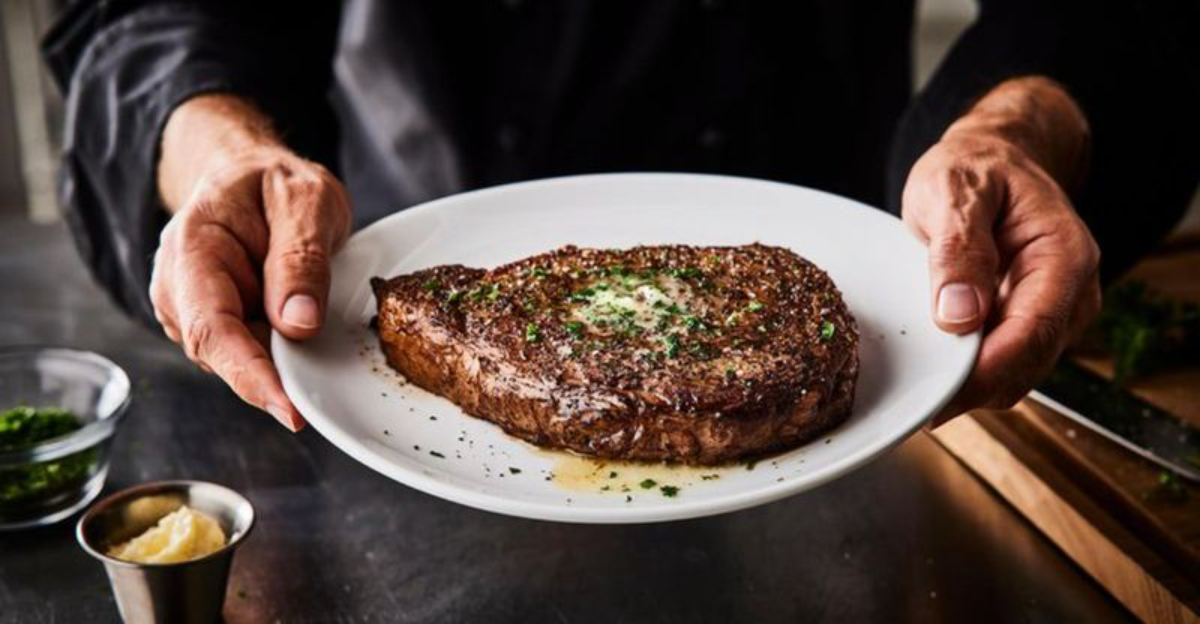
Omaha Steaks made mail-order famous, but locals know fresh beef from longstanding cattlehouses tastes superior. Nebraska’s ranching heritage creates a steak culture that goes way beyond frozen shipping boxes. The quality of locally sourced beef cooked fresh beats anything arriving on your doorstep in dry ice.
Outsiders think ordering from a catalog gives them the authentic Nebraska experience completely wrong. Traditional steakhouses across the state serve cuts that showcase proper aging and expert preparation. The difference between fresh and frozen becomes obvious with the first bite of a properly grilled ribeye.
Celebrating special occasions at a real Nebraska steakhouse remains a tradition locals hold sacred. The atmosphere, the service, and the quality combine to create memorable dining experiences. Mail-order convenience can never replace the real thing.