
10 Undiscovered Spots In Florida’s Everglades You Need To Visit Now
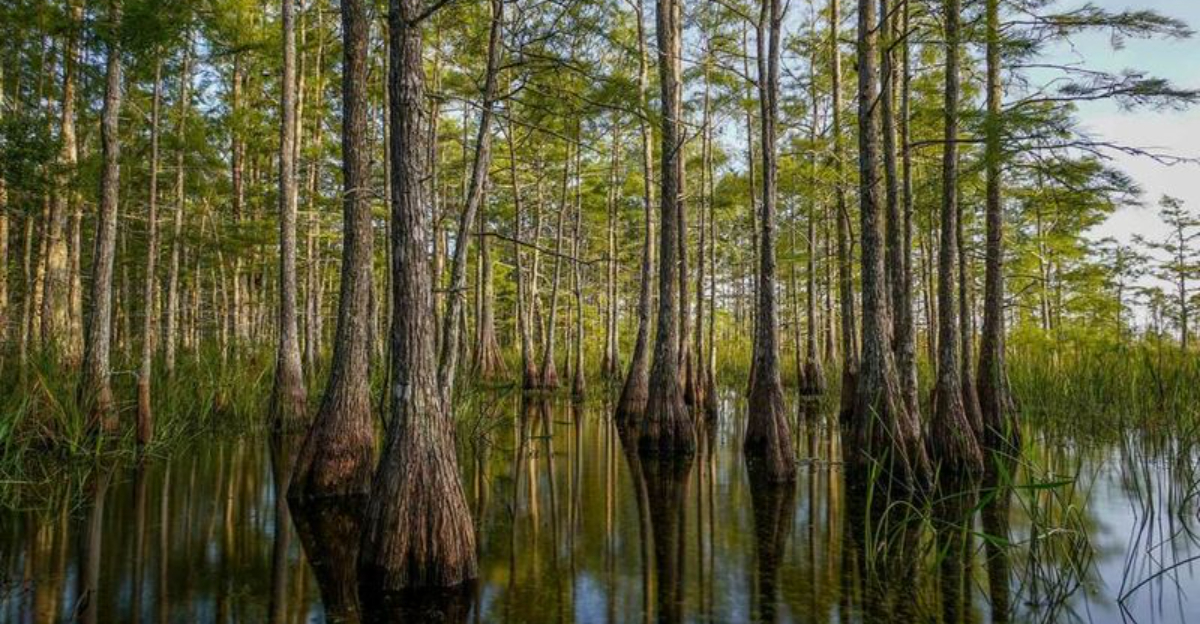
Last summer, I made a wrong turn near Homestead and stumbled onto a hidden trail that felt like stepping into a secret world.
The Everglades isn’t just swamps and tour boats, it’s full of quiet corners where nature shows off in ways most tourists never see.
These ten spots will change how you think about Florida’s wildest treasure.
1. Shark Valley Observation Tower
Climbing sixty-five feet above sawgrass might sound simple, but the view from this tower rewrites your understanding of wild Florida. My legs burned halfway up, but once I reached the top, I forgot all about the workout. The landscape spreads out like a living map, showing you gator trails, wading birds, and waterways that twist through endless green.
Biking the fifteen-mile loop to reach this tower adds adventure to your day. Pack snacks and plenty of water because the sun doesn’t mess around out here. Early mornings bring cooler temps and wildlife that hasn’t retreated to shade yet.
Rangers sometimes share stories about the ecosystem from up top. Their knowledge turns a pretty view into a learning experience you’ll remember for years.
2. Turner River Kayak Trail
Paddling through mangrove tunnels feels like entering nature’s secret hallway. Roots twist overhead, sunlight filters through leaves in golden beams, and fish dart beneath your kayak like underwater shooting stars. Turner River offers this magic without the crowds you’ll find at more famous spots.
I nearly tipped my kayak laughing when a heron gave me the side-eye for interrupting its fishing spot. The wildlife here acts like you’re the visitor in their living room, which you absolutely are. Bring a waterproof camera because every turn delivers another photo opportunity.
The current stays gentle most days, making this trail perfect for beginners. Just watch for low-hanging branches and remember to duck when the tunnel gets cozy.
3. Mahogany Hammock Boardwalk
Walking among trees that tower like ancient guardians changes your perspective on time itself. Mahogany Hammock shelters some of the largest mahogany trees in the country, and their presence feels almost sacred. The boardwalk keeps your feet dry while letting you explore this jungle-like environment safely.
Air hangs thick and cool here, even on scorching summer days. Orchids cling to tree bark, ferns carpet the ground, and if you stay quiet, you might spot rare birds flitting through the canopy. My friend swore she saw a ghost orchid, though I think it was wishful thinking mixed with humidity.
The loop takes about twenty minutes at a relaxed pace. Bring bug spray because mosquitoes consider this their five-star resort.
4. Nine Mile Pond Canoe Trail
Silence wraps around you like a blanket once you push off from the launch. Nine Mile Pond delivers a paddling experience that mixes open water with narrow channels marked by white PVC poles. Navigation becomes part of the adventure, turning you into an explorer charting your own course through wilderness.
Alligators sunbathe on banks, turtles plop into water as you approach, and wading birds stalk through shallows hunting breakfast. I once counted seventeen gators in a single trip, which sounds scary until you realize they’re more interested in ignoring you than anything else. Respect their space and they’ll respect yours.
The full loop takes about two hours depending on your paddling speed and photography stops. Go during weekdays for maximum solitude.
5. Pa-hay-okee Overlook
Sunset from this elevated platform paints the sky in colors that cameras struggle to capture accurately. Pa-hay-okee means river of grass in the Seminole language, and standing here makes that name click into perfect sense. Sawgrass stretches endlessly, interrupted only by tree islands that look like green ships floating on a golden sea.
The boardwalk leading to the platform stays short and easy, making this spot accessible for almost everyone. Families with little kids, folks with mobility challenges, and impatient teenagers all find something to love here. I’ve watched storms roll across the horizon from this spot, lightning dancing in the distance while I stayed completely dry.
Visit during golden hour for the best light and fewer visitors sharing your space.
6. Kirby Storter Roadside Park
Cypress knees poke through dark water like wooden stalagmites in this swamp forest that time forgot. Kirby Storter hides along the Tamiami Trail, easy to miss if you’re not watching for the small sign. The boardwalk loop takes you deep into a cypress dome where shadows play tricks and nature sounds create their own symphony.
I love how the water reflects trees perfectly on calm days, doubling the forest and making you question which direction is up. Dragonflies zip past your face, frogs croak from hidden spots, and occasionally an otter pops up to investigate the strange two-legged creatures invading its home. The whole trail takes maybe forty minutes if you stroll and actually look around.
Bring binoculars for birdwatching opportunities you won’t find anywhere else.
7. Sweetwater Strand
Finding this spot requires determination and a good map, which keeps most people away. Sweetwater Strand flows through the Big Cypress National Preserve, offering a pristine look at how the Everglades functioned before development changed everything. Water moves slowly through here, filtering through plants and creating habitat for species that need undisturbed wilderness.
My boots squelched through mud on my first visit, and I regretted wearing sneakers instead of proper waders. The ecosystem here supports rare plants and animals that biologists get excited about, though to regular folks it just looks beautifully wild. Wading birds stalk through shallows, fish create ripples, and the air smells like growing things mixed with ancient earth.
Check water levels before visiting and never explore alone in remote areas like this one.
8. Gumbo Limbo Trail
Most people walk the main section of this trail, but the less-visited stretches offer even better rewards for curious explorers. Gumbo limbo trees earn their tourist tree nickname from bark that peels like sunburned skin, creating a striking red appearance against green forest. The trail weaves through one of the most diverse plant communities in North America.
Royal palms tower overhead, strangler figs wrap around host trees in slow-motion drama, and air plants dangle from branches like natural ornaments. I once spent twenty minutes watching a tree snail inch across bark, its painted shell catching sunlight in rainbow flashes. These forests existed here for thousands of years, surviving hurricanes and droughts that would flatten modern neighborhoods.
The paved path makes this accessible year-round, even after summer rains flood other areas.
9. Hidden Lake Education Center
Education centers usually sound boring, but this one delivers genuine adventure along with learning opportunities. Hidden Lake sits tucked away in Big Cypress, offering programs and trails that reveal ecosystem secrets most visitors never discover. Rangers lead walks that transform random plants and animals into characters in an ongoing survival story.
The lake itself attracts wildlife like a natural magnet. Alligators cruise the shoreline, turtles stack themselves on logs for sunbathing competitions, and birds arrive in waves during migration seasons. I learned to identify cypress knees versus mangrove roots here, knowledge that sounds nerdy but actually makes exploring way more interesting.
Call ahead to check program schedules because offerings change seasonally. The trails around the center stay open even when buildings close, giving you exploration options regardless of timing.
10. Bear Lake Trail
Despite the name, bears rarely show up here anymore, but the trail still delivers wild encounters worth the hike. This path cuts through multiple ecosystems, showing you how landscape changes affect plant and animal communities. Pine flatwoods give way to cypress strands, then open into wet prairies that shimmer in afternoon light.
My hiking buddy spotted a panther track here once, which sent us into excited whispers even though the cat was long gone. The trail requires real hiking boots and comfort with getting muddy because conditions change based on recent rainfall. Water levels fluctuate dramatically between wet and dry seasons, completely transforming the experience.
Pack more water than you think you need and tell someone your hiking plans before heading out. Remote areas demand respect and preparation from visitors.