
This Kentucky Restaurant Is Famous For One Classic Southern Plate Done Right
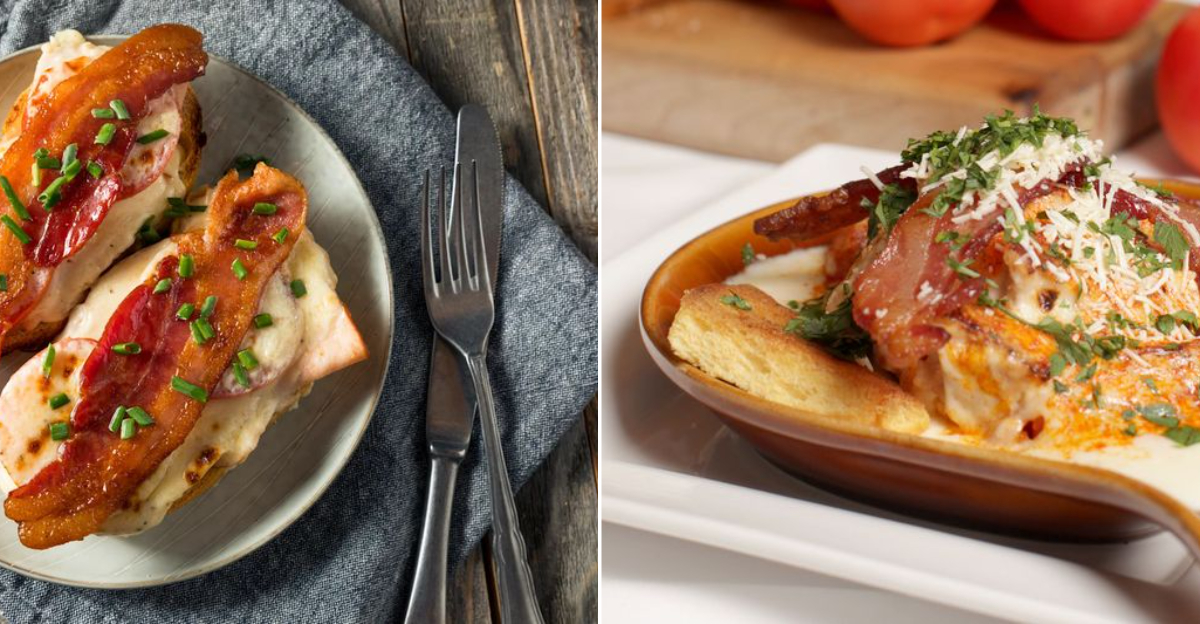
Stepping into J. Graham’s Café at the Brown Hotel feels a little like entering a room that has been rehearsing the same moment for nearly a century. The servers move with that quiet assurance you only find in places where the signature dish isn’t a gimmick but a responsibility.
I remember the first time a Hot Brown drifted past my table, the bronzed Mornay catching the light, the toast softening under the weight, the aroma making half the room pause mid-conversation. Created here in 1926, it still arrives with the pride of something carefully preserved.
If you love dishes with real lineage and real craft, come closer. The details behind this Louisville classic tell their own story, one rich bite at a time.
J. Graham’s Café As The Home Of The Hot Brown
The room feels polished yet unpretentious, with soft light catching the hotel’s historic bones. Servers move briskly, and there’s a low murmur of business travelers and locals who already know what they’ll order. I notice tables angle their chairs for a better look at the broilers, as if the action is a stage.
The Hot Brown anchors the menu: turkey draped on toast, tomatoes, bacon, and that signature Mornay, finished until spotted with gold. The plate arrives quickly, edges sizzling, the bread still structured under the sauce. Portions lean generous without tipping gimmicky.
Ask for a window seat to watch plates land like clockwork. If you’re sharing, request an extra side plate; the Mornay clings agreeably, and it travels poorly across napkins.
The 1926 Origin Story That Never Stopped Mattering
A hotel band needed a late-night meal that was more interesting than ham and eggs, and the kitchen obliged. The Hot Brown emerged in 1926 as a midnight indulgence for dancers and musicians, then stuck because it solved a very human craving: warm, creamy, and just salty enough.
J. Graham Brown’s namesake café still anchors the recipe in the hotel’s archives, citing the original build. The kitchen keeps the tradition public, not precious, and avoids trend-chasing. History here isn’t costume; it’s mise en place.
Read the framed description near the entrance before you sit. It sharpens appreciation, and you’ll notice small continuities on the plate that feel deliberate rather than nostalgic.
Open-Faced Turkey Sandwich Built On Texas Toast
Steam curls up when the fork meets that thick-cut toast, still sturdy after a bath in sauce. The open-faced format invites a tidy chaos: knife, then scoop, then a clean corner of bread to gather what’s left. It eats like a composed casserole without losing the sandwich’s friendly spirit.
The café uses Texas toast for structure and mild sweetness. Turkey slices lie in overlapping layers, warmed through so they yield without shredding. Bread choice matters; weaker loaves collapse and drown the whole idea.
Request the toast lightly toasted if you prefer more crunch along the edges. I find it holds the Mornay better, giving contrast right where you need it most.
Crisp Bacon Strips Laid Over The Broiled Top
The first sound is a quiet crackle when bacon meets the knife. That salty snap breaks through creaminess and resets the palate between bites. It’s the punctuation mark the dish relies on.
Here, bacon arrives in two neat strips, cooked to a crisp that still bends, not shatters. The café favors a medium-smoked cut, avoiding flavors that would bulldoze the sauce. Placement matters: laid last, so the broiler kisses but doesn’t toughen.
If you want extra bacon, say so when ordering; the kitchen accommodates, but doubling can skew the balance. I prefer a side of fruit to keep the bacon from running the table.
Mornay Sauce That Turns Golden Under Heat
You smell the sauce before you see it: butter, milk, and cheese stitched together into something calmly assertive. It doesn’t shout, it coats. The color shifts from ivory to freckled amber, and the surface tightens just enough.
The café’s Mornay leans on parmesan and nutmeg, stirred to satin, then ladled generously. It isn’t a floury blanket. Heat from the salamander broiler finishes the texture, so the sauce naps rather than runs.
Ask for a touch more nutmeg if you appreciate that faint warmth. The staff will nod knowingly, and it brings the turkey forward without tipping into holiday territory.
Tomato Slices Balancing The Richness
That flash of red on top looks decorative until you take a bite. The tomato’s acid meets the sauce and clears a path, like a window opening in a warm room. It’s a small correction that keeps the dish from feeling monolithic.
J. Graham’s uses ripe, thick rounds, seasoned lightly so they taste like themselves. Under the broiler, they soften at the edges but remain bright in the center. It’s restraint, not garnish.
If tomatoes are out of season, consider asking whether the kitchen has good ones in-house. When they do, the difference shows; when they don’t, I pivot to a side salad for that needed lift.
The Broiler Finish That Makes It A Hot Brown
The plate returns from the salamander with tiny blisters and a halo of heat you can feel at your knuckles. There’s a toasty aroma that hints at browned cheese and bread crust. It sets the tone before the fork even lands.
Broiling tightens the Mornay and kisses the bacon without drying the turkey. J. Graham’s keeps the pass brisk so the sauce doesn’t split while it waits. Timing is choreography here.
When the dining room is packed, expect a few extra minutes for the broiler queue. It’s worth the patience; rushed plates lose that speckled top that defines the dish.
Derby Week Rush When Hot Browns Fly Out
Lines snake down the lobby during Derby week, and the café becomes a study in organized urgency. Plates land and vanish with a rhythm that feels athletic. The staff’s stride quickens, but the demeanor stays calm.
Derby season spotlights the dish for out-of-towners, yet locals still slip in early to beat the surge. The hotel extends hours and pads the pantry with extra turkey and bread. Broilers run hot and steady.
Book ahead and target off-peak times, late afternoon can be golden. If you must wait, grab a lobby seat and watch the ballet; anticipation makes the first bite sharper.
Old Louisville Hotel Setting That Fits The Dish
Marble floors and quiet portraits provide context that isn’t precious. The café seats are comfortable, with lines that nod to the hotel’s age without pretending it’s 1926 outside. The room is gracious, not fussy.
Eating a Hot Brown in its birthplace adds a layer you can’t replicate. The surroundings make the dish feel inevitable, the way certain songs only land in a particular hall. Tradition reads as lived-in.
Request a table near the interior archway for steady service flow and fewer drafts. I like watching the kitchen door; it’s a reliable preview of what’s next on the pass.
Common Copycat Mistakes The Brown Avoids
Runny sauces flood the bread, or worse, grainy roux hijacks the texture. I’ve seen over-smoked bacon elbow past the turkey, and tomatoes sliced too thin to matter. Those shortcuts make a heavy dish feel heavier.
J. Graham’s guards against this with a stable Mornay, proper toast thickness, and bacon cooked for snap. Turkey is sliced, not shredded, which keeps moisture where it belongs. Every choice points to balance.
When you meet a copycat elsewhere, check those three cues first: sauce body, bread integrity, bacon voice. If two are off, you’re eating an impersonation, not the city’s signature.
Comfort-Food Gravity That Pulls Regulars Back
There’s a hush at first bite that resembles focus more than hunger. The plate feels like it understands lousy weather and long weeks. It’s comforting without infantilizing you.
Regulars return because the café consistently hits the center of the target. Portions satisfy, flavors align, and nothing drifts into novelty. The ritual is part of the appeal: same order, same table, same glow from the broiler.
If you’re a first-timer, pace yourself and leave a few bites for a cool-down taste at the end. I find the flavors knit together even more as the heat relaxes.
Why the Hot Brown Feels Like Kentucky On A Plate
Think hospitality you can taste: generous, warm, and confidently rooted. The dish offers richness balanced by acidity and a crisp accent, much like the state’s landscape swings from valleys to limestone cliffs. It’s regional without shouting slogans.
Louisville embraced the Hot Brown as part of its civic story. The Brown Hotel protects the recipe with the seriousness of an archive, because this isn’t just lunch, it’s a local narrative plated daily. That continuity is rare and earned.
If you’re visiting, try it early in your trip; it frames the rest of your meals. You’ll start noticing how other menus nod to it, lightly or loudly.
Pairing It With Classic Sides From The Café Menu
Cool, crisp sides temper the richness without stealing attention. A simple house salad with a bright vinaigrette resets the palate in three bites. Fresh fruit does similar work with less acidity, if that’s your lane.
The café’s kettle chips bring pleasant crunch, though I prefer them shared. Coleslaw adds texture, and its dressing won’t fight the Mornay. Keep the seasonings modest; the main plate already has leadership qualities.
Ask your server about the soup of the day when the weather leans chilly. I like a light broth before the Hot Brown; it’s a gentle runway that keeps everything in balance.