
Michigan’s Forgotten Fishing Lake Has Peaceful Shores And Hidden Campgrounds
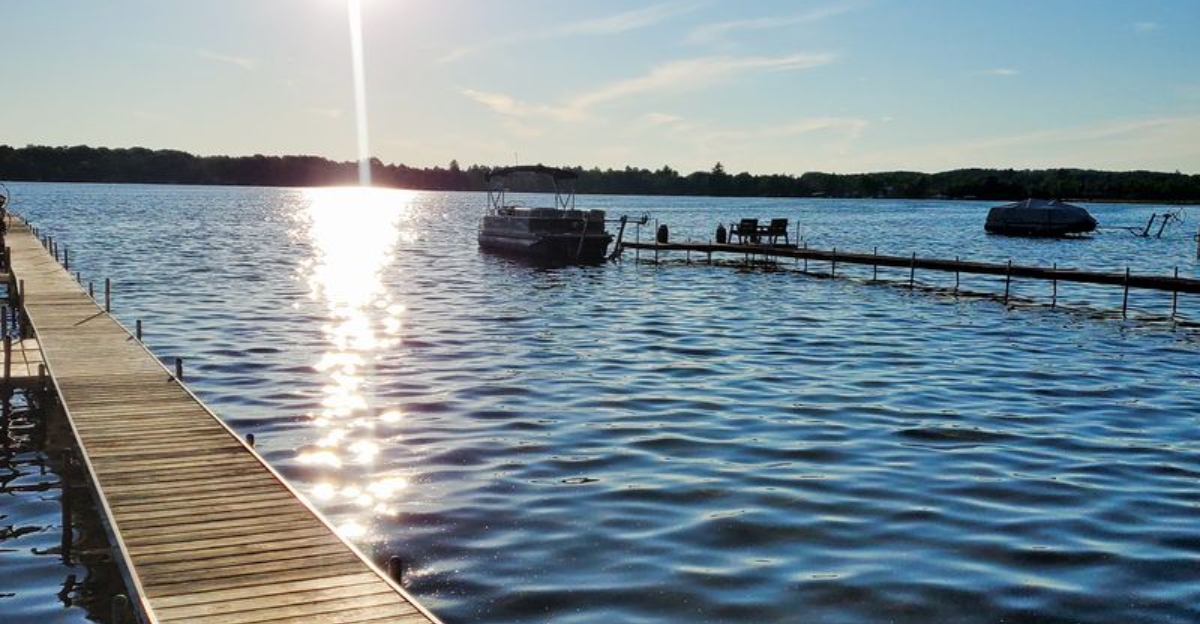
Tucked away in Michigan’s northern woodlands lies Lake Margrethe, a nearly 2,000-acre gem that most travelers speed past on their way to busier destinations.
This quiet lake near Grayling offers clear water teeming with fish, rustic campgrounds shaded by tall pines, and shorelines so peaceful you can hear your own thoughts.
Whether you crave a weekend of casting lines, paddling calm coves, or simply unwinding by a campfire under the stars, Lake Margrethe delivers the kind of escape that reminds you why nature matters.
Getting To Grayling And Lake Margrethe
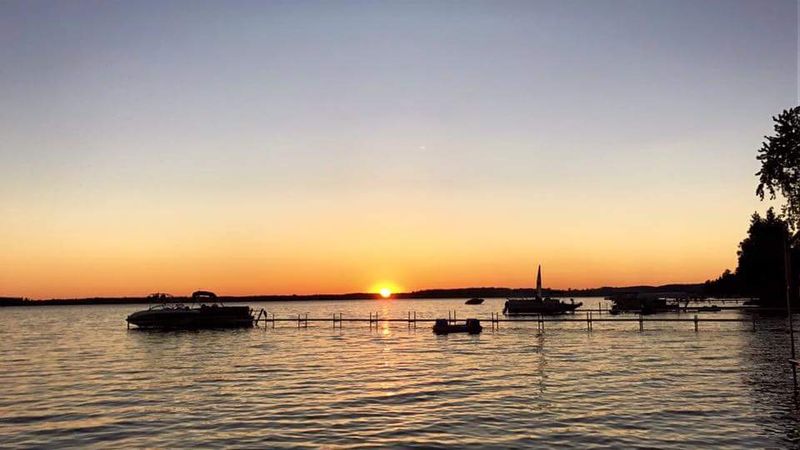
Reaching Lake Margrethe feels like following a secret map to tranquility.
From Grayling in Crawford County, head west on M-72, then turn onto McIntyres Landing Road as pavement gives way to gravel and forest closes in around you.
The coordinates anchor you near 44.66°N, 84.85°W, where quiet woods meet a lake breeze carrying the scent of pine and damp earth.
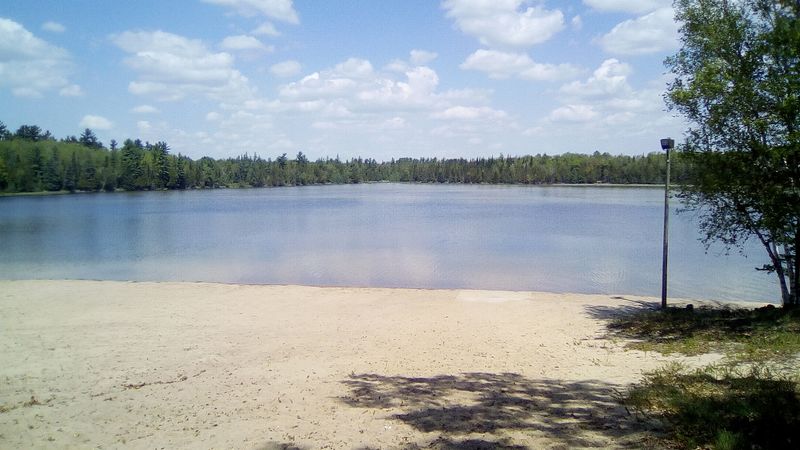
Calm water mirrors the sky in shades of silver and blue, stretching across nearly 1,920 acres of open space that feels worlds away from crowded resort towns.
Loons call in the distance, and the only traffic is an occasional kayak gliding past lily pads.
Whether you plan a weekend of fishing, paddling, or simply breathing deeply, your first glimpse promises unhurried hours and the kind of peace that resets your internal clock.
Rustic, Simple, And Lake-Front
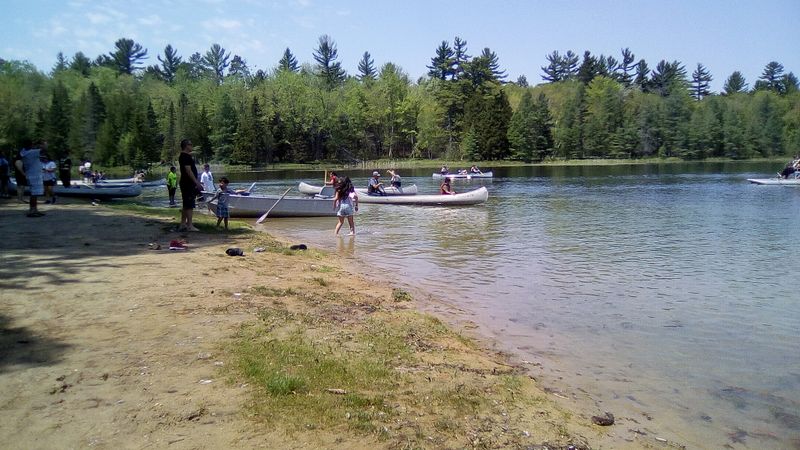
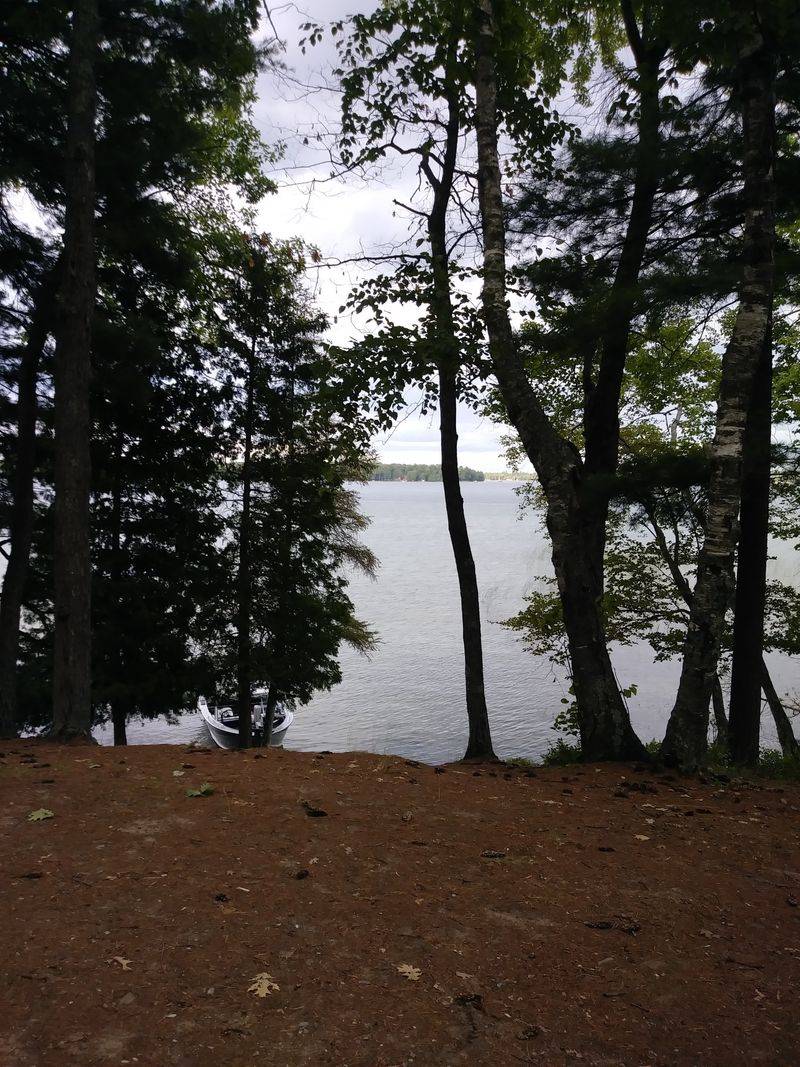
About 6.6 miles west of Grayling sits the Lake Margrethe State Forest Campground, where 37 vehicle-accessible sites and 9 walk-in spots nestle under towering hardwoods and evergreens.
Vault toilets, hand-pump wells, and a concrete boat launch form the sum of amenities, keeping the vibe refreshingly unplugged.
Unlike crowded resort lakes ringed by RVs and generators, this campground hums only with birdsong and the occasional crackle of campfire logs.
Sites operate first-come, first-serve, so arrive early on summer weekends or risk circling for hours.
Cooking over open flame fills the air with woodsmoke and sizzling bacon, while nights bring the haunting wail of loons and gentle water lapping against roots.
That simplicity strips away distractions, letting you rediscover how good it feels to fall asleep under stars instead of screens.
On The Water: Fishing, Boating, And Peaceful Shorelines
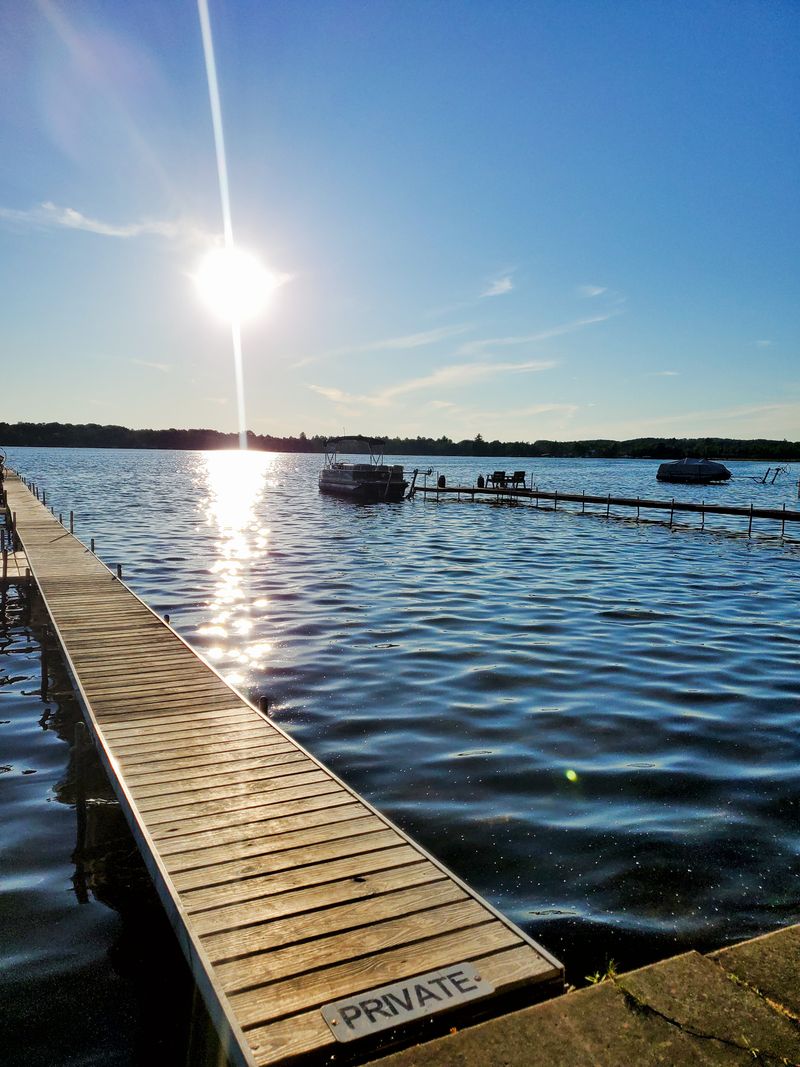
Spanning roughly 1,920 acres and plunging to 65 feet in spots, Lake Margrethe drains through Portage Creek and shelters smallmouth bass, largemouth bass, walleye, northern pike, rock bass, and perch.
Anglers find plenty of structure along weed beds and drop-offs, while the carry-in launch keeps motorboat traffic light and the water glassy most mornings.
Paddlers slip into quiet coves where herons stand motionless and turtles sun themselves on half-submerged logs.
I hooked a feisty smallmouth near the north shore one July dawn, its bronze flanks flashing as mist rolled off the surface.
That tug on the line and the hush of water against my kayak hull felt like a private conversation with the lake itself.
Moments like that remind you why some places stay forgotten by crowds but cherished by those who seek stillness over spectacle.
What A Visit Looks Like Through The Year
Summer transforms Lake Margrethe into a playground of warm water, leafy canopies, and evening campfires that crackle until midnight.
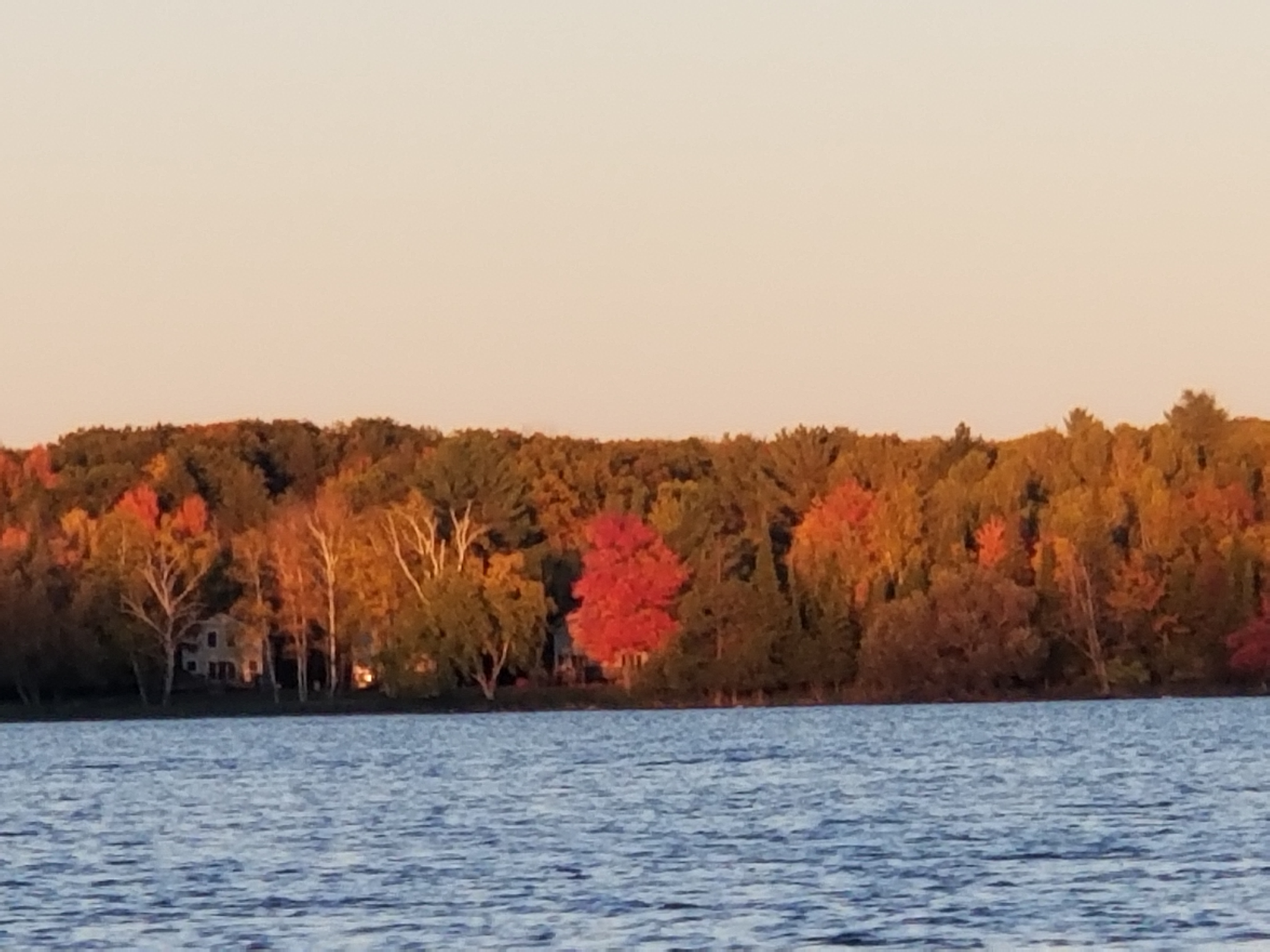
Autumn paints the shoreline in scarlet and gold, each tree reflected so perfectly in the glassy surface that you lose track of where land ends and water begins.
Early spring brings cool breezes, empty campsites, and crystal-clear water ideal for solitude seekers or anglers chasing the first walleye of the season.
Winter blankets the lake in ice thick enough for hardy anglers to drill holes and drop lines, though access roads can close and services vanish.
Each season shifts the mood and activities, turning one lake into four distinct retreats.
Watching those changes year after year deepens your connection, as if the lake reveals a new chapter of its story with every equinox and solstice.
History And Local Context: What’s Behind The Name And The Land
Originally called Portage Lake, the water was rechristened Lake Margrethe in honor of Margrethe Hanson, whose family ties to the area run deep.
Surrounding lands blend state forest open to the public with restricted zones managed by Camp Grayling, one of the nation’s largest National Guard training facilities.
That patchwork of access shapes where you can pitch a tent, launch a boat, or hike a trail, so check maps before wandering too far.
Logging crews once floated timber down Portage Creek, and early settlers relied on the lake for fish and fresh water.
Understanding that history adds weight to your paddle strokes and campfire reflections, as if you are continuing a tradition of drawing sustenance and solace from these shores.
Respecting the past helps preserve the future, ensuring Lake Margrethe remains a refuge for generations to come.
Practical Tips: What To Know Before You Go
Find Lake Margrethe by driving west from Grayling on M-72, then turning onto McIntyres Landing Road toward the campground and boat launch.
Bring your own drinking water or plan to treat what you pump from the hand wells scattered around the sites.
Campsites fill fast during summer weekends, so arrive by Thursday afternoon if you hope to claim a spot near the water.
Pack fishing gear and a valid Michigan license, targeting bass, pike, walleye, and perch according to state regulations.
Summer suits boating and swimming, fall offers foliage and fewer neighbors, and spring delivers solitude plus eager fish.
Most importantly, practice pack-in, pack-out ethics, respect wildlife, and leave shorelines cleaner than you found them so this hidden gem stays pristine for the next quiet-seeker who needs it.
My Stay: What Lake Margrethe Gave Me
I chose Lake Margrethe because city noise had worn grooves in my patience and I craved trees, water, and silence.
Early morning mist rolled off the lake like a curtain lifting on a private performance, while forest sounds became the only soundtrack I needed.
Paddling across empty water at dawn, watching a great blue heron lift off in slow motion, and later nursing a campfire under a sky so thick with stars I could barely pick out constellations felt like reclaiming parts of myself I had misplaced.
Routine life runs on schedules and screens, but the lake operates on sunrise, sunset, and the whims of weather.
That slow pace invited reflection, laughter over burnt marshmallows, and the realization that peace does not require perfection.
I left with memories, a lighter heart, and every intention to return whenever the world feels too loud again.