
These New York BBQ Terms Outsiders Never Get Right (But Pitmasters Do)
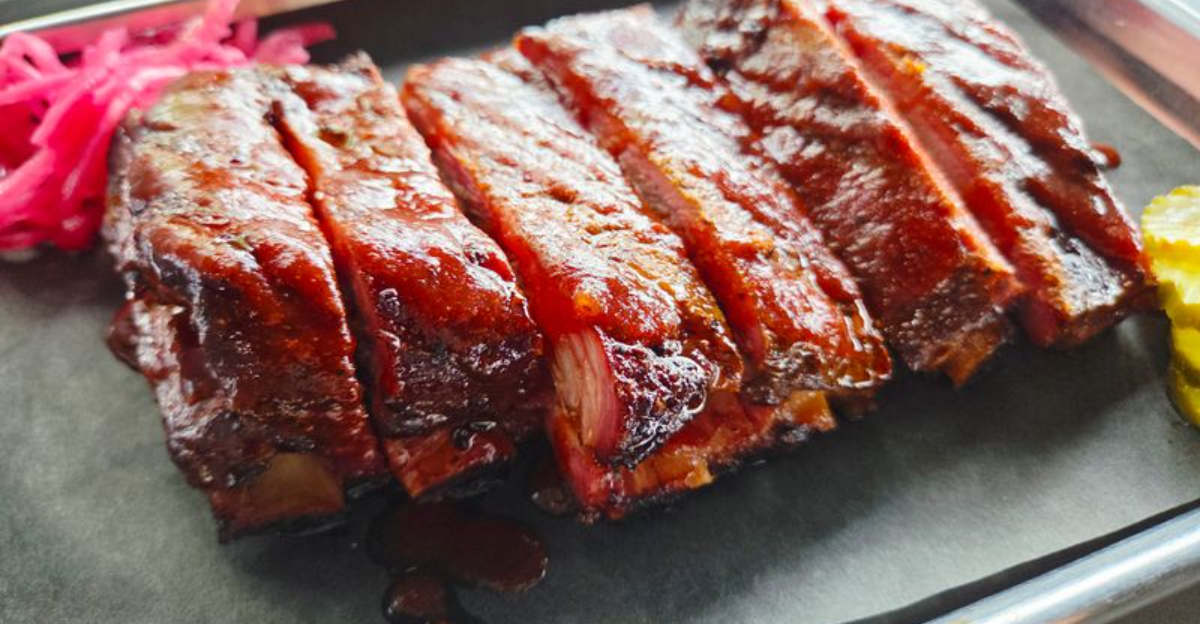
Walking into a New York BBQ joint can feel like stepping into a secret club where everyone speaks a language you barely understand.
Pitmasters toss around terms that sound simple but carry layers of meaning, technique, and tradition that outsiders often miss completely.
Understanding these words is the difference between ordering confidently and accidentally insulting someone’s 14-hour brisket.
Master these ten terms, and you’ll sound like you’ve been smoking meat in Brooklyn for decades.
1. Low And Slow
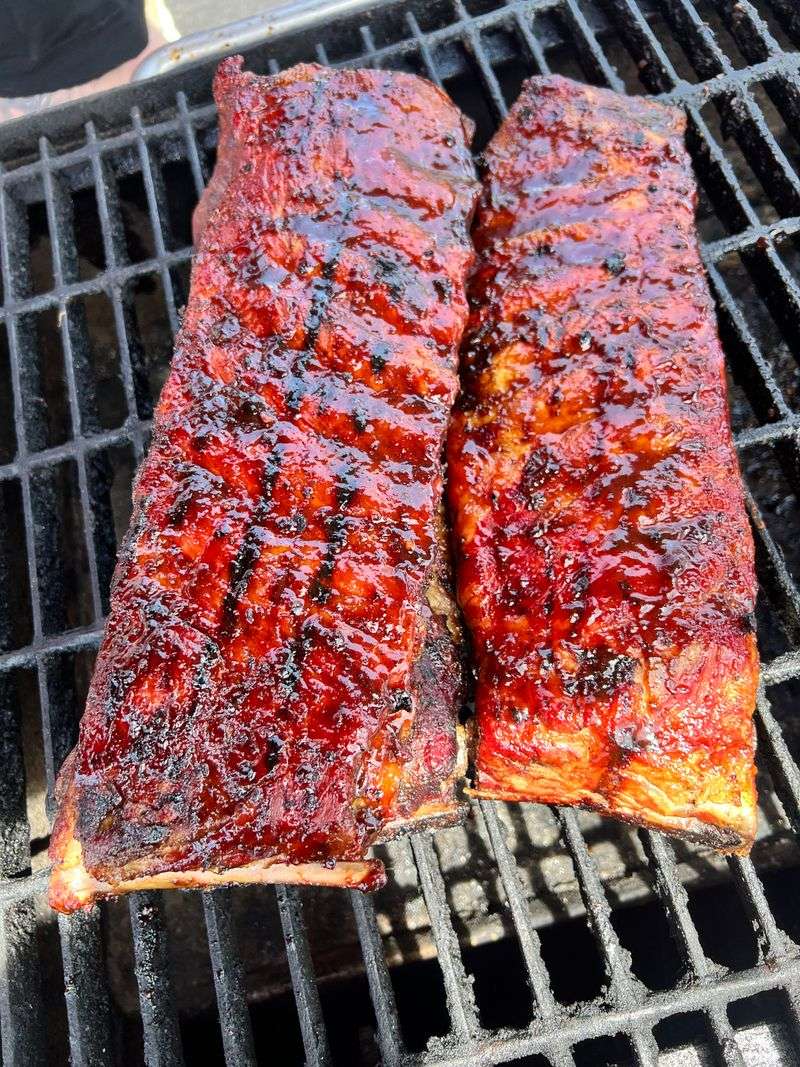
Outsiders hear this phrase and picture turning the dial to low and forgetting about dinner.
Pitmasters know it describes a precise method involving low temperature, extended time, indirect heat, and steady smoke to break down tough collagen into tender, flavorful bites.
It’s about heat control and timing, not laziness or neglect.
In New York kitchens where space and fuel can be limited, low and slow often means creative indirect setups using whatever equipment is available.
The real test is patience, waiting until the meat feels like butter when it’s done, not dry or chewy.
Consistency matters more than just keeping the number low.
Aim for a stable temperature throughout the cook, checking regularly and adjusting vents or fuel as needed.
The payoff is meat that melts on the tongue and carries deep smoky notes. Rushing this process guarantees tough, disappointing results every single time.
2. Bark
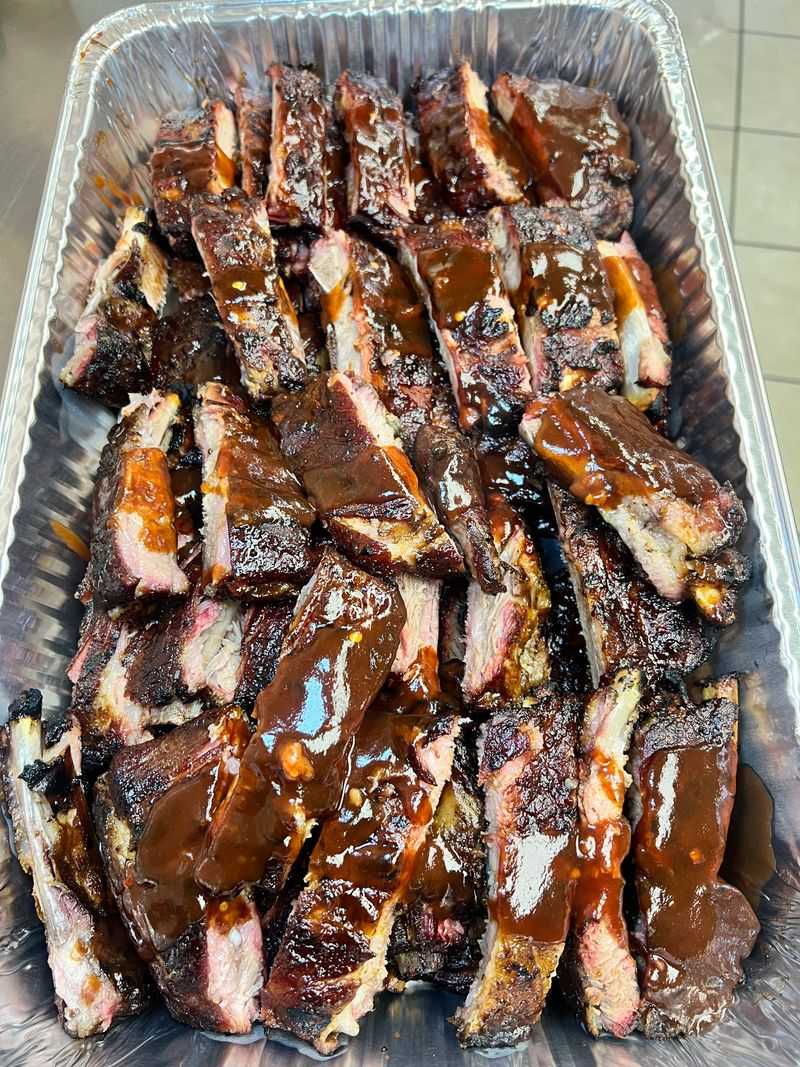
Many people think bark is simply burnt meat, a mistake that makes them shave off the best part.
Pitmasters prize bark as a savory, spice-packed crust formed by Maillard reactions, smoke, and rendered fat creating texture and concentrated seasoning.
It’s not carbon or char, it’s deliberate chemistry on the surface.
Good bark balances smokiness, salt, sugar, and spice into a flavorful shell that contrasts beautifully with tender meat inside.
Bad bark is bitter char that ruins the bite and signals poor temperature management.
NYC pitmasters protect bark with foil at the right moment rather than wrapping too soon and steaming it away.
Resist the urge to slice through the bark immediately after pulling meat off the heat.
Let it rest so juices redistribute and the crust firms up properly.
That crunchy, flavorful layer is what separates amateur cooks from seasoned pros.
3. Rub Versus Seasoning
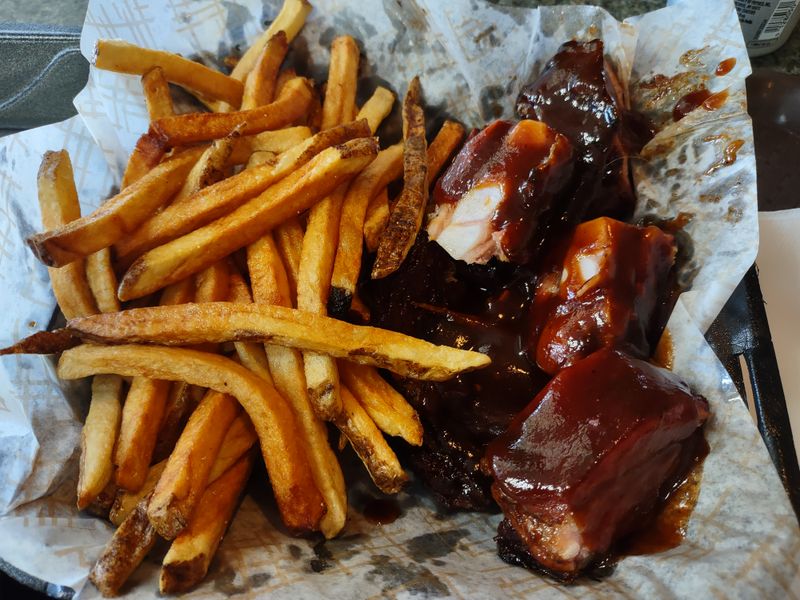
Outsiders assume a rub is just extra pepper and salt thrown on meat.
Pitmasters think of rubs as chemistry, with salts to extract moisture and season, sugars to caramelize, and spices for aroma and bark structure.
Particle size, salt ratio, and sugar presence all change how the rub behaves on the fire.
Rubbing is technique, not just sprinkling.
Apply too soon and salt can draw moisture out, apply too late and flavor won’t penetrate deep enough.
In city settings, cooks adapt rubs to the protein and fuel type, whether charcoal or gas, to get optimal results.
Test small batches to dial in the balance before committing to a whole brisket or rack of ribs.
A great rub enhances natural meat flavor without overpowering it.
Getting this right separates forgettable BBQ from unforgettable feasts.
4. Mop
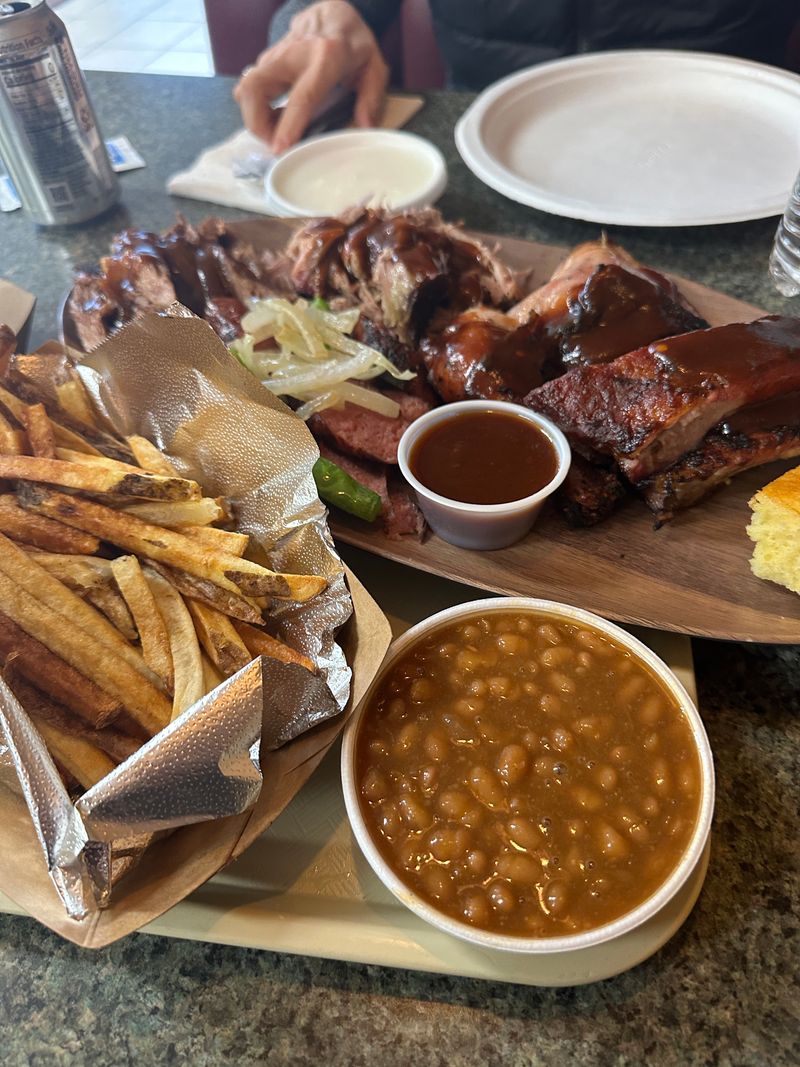
To many, a mop is just sauce on a stick used for shiny gloss.
Pitmasters use a mop, or spritz or baste, to manage surface temperature, introduce acidity to cut fat, and build layers of flavor without drowning the meat.
It’s a tool for moisture control and gentle acidification, not a finishing glaze.
Over-mopping can wash away precious bark, while under-mopping can let the surface dry and crack.
NYC cooks often use lighter, vinegar-forward mops to suit public tastes and keep things balanced.
The goal is subtle enhancement, not a sticky coating that masks smoke flavor.
Mop sparingly and only when the surface needs help, not on every pass by the grill.
Timing and restraint make all the difference between juicy, flavorful meat and a soggy mess.
Smart mopping separates weekend warriors from true pitmasters.
5. The Crutch Or Texas Crutch
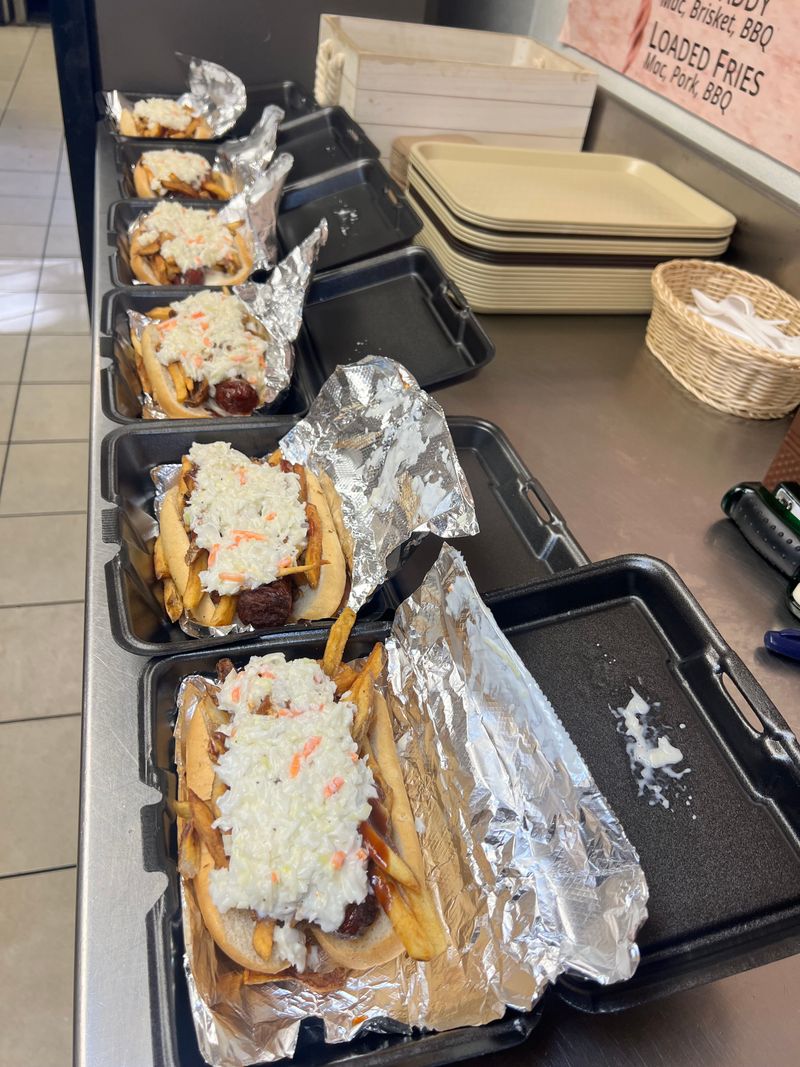
Outsiders call wrapping cheating because it softens bark and looks like surrender.
Pitmasters use the crutch, foil or butcher paper, to speed through the stall, trap moisture for tenderness, and control internal temperature without over-smoking.
Done right, the crutch preserves flavor while cutting cooking time significantly.
The material matters because foil steams more aggressively, while paper lets a bit of bark breathe and stay firmer.
Urban pitmasters use it to finish in tight time windows without sacrificing texture or taste.
It’s strategy, not laziness, and it works when applied at the right moment.
Unwrap near the end to firm up the bark if you used foil during the cook.
This gives you the best of both worlds, tender meat with a satisfying crust.
Knowing when to crutch is a skill that comes with practice and patience.
6. Two Zone Fire Direct Versus Indirect
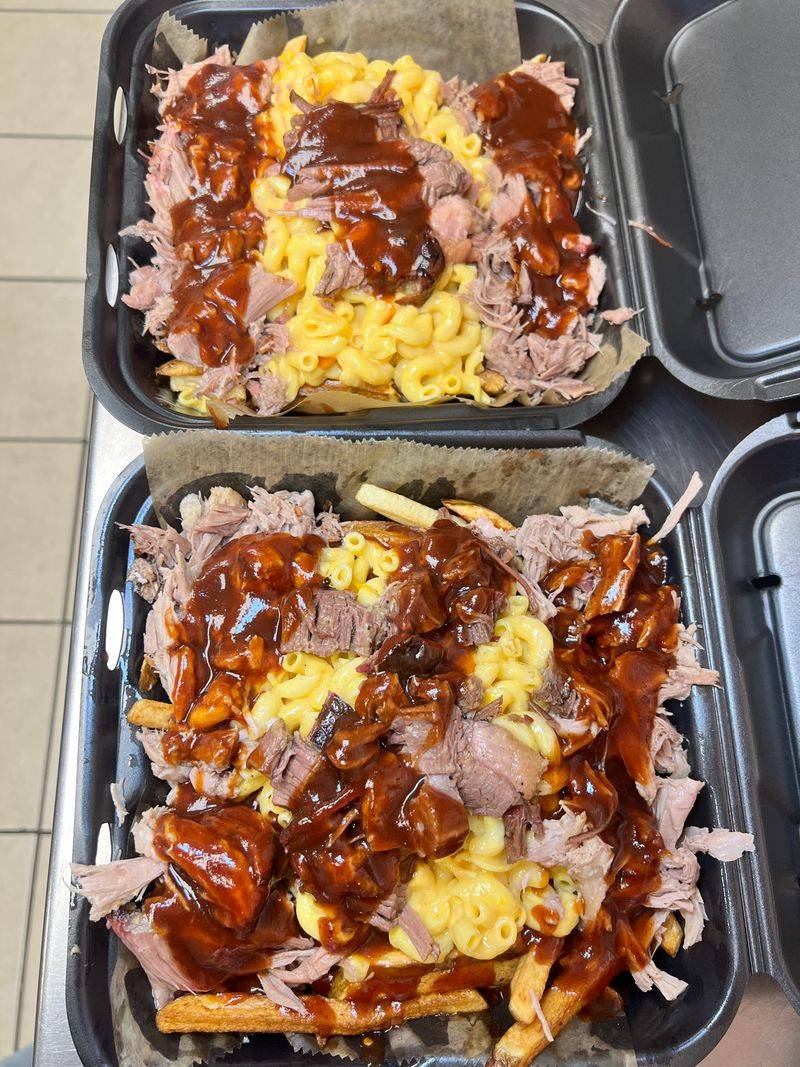
People often shove meat around the grill randomly and wonder why it’s uneven.
Pitmasters set up distinct zones, a hot direct side for searing and an indirect side for gentle cooking and finishing.
This is conscious heat management, not guessing or hoping for the best.
It lets you move cuts as they hit different internal-temperature milestones, giving you control over crust and doneness.
In NYC, where grills may be small or shared, mastering two-zone technique gives pro results on limited equipment.
Precision beats luck every single time.
Always test with an infrared or probe thermometer, not by feel or guesswork.
Knowing your zones means you can handle thick steaks, delicate chicken, and everything in between.
This simple setup transforms amateur grilling into professional-level cooking.
7. Spritz
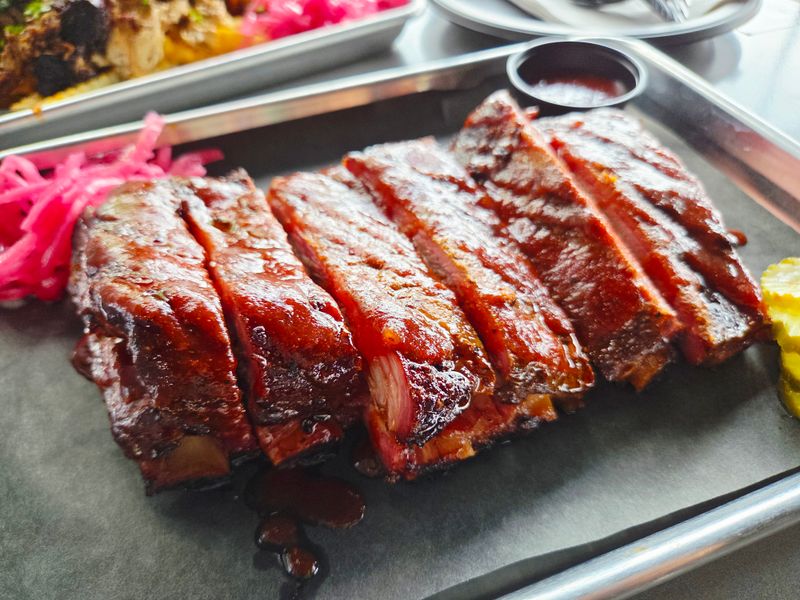
Some think spritzing is just to make it glossy for photos.
Pitmasters spritz to calm surface temps, encourage smoke adhesion, and add subtle acidity that cuts fat and highlights spices.
It’s a tactical move during long cooks, not a decorative flourish or afterthought.
The spritz mix, water, vinegar, cider, or tea, changes results because sugar-heavy mixes can darken the surface early.
City cooks pay attention to what the audience likes and often choose milder spritzes to keep flavors balanced.
Timing and composition matter as much as the act itself.
Spritz from a distance to avoid blasting the bark and washing away hours of careful work.
Light, even misting is the goal, not soaking or drenching.
Master this simple technique and your BBQ will taste and look better every time.
8. Rest And Carryover Cooking

Outsiders carve as soon as the thermometer hits the number, losing juices in the name of speed.
Pitmasters purposely rest meat so carryover cooking finishes the internal temp and juices redistribute for a juicier slice.
The rest can be 20 to 60 minutes depending on size, and wrapping affects temperature retention.
Resting matters as much as cooking because a rushed rest ruins a perfect smoke.
NYC service windows and delivery demands complicate resting logistics, so pro cooks plan for it from the start.
Patience during this final step pays off with every tender, moist bite.
Tent with foil over a towel-lined cooler for long rests to keep meat warm without overcooking.
This simple trick preserves texture and flavor beautifully.
Respect the rest, and your BBQ will thank you with incredible results.
9. Fat Cap

Many people trim fat away because it looks unappealing or unhealthy.
Pitmasters treat the fat cap as insurance, rendering slowly to baste meat and add flavor when managed correctly.
Where to leave it, on or off, depends on cut and cook method, it’s not one-size-fits-all advice.
Overly aggressive trimming can dry the meat out, while too much fat left can prevent seasoning penetration and create rubbery texture.
Urban pitmasters often score and angle the fat cap for consistent rendering in constrained cook times.
Smart trimming is an art that balances protection and flavor.
Trim to a thin, even layer and score shallowly for better rendering without cutting into the meat.
This allows fat to melt gradually and self-baste throughout the cook.
Respect the fat cap, and it will reward you with juicy, flavorful BBQ.
10. Smoke Ring
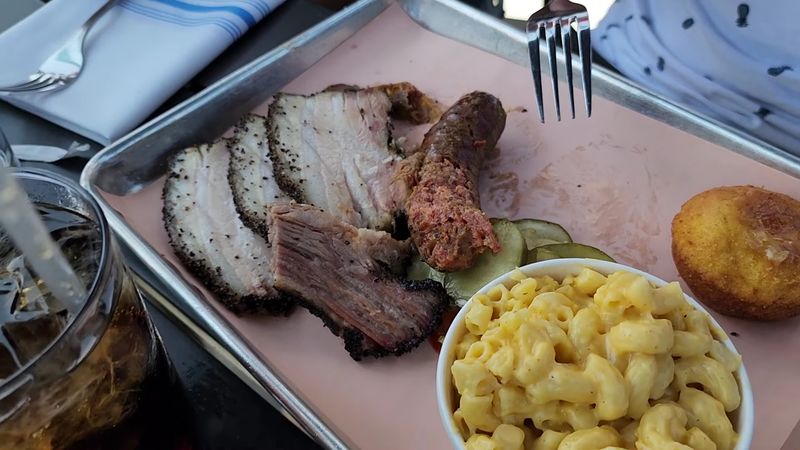
Novices treat the pink ring as the trophy of good BBQ, a purely visual badge of honor.
Pitmasters understand the smoke ring is a chemical reaction between nitric oxide and myoglobin, not a direct indicator of flavor or quality.
You can get a smoke ring from curing agents or even short cooking times without real taste.
Real taste comes from smoke penetration and balanced heat, not a pretty circle under the bark.
City cooks focus on clean smoke and flavor depth over chasing rings with tricks or shortcuts.
Appearance matters, but flavor always wins in the end.
Prioritize clean-burning wood and consistent smoke over methods to manufacture a ring artificially.
A beautiful smoke ring means nothing if the meat tastes bland or bitter. Focus on technique, and the ring will follow naturally.