
This Arizona Desert Outpost Turns The Milky Way Into A Ceiling

Night in Ajo arrives like a small ceremony.
I’ve watched the heat loosen its grip as the streets along State Route 85 emptied out and the sky stepped forward to take its turn.
Stars come early here, sharp and unsparing, especially with Organ Pipe Cactus National Monument breathing in the distance.
The Sonoran Desert presses close, not threatening, just precise about what belongs to it and what doesn’t.
Old copper stories linger in the walls, art glows quietly in unlikely windows, and darkness feels like a companion rather than an absence.
If you move slowly and look up often, this town opens in whispers instead of announcements.
Ajo Plaza At Blue Hour

The mission arches of Ajo Plaza glow a gentle cream against a cobalt sky, and conversation drifts under the palms.
Music sometimes hums from a doorway, soft enough that you hear shoes scuff the tile.
The plaza feels like a living room for the town, measured and unhurried.
Built in the early 20th century by the Calumet and Arizona Mining Company, the Spanish Colonial Revival arcades frame a civic heart that outlasted the mines.
Preservation efforts kept the proportions intact, so the geometry still works with the light.
That continuity makes dusk feel intentional.
Arrive just before sunset, park on Plaza Street, and circle once on foot to scout benches.
Then sit and watch the color drain up, not down. You will look up more than you expect.
New Cornelia Open Pit Lookout
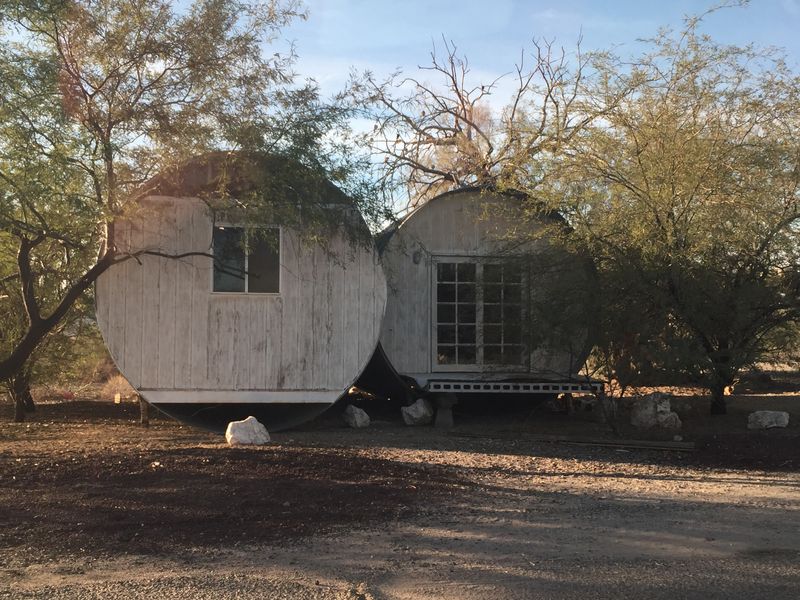
Heat ripples over a terraced amphitheater of rock, and swallows stitch the air with quick arcs.
The lookout is quiet enough that a small wind sounds like a page turning.
It feels like standing at the rim of a story that shaped everything around you.
The New Cornelia Mine carved Ajo’s economy for decades, its pit expanding through the 20th century until closure in 1985.
Interpretive panels sketch the timeline from company town planning to reclamation starts.
That frame lends weight to the silence.
Use the designated overlook on Old Highway 85 and bring water even for a short stop.
Late afternoon gives strong raking light for photos.
Keep to barriers and let the scale recalibrate your sense of distance.
Ajo Scenic Loop Drive
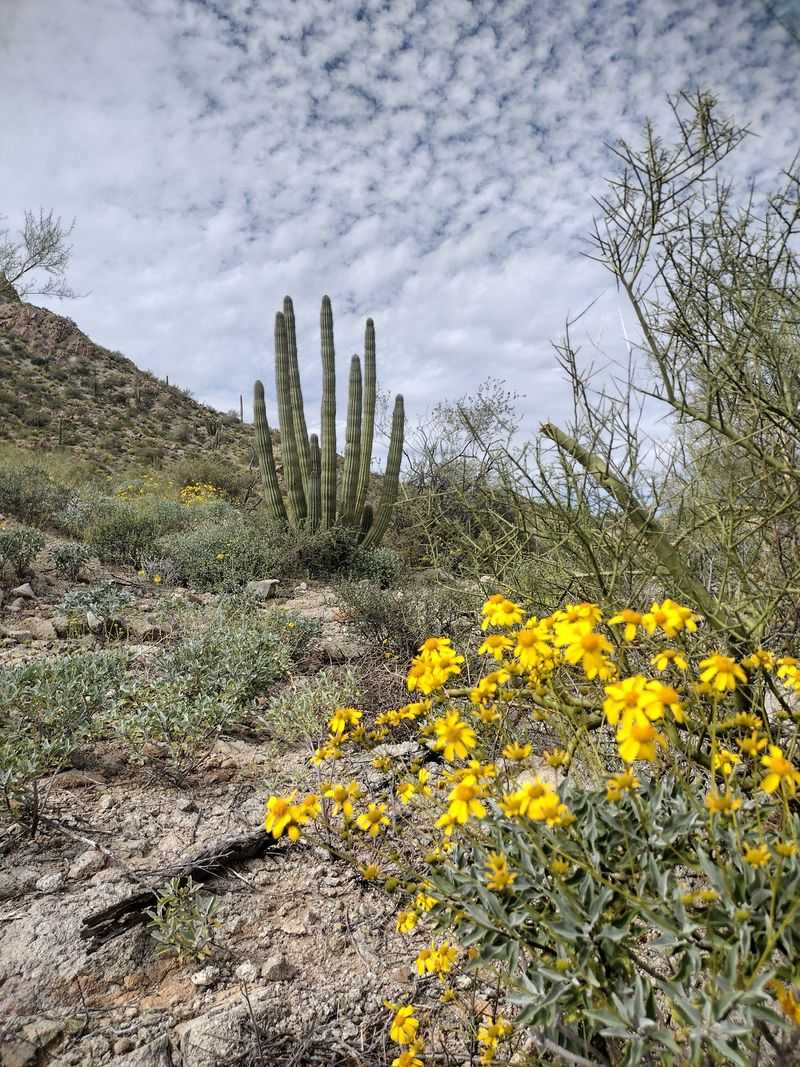
Tires crunch softly over graded gravel as cholla glow like lanterns at the edges.
The loop slides from town into open desert fast, trading stucco for saguaros and a cathedral of sky.
The vibe is unshowy, practical, and generous with views.
Built on existing mining and ranch roads, the Scenic Loop gives a ring-road history lesson around Ajo’s edges.
You pass traces of past utility that now feel like scenery.
That shift from work to leisure reads clearly in the landscape.
High-clearance is not required in dry conditions, but check weather and avoid after heavy rain.
Start near Rocalla Avenue and follow signage clockwise for better pullouts.
Stop the engine once and listen for the faint tick of cooling metal.
Curley School Campus Arts Complex

White domes catch the sun like chalked knuckles, and the hallways smell faintly of desert dust and wood.
Artists move quietly between studios, doors propped open to a breeze that edits conversation.
The mood is industrious without rush.
Built in 1919 and saved through adaptive reuse, the Curley School became live-work studios and cultural space under the International Sonoran Desert Alliance.
Preservation here focused on function as much as facade, keeping the rhythm of classrooms intact.
That decision preserves the building’s teaching voice.
Check the calendar for open studios or concerts, then wander the courtyard mosaics.
Photography is welcome outdoors, but ask before shooting inside.
Let the tilework guide your feet to the next doorway.
Ajo Murals And Alley Galleries
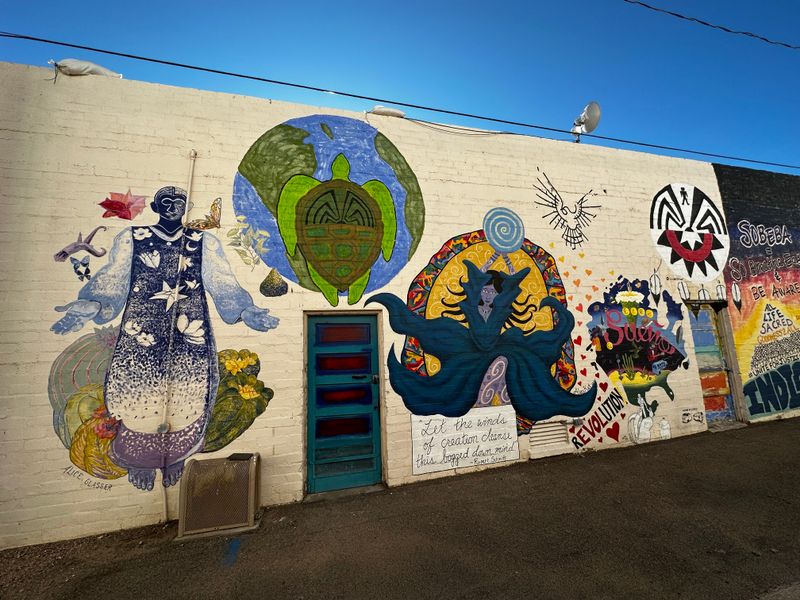
A splash of turquoise on stucco stops you mid step, then a pronghorn painted at scale turns a wall into a corridor.
The air smells like creosote after a passing sprinkle if you are lucky.
Street art here reads conversational rather than shouted.
The mural movement grew alongside arts-led revitalization after mining’s decline, with local and visiting artists layering stories across alleys near the plaza.
Each piece nods to desert ecology and borderland culture without smoothing edges.
The history is recent and ongoing.
Start behind the plaza and move slow, scanning utility doors and backs of shops.
Morning light gives even color with fewer shadows.
Carry water and step aside for delivery trucks that navigate the same lanes.
Organ Pipe Gateway Nights
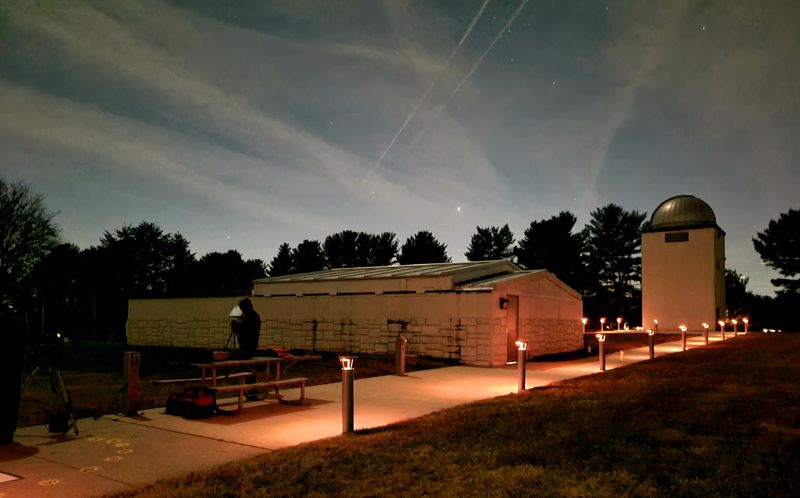
Stars appear in layers so dense they feel stacked, and the Milky Way runs like a pale river overhead.
Out near the town’s southern edge, the darkness deepens quickly in the direction of Organ Pipe Cactus National Monument.
The mood is hushed but not empty.
Ajo’s location 43 miles north of the border and near protected lands limits skyglow compared to cities.
History of conservation in the monument helps keep the horizon clean.
That stewardship translates directly to your eyes.
Drive south on State Route 85 and pull into legal turnouts well before the monument boundary.
Bring a red light, check moon phase, and let your phone rest.
The ceiling of stars will do the talking.
Immaculate Conception Church Arches
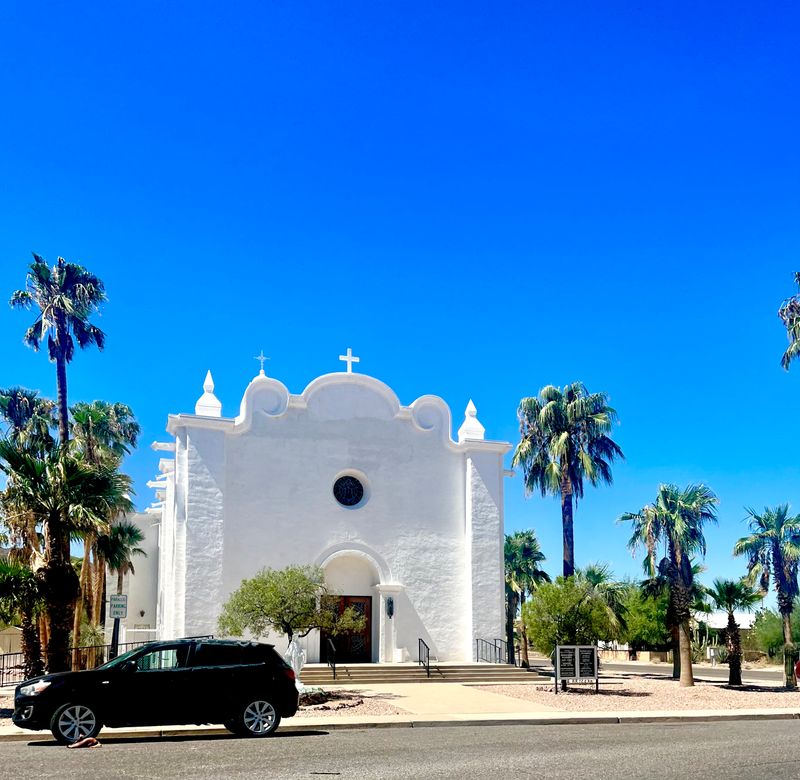
Bells mark the hour with a simple metal timbre, and the white facade flares against a clear morning.
Pigeons shuffle along the parapet like stern ushers.
The feeling is spare and sincere.
The church, part of the historic plaza ensemble, reflects early 20th century mission revival tied to the company town plan.
Maintenance has kept the plaster bright and lines crisp.
That care reads as a community promise to its center.
Step inside when services are not in progress and notice the cool after the sun.
Sit briefly, then step back out to appreciate the proportion of arch to sky.
Quiet helps the geometry speak.
Ajo Farmers Market And Cafe Corner
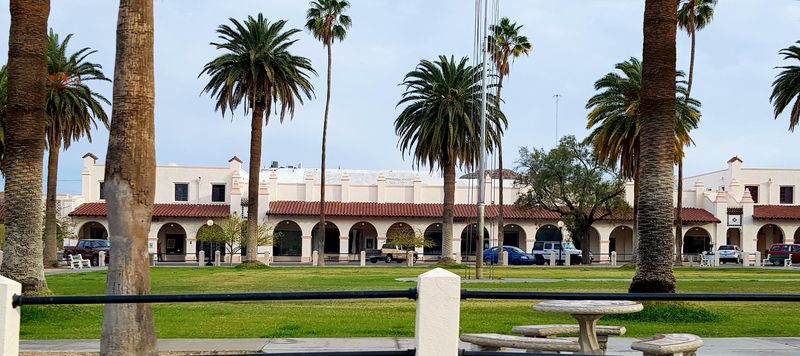
You catch snippets of conversations about weather and water deliveries.
The vibe is practical nourishment with a side of neighborly check in.
Local growers and regional producers have used this plaza corner for years, a small node in Ajo’s self reliance after the mine closed.
History here is measured in recurring Saturdays and recipes.
Continuity tastes like tortillas pressed minutes ago.
Arrive early for the best selection and shade, and bring cash plus a small cooler.
Ask vendors about seasonal dates, which can shift with heat.
A breakfast burrito will make the rest of the day steadier.
Desert Rain Smell On Rasmussen Road
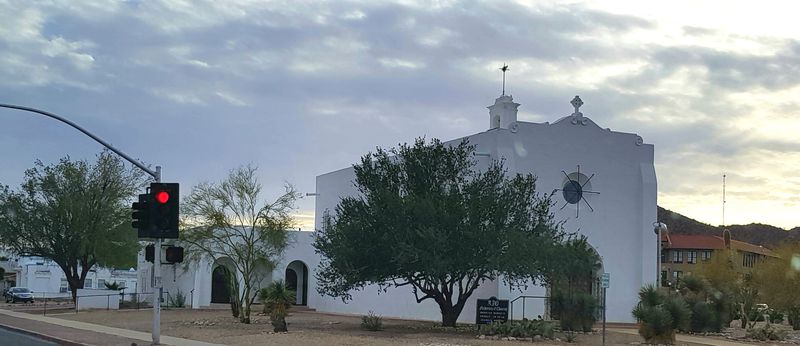
Petrichor rises sharp and clean after a passing storm, wrapping creosote and dust into something almost metallic.
Roadside ocotillo hold droplets like tiny lamps.
The whole scene slides into a temporary softness.
These monsoon moments are part of Ajo’s seasonal rhythm, usually July through September, when clouds build over the Growler Mountains.
Residents track cells the way others track sports.
Weather history becomes community chatter.
If storms threaten, avoid dirt spurs and respect flash flood warnings in low dips.
Pull well off the main lane to stop safely.
I waited ten minutes just to watch steam rise from the asphalt.
Sunset From Mine Tailings Viewpoint
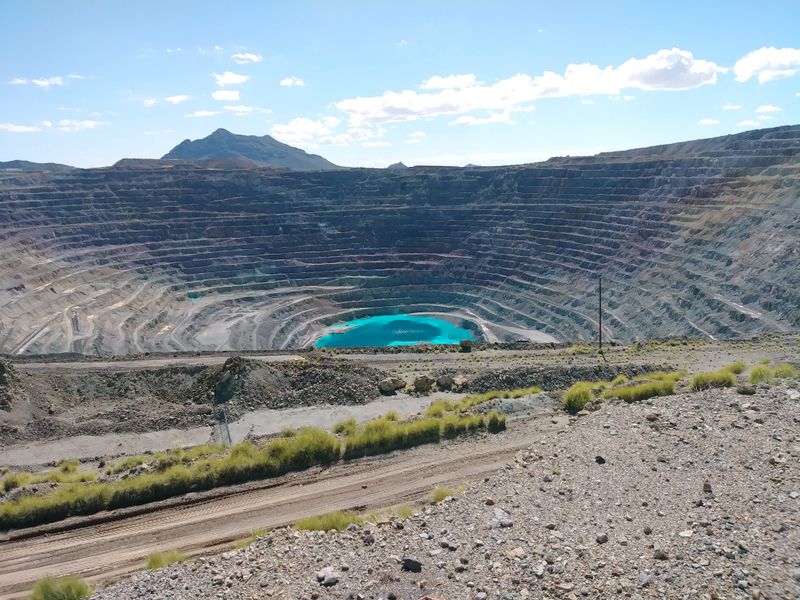
Gold light slides over pale tailings piles and turns them into folded paper.
A kestrel hangs in place above the slope, working the breeze like a thread.
The scene looks industrial and strangely delicate at once.
The tailings are the residue of copper extraction that defined Ajo’s trajectory, reshaped into stable forms through reclamation.
Preservation here is pragmatic, more about contour and containment than nostalgia.
That honesty invites a clear look.
Use only established viewpoints and do not climb the piles.
Sunset casts long edges that photography loves, but mind footing near gravel.
Leave as the first stars appear and watch the town’s lights stay modest.