
12 South Carolina Coastal Towns That Locals Say Beat The Crowds Every Time

Myrtle Beach is great, but let me tell you—fighting for a parking spot and dodging beach umbrellas like it’s an obstacle course?
Not my idea of relaxation.
South Carolina’s coastline stretches over 180 miles, and while the famous spots get all the glory, locals know the real magic happens in the quieter towns where you can actually hear the waves.
These hidden spots offer the same stunning sunsets, fresh seafood, and salty air without the tourist chaos that makes you want to pack up and leave.
1. Beaufort
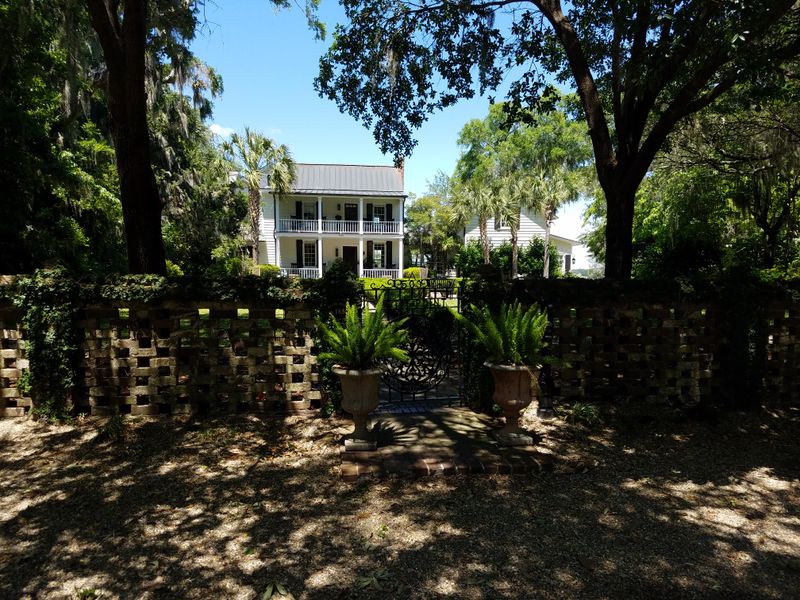
Antebellum homes line streets so picturesque they’ve been used as movie sets more times than I can count.
Beaufort sits on Port Royal Island, where the Lowcountry charm is thicker than the humidity in August.
Spanish moss drapes from ancient oak trees like nature’s own curtain, creating an atmosphere that feels like you’ve stepped back in time.
The waterfront downtown area buzzes with local art galleries, family-owned restaurants, and shops that actually sell things you’d want to buy.
I once spent an entire afternoon just wandering Bay Street, popping into bookstores and chatting with shop owners who remembered my name the second time I visited.
Kayaking through the surrounding marshlands offers up-close wildlife encounters that beat any zoo experience.
The seafood here tastes like it was swimming hours ago—because it probably was.
2. Hilton Head Island
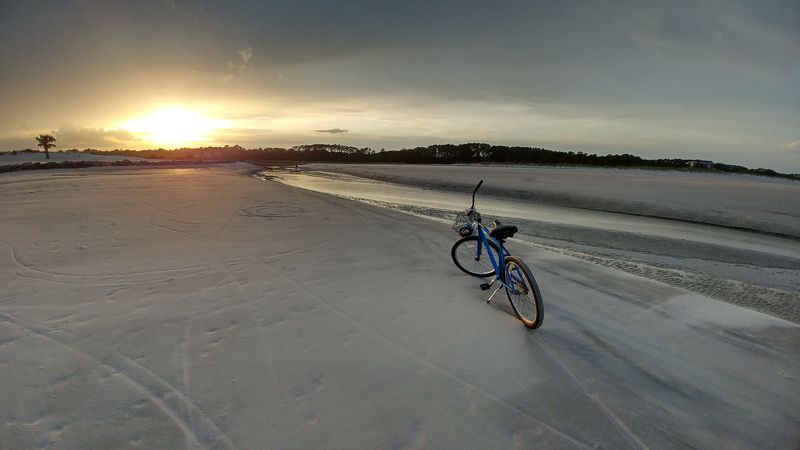
While technically famous, Hilton Head has mastered the art of spreading people out so well that you’d never know thousands visit annually.
The island spans 42 square miles with over 12 miles of beaches, which means there’s plenty of room to claim your own slice of paradise.
Bike paths weave through maritime forests and past golf courses that look like paintings.
I discovered the trick: skip the main beach accesses and head to the smaller ones tucked between resorts.
You’ll find yourself with maybe a dozen other people instead of hundreds.
The island’s strict building codes keep everything low-rise and hidden behind trees, preserving that natural, uncrowded feeling.
Fresh oysters at sunset, dolphins playing offshore, and enough activities to keep everyone happy without feeling like you’re at a theme park—that’s the Hilton Head difference.
3. Myrtle Beach
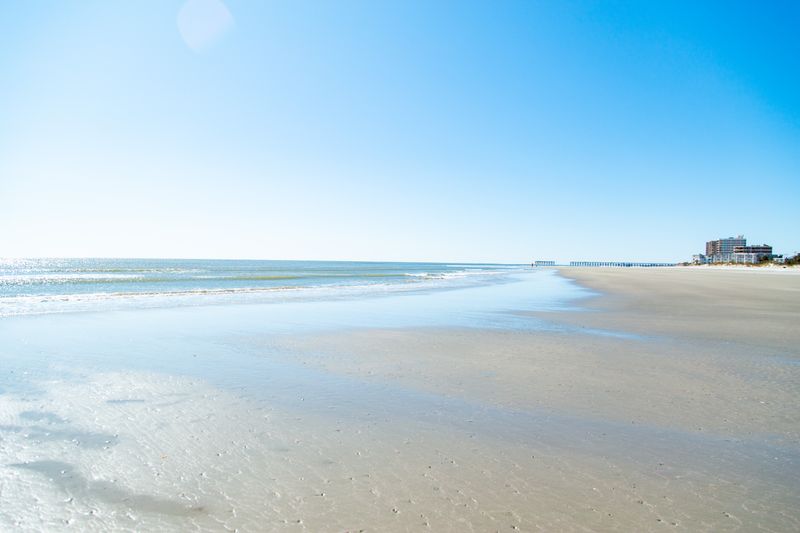
Wait, hear me out!
I know what you’re thinking, but Myrtle Beach has a secret side that locals guard like buried treasure.
Sure, the main drag gets absolutely slammed during peak season, but venture just a few miles north or south and you’ll find neighborhoods where the pace slows to a crawl.
Cherry Grove and Windy Hill sections offer the same gorgeous beach without the neon chaos.
Early morning walks along the shore before the crowds wake up feel like you own the entire coastline.
The sunrise paints the sky in colors that no Instagram filter could improve, and the only footprints in the sand are yours and the sandpipers’.
Hit the local breakfast spots away from the tourist corridor, and you’ll rub elbows with folks who’ve lived here for generations and know every secret the Grand Strand has to offer.
4. Isle of Palms
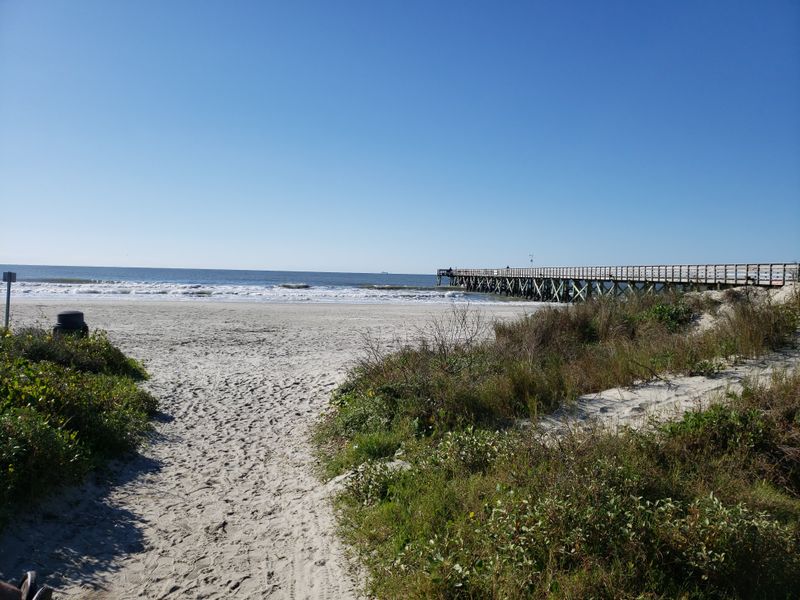
Just a short drive from Charleston, Isle of Palms delivers that barrier island experience without requiring a ferry or a treasure map.
The beaches stretch wide and welcoming, perfect for long walks where the biggest decision is whether to hunt for shells or just watch the pelicans dive-bomb for fish.
Front Beach Park offers amenities without the overwhelming crowds you’d find at more famous spots.
I love how the island balances residential charm with visitor-friendly vibes—nobody makes you feel like an outsider here.
Local restaurants serve up Lowcountry boils and fish tacos that taste even better when eaten with sand between your toes.
The neighboring Sullivan’s Island is just across the Intracoastal Waterway, so you can easily explore both in one trip.
Sunsets here don’t disappoint, and neither does the laid-back atmosphere that makes you want to extend your stay indefinitely.
5. Sullivan’s Island
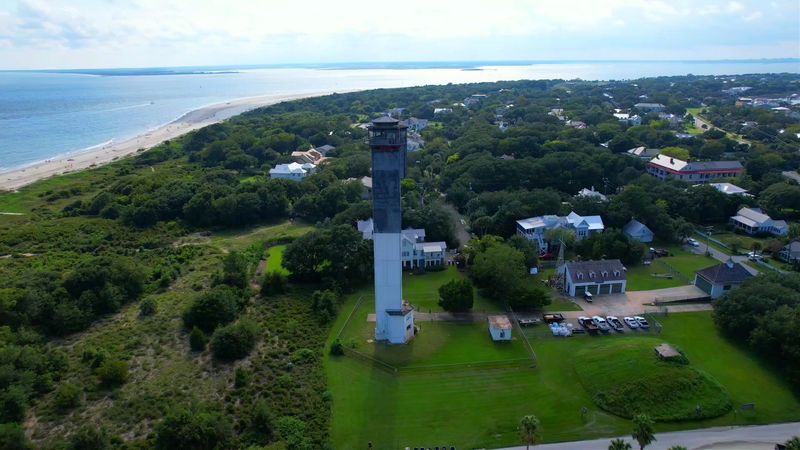
Quirky beach cottages painted in colors that would make a rainbow jealous line streets where locals bike to the beach instead of driving.
Sullivan’s Island feels more like a neighborhood than a tourist destination, which is exactly why people who know, go.
The beaches here are gloriously uncommercial—no high-rises blocking the sun, no boardwalks packed with t-shirt shops.
Fort Moultrie offers a fascinating history lesson about the Revolutionary War and Civil War without feeling like a stuffy museum.
I spent an afternoon exploring the fort and learned more about American history than I ever did in school, probably because I was actually interested this time.
Poe’s Tavern serves burgers named after Edgar Allan Poe works, because apparently he was stationed at the fort back in the day.
The combination of literary references and excellent food makes this island unexpectedly intellectual for a beach town.
6. Folly Beach
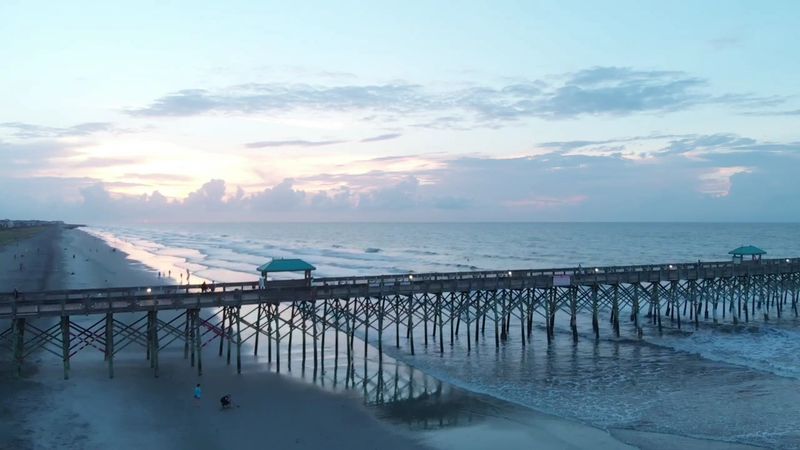
Locals call it the Edge of America, and Folly Beach lives up to that slightly rebellious nickname with a bohemian vibe that sets it apart from its more polished neighbors.
Surfers dot the waves year-round, giving the place a California-cool feeling that’s rare on the East Coast.
The fishing pier stretches 1,045 feet into the Atlantic, perfect for casting a line or just watching the waves roll in.
Downtown Folly Beach consists of a few blocks packed with eclectic shops, casual restaurants, and bars where everybody seems to know each other’s names.
I once joined a random group playing cornhole outside a taco joint and ended up getting invited to a bonfire later that night—that’s just how Folly rolls.
The Morris Island Lighthouse stands offshore, accessible at low tide, creating one of the most photographed scenes on the South Carolina coast.
7. Pawleys Island
Arrogantly shabby—that’s how Pawleys Island describes itself, and honestly, it’s the perfect description for this unpretentious barrier island.
No flashy resorts or chain restaurants interrupt the landscape of weathered beach houses and swaying palmettos.
The island’s four miles of beach offer solitude that feels increasingly rare in our overcrowded world.
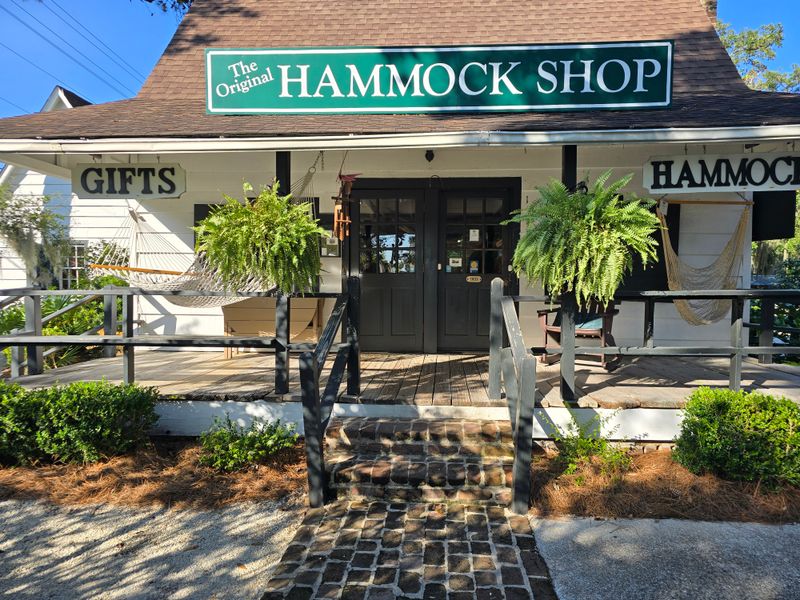
Famous for those rope hammocks you’ve seen everywhere, Pawleys Island invented them back in the 1800s, and you can still buy authentic ones from the original hammock shops.
I bought one years ago, and it’s still the best investment I’ve ever made for backyard relaxation.
The causeway connecting the island to the mainland passes marshes where herons fish and dolphins occasionally surface.
Once you cross onto the island, stress melts away faster than ice cream in July, replaced by the kind of peace that makes you understand why people return here generation after generation.
8. Edisto Beach
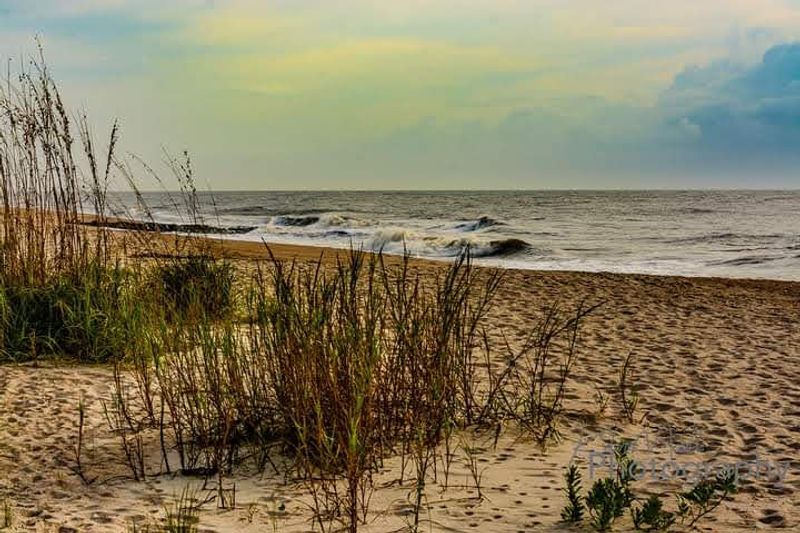
Seashells blanket the beach in such abundance that you’ll need an extra suitcase just to bring home your favorites.
Edisto Beach remains one of South Carolina’s best-kept secrets, partly because it requires a bit more effort to reach than the more accessible beaches.
The island sits about an hour from Charleston, far enough to discourage day-trippers but close enough for those seeking genuine escape.
Edisto Beach State Park protects maritime forest and salt marsh ecosystems that have existed for centuries.
Camping here puts you steps from the ocean and surrounded by nature that feels wonderfully wild and untamed.
The town itself consists of a few restaurants, a small grocery store, and not much else—which is precisely the point.
I’ve watched entire families spend weeks here without ever feeling bored, proving that sometimes less really is more when it comes to vacation destinations.
9. Murrells Inlet
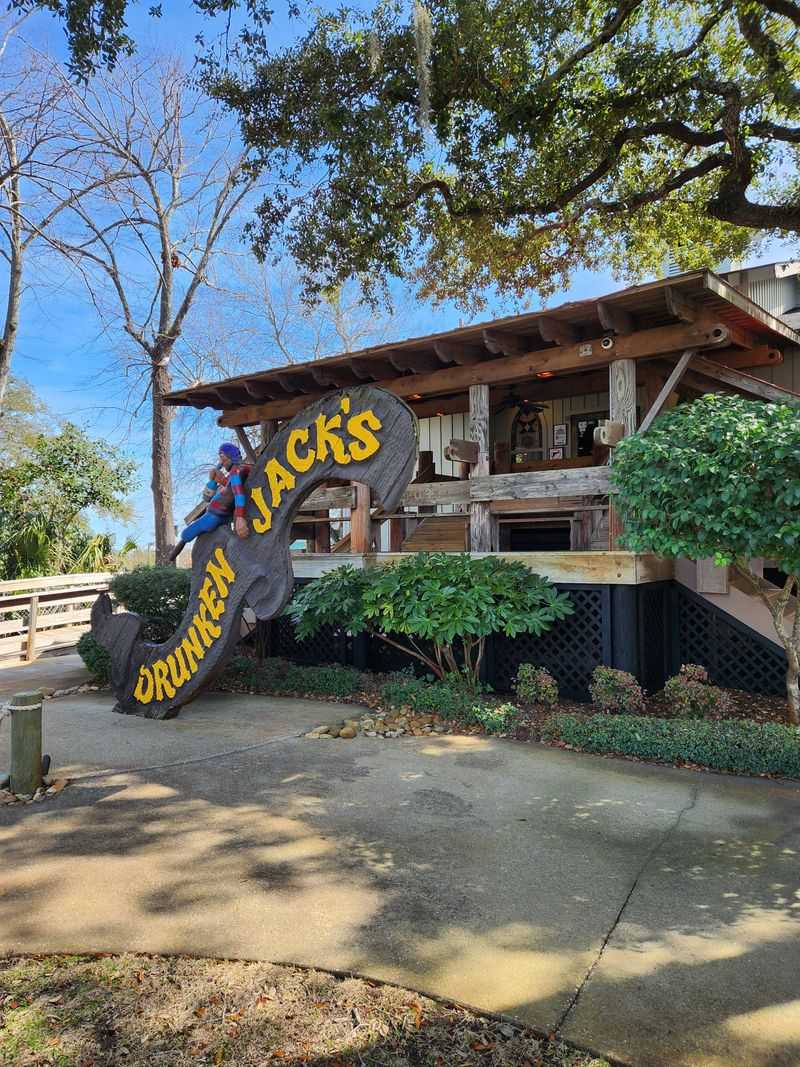
Self-proclaimed Seafood Capital of South Carolina, Murrells Inlet backs up that bold claim with restaurants that serve fish so fresh it practically swims onto your plate.
The MarshWalk boardwalk winds along the inlet, connecting waterfront eateries where you can watch boats return with the daily catch while you eat it for dinner.
Live music drifts across the water most evenings, creating an atmosphere that’s part beach party, part nature preserve.
I once counted seventeen different species of birds from a single restaurant deck, including a roseate spoonbill that looked like it had gotten lost on its way to Florida.
The tidal creeks and marshes surrounding the inlet teem with wildlife, making every meal a chance for unexpected nature encounters.
Unlike more developed areas, Murrells Inlet maintains its fishing village character, where shrimpers still work the waters their grandparents fished decades ago.
10. Georgetown
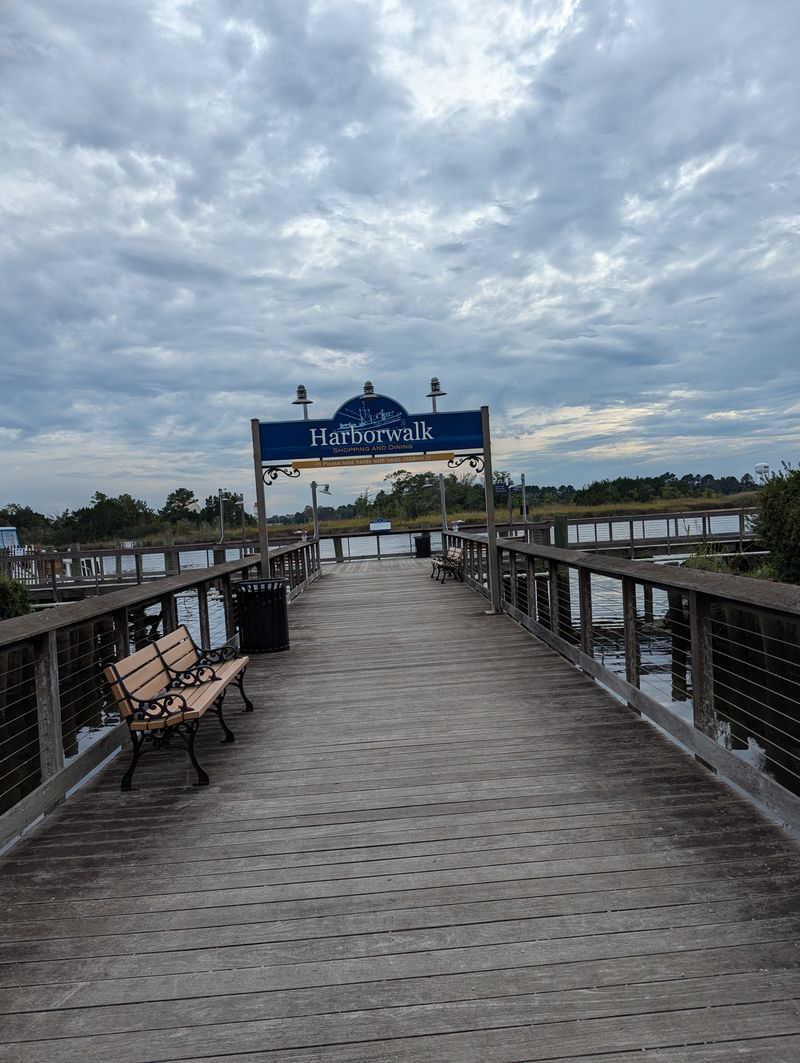
Third oldest city in South Carolina, Georgetown wears its history like a comfortable old sweater—naturally and without pretension.
The Harborwalk stretches along the Sampit River, where massive cargo ships still dock to load paper and steel, reminding visitors that this is a working waterfront, not just a tourist attraction.
Historic homes date back to the 1700s, when Georgetown thrived as a major rice-exporting port.
Front Street’s shops and restaurants occupy buildings that have stood for centuries, and the owners actually know the stories behind their walls.
I spent an entire rainy afternoon in a bookstore listening to the owner explain how his building survived the Civil War, hurricanes, and multiple fires.
The nearby Winyah Bay offers some of the best kayaking on the coast, with routes through rice plantation ruins where alligators sunbathe and eagles nest in towering pines.
11. Kiawah Island
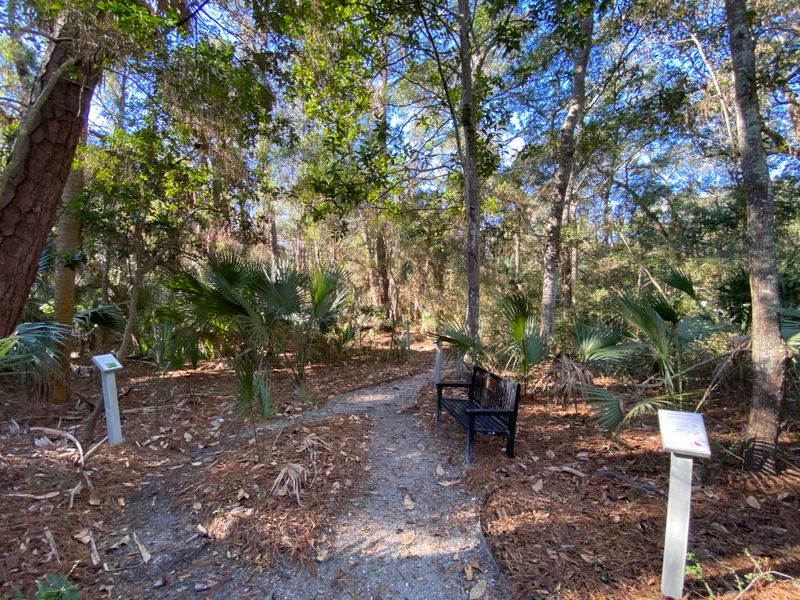
Pristine beaches stretch for ten miles along this barrier island where nature takes priority over development.
Kiawah Island enforces strict conservation rules that keep 30 miles of bike paths winding through maritime forests where deer, bobcats, and even the occasional alligator remind you this is their home first.
The island’s commitment to environmental protection means beaches stay remarkably uncrowded even during peak season.
World-class golf courses designed by legends like Pete Dye blend so seamlessly into the landscape you’d almost miss them if not for the occasional golfer.
But you don’t need to golf to appreciate Kiawah—the beach alone justifies the visit.
I’ve watched loggerhead sea turtles nest here during summer nights, guided by volunteers who protect these endangered creatures.
That experience alone made Kiawah feel less like a vacation destination and more like a privilege to witness nature’s ancient rhythms continuing despite human presence.
12. Litchfield Beach
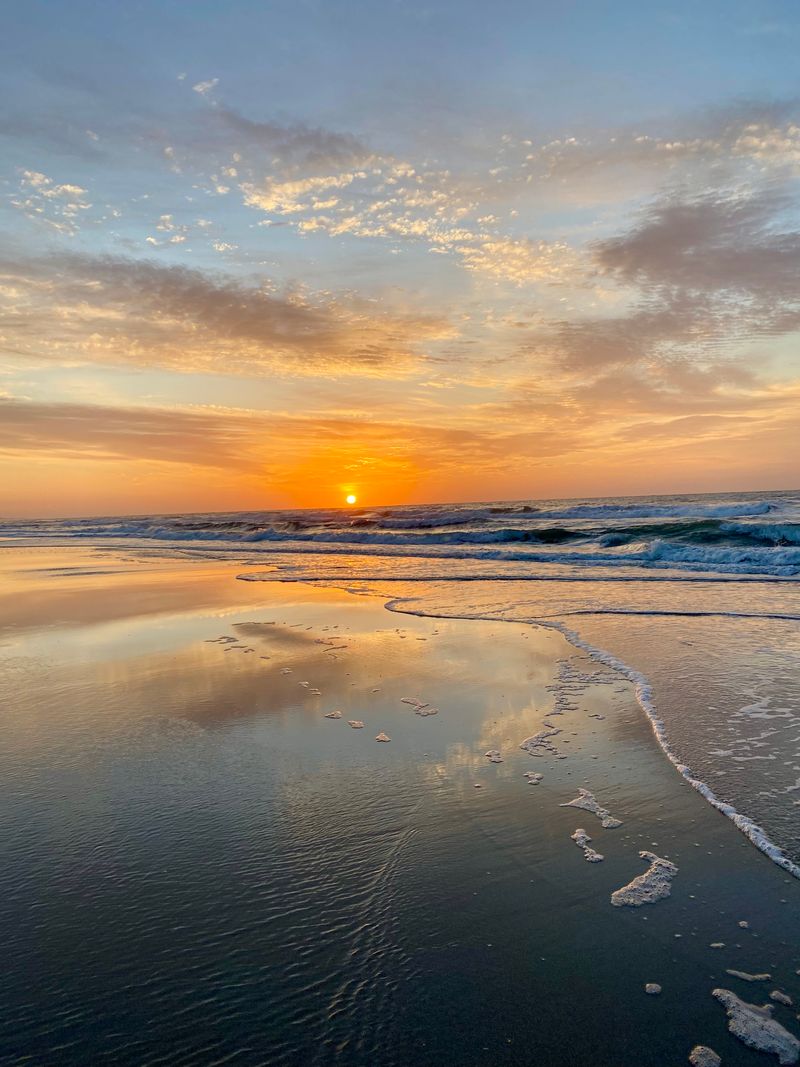
Sandwiched between Pawleys Island and Murrells Inlet, Litchfield Beach somehow manages to stay under the radar despite being surrounded by popular destinations.
The beach community consists mainly of vacation rentals and a few small developments that blend into the coastal landscape rather than dominating it.
Wide beaches provide plenty of space for solitary walks where your only companions are sandpipers racing the waves.
Brookgreen Gardens sits just inland, offering 9,100 acres of sculpture gardens, wildlife preserve, and Lowcountry history that provides a perfect rainy day alternative.
I’ve spent entire afternoons wandering the gardens, discovering sculptures hidden among centuries-old oaks and learning about the rice plantation culture that once dominated this region.
The lack of commercial development means Litchfield Beach stays blissfully quiet, attracting families and couples who value peace over nightlife and natural beauty over manufactured entertainment.