
18 Colorado Mountain Towns That Travelers Say You Have To See At Least Once
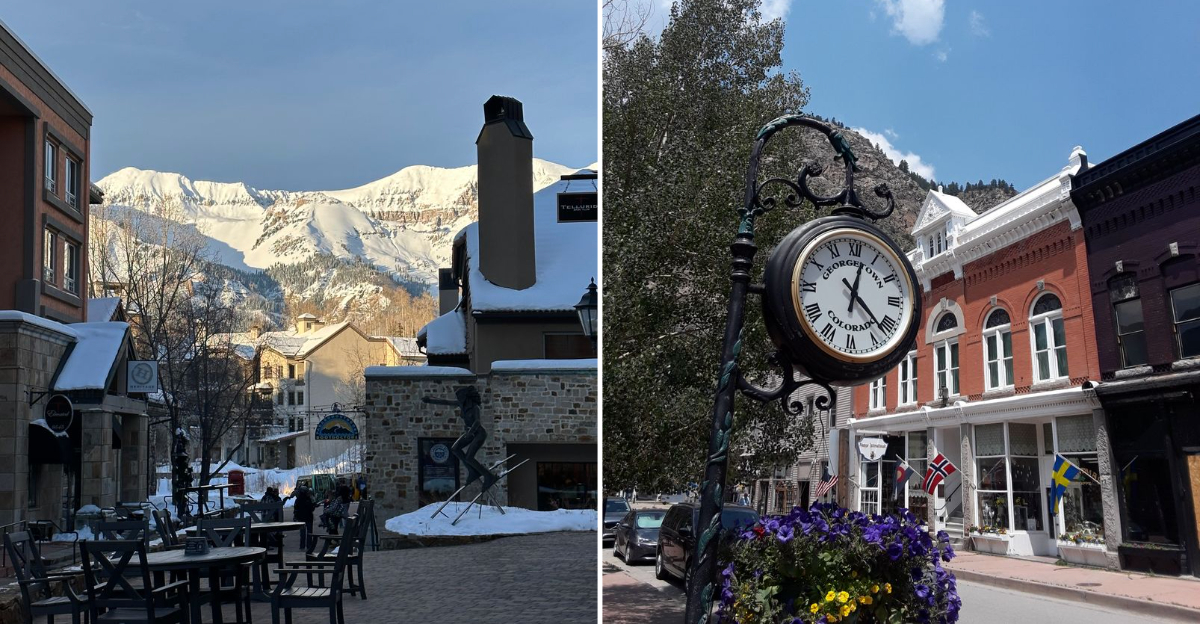
Colorado’s mountain towns have a way of sneaking up on you.
One minute you’re just following the highway, the next you’re rolling past a false-front main street with snow stacked on the rooftops and peaks towering over church steeples.
Old neon flickers to life at dusk, rivers flash silver beside the road, and every little town feels like it might be the place where you finally decide to stay “just one more day.”
Some of these towns were carved out by miners chasing silver, others were dreamed up by skiers chasing powder, and all of them trade in big views and bigger stories.
Whether it’s hot springs steaming in the cold air or gondolas gliding over box canyons, these are the Colorado mountain towns travelers swear you have to see at least once.
1. Telluride
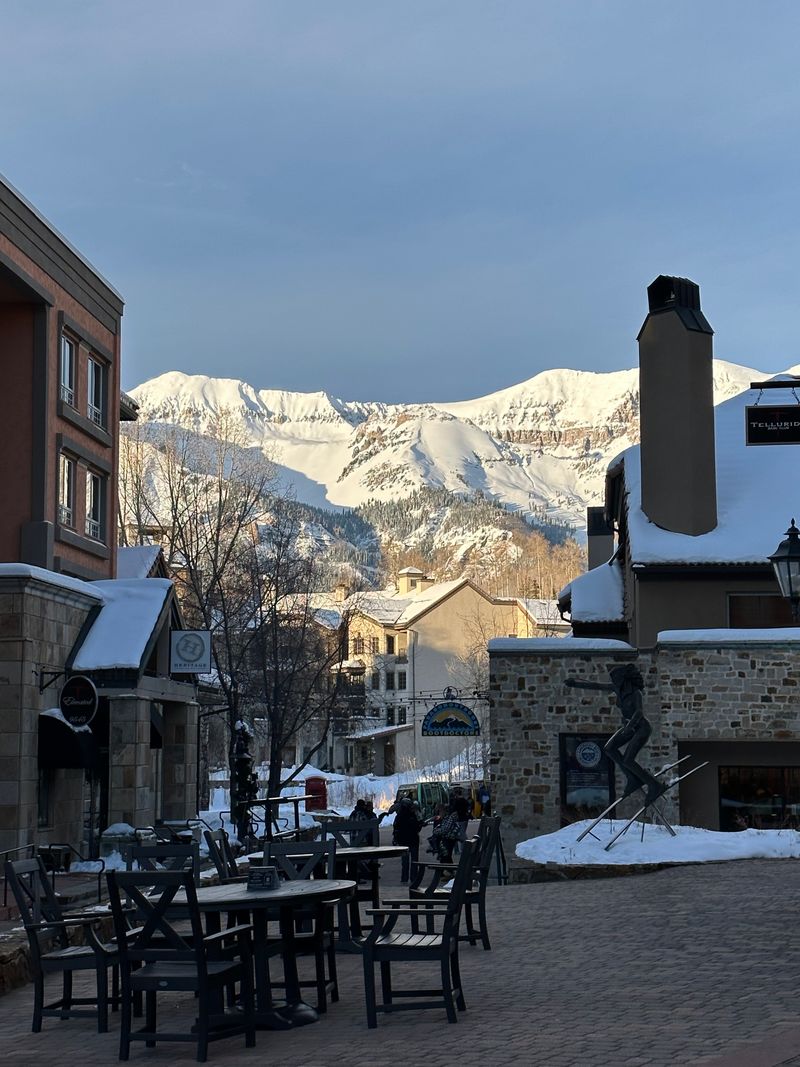
Telluride feels like a movie set that someone forgot to tear down after the shoot wrapped.
The old mining streets end in sheer rock walls, with waterfalls tumbling down at the head of a box canyon and 14,000-foot peaks closing in on every side.
The town began as a silver camp in the 1870s, and later reinvented itself as a ski resort, now linked to Mountain Village by a free gondola gliding over the valley.
In summer, festivals and hiking fill the days; in winter, it’s powder and cozy bars under Victorian brick facades.
2. Ouray
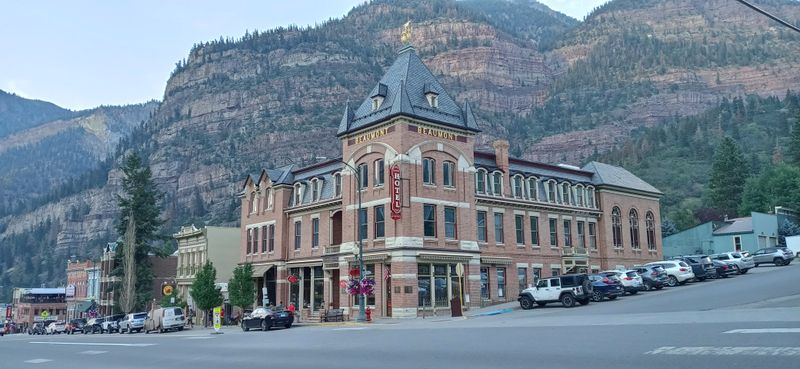
Ouray is the town people mean when they say Switzerland of America. Main Street runs down the middle of a narrow valley, framed by 13,000-foot peaks that glow pink at sunrise in winter.
Travelers sink into steaming hot-spring pools after days of jeep roads, waterfalls, and ice climbing in the famous Ouray Ice Park.
When the lights come on and snow piles along the wooden sidewalks, the whole place looks like a snow globe somebody shook just for you.
3. Crested Butte
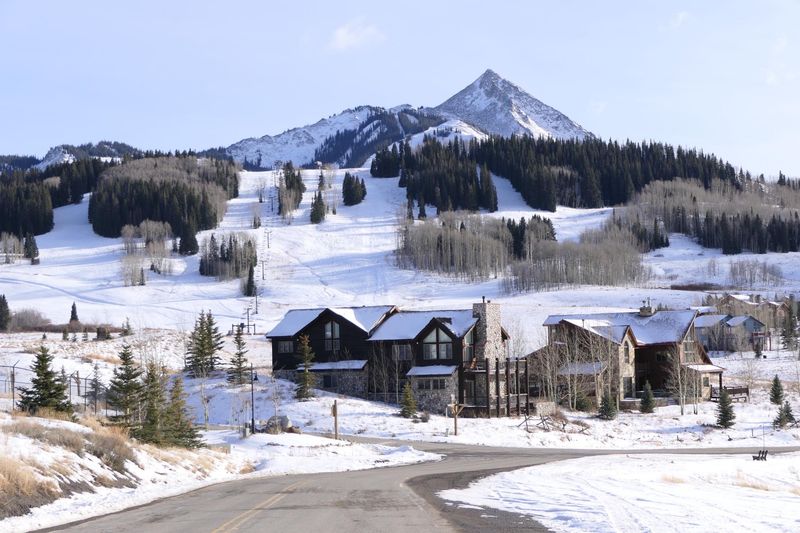
Crested Butte is the classic end-of-the-road Colorado town, where dirt streets once served miners and now serve skiers, hikers, and mountain bikers.
It brands itself the Wildflower Capital of Colorado, and in July the meadows explode in color beneath the butte that towers over town.
In winter, lifts climb straight from the edge of the valley, and the historic downtown glows with colorful false-front buildings, live music, and locals still in ski boots at dinner.
4. Aspen
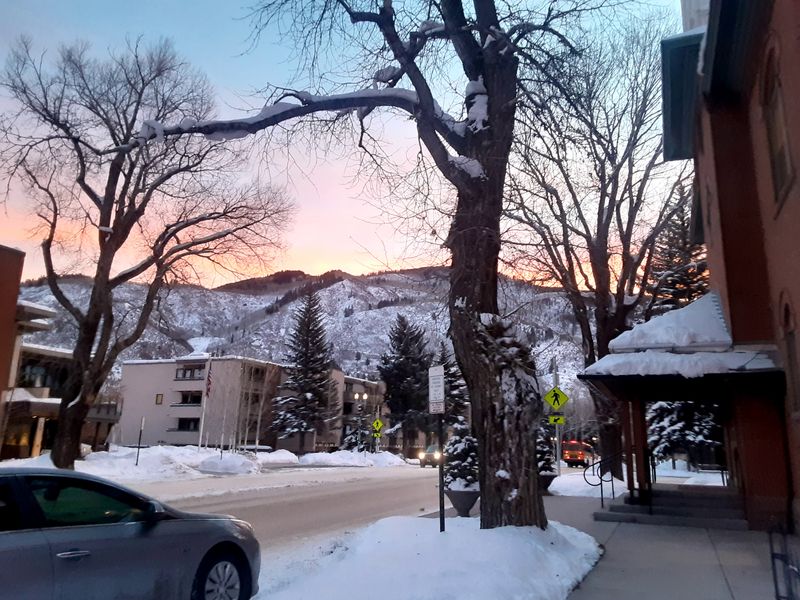
Aspen began as a boom-and-bust silver town and somehow turned into one of the most famous ski destinations on the planet.
Its Victorian buildings now hold art galleries, high-end boutiques, and old saloons with stories in the floorboards, while Aspen Mountain rises directly above town with steep, lift-served runs.
In summer, it softens into a leafy mountain village full of cyclists, festival-goers, and hikers headed toward alpine lakes.
5. Breckenridge
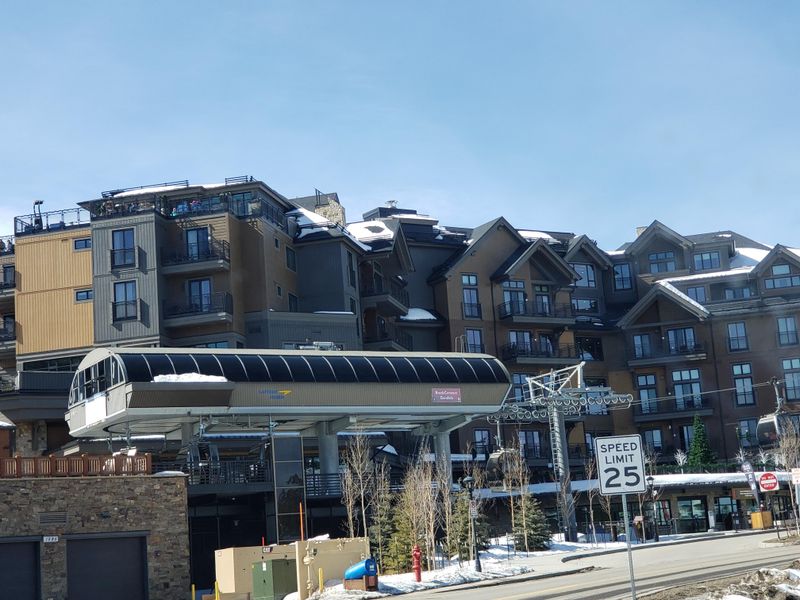
Breckenridge feels like a living snow globe, with candy-colored Victorian facades lining Main Street and a ski resort dropping right down to town.
Originally a gold-rush settlement, its historic district still preserves 19th-century storefronts now filled with cafés, gear shops, and over 200 places to eat.
Today, Breck runs year-round: winter skiers by day, après on Main Street by night, then summer hiking, biking, and paddleboarding on nearby Dillon Reservoir.
6. Vail
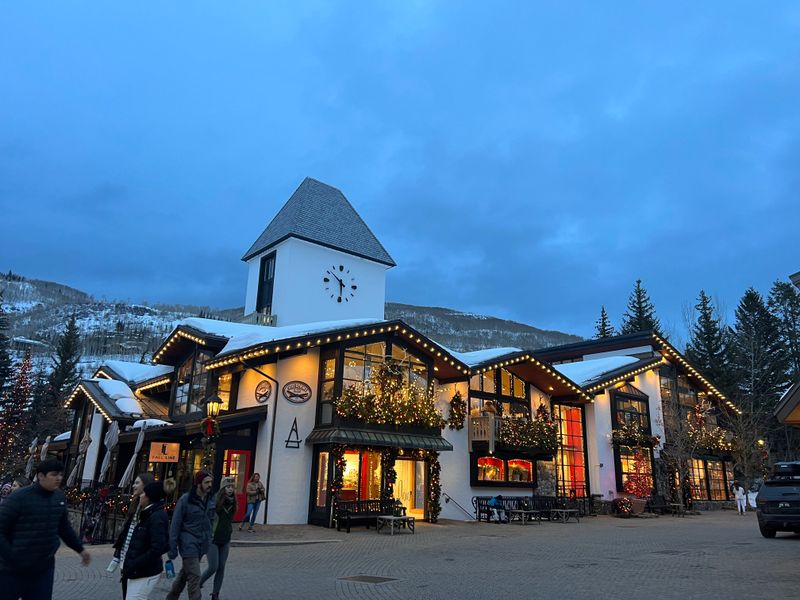
Vail is the modern version of a mountain town, purpose-built for skiing, but styled like an alpine village.
Pedestrian lanes weave past lodges, restaurants, and après decks, all tucked below one of the largest ski resorts in the United States, famous for its vast Back Bowls and long groomers.
Even outside of ski season, the village hums with hikers, mountain bikers, live music, and families strolling along Gore Creek.
7. Steamboat Springs
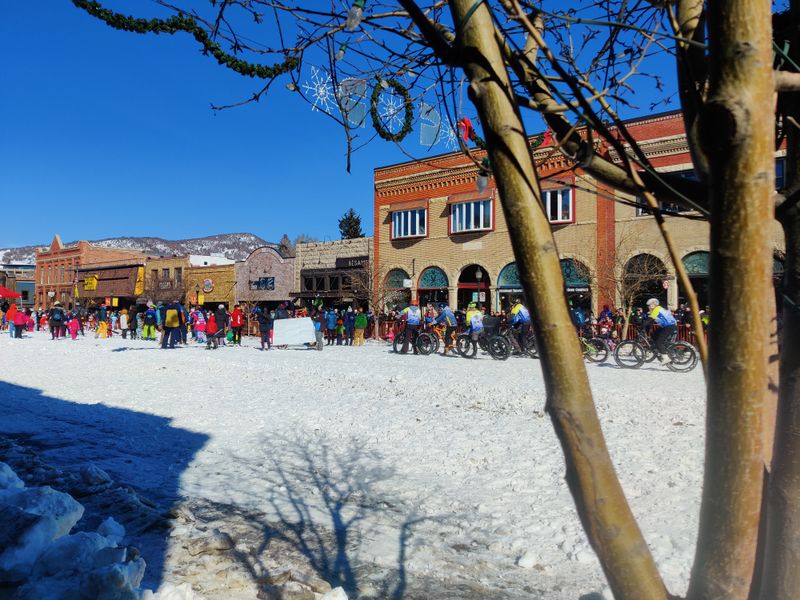
Steamboat Springs blends cowboy roots with ski-town energy.
Downtown, you can still spot ranchers’ trucks parked outside old brick buildings, while just up the road, Steamboat Ski Resort spreads across a big, snowy mountainside.
After a day on the slopes or trails, everyone seems to drift toward the hot springs, either the in-town Old Town Hot Springs or the more rustic Strawberry Park Hot Springs tucked into the forest outside town.
8. Durango
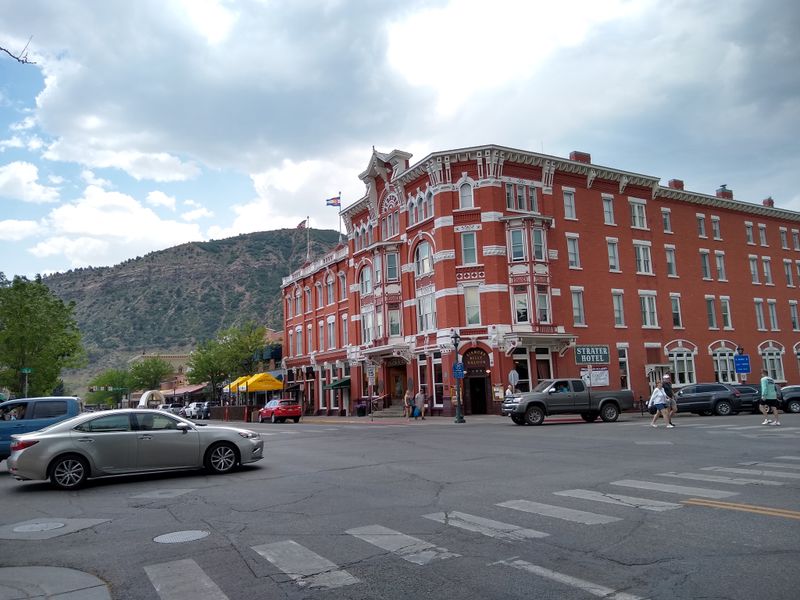
Durango sits along the Animas River, with an Old West main street that still feels like a frontier railroad town.
The Durango and Silverton Narrow Gauge Railroad chugs out of the historic depot, carrying passengers on a 45-mile route through canyons and along cliff edges to the old mining town of Silverton, a journey that has been running in one form or another since the 1880s.
Between runs, travelers wander brewpubs, hot springs, and trailheads radiating into the San Juan Mountains.
9. Silverton
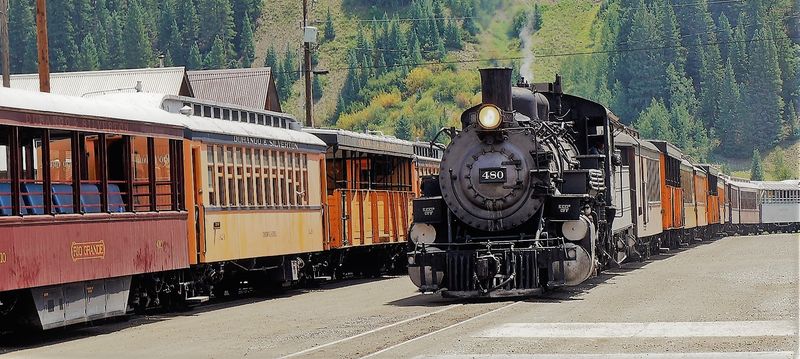
Silverton feels like a preserved snapshot from mining days: a main street lined with old storefronts, dirt side streets, a ring of mountains, and big sky overhead.
It sits at the top end of the Durango and Silverton Railroad line, where trains unload day-trippers who fan out to historic hotels, saloons, and guided tours of old mines.
The town itself is small and seasonal, but its access to high-alpine basins, off-road passes, and backcountry skiing makes it unforgettable.
10. Pagosa Springs
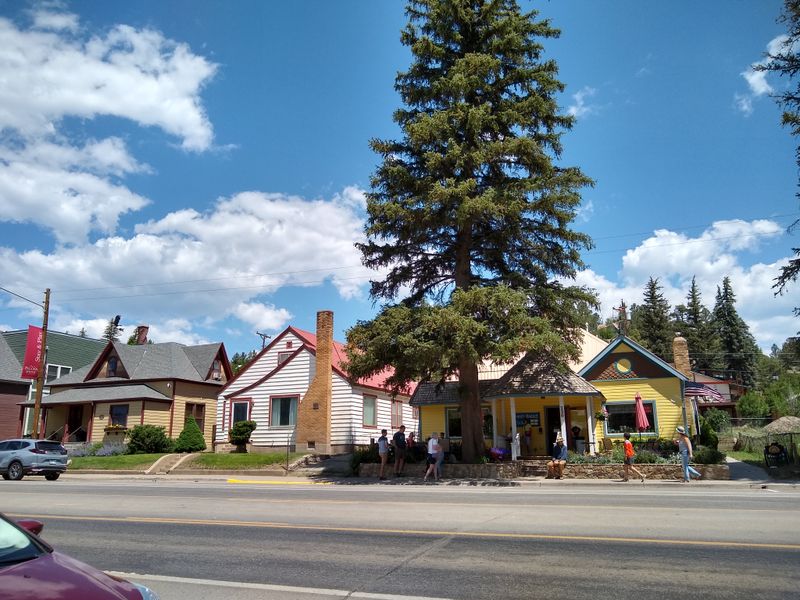
Pagosa Springs is the place where steam rising off the San Juan River reminds you why people settled here in the first place.
The town claims the world’s deepest known geothermal hot spring, whose mineral-rich waters feed a collection of soaking pools along the riverbank and in resorts like The Springs.
Around town, the San Juan Mountains rise on the horizon, offering trails, waterfalls, and winter powder just up the road at Wolf Creek Pass.
11. Glenwood Springs
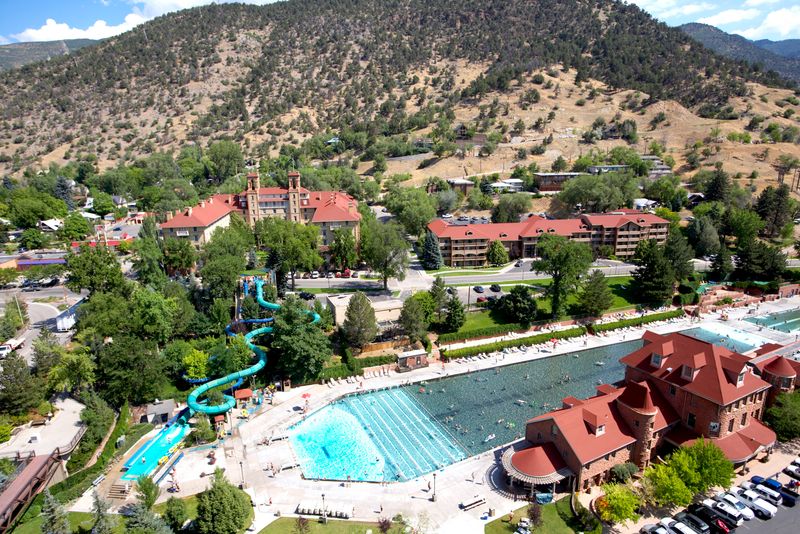
Glenwood Springs is where travelers take a breather between big ski days in Aspen or Vail and just soak.
The town is famous for having multiple hot-spring experiences: the historic Glenwood Hot Springs Pool, billed as the world’s largest; newer complexes like Iron Mountain Hot Springs; and vapor caves carved into the hillside.
Add in the Colorado River, nearby Hanging Lake, and a mountaintop amusement park with cave tours, and it becomes an easy overnight that often turns into several days.
12. Estes Park
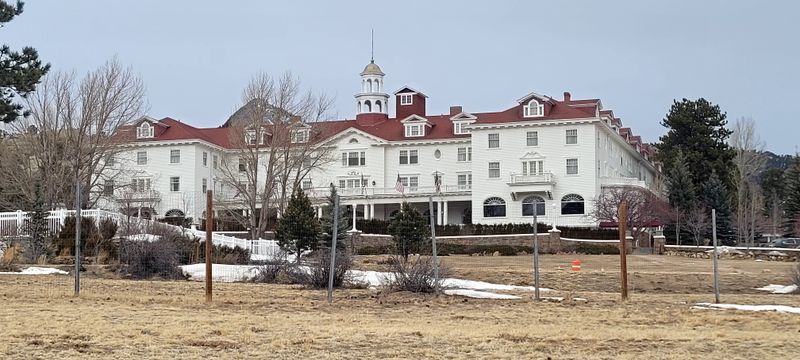
Estes Park is the classic gateway town, straddling the eastern entrance to Rocky Mountain National Park.
Elk wander the golf course and sometimes the streets, and the Stanley Hotel watches over town with its famously ghost-tinted reputation.
Travelers use Estes as a basecamp for high-alpine drives, lake hikes, and wildlife watching, then come back to a compact downtown of riverfront patios and gear shops.
13. Leadville
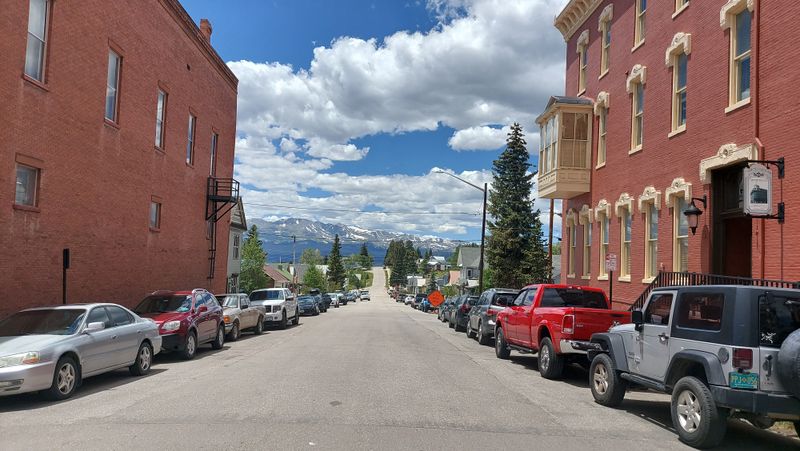
Leadville feels like a frontier outpost on the roof of the Rockies. At around 10,150 to 10,200 feet, it’s the highest incorporated city in the United States, ringed by giants like Mount Elbert and Mount Massive.
Once one of the richest mining towns in the West, it now leans into its rough-edged history with museums, Victorian architecture, and events like winter skijoring down Harrison Avenue and the legendary Leadville Trail 100 ultramarathon.
14. Buena Vista
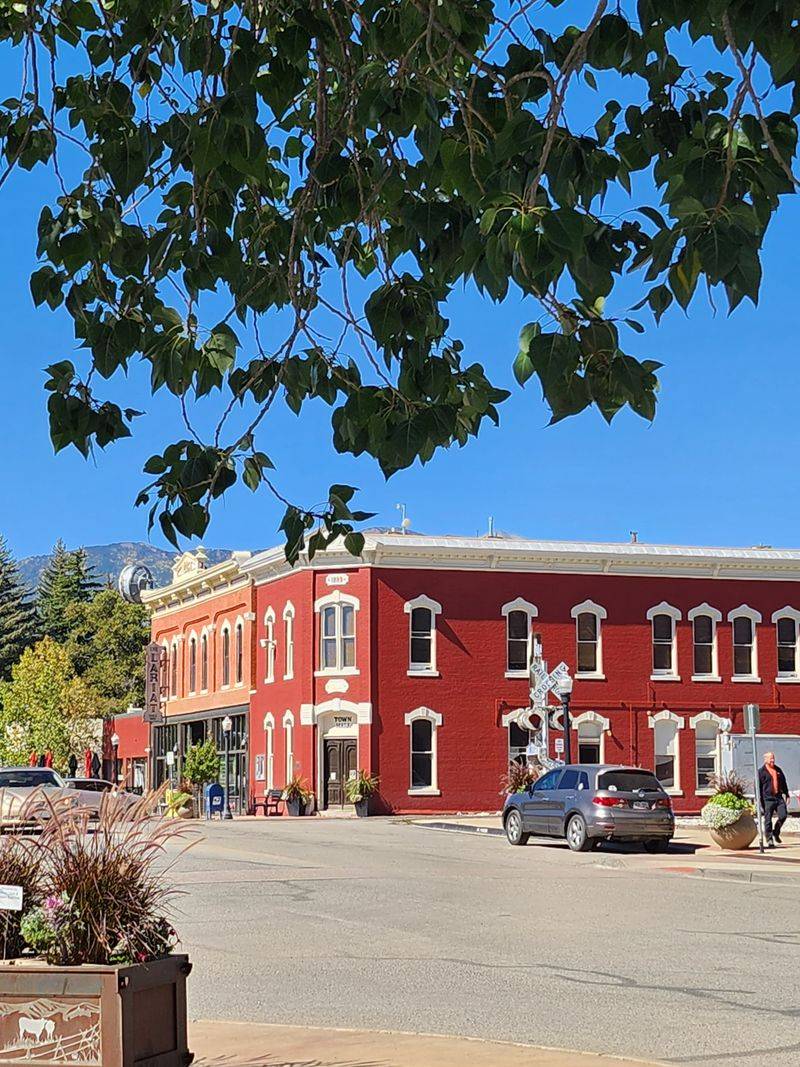
In Buena Vista, the Arkansas River rushes past town while the Sawatch Range and its string of 14ers loom to the west.
Outfitters line the edge of the river, sending rafts into rapids in Browns Canyon National Monument and calmer family floats downstream, making BV a hub for whitewater in Colorado.
The town itself has been quietly reinventing its riverfront with boutique hotels, restaurants, and trails, so evenings feel like a small festival scene under big skies.
15. Salida
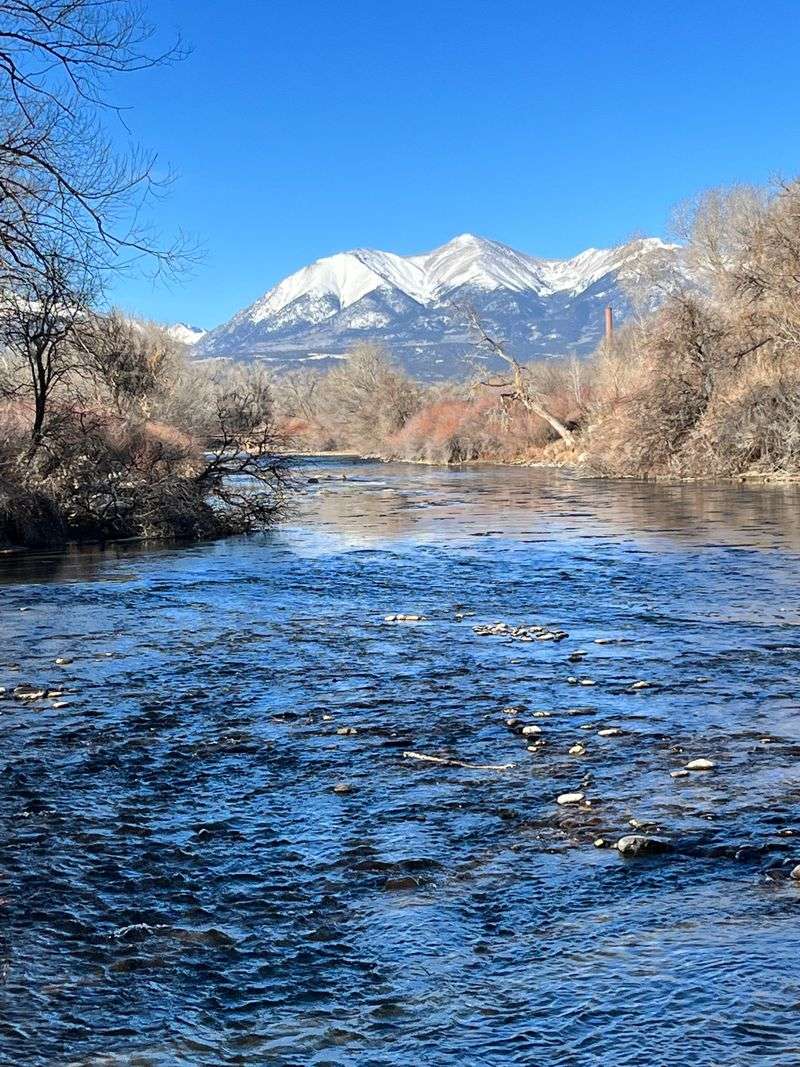
Salida sits downstream from Buena Vista on the Arkansas River, and it wears several crowns at once: Colorado’s largest National Historic District and the state’s first Certified Creative District.
Downtown streets are lined with brick storefronts reborn as galleries, breweries, and studios, while kayakers surf waves in the whitewater park that runs right through town.
Step a few blocks away and you’re looking up at the Sawatch Range, with trailheads and Monarch Mountain ski area a short drive away.
16. Frisco
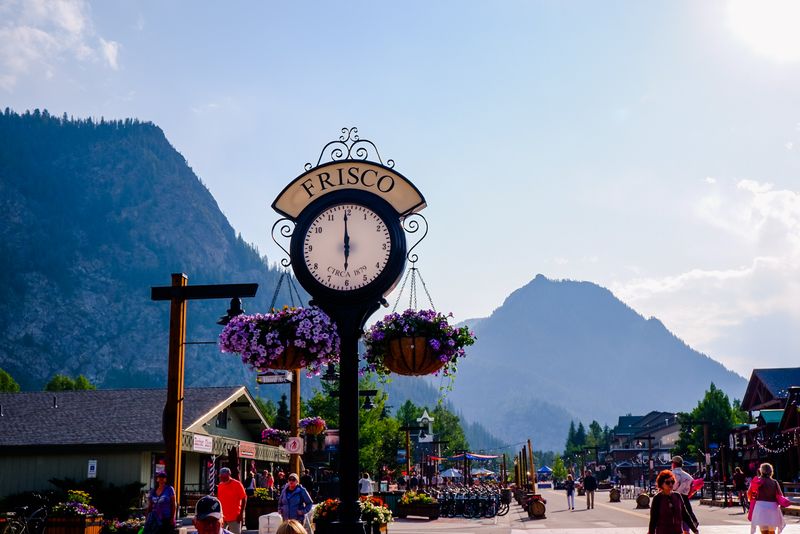
Frisco calls itself Main Street to the Rockies, and it earns it.
The little town stretches along the shore of Dillon Reservoir, with sailboats in summer and ice in winter, while peaks rise in nearly every direction.
It’s a laid-back base camp for six major ski areas, Copper, Breckenridge, Keystone, Arapahoe Basin and more, all a short drive or bus ride away, plus its own adventure park for tubing, Nordic skiing, and bike trails.
17. Manitou Springs
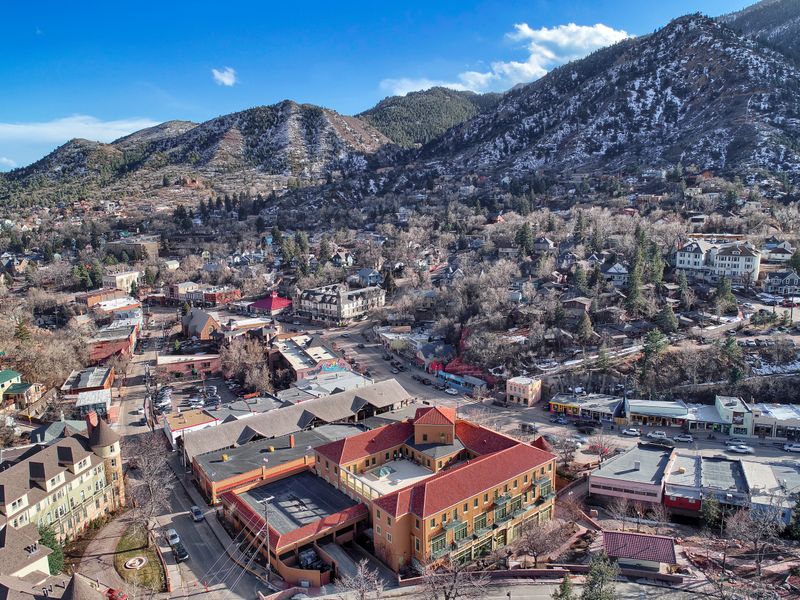
Manitou Springs feels quirky in the best way: part Victorian resort town, part arts district, all tucked under the shadow of Pikes Peak.
The town was founded around naturally carbonated mineral springs that people once traveled across the country to drink, and you can still find fonts bubbling up around downtown.
These days, visitors come for the shops and cafés, the famous Manitou Incline staircase climb, and the cog railway that chugs to the 14,115-foot summit of Pikes Peak.
18. Georgetown
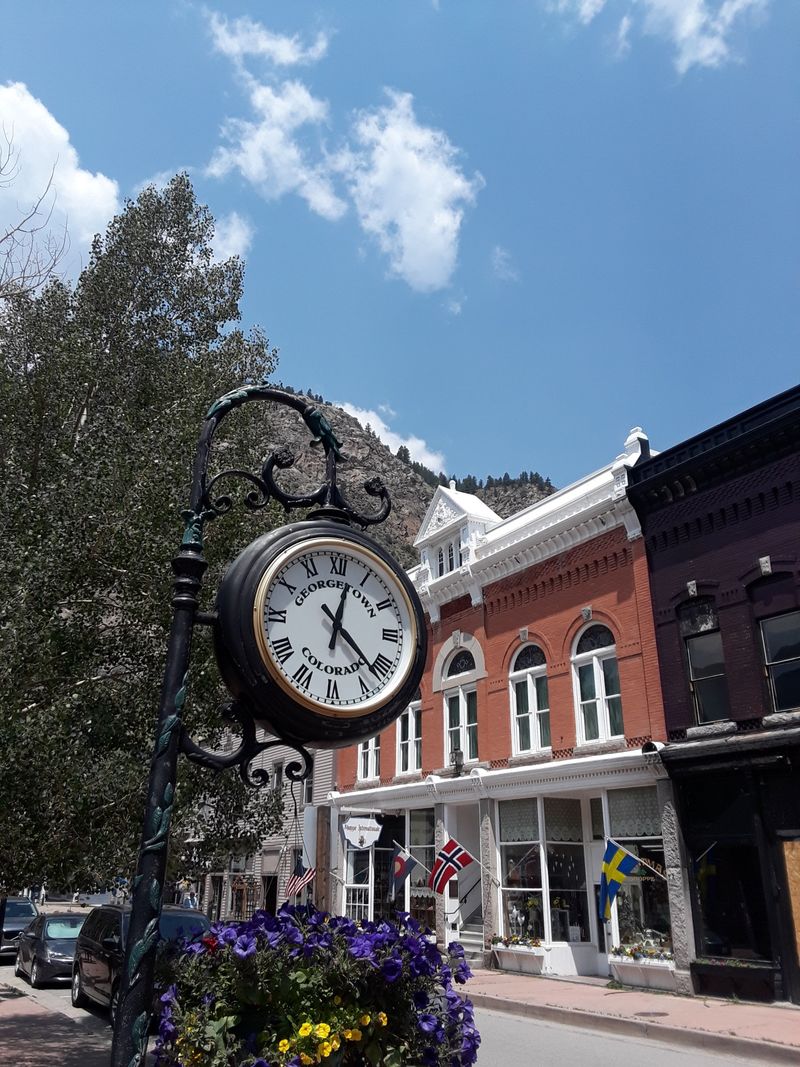
Georgetown is the sort of town where you expect to see a steam train pull up any minute, and it does.
Once nicknamed the Silver Queen of Colorado, this Victorian mining town now leans into history with preserved buildings and the Georgetown Loop Railroad, a narrow-gauge line that loops over trestles between Georgetown and Silver Plume.
Just off I-70 but very much its own world, it’s a favorite quick stop for travelers who want historic storefronts, mountain views, and a taste of the 1880s.