
13 Missouri Nature Spots Locals Think Deserve Way More Attention
Missouri keeps its most memorable landscapes tucked just out of view.
I’ve turned down roads that looked like errands and ended up beside rivers that slowed my breathing without asking.
Trailheads hide behind feed stores and fence lines, and the rewards arrive quietly, a burst of limestone through trees, a spring so clear it feels staged, a bend in the river that rearranges your sense of time.
These are places locals don’t advertise because they don’t need to.
They simply go back.
This list follows that logic, moving by curiosity instead of signs, trading spectacle for the kind of calm that slips into your body and travels home with you.
1. Ha Ha Tonka State Park, Near Camdenton
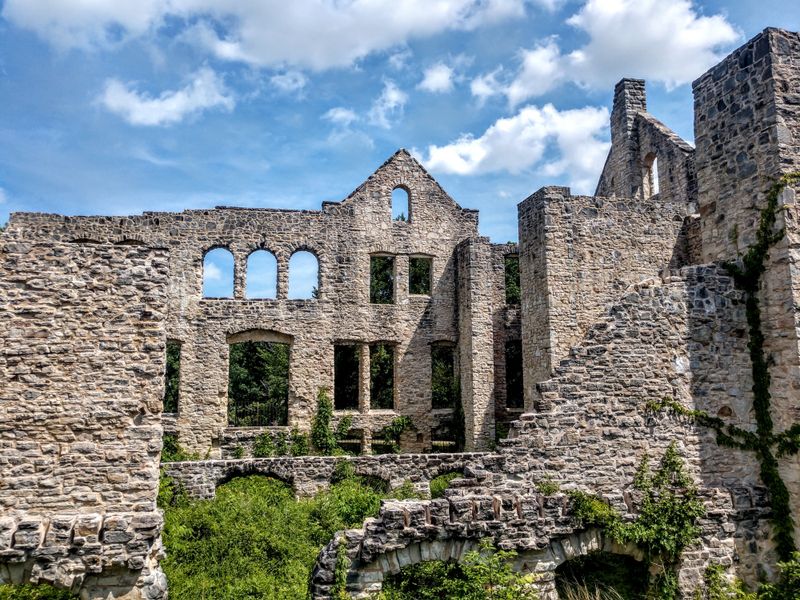
Castle ruins sit above a brilliant spring where blue water brightens the hollows of the Niangua arm of Lake of the Ozarks.
Wind slips through broken stone archways while cedar resin mixes with the damp cool of the boardwalk below.
Karst windows appear along the trail like natural frames for the forest.
Rail magnate Robert McClure Snyder began the stone mansion in the early 1900s, and a fire in 1942 left today’s striking shell.
Interpretive signs explain how fragile the geology is and how carefully the park maintains access.
Shoulder season mornings sometimes leave whole overlooks empty.
Arrive early for breathing room, wear shoes with grip for slick steps, and carry water if you plan to try the Turkey Pen Hollow loop.
2. Millstream Gardens Conservation Area, Near Fredericktown
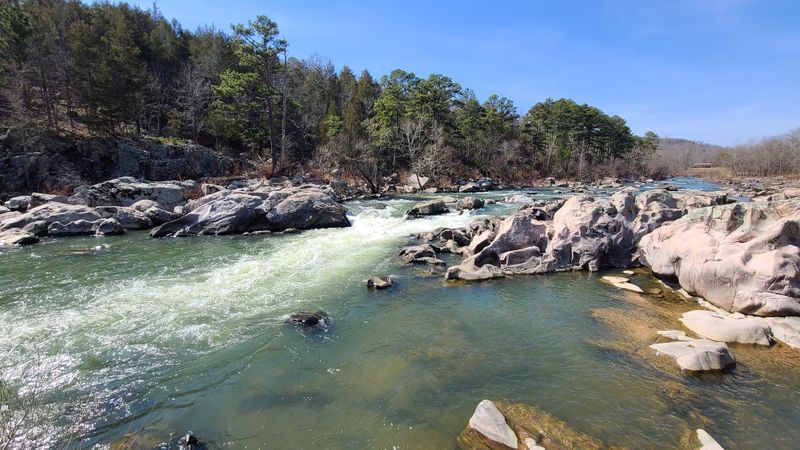
Pink granite glows at dusk as the St. Francis River pushes through the Tiemann Shut-Ins with steady force.
The sound of moving water mixes with the rustle of oaks, making picnic tables feel close to the wildest part of the river.
Lichens spread across warm rock in delicate patterns that reward slow looking.
The Missouri Whitewater Championships use this stretch every spring and give the place a light sense of ceremony.
Conservation design keeps access minimal so the river corridor stays mostly untouched.
Watching kayakers scout lines creates a quiet dialogue between people and the rapid.
Check river levels before you go, mind your footing on the uneven trails, and choose weekdays if you want stillness.
3. Ruth And Paul Henning Conservation Area, Branson
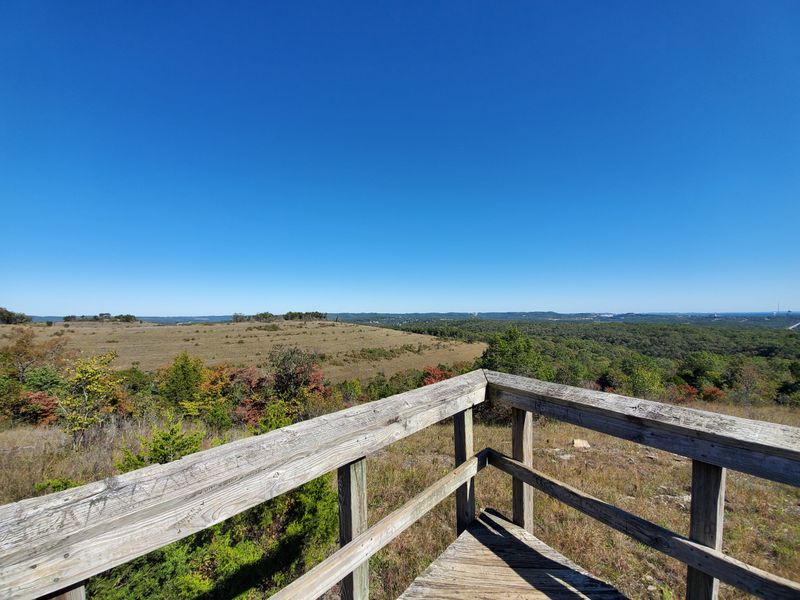
A few steps off Highway 76, glade light filters through oaks and makes the noise fade quickly.
Little bluestem ripples across sunny openings while hardwood shade cools the trail within minutes.
The air carries a gentle mix of dust, leaf, and sun-warmed grass.
Local advocates and the Henning family preserved these bald knobs before development changed the surrounding hills.
Interpretive signs explain the fire cycles that keep glades open for native species.
An overlook offers a curious view toward the entertainment strip below.
Bring tick protection in warm months, start at the main lot on Highway 376, and choose sunrise if you want the trails mostly to yourself.
4. Hickory Canyons Natural Area, Ste. Genevieve County
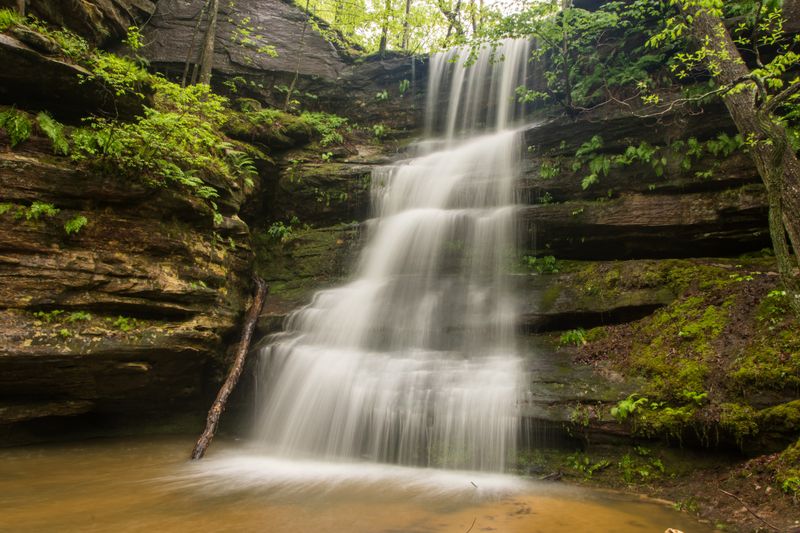
Cool air rises from narrow sandstone corridors where ferns bead with constant mist.
Water falls from overhangs in slow drops that echo through tight canyon walls.
Birdsong rebounds off the stone in gentle patterns that shift with each turn.
Lamotte sandstone formations here resemble landscapes farther south, creating a sense of quiet displacement.
The Missouri Department of Conservation keeps signage minimal and lets the canyons speak for themselves.
Freeze-thaw cycles carve fragile ledges that look lightly etched.
Expect mud after rain, follow the loop clockwise for the wet-weather waterfall, and visit in winter if you want ice sculptures along the cliffs.
5. Weston Bend State Park, Near Weston
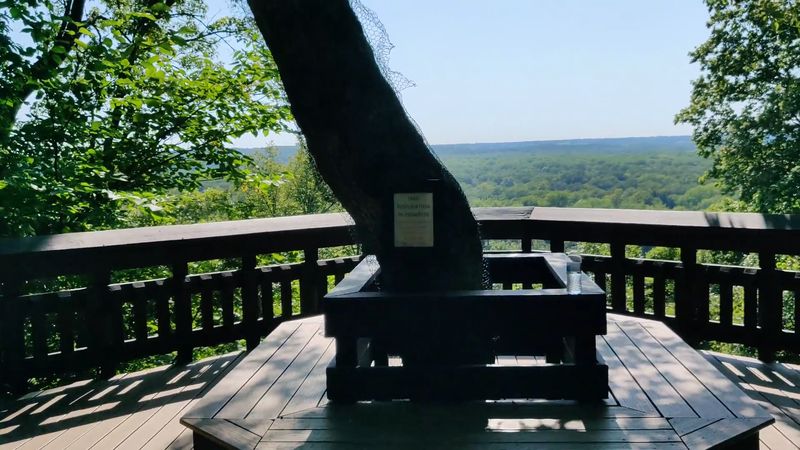
From the bluff, the Missouri River slides past with metallic calm and long shadows.
Tall cottonwoods move with each gust, giving the overlook a soft soundtrack.
The prairie loop trades shade for sky and scattered waystations for monarchs.
Established in 1980, the park protects bluffs in an area that saw Kansas City push steadily outward.
The town of Weston adds nineteenth century context with brick storefronts still in regular use.
Preservation choices favor quiet trails and broad views instead of dramatic development.
Bring binoculars in fall, choose the paved overlook trail for mixed groups, and finish with a coffee stroll through Weston’s Main Street.
6. Bennett Spring State Park, Near Lebanon
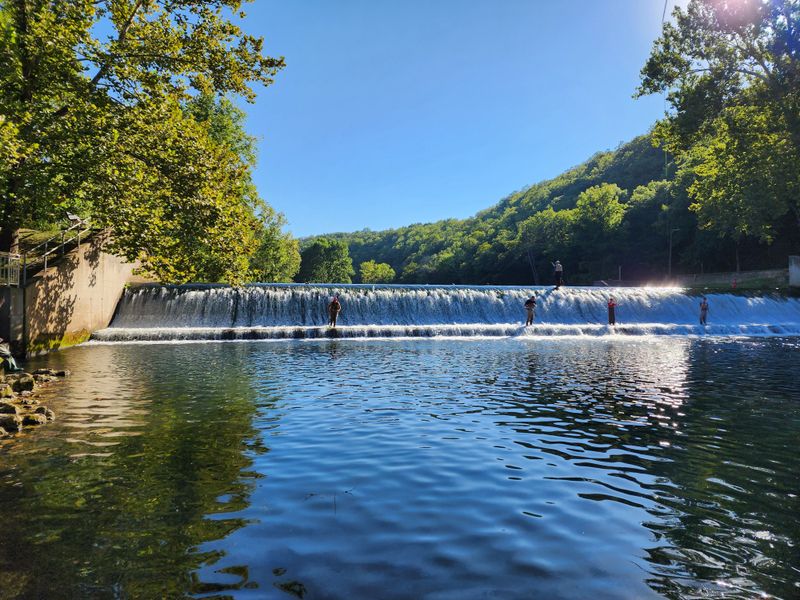
Rainbow trout flash like loose ribbons in water clear enough to show every pebble.
Waders gather at dawn, speaking softly while steam lifts from the branch.
The air smells faintly of cold limestone and wet forest.
CCC stonework from the 1930s shapes bridges and lodges with a sense of craft.
The hatchery, active since the early twentieth century, anchors traditions that families repeat yearly.
Opening day culture brings anglers back like it is a holiday.
Walk the Spring Trail if you are not fishing, buy a daily tag if you are, and visit on weekdays for an almost private stream.
7. Wallace State Park, Near Cameron
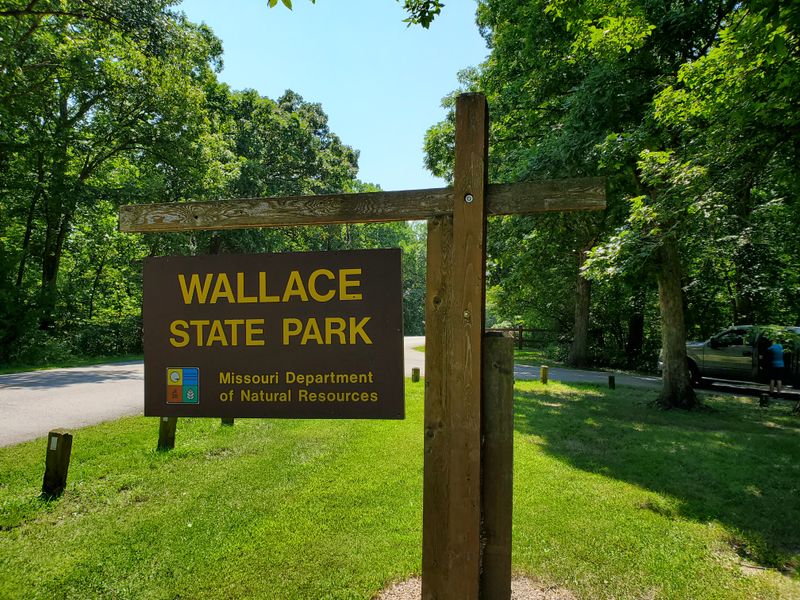
A small lake reflects a ring of oak-hickory forest in slow, glassy patterns.
Clouds drift across the surface like soft brushstrokes.
Picnic tables sit close enough to hear turtles slip from logs.
Founded in 1932, the park carries hints of early state park design and CCC influence.
Camp loops stay compact and friendly without feeling crowded.
The whole place feels like a familiar park from childhood.
Take the Round House Loop for light elevation, bring a simple canoe for gentle water, and savor summer evenings filled with frog calls.
8. Table Rock Lakeshore Trail, Branson
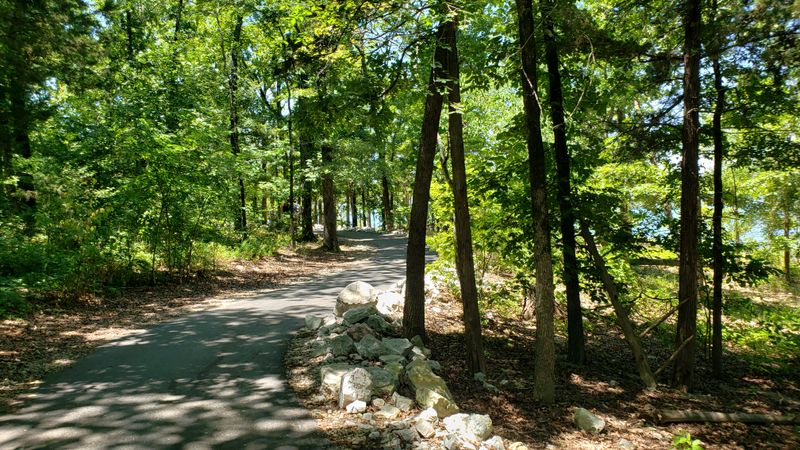
The paved path follows blue water with a rhythm shared by cyclists, walkers, and strollers.
Boats hum farther out while waves tap limestone edges with surprising softness.
Sycamore bark falls in speckled flakes that brighten the trail.
The Corps of Engineers built the trail to link the dam area with the State Park Marina.
Infrastructure here balances recreation with education through the Dewey Short Visitor Center.
Interpretive panels explain the White River system with helpful clarity.
Start at the visitor center for parking, choose sunrise for the quietest miles, and bring a hat because shade comes in intervals.
9. Eleven Point National Wild And Scenic River, Southern Missouri Ozarks
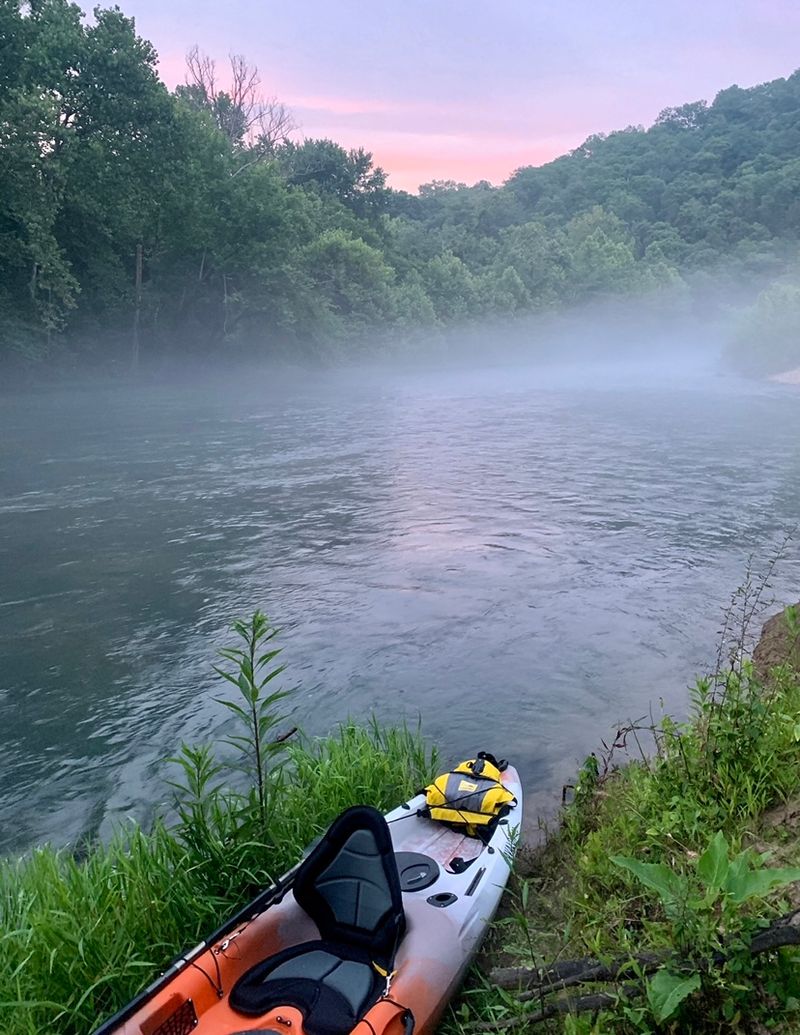
Fog lifts from spring-fed water as kingfishers dart ahead in jittery lines.
The current circles gravel bars scented with water willow and wet stone.
Campsites feel shaped by the river rather than the road.
Designated Wild and Scenic in 1968, the Eleven Point remains one of the Midwest’s rare protected stretches.
Greer Spring nearly doubles the flow with cold clarity that transforms the river.
Management stays intentionally light to protect solitude.
Float from Greer to Riverton for a classic day, check flow after storms, and pack layers because the spring water keeps the air cool.
10. Rocky Falls, Near Eminence In Ozark National Scenic Riverways
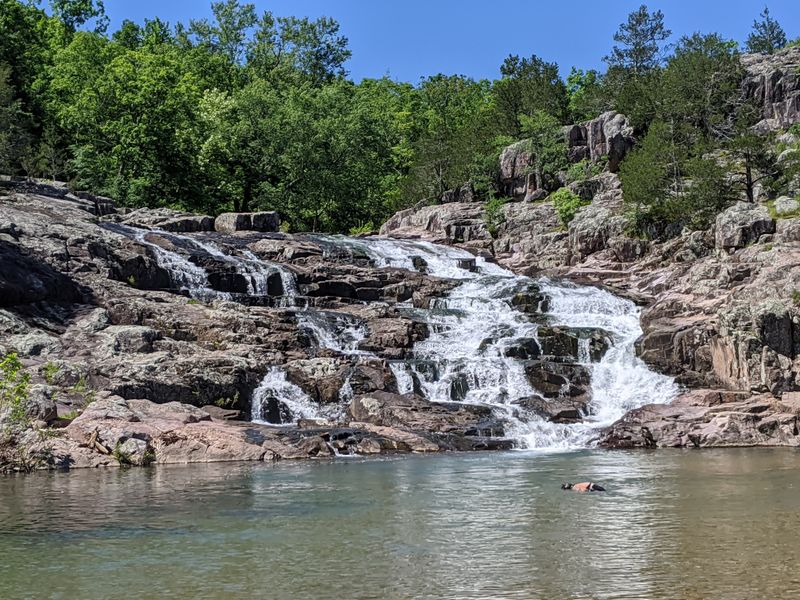
Water spreads across rhyolite in a wide sheet that catches sunlight in shifting patterns.
Pools at the base fill with families perched on warm rock ledges.
Dragonflies trace bright arcs through the humid air.
The falls reveal a rare Precambrian rhyolite formation tied to old volcanic activity.
A nearby mill site hints at community life once centered around water power.
Flows stay reliable, though they surge after storms.
Arrive early on summer weekends, wear sturdy sandals for slick rock, and carry a small bag to help keep the area clean.
11. Sage Mountain Recreation Area, Near Hermann
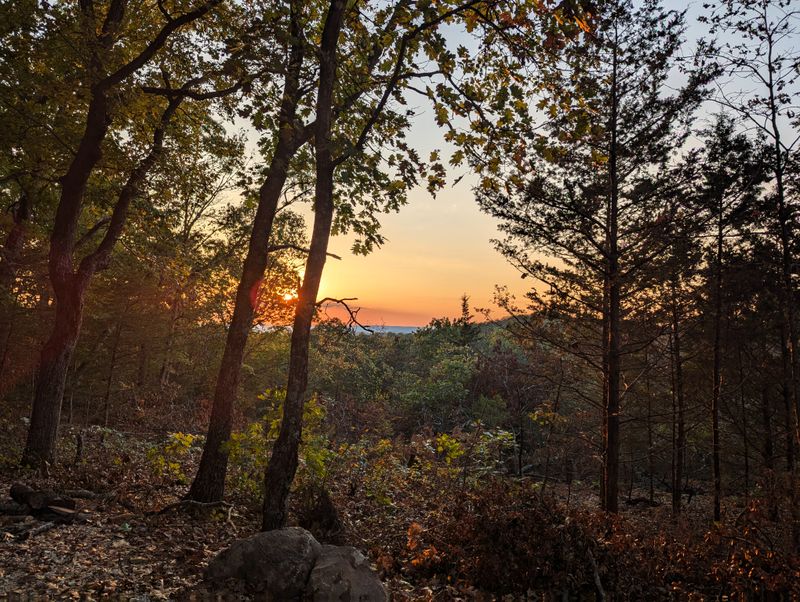
Wind crosses the ridge in steady pulses while vineyards cut lines across the horizon.
Trails weave through oak savanna that smells sun-warmed and dry.
Grasshoppers click along the path like tiny metronomes.
The privately managed area opens access while preserving wildness around Hermann wine country.
Stewards restore native grasses and post signage that feels informative without crowding the landscape.
Its position near the Ozark edge shapes the views.
Check hours before driving out, pair the walk with a quiet dinner instead of a rushed tasting, and photograph the ridge in fall light.
12. Pleasant Hope Conservation Area, North Of Springfield
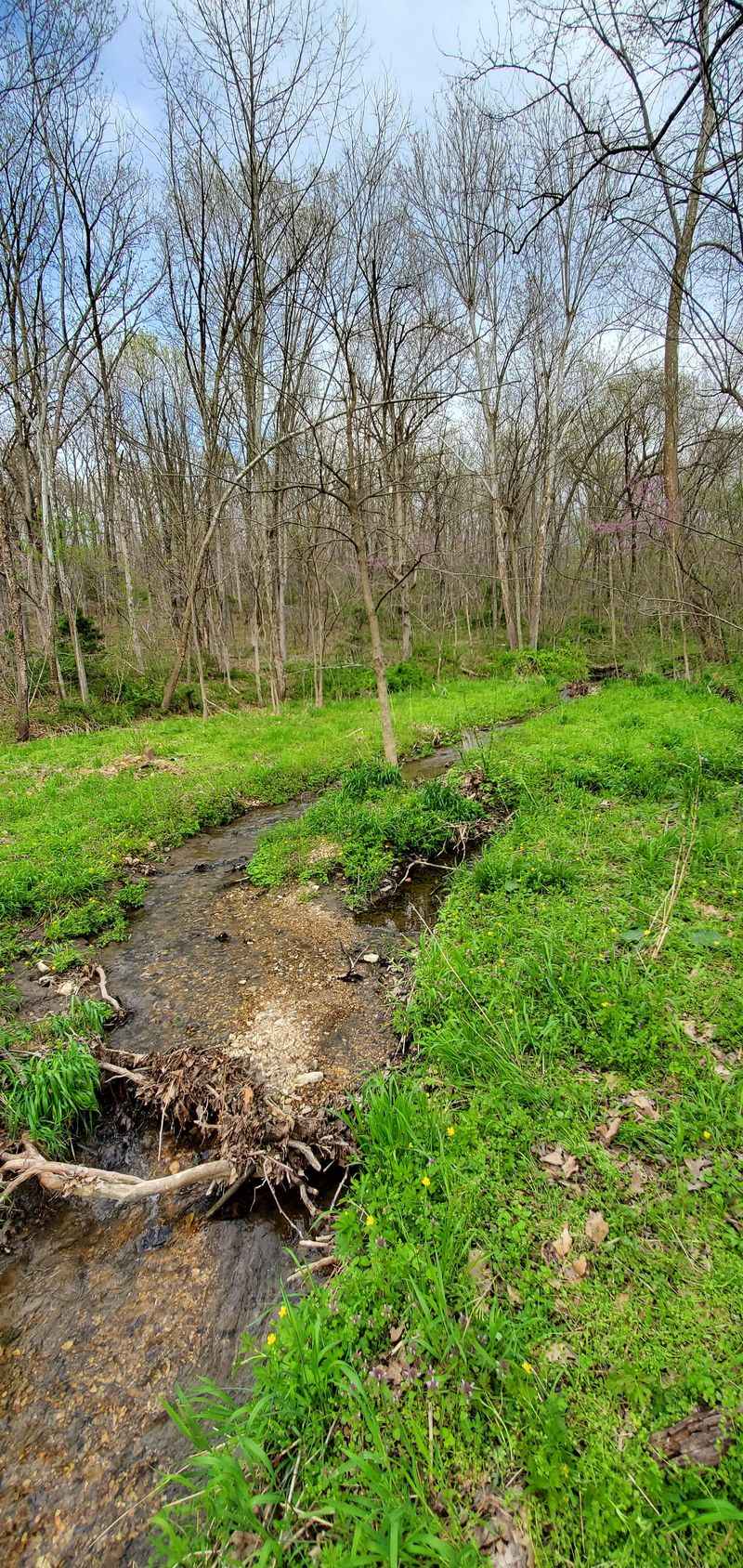
Fields fold into creekbottom woods where quail whistle from hedgerows.
Gravel gives way to damp soil on narrow two-track lanes.
The air smells of hay and early morning dew.
Management here supports upland birds, small game, and a mix of row crop and restored prairie.
Old fence posts carry weather in their grain like rings in a tree.
The place feels practical, not decorative.
Wear orange during hunting seasons, arrive at sunrise for deer sightings, and leave space for trucks at gates.
13. Johnson’s Shut-Ins State Park, Reynolds County
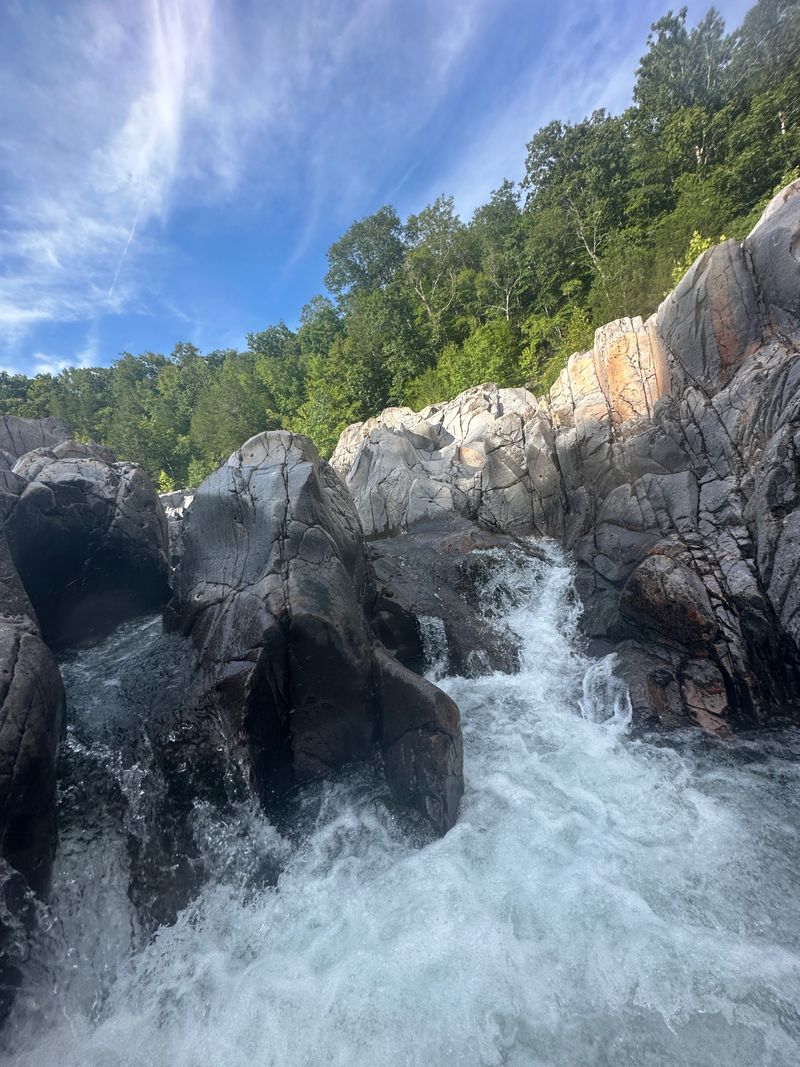
Granite channels squeeze the East Fork Black River into rushing chutes that sparkle in the sun.
Clear water reveals rocks and shadows with magnified sharpness.
Every pool holds its own temperature and pace.
After the 2005 Taum Sauk breach, restoration reshaped boardwalks and overlooks to protect fragile features.
The park now balances safety, access, and geology with patient design.
Families teach kids to read the current by watching how leaves drift.
Wear closed-toe shoes on the rock, visit mornings for fewer crowds, and hike the Scour Trail in the off-season for a fuller view of the landscape’s history.