
13 Minnesota Outdoor Escapes Locals Say Are Worth The Cold
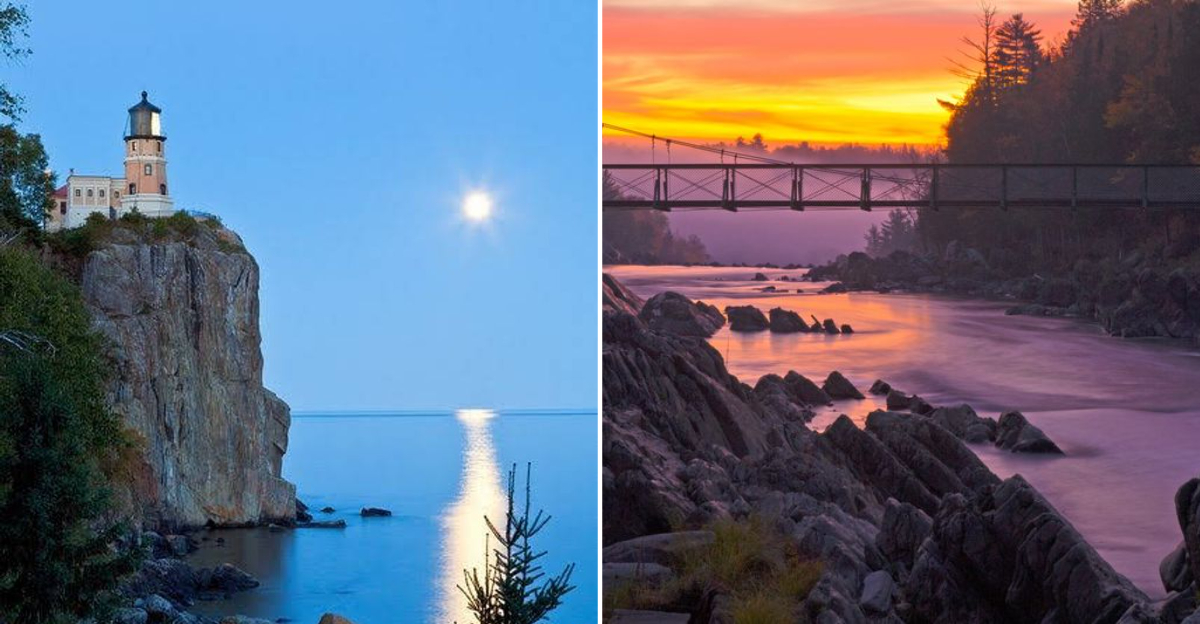
Minnesota winters are no joke, with temperatures that can freeze your eyelashes and wind chills that make you question all your life choices.
But ask any local, and they’ll tell you the cold is just part of the adventure—a challenge that makes the beauty even more rewarding.
I’ll never forget the time I hiked to a frozen waterfall in January, my breath forming tiny ice crystals in the air, and realized that some experiences are worth every shiver.
1. Gooseberry Falls State Park – Two Harbors
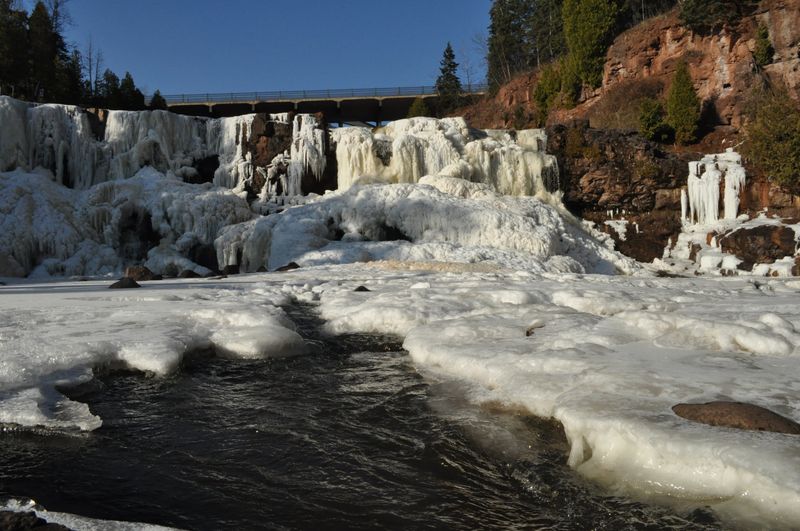
Gooseberry Falls transforms into a winter wonderland that looks like something out of a fantasy novel.
The waterfalls freeze into massive ice sculptures, creating blue and white formations that seem almost magical.
When I first visited in February, I couldn’t believe how the rushing water had turned into silent, glittering ice curtains.
The park offers five miles of hiking trails that remain open year-round, perfect for snowshoeing or cross-country skiing.
Bundle up in your warmest layers because the wind off Lake Superior can be brutal.
But trust me, the views are absolutely worth the cold fingers.
Winter crowds are much smaller than summer, so you’ll have plenty of space to explore.
The visitor center provides a warm place to thaw out between adventures.
Don’t forget your camera—these ice formations are Instagram gold!
2. Split Rock Lighthouse State Park – Silver Bay
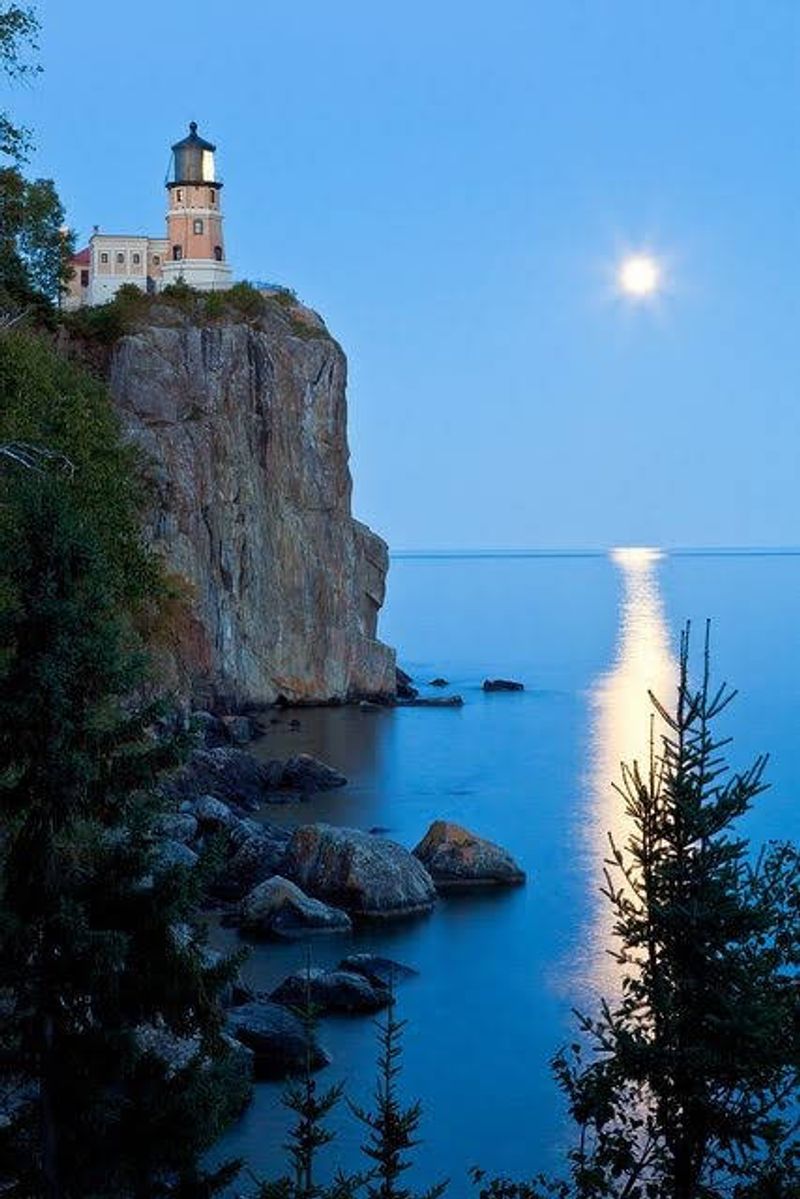
Perched dramatically on a cliff 130 feet above Lake Superior, Split Rock Lighthouse looks even more impressive when surrounded by winter ice.
The lake freezes into massive ice shelves that crash against the rocky shore, creating sounds like thunder.
My first winter visit left me absolutely speechless at the raw power of nature.
The lighthouse itself has stood watch since 1910, guiding ships through treacherous waters.
Winter hiking trails offer spectacular views of the frozen lake and rugged coastline.
The contrast between the red-roofed lighthouse and white snow creates picture-perfect moments.
Park staff keep the trails maintained, but ice cleats are highly recommended for safety.
The site hosts special winter events, including candlelight tours that feel incredibly atmospheric.
Just watching the waves freeze mid-crash is worth braving the cold!
3. Boundary Waters Canoe Area Wilderness – Ely
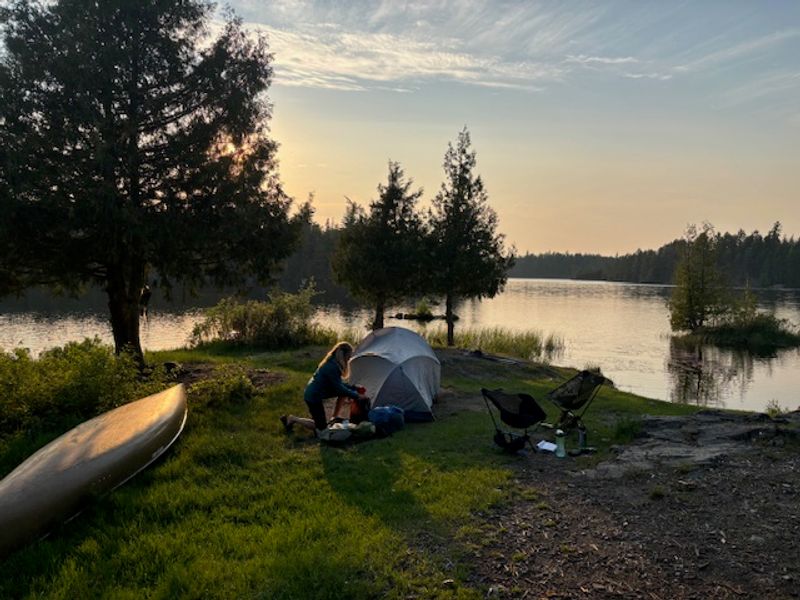
Summer might be peak season for paddling, but winter in the Boundary Waters offers something entirely different—complete solitude and silence.
The million-acre wilderness becomes a frozen paradise where your footsteps might be the only human marks for miles.
I once spent three days winter camping here and heard nothing but wind through pines and the occasional crack of ice.
Cross-country skiing and snowshoeing are the primary ways to explore during winter months.
The frozen lakes become highways, making travel easier than navigating summer portages.
Wildlife viewing is actually excellent since animal tracks show clearly in fresh snow.
Proper preparation is absolutely critical—this is serious wilderness with serious cold.
Many outfitters in Ely offer guided winter trips for beginners.
The northern lights frequently dance overhead, making cold nights under the stars unforgettable.
4. Itasca State Park – Park Rapids
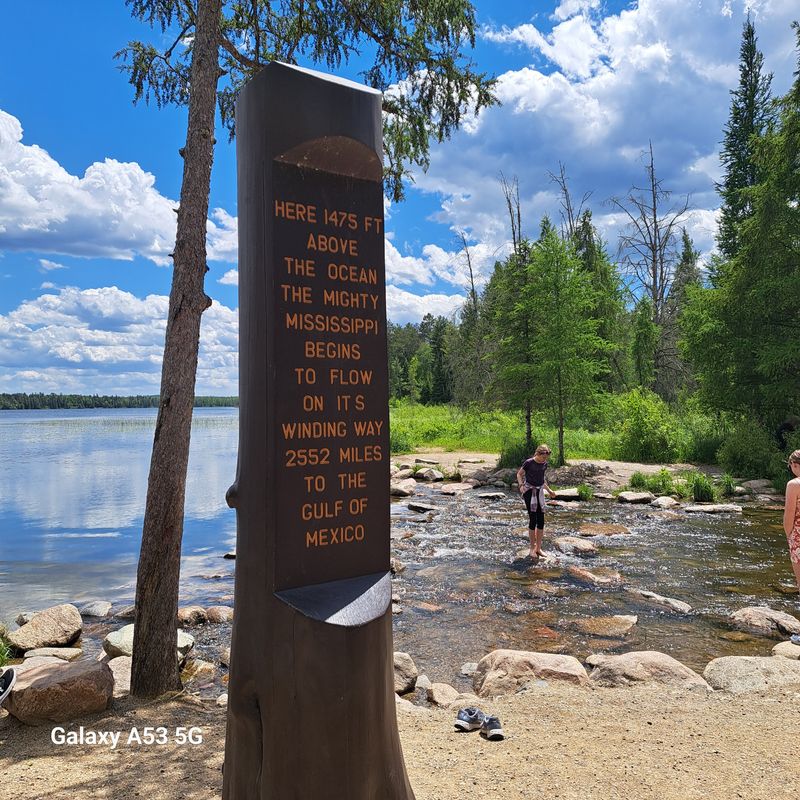
Walking across the headwaters of the mighty Mississippi is cool in summer, but doing it when everything’s frozen solid feels downright epic.
Itasca State Park protects the source of America’s most famous river, and winter turns it into a peaceful retreat.
The small stream where the Mississippi begins looks almost humble under its blanket of snow and ice.
The park maintains over 30 miles of trails for winter activities, including snowshoeing and cross-country skiing.
Old-growth pine forests create cathedral-like spaces that feel sacred when dusted with snow. I love how quiet everything becomes when snow muffles all sound.
The historic Douglas Lodge stays open year-round, offering cozy accommodations and a warm fireplace.
Wildlife like deer and foxes are easier to spot against the white landscape.
Sunset over frozen Lake Itasca paints the sky in colors you won’t believe.
5. Minnehaha Falls Regional Park – Minneapolis
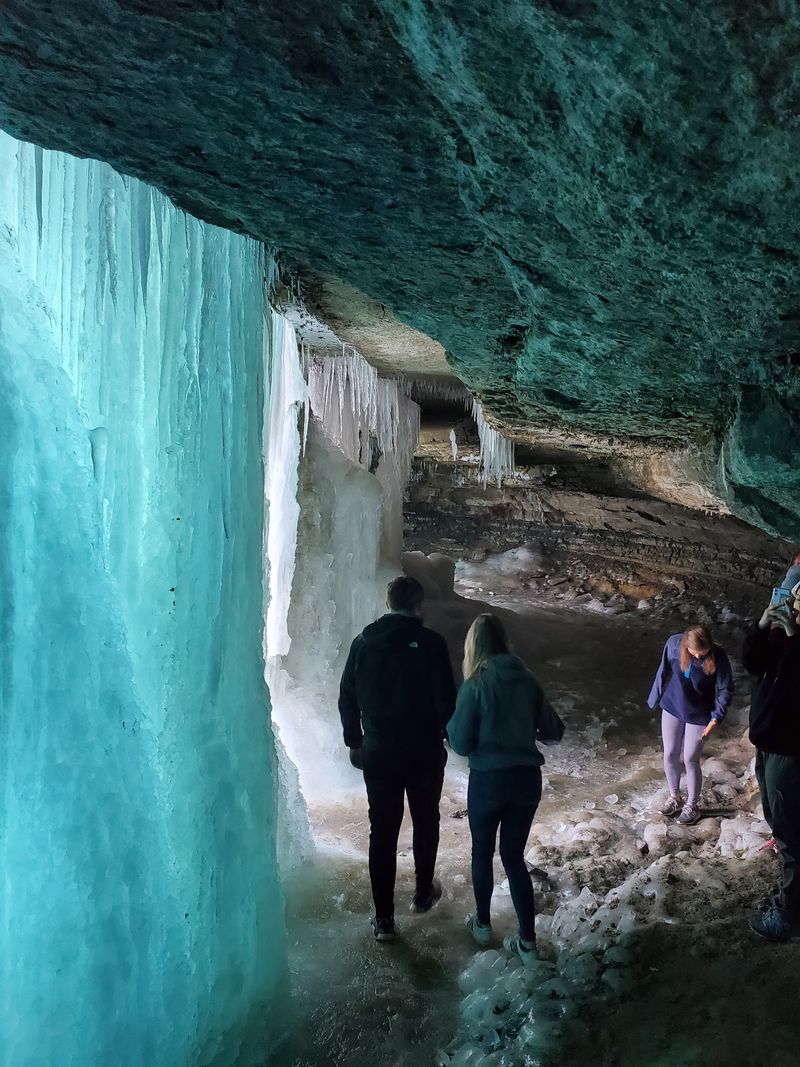
Right in the heart of Minneapolis, Minnehaha Falls freezes into a 53-foot ice sculpture that rivals anything you’d see in the wilderness.
The accessibility makes this a perfect winter escape for those who want natural beauty without driving hours.
Last January, I brought my out-of-state cousins here, and they couldn’t believe this existed within city limits.
The park offers easy walking paths that are maintained throughout winter, though they can get slippery.
You can actually walk behind the frozen falls if conditions are right, which feels like entering an ice cave.
The surrounding parkland provides miles of trails for cross-country skiing.
Warm up afterward at nearby Sea Salt Eatery or explore the charming Longfellow neighborhood.
The falls are beautifully lit at night during winter months.
Best of all, parking is free and the park never closes!
6. Tettegouche State Park – Silver Bay
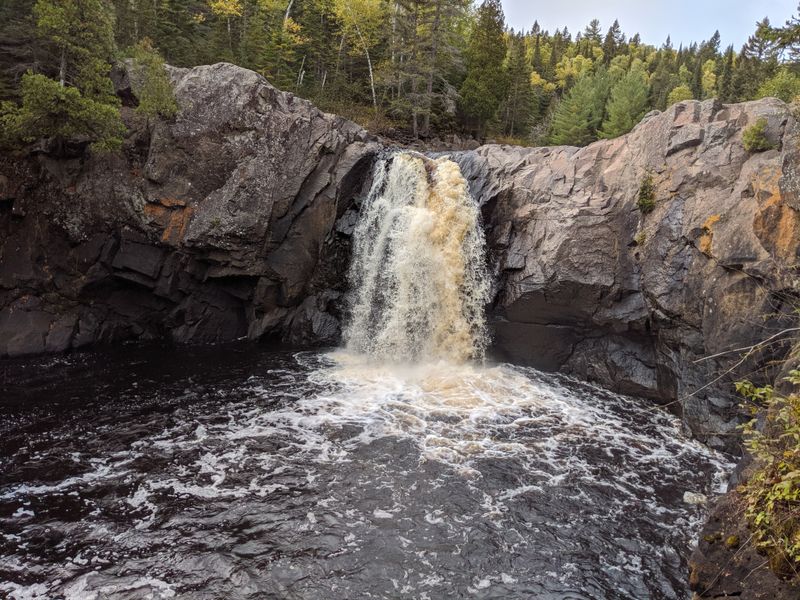
Tettegouche boasts Minnesota’s highest waterfall, and watching High Falls freeze into a 60-foot ice column is absolutely breathtaking.
The park sits along Lake Superior’s rugged North Shore, where winter storms create dramatic ice caves and formations.
I’ve hiked here in every season, but winter offers the most spectacular and otherworldly landscapes.
The park features over 20 miles of hiking trails that become winter wonderlands after snowfall.
Shovel Point provides panoramic views of the frozen lake that stretch to the horizon.
Four rustic cabins remain available for winter rental, offering authentic wilderness experiences.
The Baptism River Valley creates a stunning backdrop for snowshoeing and photography.
Ice climbing is popular here for those with proper training and equipment.
Bundle up tight because the wind off Superior cuts right through you!
7. Voyageurs National Park – International Falls
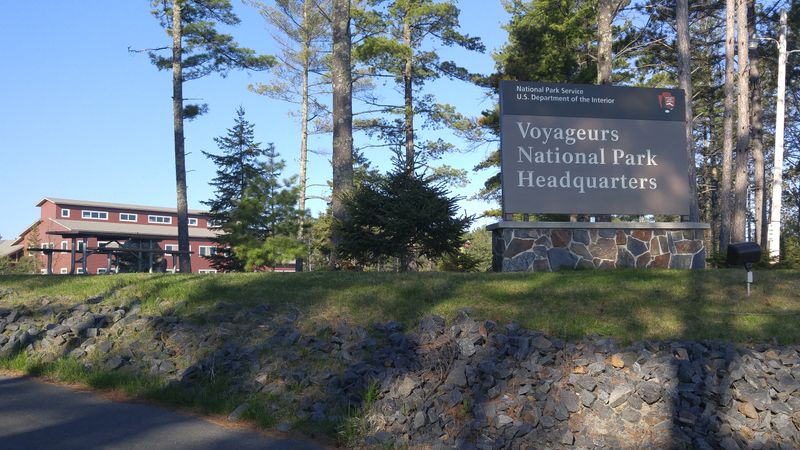
Voyageurs is Minnesota’s only national park, and winter completely changes how you experience it.
The massive lakes freeze solid, creating 218,000 acres of ice highways for snowmobiles and cross-country skiing.
International Falls earned the nickname “Icebox of the Nation,” so you know you’re in for some serious cold!
Ice roads connect islands that are only accessible by boat in summer, opening up entirely new exploration routes.
The park service grooms trails and maintains warming shelters throughout the winter.
I’ll never forget seeing the aurora borealis dance over frozen Rainy Lake on a crystal-clear February night.
Ice fishing is hugely popular, with anglers setting up elaborate shelters on the frozen lakes.
The solitude here is incredible—you can travel for hours without seeing another soul.
Winter camping is available for the truly adventurous and well-prepared.
8. Superior Hiking Trail – Duluth / Lake Superior North Shore
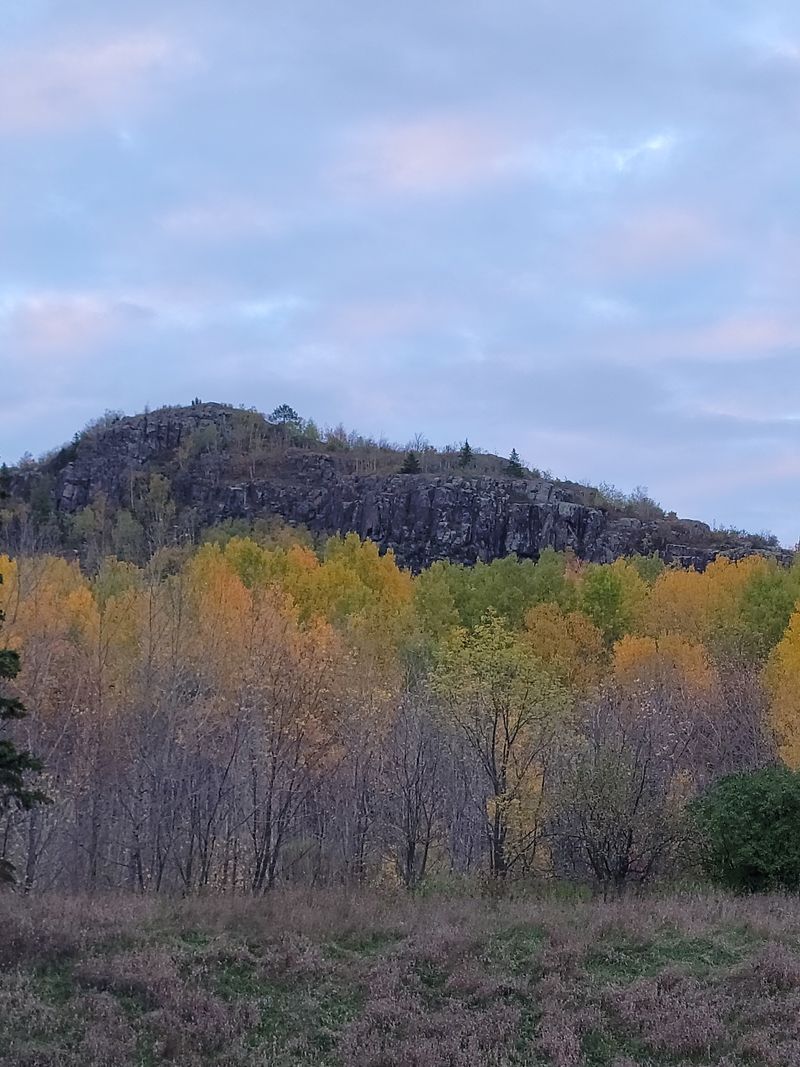
Stretching 310 miles along Lake Superior’s shore, the Superior Hiking Trail offers endless winter adventure opportunities.
The trail winds through forests, over ridgelines, and past frozen waterfalls that seem to multiply after every cold snap.
I’ve tackled various sections over the years, and each winter hike reveals something new and stunning.
Winter hiking here requires proper gear—microspikes are essential for icy sections.
The trail passes through numerous state parks, providing convenient access points and amenities.
Views of the frozen lake from high ridges are absolutely phenomenal.
Many hikers prefer snowshoeing when snow gets deep, which happens often along the North Shore.
The trail association maintains shelters and campsites for multi-day winter treks.
Wildlife tracks in fresh snow tell stories of who’s been traveling before you.
9. Jay Cooke State Park – Carlton
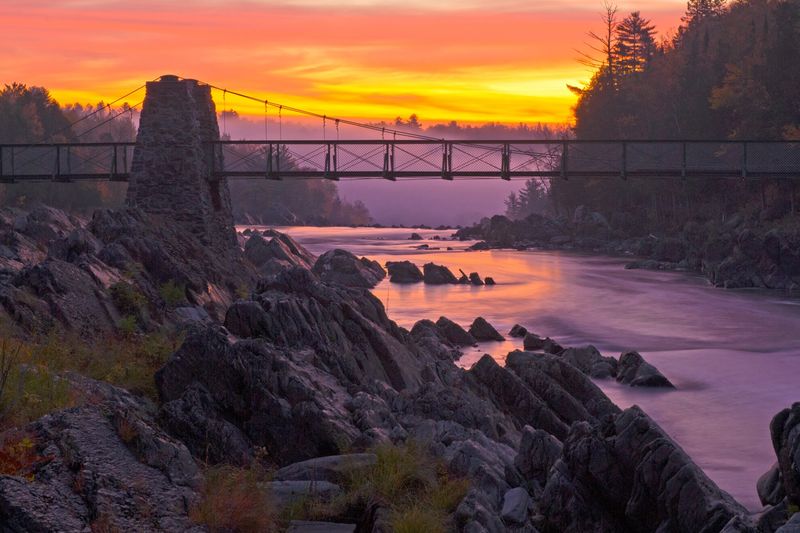
Jay Cooke’s dramatic river gorge becomes even more impressive when ice transforms the rushing St. Louis River into frozen sculptures.
The famous swinging bridge covered in snow and ice creates an adventure just crossing it!
When I first visited during a January cold snap, the entire gorge looked like something from another planet.
The park offers 50 miles of hiking trails that convert to cross-country skiing and snowshoeing routes in winter.
Steep slate and greywacke rock formations create unique geological features rarely seen elsewhere.
The river’s power remains visible even in winter, with some sections staying partially open.
The park sits conveniently close to Duluth, making it an easy day trip destination.
Winter bird watching is surprisingly good, with many species active despite the cold.
The visitor center provides trail maps and current condition updates.
10. Fort Snelling State Park – St. Paul
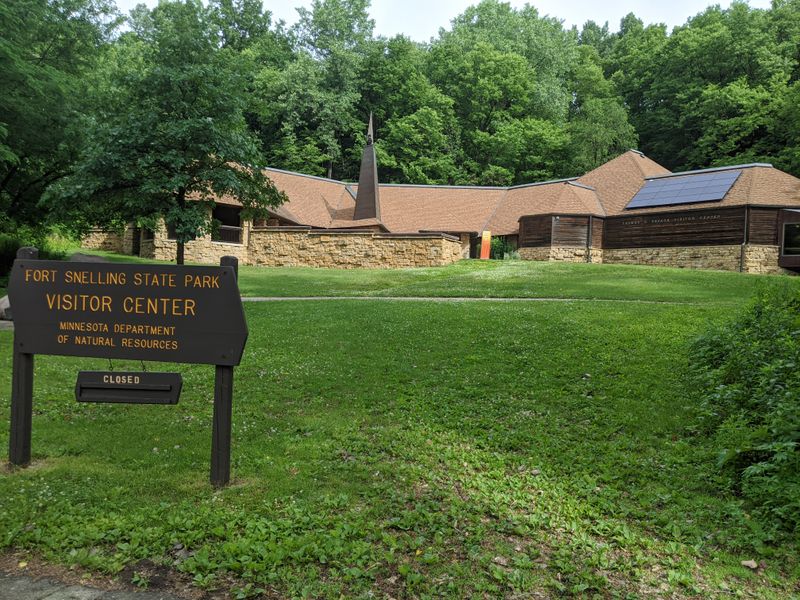
Where the Mississippi and Minnesota Rivers meet, Fort Snelling State Park offers surprising wilderness right in the Twin Cities metro area.
Winter transforms this historic landscape into a peaceful escape from urban life.
The frozen rivers create expansive white landscapes that seem to stretch forever, and I love how quickly you can get here from downtown.
The park maintains miles of trails perfect for cross-country skiing and winter hiking.
Bald eagles winter here, fishing in open water below the dam—watching them hunt is incredible.
Historic Fort Snelling sits nearby, offering indoor cultural experiences when you need to warm up.
The confluence area provides unique ecological diversity, supporting wildlife even in harsh winter months.
Trails wind through river bottomland forests and up limestone bluffs.
It’s proof that you don’t need to drive hours to find authentic winter wilderness!
11. Afton State Park – Hastings
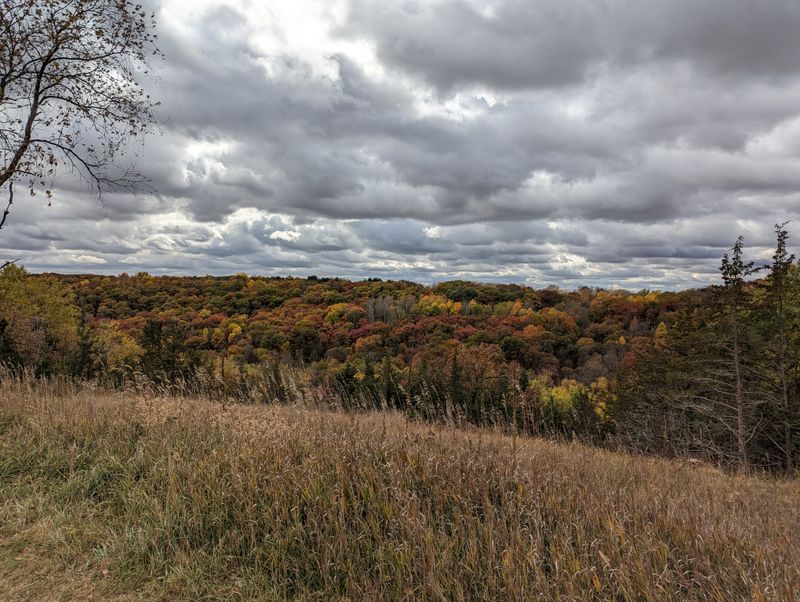
Afton’s rolling hills and river bluffs create some of the best winter scenery in the Twin Cities area.
The park overlooks the St. Croix River valley, providing stunning vistas that go on for miles.
I once hiked here the day after a major snowstorm, and the untouched powder covering the prairie grasslands looked absolutely magical.
Twenty miles of trails wind through diverse habitats, from river bottomlands to oak savannas.
The hills make for challenging cross-country skiing—definitely not beginner terrain!
Wildlife tracks crisscross the snow, showing where deer, foxes, and countless birds have traveled.
Four camper cabins remain open year-round for those wanting an overnight winter adventure.
The park requires a bit more effort to explore than flatter locations, but the workout keeps you warm.
Sunset views from the river bluffs are spectacular year-round.
12. Lake Maria State Park – Monticello
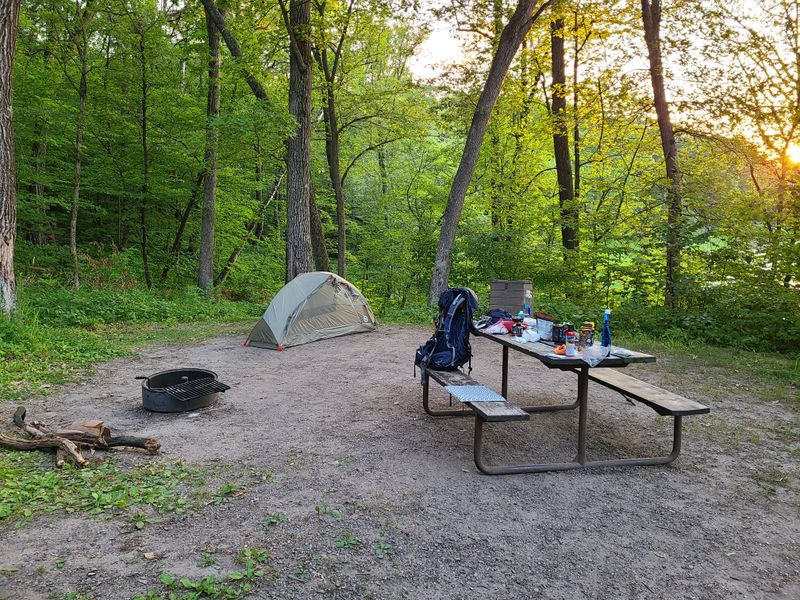
Lake Maria protects one of the largest remaining stands of Big Woods habitat in Minnesota, and winter showcases these majestic hardwood forests beautifully.
The bare trees create intricate patterns against snowy backgrounds that photographers absolutely love.
This park feels more remote than its location near Monticello would suggest—I always feel like I’ve traveled much farther when hiking here.
Fourteen miles of trails loop around lakes and through forest, perfect for peaceful winter exploration.
The park is specifically designated for quiet recreation, meaning no snowmobiles disturb the tranquility.
Cross-country skiing through the Big Woods feels like stepping back in time.
Backpack campsites remain accessible in winter for hardy adventurers seeking solitude.
The park’s rolling terrain provides just enough challenge to keep things interesting. Wildlife viewing is excellent, especially for deer and winter birds.
13. Bear Head Lake State Park – Ely
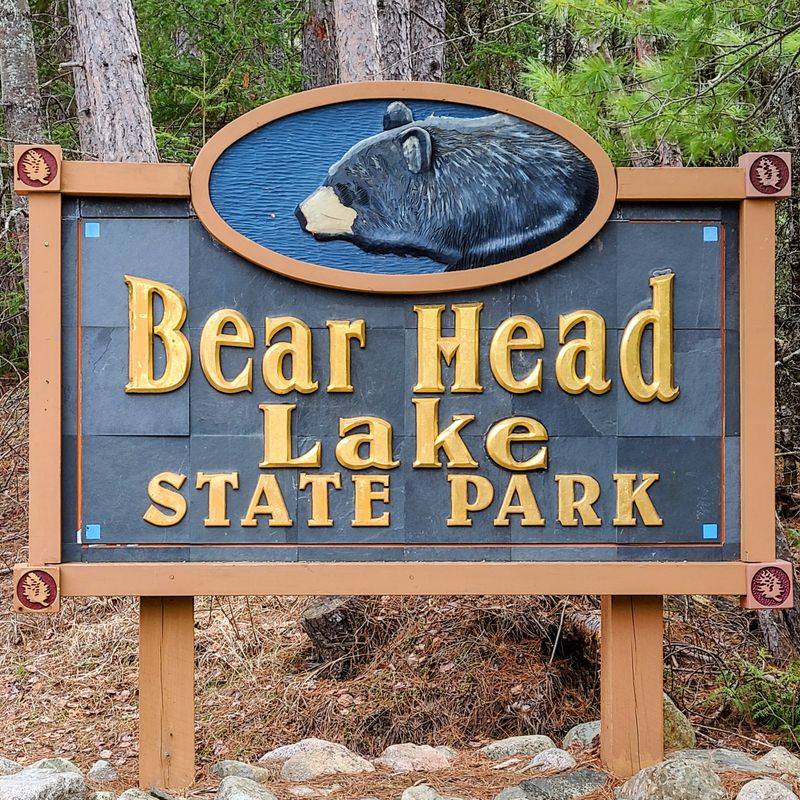
Bear Head Lake sits in Minnesota’s Arrowhead region, where winter comes early and stays late.
The park offers classic north woods beauty with dense evergreen forests surrounding pristine frozen lakes.
I’ve spent countless winter weekends here, and the complete silence when you’re out on the frozen lake is something you can’t find in busier parks.
The park maintains excellent cross-country ski trails through varied terrain and around the lakeshore.
Ice fishing is hugely popular, with anglers catching northern pike, walleye, and panfish.
Nine miles of hiking trails remain open for snowshoeing and winter exploration.
Guest house accommodations provide a cozy home base for winter adventures near Ely.
The park connects to the Taconite State Trail for extended skiing opportunities.
Northern lights viewing is fantastic here, far from city light pollution!