
12 Classic Florida Comfort Foods That Locals Say They’ll Never Give Up
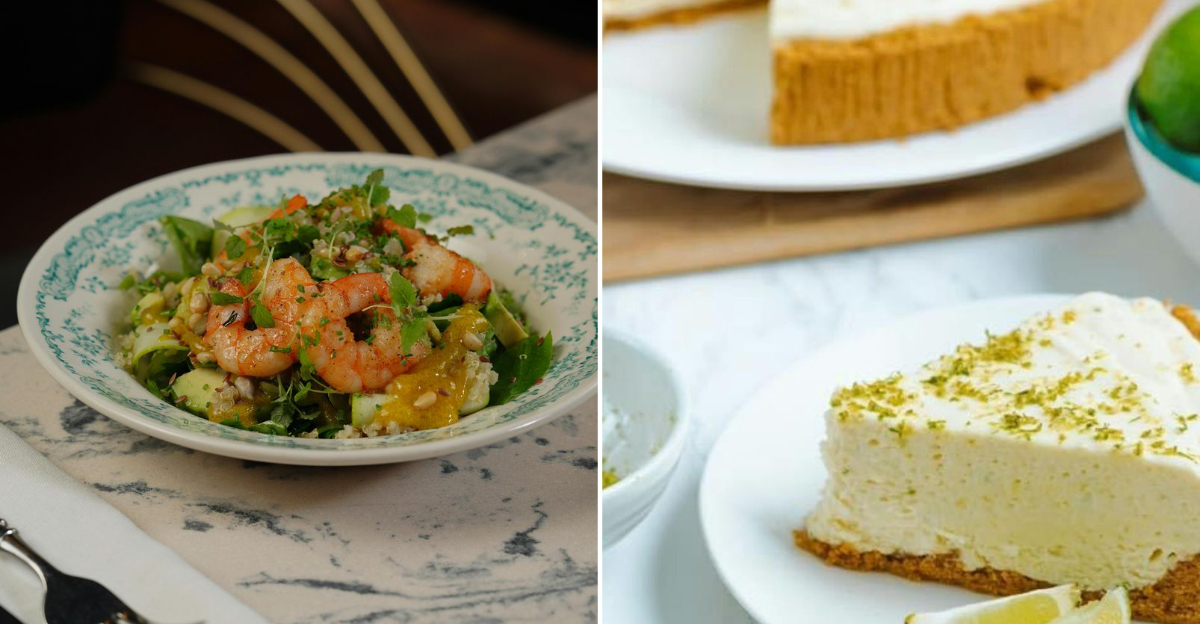
Florida’s culinary landscape is as diverse and vibrant as its famous sunsets, blending Southern soul food with Caribbean flair and coastal treasures.
From the salty shores of the Panhandle to the tropical Keys, certain dishes have become so deeply woven into the Sunshine State’s identity that locals simply can’t imagine life without them.
These comfort foods tell stories of fishermen, settlers, and cultural fusion—each bite carrying generations of tradition and a whole lot of Florida pride.
Whether you’re a lifelong Floridian or a curious visitor, these beloved classics represent the heart and soul of what makes eating in Florida such a delicious adventure.
1. Conch Fritters
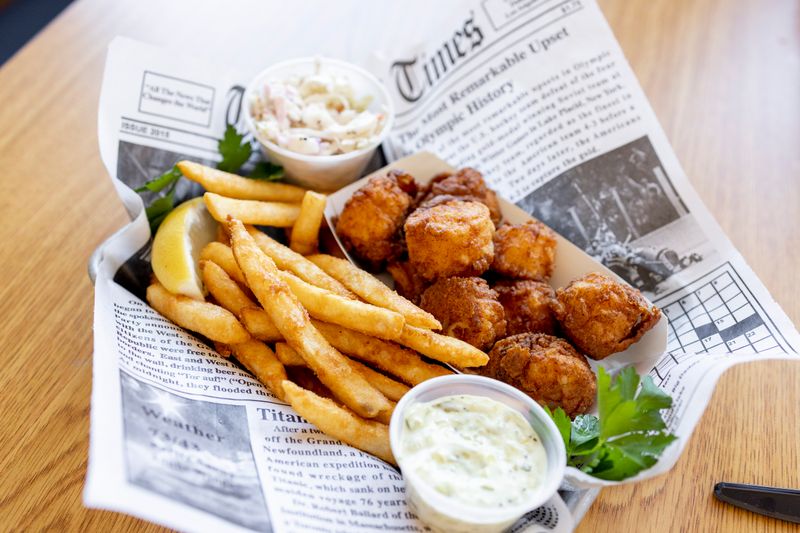
Crispy on the outside and tender on the inside, conch fritters are the ultimate Florida Keys appetizer that locals have been munching on for generations.
These golden nuggets pack serious flavor with chunks of conch meat mixed into seasoned batter, then deep-fried to perfection.
You’ll find them at nearly every waterfront restaurant from Key Largo to Key West, often served with a tangy key lime sauce or spicy remoulade.
The conch itself is a large sea snail that’s been harvested in Florida waters for centuries, though nowadays most conch is imported due to conservation efforts.
What makes these fritters so addictive is their unique texture—slightly chewy conch combined with fluffy, flavorful batter creates an irresistible combination.
Locals know the best spots guard their recipes like treasure maps, with each kitchen adding its own special blend of peppers, herbs, and secret ingredients.
Whether you’re enjoying them at a fancy resort or a no-frills dive bar, conch fritters represent the laid-back island lifestyle that defines the Keys.
One bite and you’ll understand why Floridians refuse to give up this beloved seafood snack.
2. Cuban Sandwich (Cubano)
Wars have been fought over less important matters than where Florida’s best Cuban sandwich originates—Tampa and Miami both claim bragging rights to this legendary creation.
The Cubano combines roasted pork, glazed ham, Swiss cheese, pickles, and mustard on authentic Cuban bread, then gets pressed until the cheese melts and the bread develops that signature crunch.
Tampa’s version traditionally includes salami, a nod to the Italian immigrants who worked alongside Cubans in the cigar factories.
Miami purists argue that salami has no place in a true Cubano, keeping it simple with the classic five ingredients.
Either way, the magic happens when that sandwich hits the plancha, transforming ordinary ingredients into something extraordinary.
The bread makes all the difference—proper Cuban bread has a slightly sweet, pillowy interior with a crispy crust that shatters when you bite down.
No Florida food list would be complete without this pressed perfection.
3. Key Lime Pie
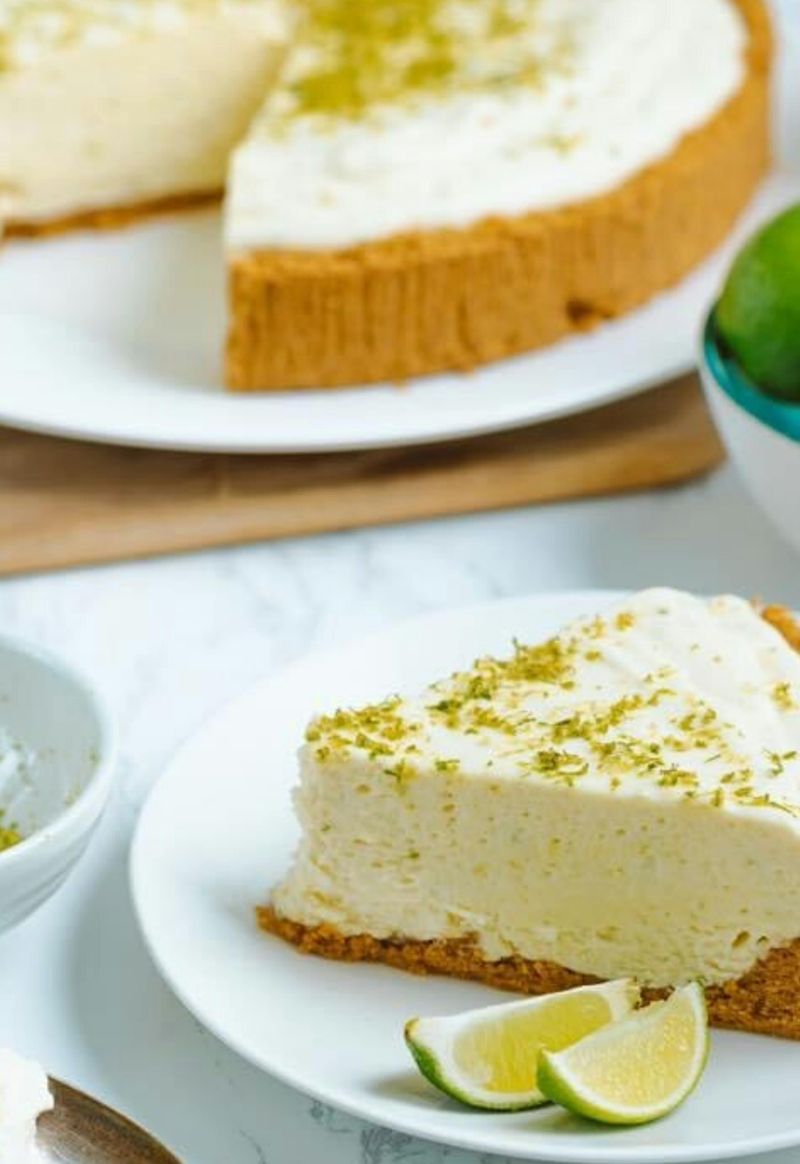
Forget whatever imposter you’ve tried elsewhere—real Key lime pie uses actual Key limes, those tiny, tart citrus gems that grow in South Florida.
The filling’s distinctive pale yellow color comes from the natural limes, not artificial green food coloring that some restaurants mistakenly add.
Traditional recipes combine Key lime juice with sweetened condensed milk and egg yolks, creating a silky, tangy-sweet custard that sets up beautifully.
Most authentic versions sit in a graham cracker crust, though some old-school places use traditional pastry.
The debate over topping—meringue versus whipped cream—can get heated among locals, with passionate defenders on both sides.
Key lime pie became Florida’s official state pie in 2006, cementing its place in Sunshine State history.
The pie’s perfect balance of tart and sweet captures the essence of Florida in every bite.
Once you’ve tasted the real deal, there’s simply no going back to grocery store versions.
4. Stone Crab Claws
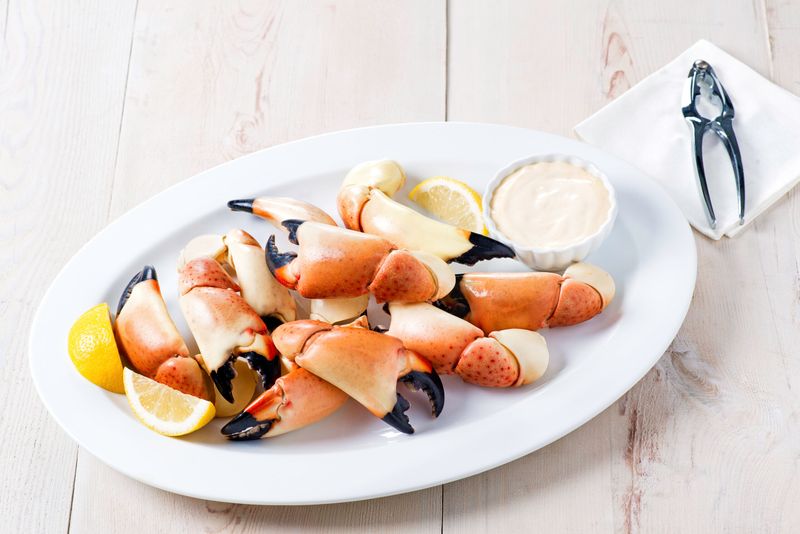
Nothing says special occasion in Florida quite like a heaping plate of stone crab claws dipped in tangy mustard sauce.
These meaty delicacies are harvested sustainably—fishermen remove one claw and return the crab to the water, where it regenerates a new one over time.
The season runs from October 15th through May 15th, creating an annual frenzy among seafood lovers who wait impatiently for opening day.
Stone crab meat is sweet, succulent, and firm, with a flavor that’s more delicate than lobster but richer than regular crab.
They’re always served cold after being cooked immediately upon harvest, preserving their incredible texture and taste.
Joe’s Stone Crab in Miami Beach (11 Washington Ave, Miami Beach, FL 33139) practically invented the stone crab industry and remains the gold standard.
The traditional mustard sauce—a creamy blend of mayo, mustard, and secret seasonings—perfectly complements the sweet crab meat without overpowering it.
Cracking into these claws requires some muscle and a good mallet, but the reward is absolutely worth the effort.
Locals consider stone crab season a cherished annual tradition they’d never dream of missing.
5. Grouper Sandwich
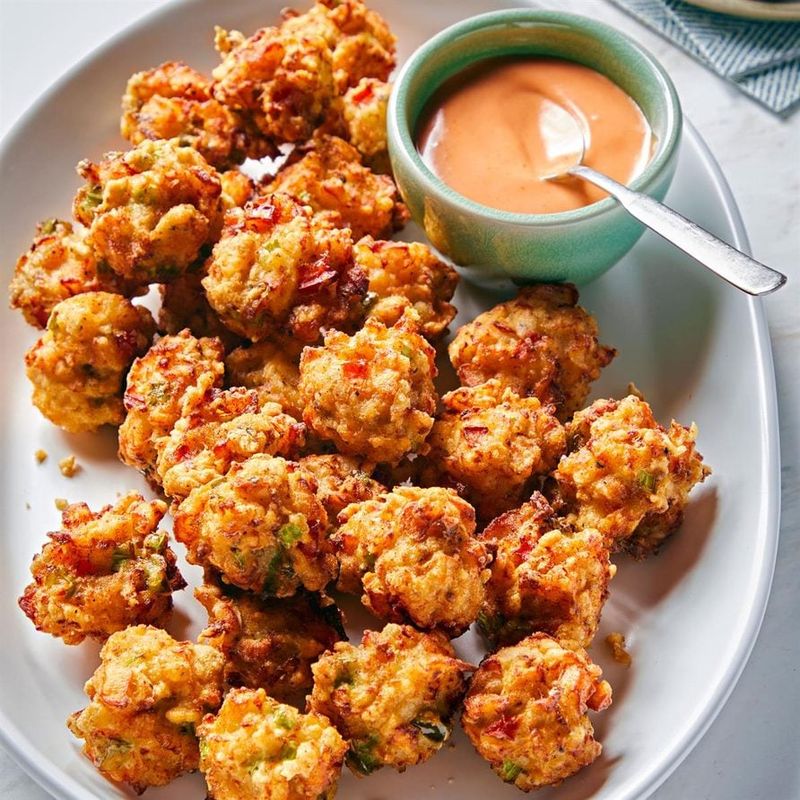
Ask any coastal Floridian about their perfect meal, and chances are a grouper sandwich will be near the top of the list.
This iconic sandwich features a thick fillet of grouper—usually blackened, grilled, or fried—nestled in a soft bun with lettuce, tomato, and tartar sauce.
Grouper’s mild, sweet flavor and firm, flaky texture make it the ideal fish for sandwiches, holding up beautifully whether breaded and fried or simply seasoned and grilled.
The blackened version coats the fish in Cajun spices before searing it in a screaming-hot skillet, creating a flavorful crust that contrasts with the tender interior.
Locals have strong opinions about preparation methods, with die-hard fans in each camp defending their preferred style.
Beachside restaurants and dockside bars throughout Florida serve their own variations, each claiming to have perfected the recipe.
The sandwich represents Florida’s fishing heritage and beach culture in one delicious package.
Warning: once you’ve had a truly great grouper sandwich, you’ll crave them constantly.
6. Gator Tail (Fried or Grilled)
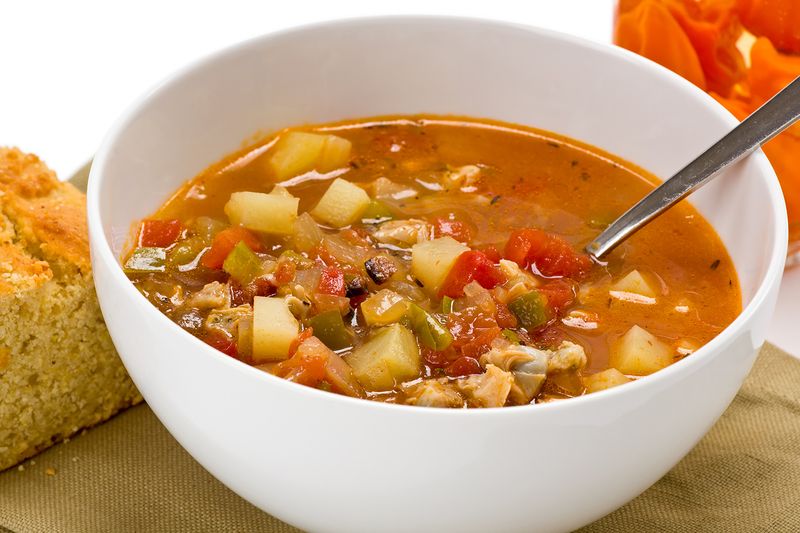
When visitors hear that Floridians eat alligator, their reactions range from curiosity to complete horror—but locals know this protein is seriously delicious.
Gator tail meat is surprisingly mild and tender, often compared to chicken or fish, with a slightly firmer texture that makes it incredibly versatile.
The most popular preparation involves cutting the tail meat into bite-sized nuggets, breading them in seasoned flour or cornmeal, then frying until golden and crispy.
Grilled gator tail offers a healthier option while showcasing the meat’s natural flavor, often seasoned with Cajun spices or citrus marinades.
This dish connects modern Floridians with the state’s frontier past, when Cracker cowboys and Native Americans relied on gator meat as a protein source.
You’ll find gator tail on menus throughout Florida, but it’s especially popular in Everglades-adjacent areas and at airboat tour stops.
Dipping sauces range from traditional tartar to spicy remoulade or honey mustard.
Eating gator isn’t just about novelty—it’s genuinely tasty and a proud part of Florida’s culinary identity.
7. Shrimp and Grits
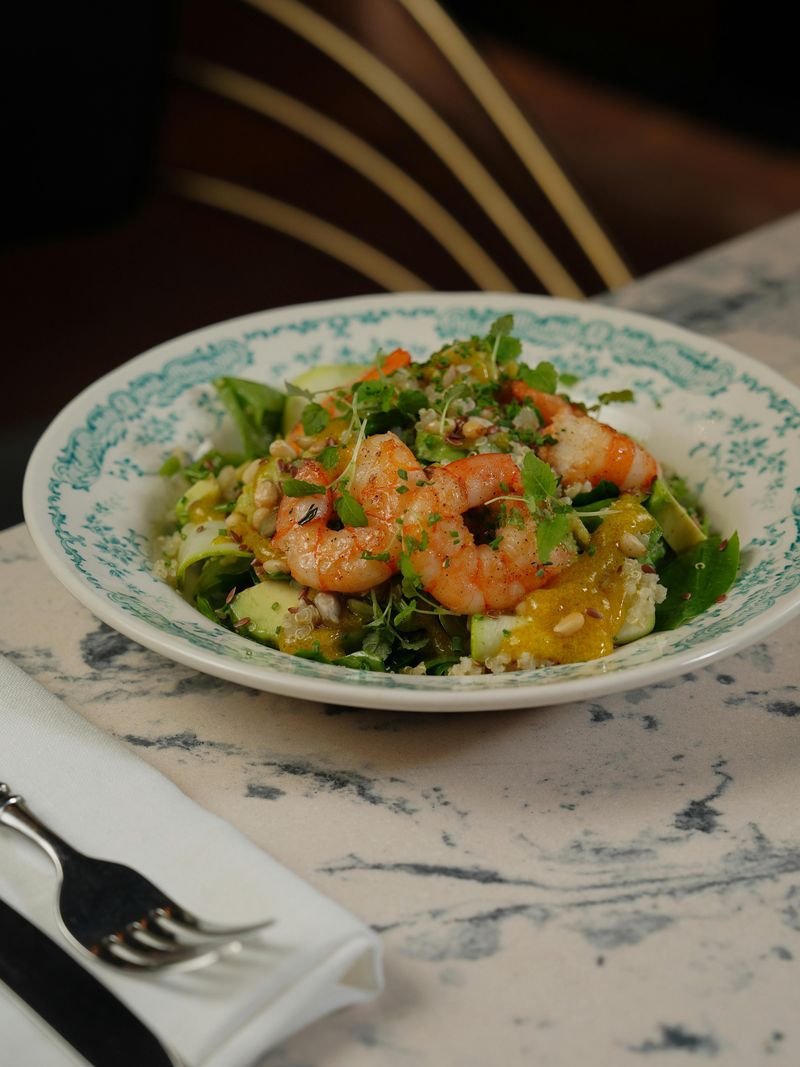
This Low Country classic has become a Florida staple, particularly in the northern regions where Southern cooking traditions run deep.
Creamy, buttery grits provide the perfect foundation for plump, perfectly seasoned shrimp swimming in a savory sauce that usually includes bacon, garlic, and a touch of spice.
The dish represents the beautiful marriage between Florida’s abundant Gulf shrimp and the South’s beloved comfort food traditions.
Good grits make all the difference—they should be smooth and creamy, cooked slowly with plenty of butter and often enriched with cheese.
The shrimp preparation varies wildly, from classic Cajun-style with andouille sausage to lighter versions with white fresh herbs.
While originally a breakfast dish, shrimp and grits has evolved into an any-time favorite that appears on brunch, lunch, and dinner menus across the state.
Each bite delivers comfort, flavor, and that unmistakable taste of Southern hospitality.
Once you’ve experienced perfectly executed shrimp and grits, you’ll understand why Floridians consider it absolutely essential.
8. Fried Chicken (Southern-Style)
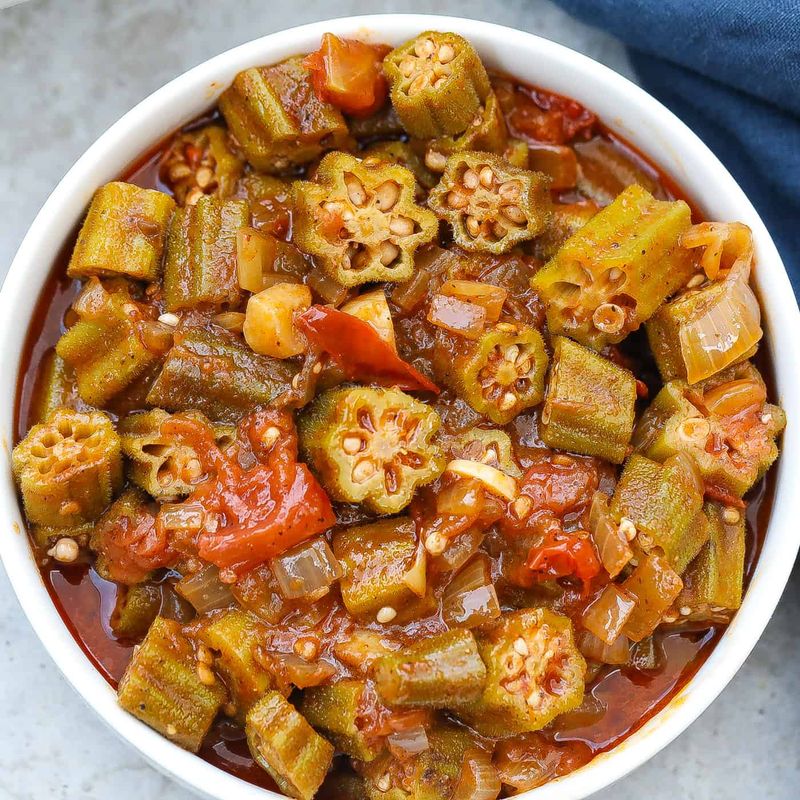
Golden, crispy, and seasoned to perfection, Southern-style fried chicken holds a sacred place in Florida’s comfort food pantheon.
The best versions feature a crunchy, well-seasoned coating that shatters when you bite through to reveal juicy, tender meat that’s been marinated in buttermilk or hot sauce overnight.
Every family and restaurant guards their recipe jealously, with secret ingredient lists that might include everything from hot sauce to pickle juice in the marinade.
The double-dredging technique—dipping chicken in buttermilk, then flour, then buttermilk again, then flour once more—creates those coveted crispy bits and extra-crunchy coating.
Proper frying temperature is crucial: too hot and the coating burns before the chicken cooks through; too cool and you end up with greasy, soggy skin.
Florida’s African American communities have perfected this art over generations, with soul food restaurants serving up chicken that could make you weep with joy.
This isn’t just food—it’s heritage, tradition, and pure deliciousness on a plate.
9. Macaroni and Cheese
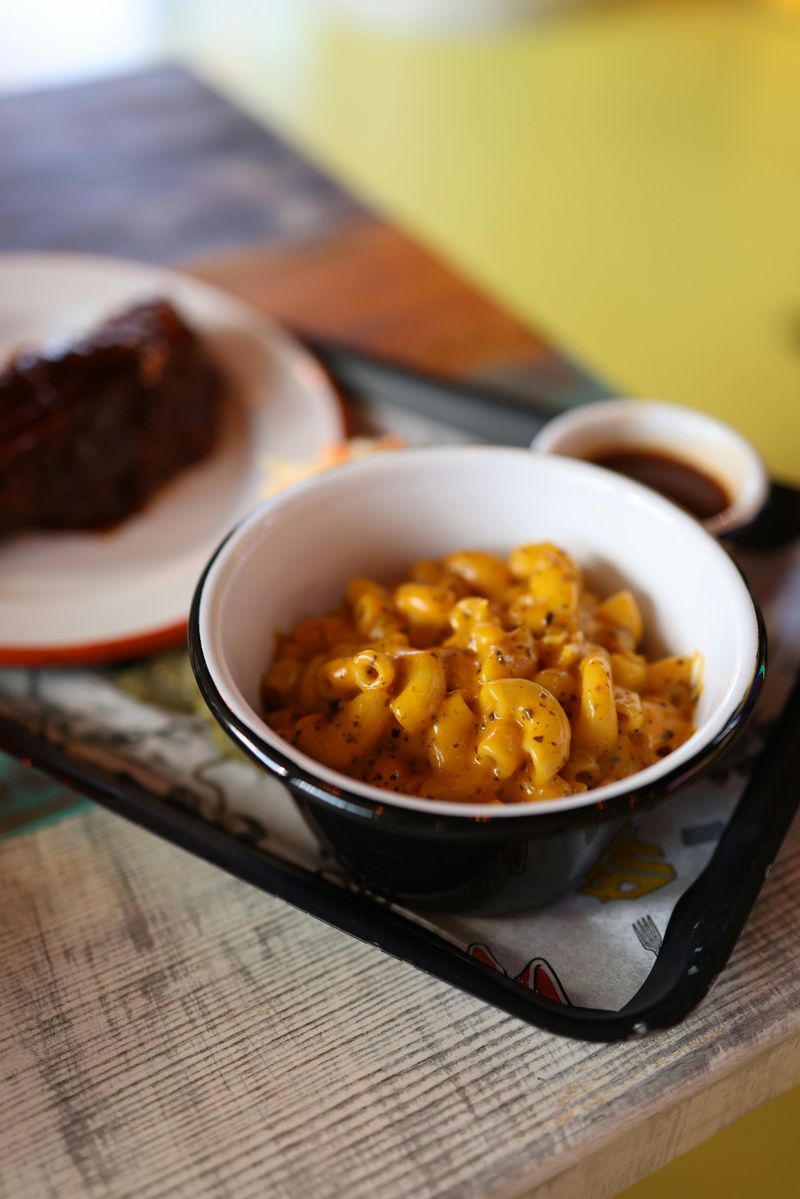
Forget that fluorescent orange stuff from a box—real Florida mac and cheese is a serious culinary achievement that deserves respect.
The Southern-style version popular throughout Florida features multiple cheeses (sharp cheddar, Velveeta for creaminess, sometimes Gruyère for sophistication) baked until bubbly with a golden, slightly crispy top.
Many recipes include eggs and evaporated milk, creating a custard-like consistency that’s richer and more substantial than stovetop versions.
This isn’t a side dish—it’s the main event at Sunday dinners, holiday gatherings, and church potlucks throughout the state.
Some cooks add a breadcrumb topping for extra crunch, while purists prefer letting the cheese itself form that coveted golden crust.
The pasta should be slightly undercooked before baking, allowing it to absorb the cheese sauce while maintaining some texture.
Soul food restaurants across Florida serve mac and cheese that could convert the most dedicated diet follower into a comfort food devotee.
Backyard BBQs and family reunions wouldn’t be complete without at least two or three different mac and cheese offerings, each representing someone’s grandmother’s cherished recipe.
Creamy, cheesy, and absolutely irresistible, this dish is pure edible joy that no Floridian would willingly surrender.
10. Publix Sub (Pub Sub)
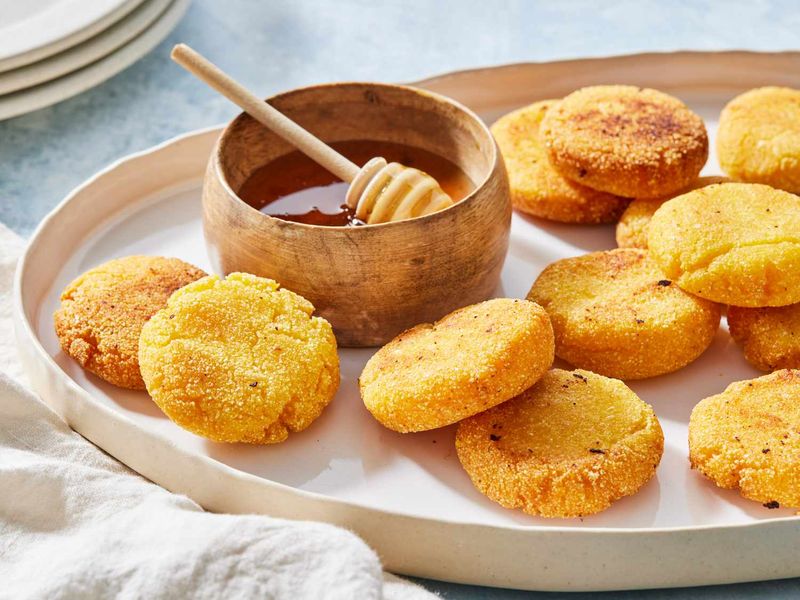
Outsiders might find it strange that Floridians are obsessively devoted to a grocery store sandwich, but one bite of a Pub Sub explains everything.
These made-to-order submarine sandwiches from Publix supermarkets have achieved cult status, with locals planning their shopping trips around lunch just to grab one fresh from the deli.
The secret lies in the bread—Publix bakes their sub rolls fresh daily, creating a perfect balance of crusty exterior and soft, pillowy interior.
You can customize your sub with dozens of meat, cheese, and topping combinations, but the Chicken Tender Sub (especially when it’s on sale) has reached legendary status.
Deli workers will toast your sub if requested, melting the cheese and warming everything to gooey perfection.
The Boar’s Head meats and cheeses are sliced to order, ensuring freshness and quality that rivals dedicated sandwich shops.
When hurricanes threaten Florida, Pub Subs fly off the shelves as residents stock up on hurricane supplies—they’re that essential.
Social media explodes with excitement whenever chicken tender subs go on sale, with Floridians treating it like a major holiday.
Any Publix location across Florida serves these beloved sandwiches, making them conveniently accessible to the entire state’s devoted fanbase.
11. Smoked Mullet and Fish Dip
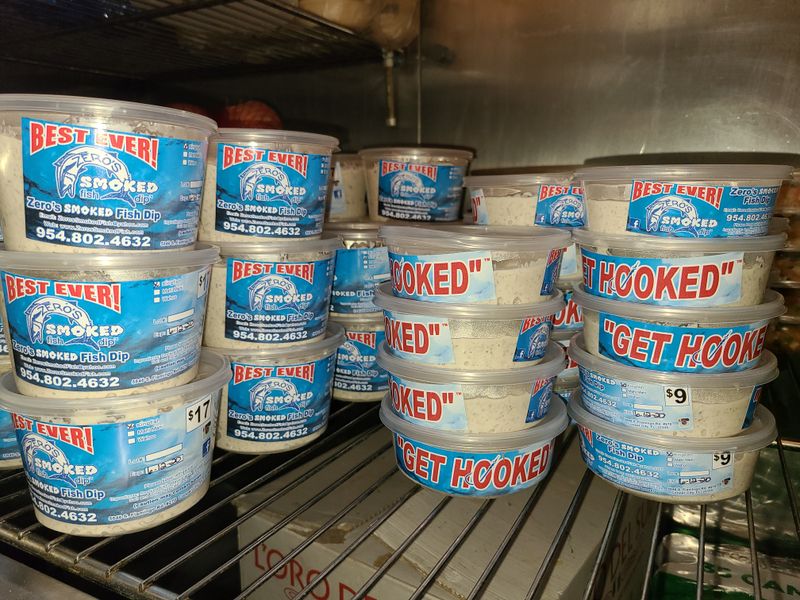
Smoked mullet might not win beauty contests, but this humble fish represents Old Florida’s fishing traditions and has kept locals satisfied for generations.
The smoking process transforms mullet’s oily flesh into something magical—flaky, flavorful, and absolutely perfect for making fish dip.
Traditional fish dip blends smoked mullet (or mackerel, or whatever was caught that day) with cream cheese, mayo, hot sauce, and seasonings into a creamy, smoky spread.
Every fish shack and bait shop along Florida’s coast seems to have their own version, each swearing theirs is the best.
You’ll find smoked fish hanging in old-school smokehouses throughout the state, where whole mullet are cured over smoldering oak or hickory for hours.
The dip is typically served with saltine crackers, though some fancy places offer toasted baguette slices or vegetables for dipping.
Ted Peters Famous Smoked Fish in South Pasadena (1350 Pasadena Ave S, South Pasadena, FL 33707) has been smoking mullet since 1951 and remains a pilgrimage site for devotees.
This isn’t trendy or Instagram-worthy, but it’s authentically Florida and absolutely delicious.
One taste connects you directly to the state’s fishing heritage and Cracker culture.
12. Swamp Cabbage (Heart of Palm Stew)
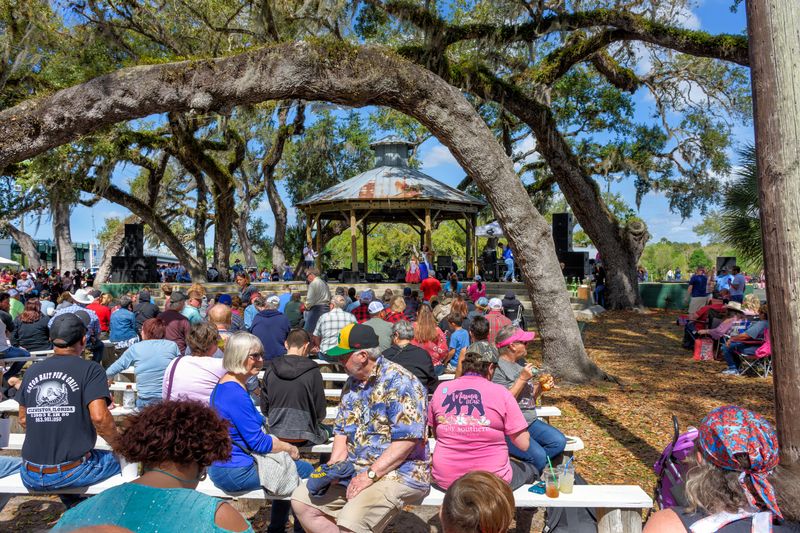
Swamp cabbage sounds unappetizing until you realize it’s actually heart of palm, that fancy ingredient you see in expensive salads, cooked down into a hearty Cracker-style stew.
This dish represents Florida’s pioneer heritage, when settlers harvested the tender heart from sabal palm trees and cooked it with whatever else they had on hand.
Traditional recipes simmer the heart of palm with bacon or salt pork, onions, and sometimes tomatoes, creating a savory, slightly sweet stew that’s surprisingly addictive.
The texture is unique—tender but with a slight bite, similar to cooked cabbage but with a more delicate, slightly nutty flavor.
Harvesting heart of palm kills the tree, so nowadays it’s typically sourced sustainably from cultivated palms or imported varieties.
You won’t find swamp cabbage at chain restaurants—this is Old Florida cooking at its most authentic, served at fish camps and rural festivals.
The annual Swamp Cabbage Festival in LaBelle celebrates this regional delicacy every February, drawing thousands of devotees.
This humble stew connects modern Floridians with their frontier ancestors in the most delicious way possible.